Linseed Gum
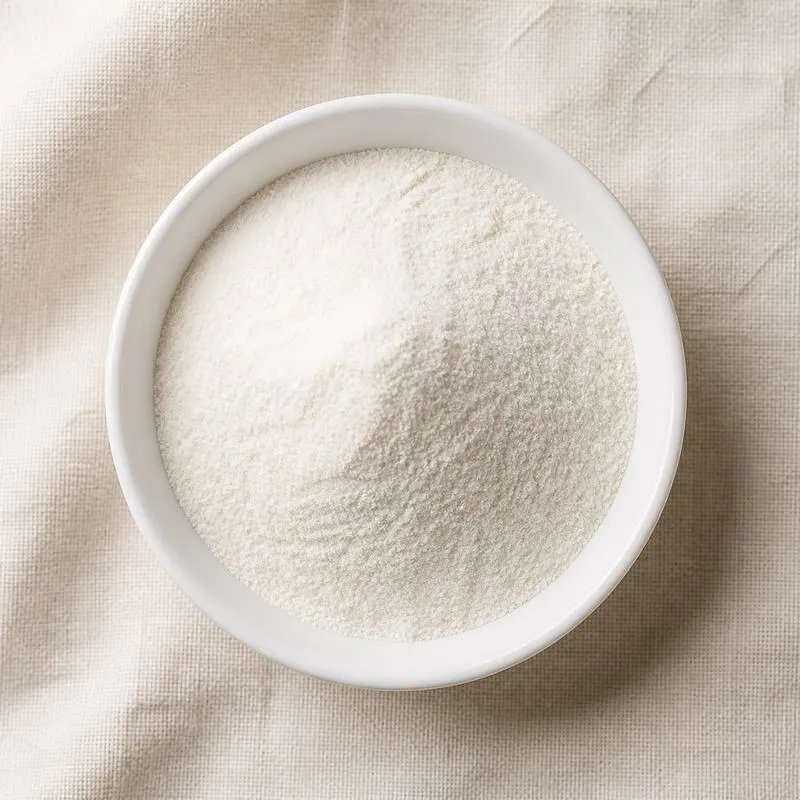
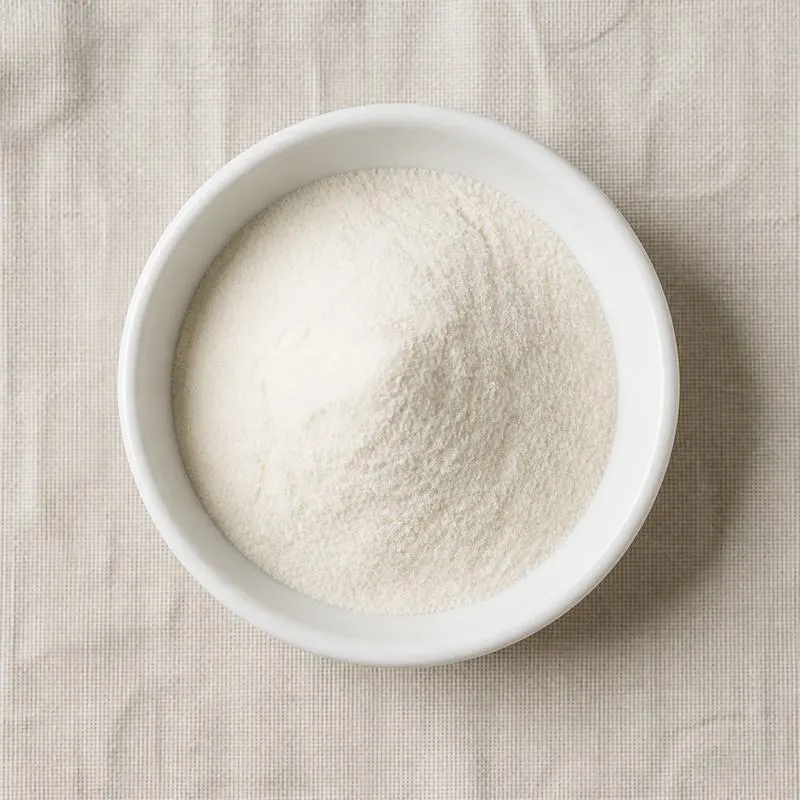
Linseed Gum, also traded as flaxseed gum, is the polysaccharide mucilage recovered from the seed coat of Linum usitatissimum, extracted with water and dried to a powder.
It is not a single polymer but a mixture of two fractions. An acidic rhamnogalacturonan carrying rhamnose, galactose, fucose and galacturonic acid supplies most of the thickening; a neutral arabinoxylan built on a xylan backbone with arabinose and galactose side chains contributes the rest. The ratio between them varies with seed cultivar and extraction temperature, which is why viscosity between suppliers is less uniform than it is for fermentation gums.
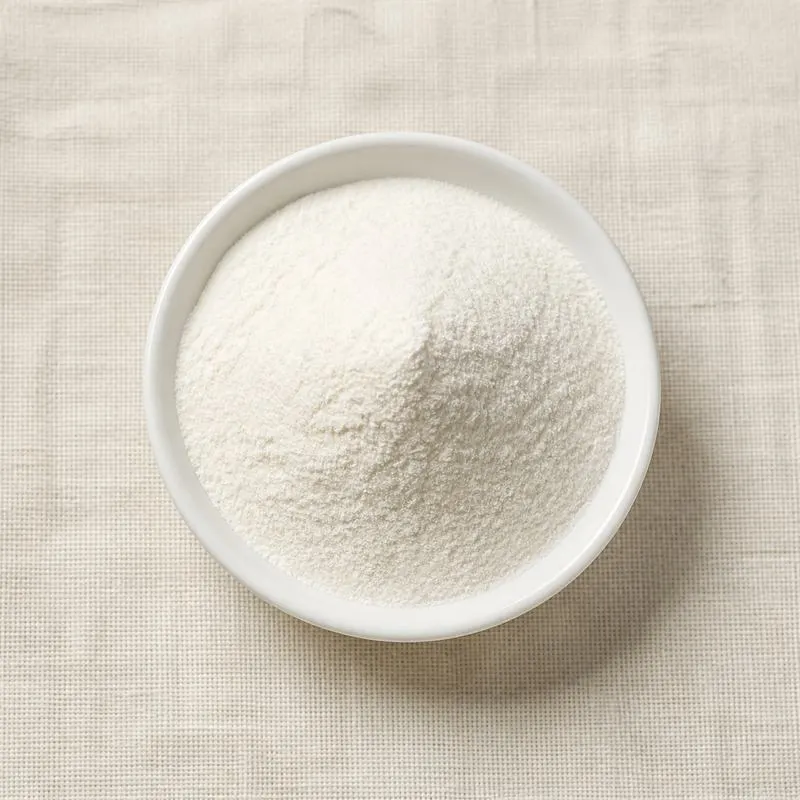
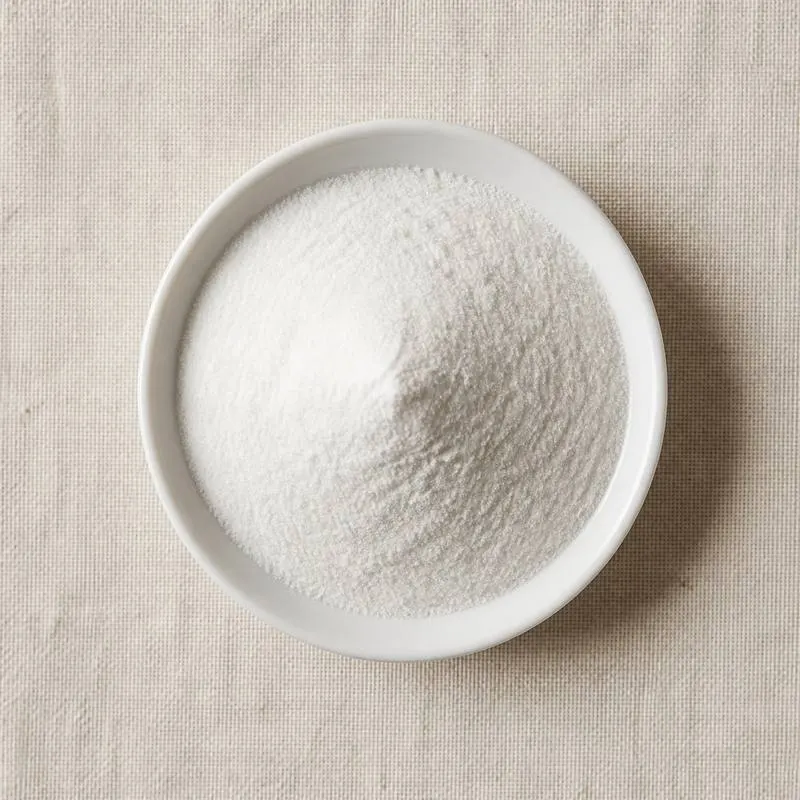
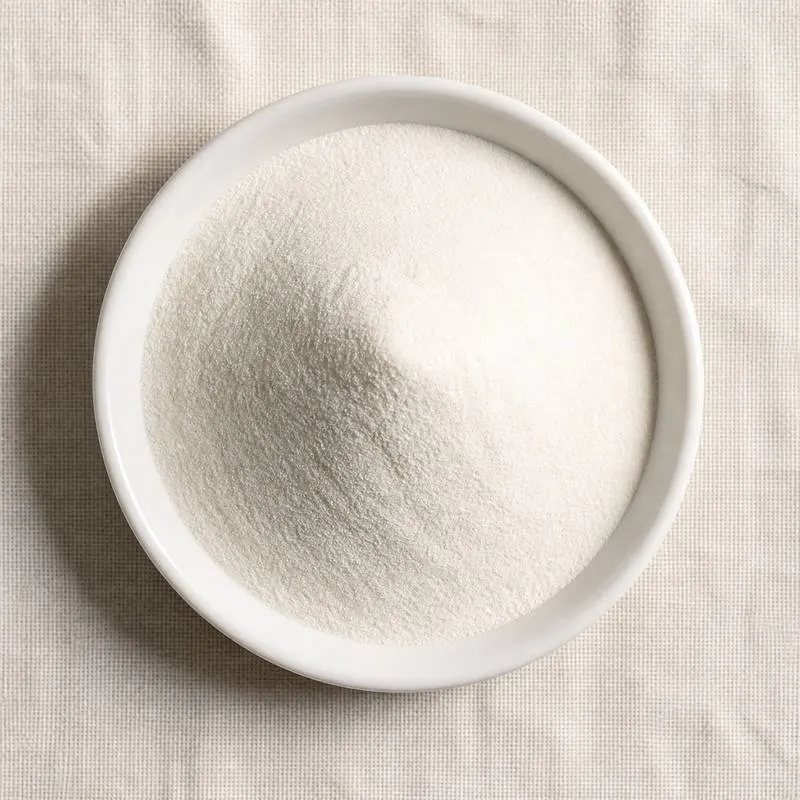
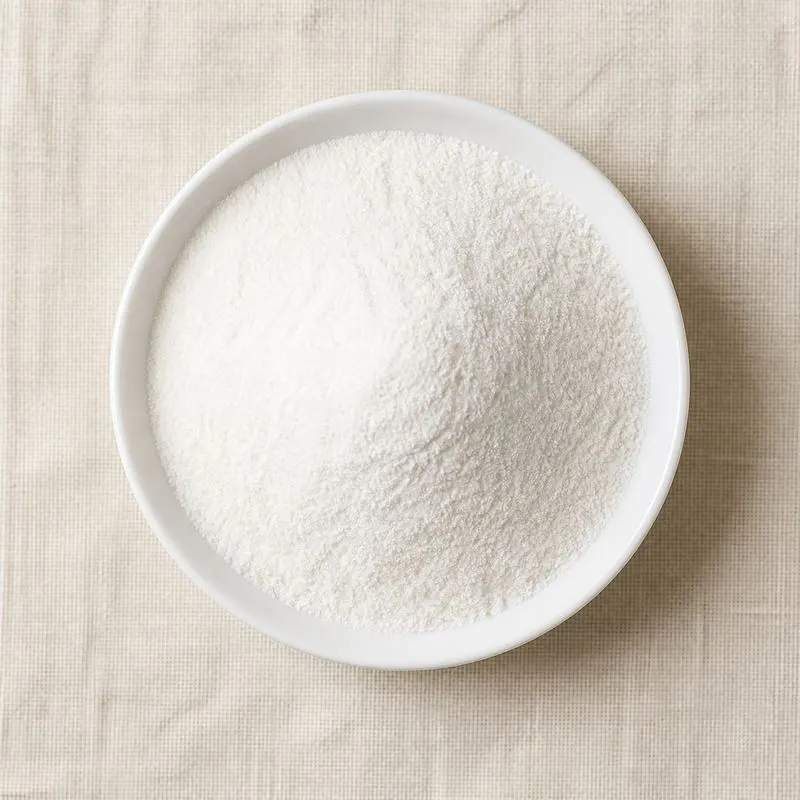
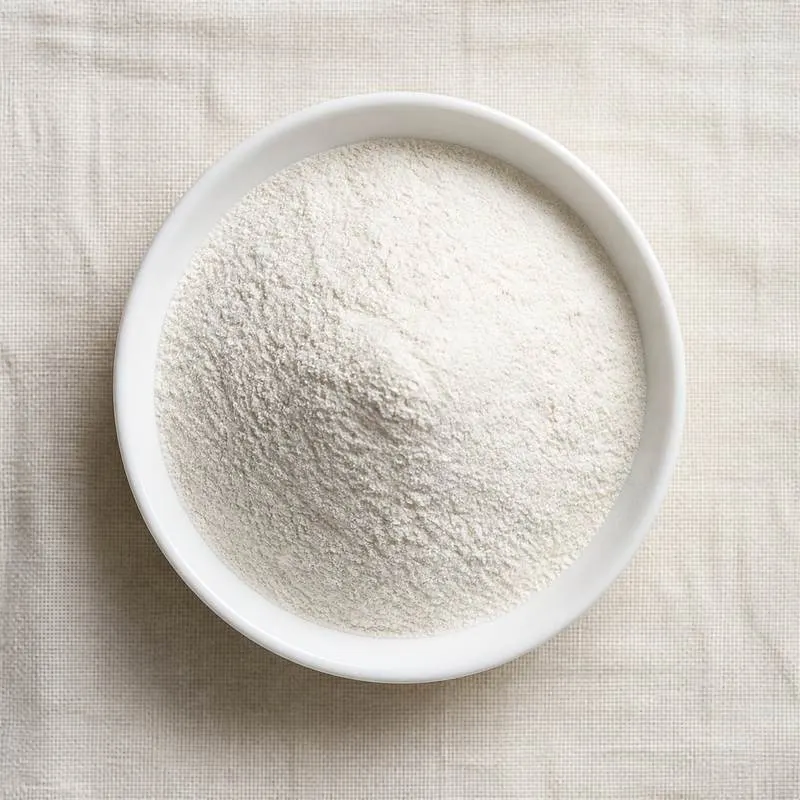
The commercial form is a cream to light tan powder that hydrates in cold water to a viscous, slightly hazy solution with pseudoplastic flow. Viscosity is highest around neutral pH and falls at strongly acidic pH or under prolonged heating, and it is reduced by high salt loads. Beyond thickening, linseed gum carries surface-active protein and shows genuine emulsifying and foaming behaviour, which is the property that has made it a plant-based substitute for egg white in aquafaba-style applications.
We source bulk Linseed Gum from top China manufacturers for our partners. The manufacturer is in Xinjiang. A smaller requirement can ship in a combined container with other ingredients.
Please send the grade you need, the volume and your destination port, and we will come back with a solution and a price.
or call +86-21-6858 0751
- Function
- Thickener / Hydrocolloid
Specifications
| Item | Specification |
|---|---|
| Appearance | Cream to light tan free-flowing powder |
| Odour and Taste | Slight characteristic, free from rancid notes |
| Polysaccharide Content | ≥ 65% on dry basis |
| Viscosity, 1% solution | 500 to 2,000 mPa.s at 25 °C |
| Identification | Positive for rhamnose, xylose and arabinose on sugar profile |
| Loss on Drying | ≤ 10% |
| Ash | ≤ 8.0% |
| Protein | ≤ 8.0% |
| pH, 1% solution | 5.5 to 7.5 |
| Lead | ≤ 1.0 mg/kg |
| Arsenic | ≤ 1.0 mg/kg |
| Total Plate Count | ≤ 5,000 cfu/g |
| Yeast and Mould | ≤ 300 cfu/g |
| E. coli and Salmonella | Absent in 25 g |
Common Markets Grades
Linseed gum is graded mainly by viscosity, purity and colour. Crude grades extracted at higher temperature carry more protein, oil residue and pigment, run darker and are used in feed, technical and low-cost bakery applications. Refined food grades are extracted under milder conditions, decoloured and alcohol precipitated, and give a lighter powder with lower protein and a cleaner flavour.
Viscosity is quoted on a one percent solution and typically spans a few hundred to several thousand mPa.s depending on grade. Mesh options usually cover 60 to 200 mesh, with finer material chosen for instant powders. Golden flax and brown flax feedstocks are sometimes distinguished on the specification because seed coat colour carries through into the finished gum, and organic and non-GMO declarations are common since flax is grown as a whole seed crop.
Applications
- Bakery doughs and gluten-free breads, as a water binder that improves crumb softness and slows staling
- Egg-free baking and vegan meringue systems, where the surface-active fraction whips and holds foam
- Salad dressings and emulsified sauces, stabilising the oil phase without added synthetic emulsifier
- Plant-based milks and protein drinks, suspending insoluble solids and adding body
- Ice cream and frozen desserts, restricting ice crystal growth and improving meltdown behaviour
- Meat products and patties, holding moisture through cooking and reducing liquid release
- Dietary fibre supplements and laxative preparations, where the soluble mucilage is itself the functional claim
- Cosmetic gels, hair styling products and face masks, as a natural film forming thickener
- Instant soups and sauce powders, where cold water hydration allows quick reconstitution
China Manufacturers of Linseed Gum
Top Linseed Gum manufacturers in China.

Company names and logos are the property of the manufacturers themselves. They are listed here because our own directory records them as producing this ingredient. A listing is not an endorsement by them, and we do not represent them or speak on their behalf.
Regulatory Status
Flaxseed and its mucilage have a long history of food use, and linseed gum is sold in the United States as a food ingredient rather than as an approved additive with its own regulation; suppliers rely on self-affirmed or notified GRAS status for the specific extract and grade, so the documentation supporting that determination is the point a buyer should check.
The European Union has no E number for linseed gum. It is handled as a food ingredient rather than an additive, and whole and milled linseed itself is a long-established food, though any novel extraction process or unusually concentrated preparation can bring a product within the scope of the novel food framework. JECFA has not established a separate specification monograph for linseed gum, and it is not listed in the Codex General Standard for Food Additives, which means labelling generally names it as flaxseed gum or linseed extract in the ingredient list rather than by an additive class and number.
Manufacturing Process
Whole or dehulled flax seed is cleaned and screened, then steeped in water at a controlled temperature, usually somewhere between 50 and 90 degrees Celsius, with gentle agitation. The mucilage layer swells and passes into solution while the seed body stays intact, so extraction is stopped before oil and protein are drawn out in quantity. The seeds are separated on a screen and can be sent on for oil pressing, which is why the gum is often produced as a companion stream to flax oil rather than as a standalone crop use.
The mucilage liquor is filtered or centrifuged to remove hulls and fines, then concentrated by vacuum evaporation or membrane ultrafiltration. Food grades are precipitated with ethanol, which drops the polysaccharide out and carries away sugars, free amino acids, pigments and some of the protein. The precipitate is pressed, dried in a vacuum or flash dryer at a temperature low enough to protect viscosity, then milled and screened. Lower cost grades skip the alcohol step and go straight from concentrate to spray drying, accepting a darker colour and higher protein content. Ethanol is distilled and recycled.