Linseed Extract
Linseed extract is any of several preparations made from the seed of Linum usitatissimum, the plant called linseed in British and European trade usage and flax in North American usage. Three commercially distinct extracts share the name, and the first thing a specification has to establish is which of them is on offer: a lignan concentrate, a mucilage or linseed gum hydrocolloid, or a protein preparation.
The lignan concentrate is made from the seed coat and is standardised on secoisolariciresinol diglucoside, a plant lignan that occurs in linseed at higher levels than in any other common crop. The mucilage is a heteropolysaccharide of the outer hull consisting of an acidic rhamnose-rich fraction and a neutral arabinoxylan fraction, and it is sold as a hydrocolloid on viscosity rather than on an active assay. The protein preparation is drawn from the defatted meal and is dominated by the globulin linin, formerly called conlinin, together with an albumin fraction.
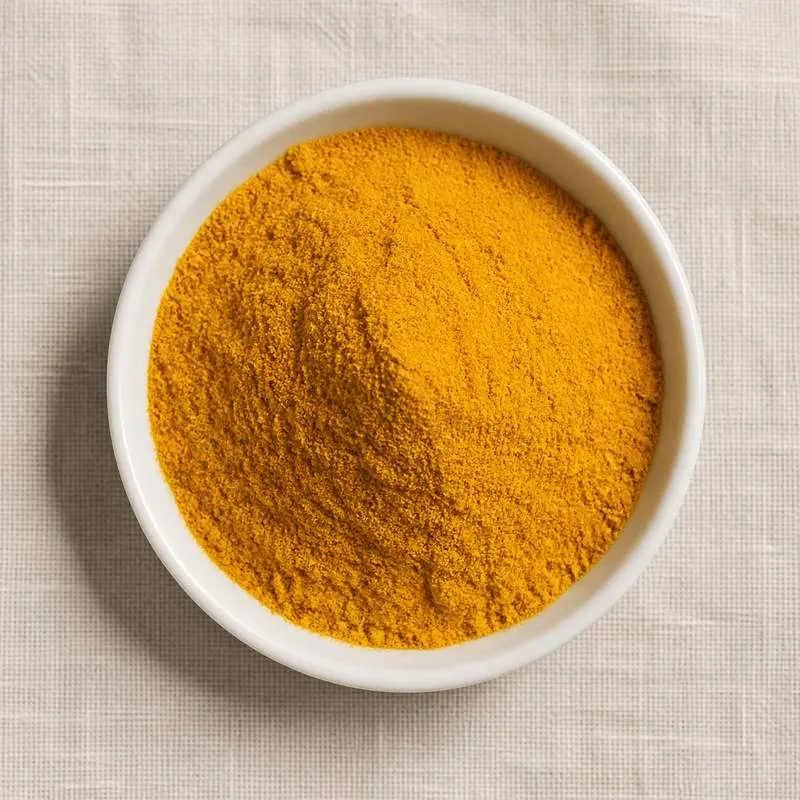
The lignan grade is a light to dark brown fine powder, mildly bitter, soluble in water and aqueous alcohol. Linseed gum is a cream to light beige powder that hydrates in cold water into a viscous, slightly thixotropic solution at low concentration, with the viscosity falling under strong shear and recovering at rest. Both are hygroscopic. The mucilage is heat stable within normal processing but loses viscosity under prolonged acid conditions, and the lignan glycoside hydrolyses under strong acid and sustained heat.
We source bulk Linseed Extract from top China manufacturers for our partners. The manufacturer is in Xinjiang. A smaller requirement can ship in a combined container with other ingredients.
Please send the grade you need, the volume and your destination port, and we will come back with a solution and a price.
or call +86-21-6858 0751
- Function
- Plant extract
Specifications
| Item | Specification |
|---|---|
| Botanical Source | Linum usitatissimum, defatted seed meal |
| Appearance | Light brown to brown fine powder |
| Secoisolariciresinol Diglucoside by HPLC | ≥ 35.0% |
| Identification | Conforms by HPLC to reference standard |
| Loss on Drying | ≤ 5.0% |
| Ash | ≤ 6.0% |
| Total Hydrogen Cyanide | ≤ 10 mg/kg |
| Residual Solvent (Ethanol) | ≤ 5,000 mg/kg |
| Lead | ≤ 2.0 mg/kg |
| Arsenic | ≤ 1.0 mg/kg |
| Total Plate Count | ≤ 10,000 cfu/g |
| Yeast and Mould | ≤ 100 cfu/g |
| E. coli | Negative in 1 g |
| Salmonella | Negative in 25 g |
Common Markets Grades
Lignan grades are quoted on secoisolariciresinol diglucoside by HPLC at 20, 35, 40 percent and higher, with the analytical method stated because colourimetric total lignan figures run higher on the same material. Linseed gum is graded on viscosity at a defined concentration and temperature, on gel strength where relevant, and on colour, with decolourised grades traded at a premium for use in pale products. Protein preparations are graded on protein content, from a screened meal flour at 35 to 45 percent up to an isolate above 80 percent.
Cutting across these, the starting material matters: brown and golden linseed differ in colour contribution rather than in composition, and whether the seed was cold pressed or solvent extracted before the meal was used affects residual oil and hence oxidative stability. Cold pressed linseed oil, standardised on alpha-linolenic acid, is a separate product and is not an extract. Cyanogenic glycoside content is a routine specification point for every linseed-derived material, since the seed carries linustatin and neolinustatin and their breakdown releases hydrogen cyanide.
Applications
- Menopausal and hormonal balance supplements formulated on the lignan concentrate
- Cardiovascular and cholesterol support formulas in capsule and tablet form
- Gluten-free bakery, where linseed gum replaces the viscoelastic function of gluten and acts as an egg replacer
- Bakery and confectionery as a thickener, moisture binder and staling retarder
- Dairy alternatives and plant beverages, where the gum stabilises the suspension
- Soluble fibre and digestive health supplements based on the mucilage fraction
- Meat and prepared food products, where the gum improves water holding and yield
- Cosmetic hair styling and skin products, using the film-forming mucilage
- Plant protein blends and meal replacement powders using the protein preparation
Brands Using Linseed Extract
Widely-distributed consumer products that list Linseed Extract on the ingredient label.
- Neal's Yard RemediesFrankincense Intense Lift Eye Cream 15ml ↗An eye cream whose what's inside list names linseed extract with hyaluronic acid, ribose, microalgae and green tea caffeine.Label verified 2026-08-31
- Neal's Yard RemediesFrankincense Intense Lift Cream 50ml ↗A reformulated face cream that names an increased concentration of linseed extract as the ingredient used to hydrate and plump the skin.Label verified 2026-08-31
Brand names, product names and logos are the property of their owners. They appear here as published evidence that the ingredient is used, taken from the brand's own label or website. Their appearance is not an endorsement, and it does not mean the brand buys from us or from any manufacturer listed on this site.
China Manufacturers of Linseed Extract
Top Linseed Extract manufacturers in China.

Company names and logos are the property of the manufacturers themselves. They are listed here because our own directory records them as producing this ingredient. A listing is not an endorsement by them, and we do not represent them or speak on their behalf.
Regulatory Status
In the United States linseed and its products have a long history of food use, and whole and milled seed is a conventional food ingredient. The Food and Drug Administration has responded without objection to generally recognised as safe notifications covering flaxseed and certain flaxseed preparations for defined food uses, which is the basis on which the milled seed and the gum are used. Extracts sold into supplements are dietary ingredients under the Dietary Supplement Health and Education Act, manufactured under 21 CFR Part 111, and a purified lignan concentrate without an established marketing history would be assessed as a new dietary ingredient.
In the European Union linseed has an established history of consumption and is a conventional food, while concentrated lignan and purified mucilage preparations that depart substantially from traditional intake can fall within the scope of the novel food Regulation and must be checked against the specification. The European Food Safety Authority has assessed exposure to hydrogen cyanide arising from cyanogenic glycosides in linseed, which is why residual cyanide is tested on every linseed-derived material and why guidance exists on consumption of raw linseed. The European Pharmacopoeia carries a monograph for linseed, which sets the identity and swelling index methods most buyers reference for the whole seed and the mucilage. No health claim for linseed lignans appears on the EU register of authorised claims. Codex has not published a specification for linseed extract.
Manufacturing Process
Routes diverge by target fraction. For the mucilage the whole or hulled seed is soaked in warm water at 50 to 80 degrees Celsius so that the outer layer hydrates and the gum is released without extracting the interior of the seed, a step that has to be controlled tightly since prolonged soaking releases protein and colour along with the gum. The viscous liquor is separated from the seed by screening and decanting, clarified, then either precipitated with ethanol or concentrated and drum or spray dried. Decolourisation with activated carbon or hydrogen peroxide is applied where a pale gum is wanted, and the recovered seed can still be pressed for oil afterwards.
For the lignan concentrate the starting material is the defatted meal remaining after oil recovery. The meal is milled and, in some plants, hull-enriched by air classification, then extracted with aqueous ethanol at 60 to 80 percent. Because the lignan sits in the seed coat bound into an ester-linked macromolecule, an alkaline hydrolysis step with dilute sodium hydroxide is inserted to release free secoisolariciresinol diglucoside, followed by neutralisation. The liquor is filtered, the ethanol recovered under vacuum, and the concentrate loaded onto macroporous adsorption resin that binds the lignans while sugars, salts and residual protein wash through; ethanol elution releases the enriched fraction and sets the assay. The eluate is concentrated at low temperature, standardised and spray dried. Protein preparations follow a separate wet route of alkaline solubilisation of the defatted meal, clarification and isoelectric precipitation.