Lyophilized Queen Larva
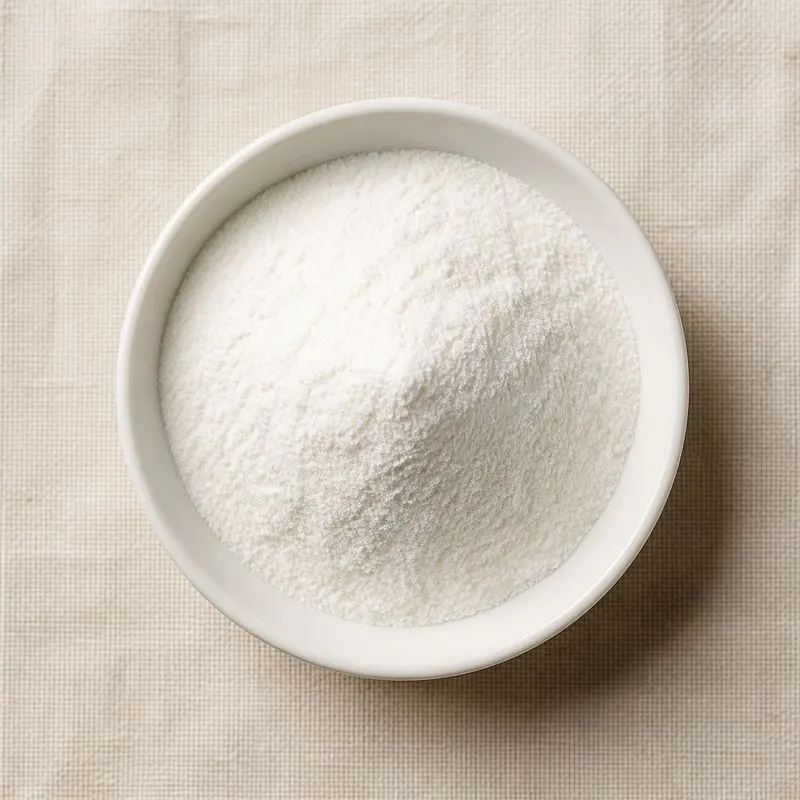
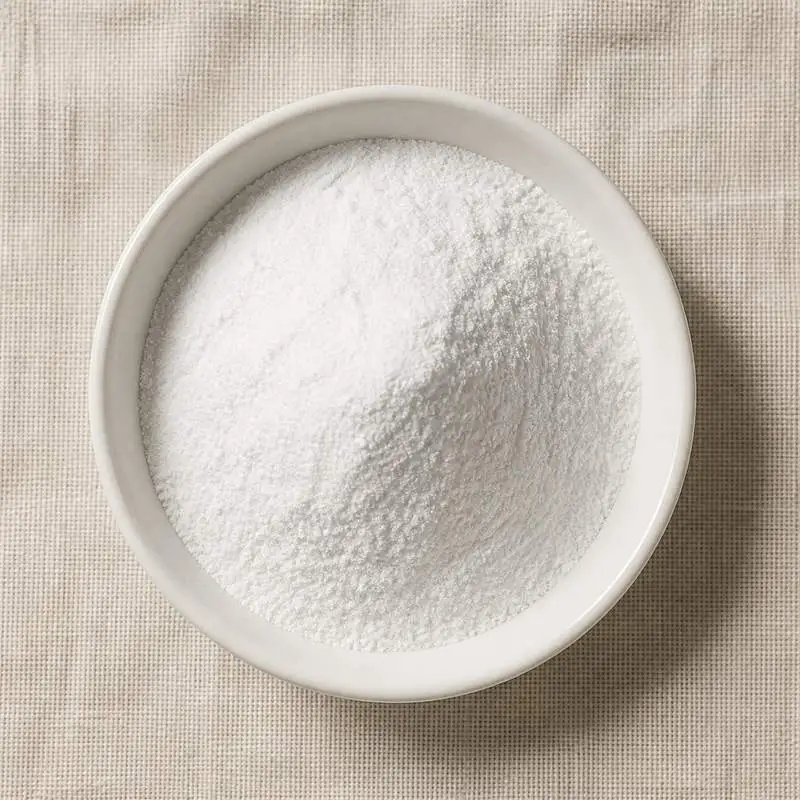
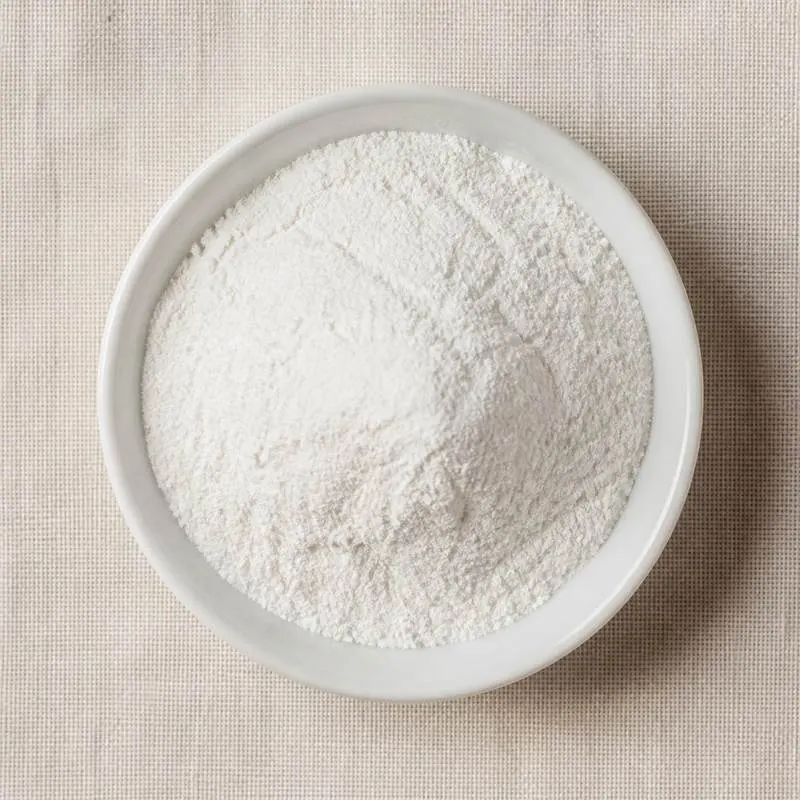
Lyophilized queen larva is the freeze dried larval stage of the honey bee queen, Apis mellifera, harvested from queen cells at around three to four days of age and dried by sublimation under vacuum. It arrives as small off-white to pale cream brittle larvae or as a fine milled powder, and it is distinct from royal jelly, which is the glandular secretion the larva is bathed in rather than the larva itself.
Because the queen larva develops entirely on royal jelly, the harvested material carries both larval tissue and the residual jelly adhering to it, so the dried product combines a whole-insect protein and lipid profile with the characteristic royal jelly constituents, notably 10-hydroxy-2-decenoic acid and the major royal jelly proteins. On a dry basis it typically runs 45 to 55 percent protein with a full amino acid profile, together with free amino acids, nucleotides, B vitamins and trace minerals. In Chinese practice it is used as a tonic food, and in a formulation its role is nutritional rather than technological.
The fresh larva is more than 75 percent water and extremely fragile, and its proteins and the unstable 10-hydroxy-2-decenoic acid fraction do not survive hot air drying well, which is why lyophilisation is the standard route. The dried material is porous, light and strongly hygroscopic, softening and darkening on exposure to humid air, and it is packed under nitrogen in foil laminate with desiccant and held cold.
We source bulk Lyophilized Queen Larva from top China manufacturers for our partners. The manufacturer is in Zhejiang. A smaller requirement can ship in a combined container with other ingredients.
Please send the grade you need, the volume and your destination port, and we will come back with a solution and a price.
or call +86-21-6858 0751
- Function
- Nutraceutical
Specifications
| Item | Specification |
|---|---|
| Appearance | Off-white to pale cream brittle whole larvae or fine powder |
| Odour and taste | Mild characteristic odour, faintly acidic taste from adhering royal jelly |
| Identification | Conforms to Apis mellifera queen larva by morphology |
| Crude protein, dry basis | Not less than 45.0 percent |
| Crude fat | 8 to 18 percent |
| 10-hydroxy-2-decenoic acid, jelly-bearing grade | Not less than 1.0 percent |
| Moisture | Not more than 5.0 percent |
| Water activity | Not more than 0.30 |
| Total ash | Not more than 5.0 percent |
| Particle size, milled grade | Passes 60 mesh, not less than 95 percent |
| Yeast and mould | Not more than 500 cfu/g |
| Escherichia coli | Absent in 1 g |
| Staphylococcus aureus | Absent in 1 g |
| Salmonella | Absent in 25 g |
Common Markets Grades
Grades are set by larval age at harvest, by form and by whether adhering royal jelly is retained. Larvae taken at three days carry proportionally more royal jelly and give a paler, milder product; older larvae give a higher protein figure and a stronger odour. The material is offered as whole freeze dried larvae for direct consumption and capsule filling, and as a milled powder at 60 to 100 mesh for tablets, sachets and blends. A washed grade, in which adhering jelly is rinsed off before freezing, is a separate article specified purely on the larval tissue.
Where royal jelly is retained, the specification usually carries 10-hydroxy-2-decenoic acid as a marker, and its level distinguishes a jelly-bearing grade from a washed one. Other defining specification points are moisture and water activity, crude protein and fat, and the microbiological profile, since larvae are handled at ambient temperature during grafting and harvest. Screening for the acaricides used in varroa control is routine. There is no pharmacopoeial monograph for the material, so buyer specifications are what apply.
Applications
- Traditional Chinese tonic preparations, the freeze dried larvae taken directly or stirred into warm water and porridge
- Capsule and tablet supplements sold as a royal jelly and whole-larva combination product
- Royal jelly supplement blends, where the larva contributes protein alongside jelly standardised on 10-hydroxy-2-decenoic acid
- Instant beverage sachets and honey pastes carrying the milled powder
- Protein and amino acid formulations using the larva as an insect protein source
- Apitherapy product ranges alongside propolis, bee pollen and drone pupa
- Feedstock for enzymatic hydrolysate and bioactive peptide manufacture
- Cosmetic serums and creams using the hydrolysate or extract, outside food use
- Speciality edible insect foods where whole larvae are seasoned and eaten as a snack
China Manufacturers of Lyophilized Queen Larva
Top Lyophilized Queen Larva manufacturers in China.
Company names and logos are the property of the manufacturers themselves. They are listed here because our own directory records them as producing this ingredient. A listing is not an endorsement by them, and we do not represent them or speak on their behalf.
Regulatory Status
Honey bee larvae have a documented history of consumption in parts of Asia, but in most markets the material is treated as an edible insect rather than as a conventional food. In the United States there is no FDA regulation specific to bee larvae; a preparation is marketed either as a food supported by a history of safe use and the general adulteration and labelling provisions, or as a dietary supplement ingredient under the Dietary Supplement Health and Education Act, with a new dietary ingredient notification where pre-1994 marketing cannot be shown. Royal jelly present in the product is itself a recognised allergen risk, and insect-derived foods are labelled with regard to possible cross-reactivity with crustacean and dust mite allergy.
In the European Union preparations of insects and their larvae are novel foods under Regulation (EU) 2015/2283 and require authorisation with defined specifications before being placed on the market, authorisations being granted species by species and preparation by preparation. Royal jelly itself has a history of use in the Union as a food supplement ingredient, and Directive 2002/46/EC together with national rules regulates it; the larva is a different material and does not inherit that status. The European Food Safety Authority has assessed health claims for royal jelly and none has been authorised. The material is not a food additive and has no E number. Codex Alimentarius has no standard for bee larvae; the applicable texts are the general standards for contaminants and the hygiene codes.
Manufacturing Process
Queen larvae are produced by the same grafting operation that produces royal jelly. Young worker larvae are transferred into artificial queen cups mounted on bars, the bars are placed in a queenless starter colony, and the nurse bees fill the cells heavily with royal jelly. The cells are removed after roughly three days, when both jelly and larva are at their commercial peak. Larvae are lifted from the cells with a spatula or by vacuum, the surplus jelly is separately recovered where royal jelly is also being produced, and the larvae are graded and either retained with adhering jelly or rinsed.
Harvested larvae are chilled immediately and frozen to around minus 35 degrees Celsius, spread in a single layer on trays. Freeze drying runs in two stages: primary sublimation removes the frozen free water under a deep vacuum with low shelf heating, and a secondary desorption stage at a modestly higher shelf temperature removes bound water down to below 5 percent moisture, with the product temperature kept low throughout to protect the protein and the 10-hydroxy-2-decenoic acid fraction. Trays are unloaded in a dehumidified room, and the dried larvae are packed whole or milled in a cooled mill and sieved. Packing is under nitrogen in aluminium foil laminate with an oxygen scavenger, and the finished material is stored refrigerated.