Magnolia Bark Extract
Magnolia bark extract is a concentrated preparation of the stem, branch or root bark of Magnolia officinalis Rehd. et Wils., known in the Chinese materia medica as houpo, and in some trade of the closely related Magnolia obovata. It is standardised on the combined content of two biphenyl neolignans, magnolol and honokiol, which are structural isomers of one another and together account for the activity the extract is bought for.
Magnolol is generally the more abundant of the two in the bark, often by a factor of two or three, and the ratio between them varies with species, bark age and whether stem or root bark was used. Alongside the biphenyls the bark carries aporphine alkaloids including magnoflorine, a volatile oil fraction rich in beta-eudesmol and machilol that gives the bark its characteristic aromatic note, and tannins.
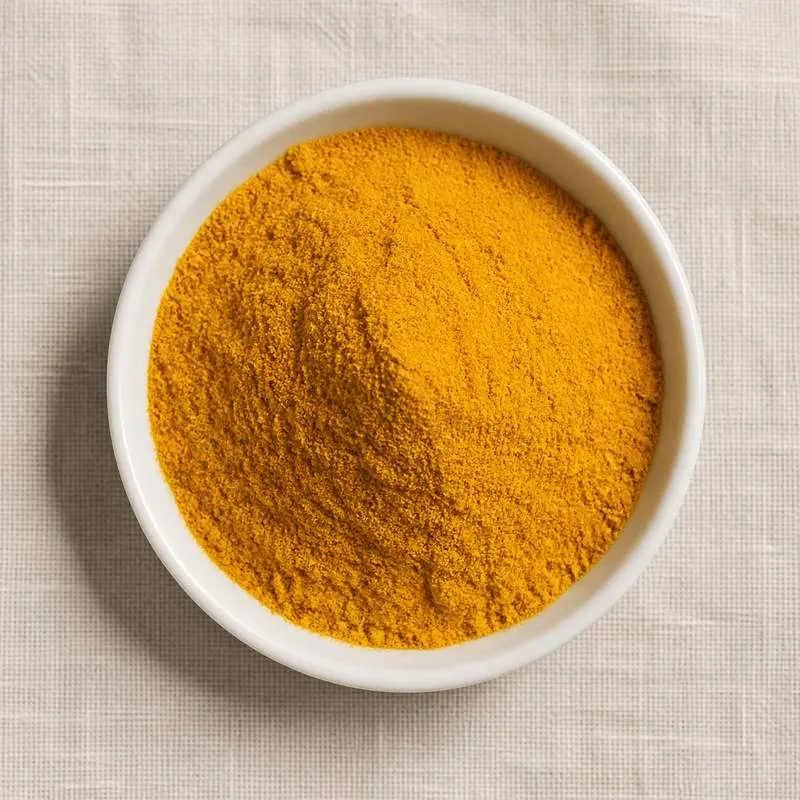
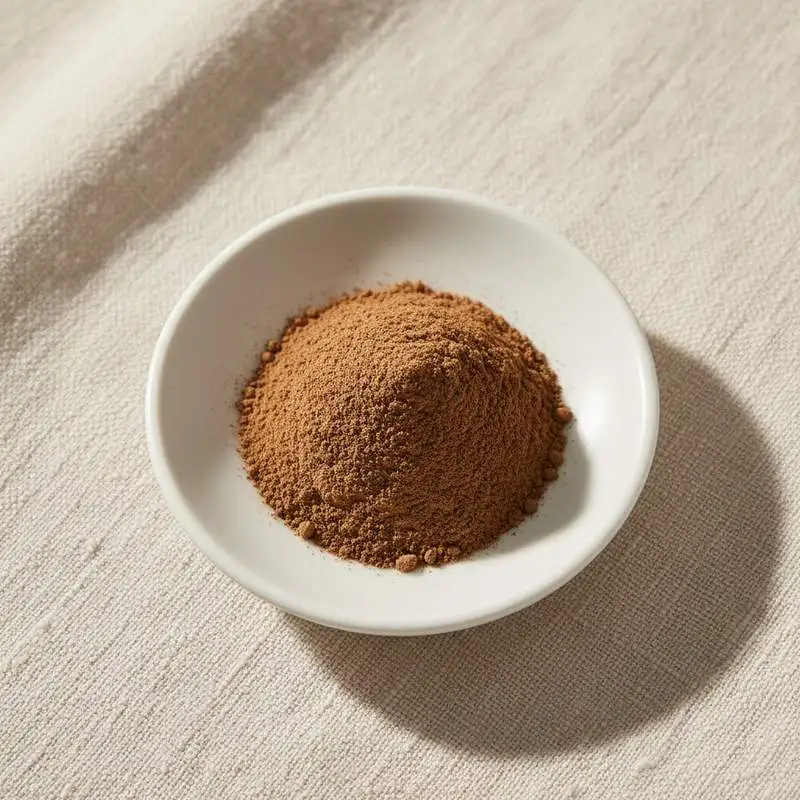
The extract is a light brown to brown fine powder with a faint aromatic odour and a bitter, slightly pungent taste. The biphenyls are lipophilic and practically insoluble in water, dissolving in ethanol, propylene glycol and oils, so the extract disperses rather than dissolves in aqueous systems and high assay grades are formulated in softgels, oil suspensions or solubilised carriers. The material is stable to normal food processing but the phenolic hydroxyls oxidise slowly in air and light, and the powder darkens over long storage, so it is packed in opaque containers with a moisture barrier.
We source bulk Magnolia Bark Extract from top China manufacturers for our partners. The manufacturer is in Guangdong. A smaller requirement can ship in a combined container with other ingredients.
Please send the grade you need, the volume and your destination port, and we will come back with a solution and a price.
or call +86-21-6858 0751
- Function
- Plant extract
Specifications
| Item | Specification |
|---|---|
| Botanical Source | Magnolia officinalis Rehd. et Wils., dried bark |
| Appearance | Light brown to brown fine powder |
| Total Biphenyls by HPLC | ≥ 10.0% |
| Magnolol | Declared individually |
| Honokiol | Declared individually |
| Identification | Conforms by TLC and HPLC to reference extract |
| Loss on Drying | ≤ 5.0% |
| Residual Solvent (Ethanol) | ≤ 5,000 mg/kg |
| Lead | ≤ 2.0 mg/kg |
| Arsenic | ≤ 1.0 mg/kg |
| Total Plate Count | ≤ 10,000 cfu/g |
| Yeast and Mould | ≤ 100 cfu/g |
| E. coli | Negative in 1 g |
| Salmonella | Negative in 25 g |
Common Markets Grades
Grades are quoted on total biphenyls, meaning magnolol plus honokiol, by HPLC. Two percent is the low commodity grade made by simple ethanol extraction; 10 percent is a common supplement grade; 50, 90 and 98 percent grades are made by progressively more chromatographic purification and approach the isolated compounds. Where a specific isomer ratio is required, the individual magnolol and honokiol figures must be specified separately, since a total biphenyl figure says nothing about the split.
Ratio extracts at 10:1 or 20:1 without a marker claim are traded for traditional preparations, as is milled bark powder. Plant part is a real specification point, since root bark carries higher biphenyl levels than branch bark, and species should be stated because Magnolia officinalis and Magnolia obovata differ in profile. Extraction solvent is stated, normally ethanol, since water recovers very little of the target. Solubilised presentations, including cyclodextrin complexes and dispersions on a carrier, are traded separately, and deodorised grades with the volatile fraction stripped are offered for applications where the aromatic note is unwanted.
Applications
- Sleep and relaxation supplements in capsule and softgel form, the largest outlet for the standardised extract
- Stress and cortisol management formulas, often combined with phellodendron bark extract
- Oral care products including chewing gum, mints and mouthwash, where the biphenyls act against oral bacteria
- Weight management supplements, drawing on the magnolia and phellodendron combination
- Digestive and gastrointestinal formulas, reflecting the traditional use of houpo for abdominal fullness
- Traditional Chinese herbal preparations reformulated to a defined marker content for export
- Cosmetic and topical preparations, where the lipophilic biphenyls dissolve readily into the oil phase
- Functional confectionery and breath freshening products
- Companion animal calming supplements
Brands Using Magnolia Bark Extract
Widely-distributed consumer products that list Magnolia Bark Extract on the ingredient label.
- CodeageLiposomal Honokiol+ ↗A liposomal capsule built on an honokiol magnolia bark complex combined with grape seed extract.Label verified 2026-08-31
- UrtekramNettle Anti-Dandruff Shampoo ↗An anti-dandruff shampoo whose description names magnolia bark extract alongside nettle and aloe vera.Label verified 2026-08-31
- UrtekramMint & Green Tea Fluoride Free Toothpaste ↗A fluoride free toothpaste that carries magnolia bark extract as a highlighted ingredient for gum care.Label verified 2026-08-31
Brand names, product names and logos are the property of their owners. They appear here as published evidence that the ingredient is used, taken from the brand's own label or website. Their appearance is not an endorsement, and it does not mean the brand buys from us or from any manufacturer listed on this site.
China Manufacturers of Magnolia Bark Extract
Top Magnolia Bark Extract manufacturers in China.

Company names and logos are the property of the manufacturers themselves. They are listed here because our own directory records them as producing this ingredient. A listing is not an endorsement by them, and we do not represent them or speak on their behalf.
Regulatory Status
In the United States magnolia bark and its extracts are marketed as dietary ingredients under the Dietary Supplement Health and Education Act, with manufacture under 21 CFR Part 111. A magnolia bark extract standardised on magnolol and honokiol has been the subject of a generally recognised as safe conclusion for use in chewing gum and mints at defined levels, which is the basis for the oral care applications; that conclusion is specific to those uses and is not a general food clearance. Structure and function claims are permitted, disease claims are not.
In the European Union magnolia bark has no significant history of food consumption before May 1997, so magnolia bark extracts fall within the scope of the novel food Regulation and require authorisation before being placed on the market as a food or food supplement ingredient. The Commission novel food catalogue records the position for the species. No health claim for magnolia appears on the EU register of authorised claims. Regulation (EC) No 1223/2009 governs cosmetic use and requires a safety assessment rather than authorisation for an extract of this type. Neither JECFA nor Codex has evaluated the material or published a specification, and there is no European Pharmacopoeia monograph, so buyers rely on supplier monographs and on the Chinese Pharmacopoeia assay methods for magnolia bark.
Manufacturing Process
Production starts with dried bark, stripped from cultivated trees at least fifteen years old, sweated and dried in the traditional manner before sale, then inspected, tested for identity and milled to a coarse powder at the extraction plant. Extraction is by countercurrent percolation or reflux with ethanol at 70 to 95 percent, because the biphenyls are practically insoluble in water and are recovered almost entirely by alcohol. Where the volatile fraction is wanted, it is stripped from the first extract under vacuum and held for return, or the bark is steam distilled separately before extraction.
The liquor is filtered and the ethanol recovered under vacuum, leaving a resinous crude extract of low biphenyl content. Enrichment is by macroporous adsorption resin: the crude concentrate is loaded onto the resin in dilute alcohol, washed to strip tannins, sugars and the alkaloid fraction, then eluted with high strength ethanol to release the biphenyls. Repeating or extending this step is what takes a 2 percent extract to 10, 50 or 90 percent. The eluate is concentrated under vacuum at moderate temperature, standardised by blending against reference material or with a carrier such as maltodextrin or microcrystalline cellulose, then spray dried or vacuum belt dried, milled, sieved and packed in opaque containers with a moisture barrier. Grades above 90 percent are finished by recrystallisation rather than by drying onto a carrier.