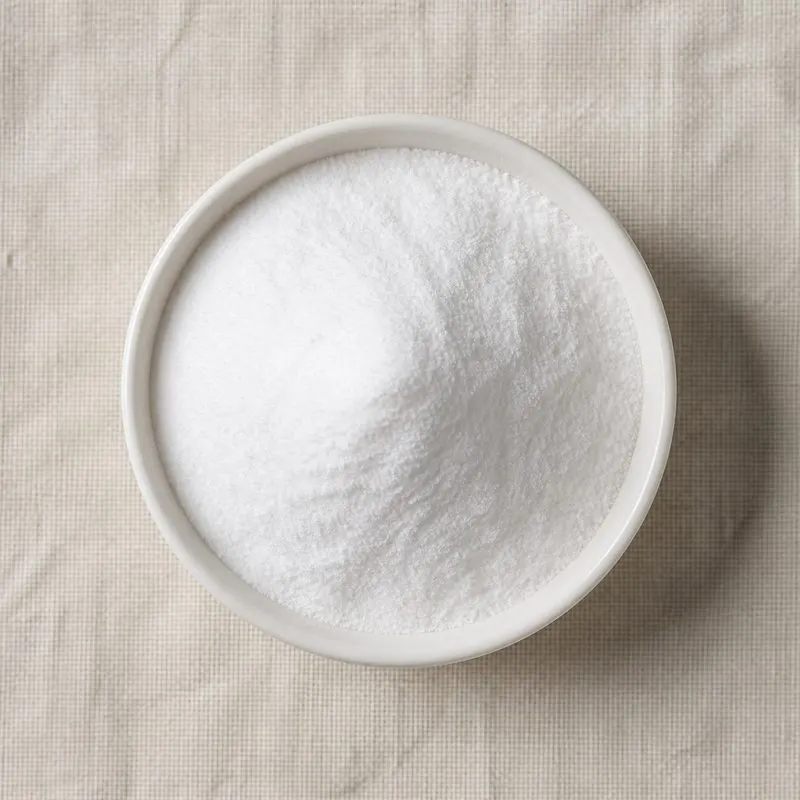
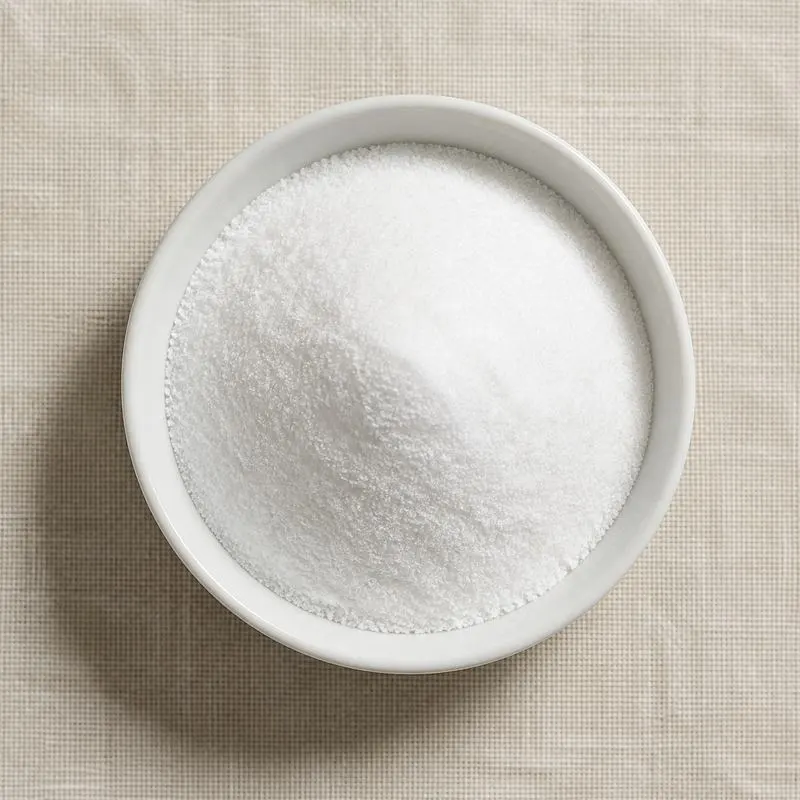
Maltose Oligosaccharides
Maltose Oligosaccharides are a controlled mixture of α-(1,4)-linked glucose oligomers spanning degrees of polymerisation from two to roughly six, produced by the partial enzymatic hydrolysis of cornstarch, tapioca starch, or wheat starch.
The mixture is mildly sweet, around 30 to 50 percent the sweetness of sucrose, and carries the smooth, clean profile of maltose with a long, slow finish that suits beverages, bakery, and frozen desserts.
We source bulk Maltose Oligosaccharides from top China manufacturers for our partners. The manufacturer is in Hebei. A smaller requirement can ship in a combined container with other ingredients.
Please send the grade you need, the volume and your destination port, and we will come back with a solution and a price.
or call +86-21-6858 0751
- Packaging
- 250 kg plastic drum or 1,000 kg IBC tote
- ISO 9001
- HACCP
- Halal
- Kosher
Specifications
| Item | Specification |
|---|---|
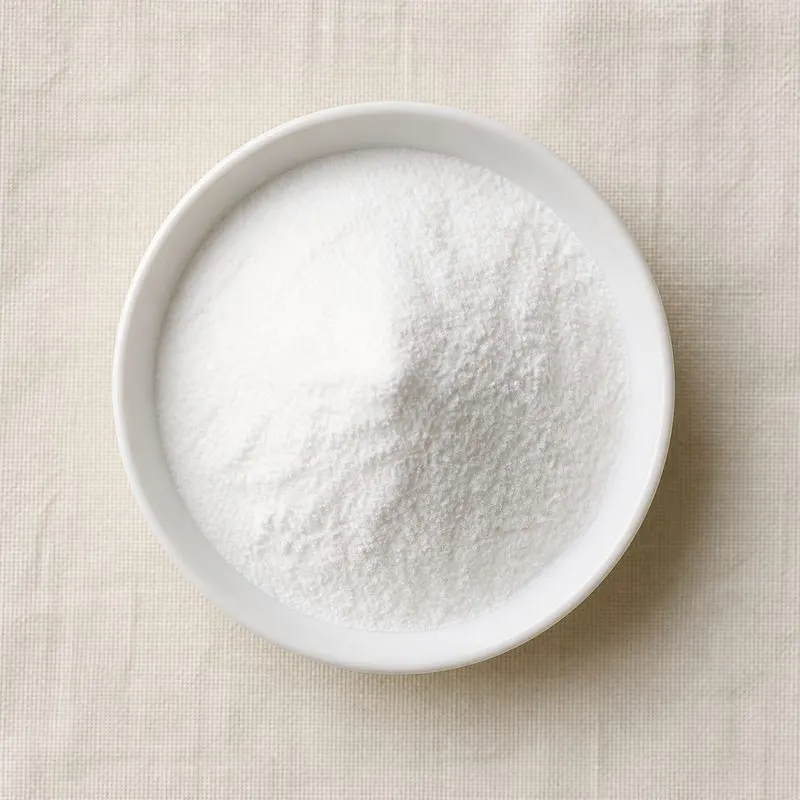
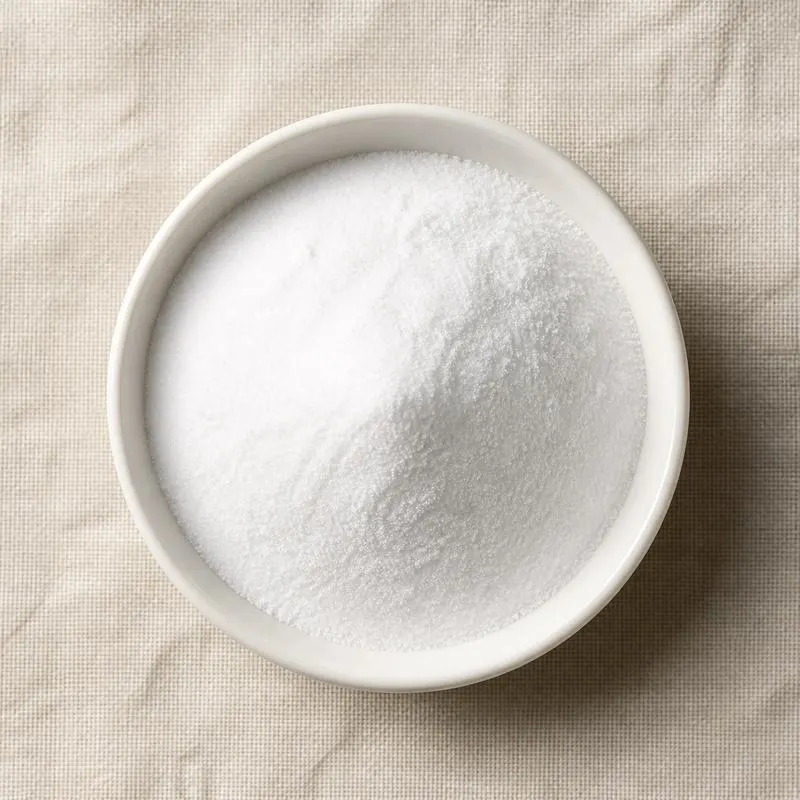
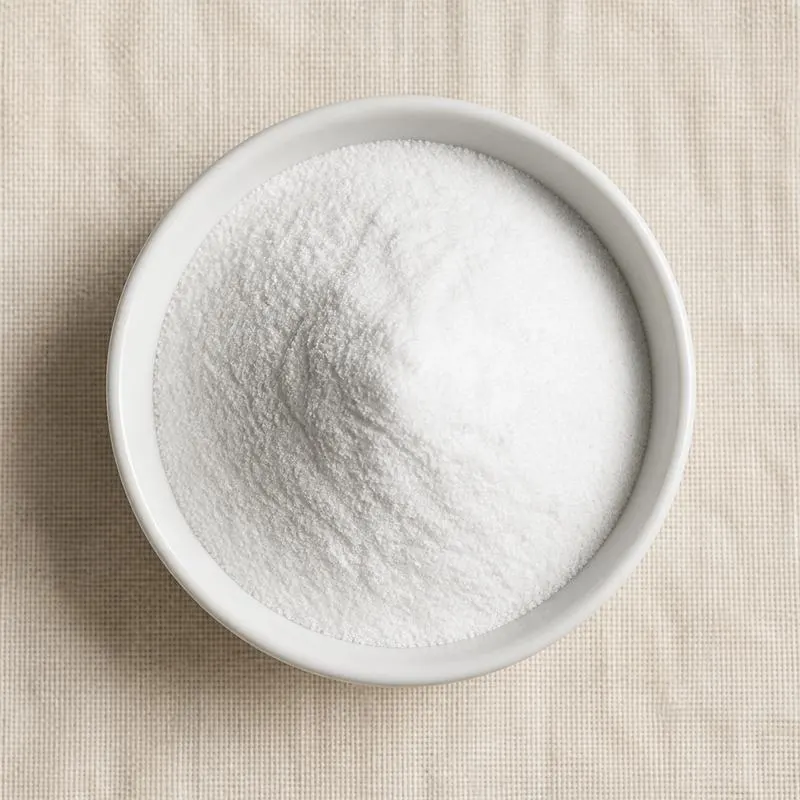
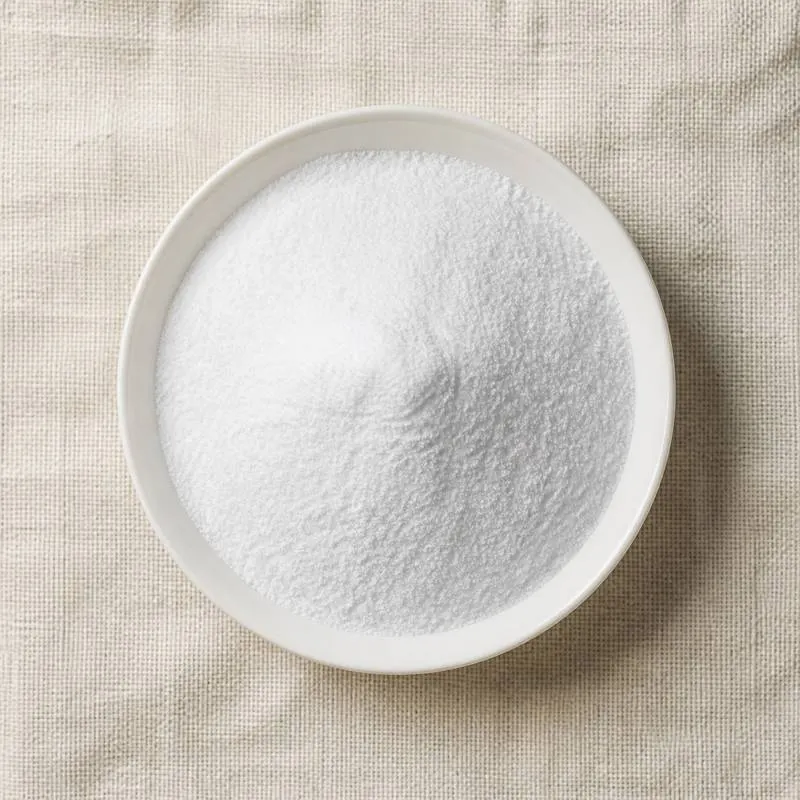
| Appearance | White powder or clear syrup |
| Oligo Content (DP 2–7) | ≥90% (dry basis) |
| Brix (syrup) | 75–80% |
| DE (Dextrose Equivalent) | 30–60 |
| Moisture (powder) | ≤5.0% |
| pH (10% sol.) | 4.5–6.5 |
| Sulphated Ash | ≤0.3% |
| SO₂ | ≤40 mg/kg |
| Heavy Metals (as Pb) | ≤0.5 mg/kg |
| Arsenic | ≤0.5 mg/kg |
| Total Plate Count | ≤1,000 cfu/g |
| Salmonella | Absent in 25g |
Common Markets Grades
Maltose Oligosaccharides are specified by Dextrose Equivalent (DE), maltose content, and oligosaccharide profile.
A standard high-maltose syrup at DE 40 to 50 contains 50 to 70 percent maltose with the remainder split between maltotriose and higher oligomers, and goes out as a clear viscous syrup at 75 to 78 degrees Brix.
A spray-dried powder grade at DE 18 to 22 is produced for bakery, confectionery, and dry-blend nutritional products that need a free-flowing carrier with mild sweetness and low hygroscopicity.
An extra-high-maltose syrup at DE 50 to 60 with maltose content above 80 percent is produced for brewing, hard candy, and fermentation feedstocks.
All grades are clear of free dextrose down to specified limits and meet pharmacopoeial requirements for sulfated ash, heavy metals, and microbiological purity.
Applications
- Hard candy, lollipops, and pulled sugar where low hygroscopicity prevents stickiness
- Bakery products including bread, biscuits, and pastry for crust colour and moistness
- Frozen desserts and ice cream for body and freeze-point control
- Sports drinks and electrolyte beverages as a slow-release carbohydrate
- Infant and clinical nutrition formulas as a digestible carbohydrate source
- Brewing as a fermentable adjunct for pale ales and lagers
- Asian confectionery including mochi, dorayaki, and traditional rice candies
- Spray-dried flavour and colour carriers for instant beverage powders
- Energy gels and chews for endurance athletes
- Pharmaceutical tablet coatings and syrup bases
- Sauces, glazes, and barbecue marinades for gloss and adhesion
- Meat processing for browning, glaze, and moisture retention
China Manufacturers of Maltose Oligosaccharides
Top Maltose Oligosaccharides manufacturers in China.

Company names and logos are the property of the manufacturers themselves. They are listed here because our own directory records them as producing this ingredient. A listing is not an endorsement by them, and we do not represent them or speak on their behalf.
How We Help Source Maltose Oligosaccharides
Direct Factory Sourcing
We run the whole process: selecting the manufacturer from the top Chinese food ingredient producers, negotiating the price, verifying quality, and coordinating the logistics. You deal with us instead of with several factories at once.
Original Packaging and Documents from the Manufacturer
The manufacturer sends your Maltose Oligosaccharides out of its own factory in the original packing, through to your destination port. The COA, COO, MSDS, TDS and any certifications reach you from the manufacturer as well.
Free Samples and Lead Time
We send 100 to 500 g free for your own laboratory to test and you cover only the courier, usually within 2 to 3 working days. ETD is usually within 7 to 15 days once the order is confirmed, and we check that date against the factory's own manufacturing schedule before we give it to you.
Combined Shipment
We can load Maltose Oligosaccharides together with other ingredients such as Stevia, Erythritol and Maltitol into one 20' FCL. If your quantity is small, we can also ship LCL.
Regulatory Status
Maltose Oligosaccharides are treated as starch hydrolysate ingredients in most regulated markets and do not require an additive number.
In the United States they are GRAS as conventional food ingredients under starch hydrolysate provisions, and the FDA recognises high-maltose corn syrup as a standard food.
In the European Union they fall under glucose syrup and dried glucose syrup definitions in Council Directive 2001/111/EC, with composition limits on Dextrose Equivalent.
JECFA and Codex Alimentarius cover starch hydrolysates under general specifications for sweeteners and carriers. Kosher, Halal, and Non-GMO Project verifications are routinely available depending on the starch source.
Manufacturing Process
Production begins with a clean food-grade starch slurry, typically from corn, wheat, tapioca, or potato.
The slurry is gelatinized at 95 to 105 degrees Celsius and then liquefied with a thermostable α-amylase, which cleaves the long amylose and amylopectin chains into short dextrins. This step is stopped at a low Dextrose Equivalent of around 10 to ensure that subsequent saccharification favors maltose rather than glucose.
The liquefied dextrin solution is cooled to 55 to 60 degrees Celsius and saccharified with a maltogenic enzyme system, usually β-amylase paired with a debranching pullulanase. The β-amylase cleaves maltose units from the non-reducing ends of the dextrins, while pullulanase hydrolyses the α-(1,6) branch points that otherwise block β-amylase action.
The reaction is held until the target maltose content is reached, then heat-stopped. The hydrolysate is refined by carbon decolorisation, ion exchange demineralization, and evaporation, yielding either a clear syrup or, after spray drying, a free-flowing powder.