Marigold Lutein And Zeaxanthin
Marigold lutein and zeaxanthin is a paired xanthophyll preparation in which both carotenoids are declared and controlled to a stated ratio, produced from the flower of Tagetes erecta.
The two compounds are structural isomers of formula C40H56O2 and differ only in the position of one double bond in the terminal ring, lutein carrying a beta and an epsilon ring and zeaxanthin two beta rings. That single difference is why zeaxanthin can be made from lutein by base catalysed double bond migration, which is how most of the zeaxanthin in these preparations is obtained, since the marigold flower itself supplies only a few percent of it. Both are fat soluble, deep yellow to orange, and readily oxidised.
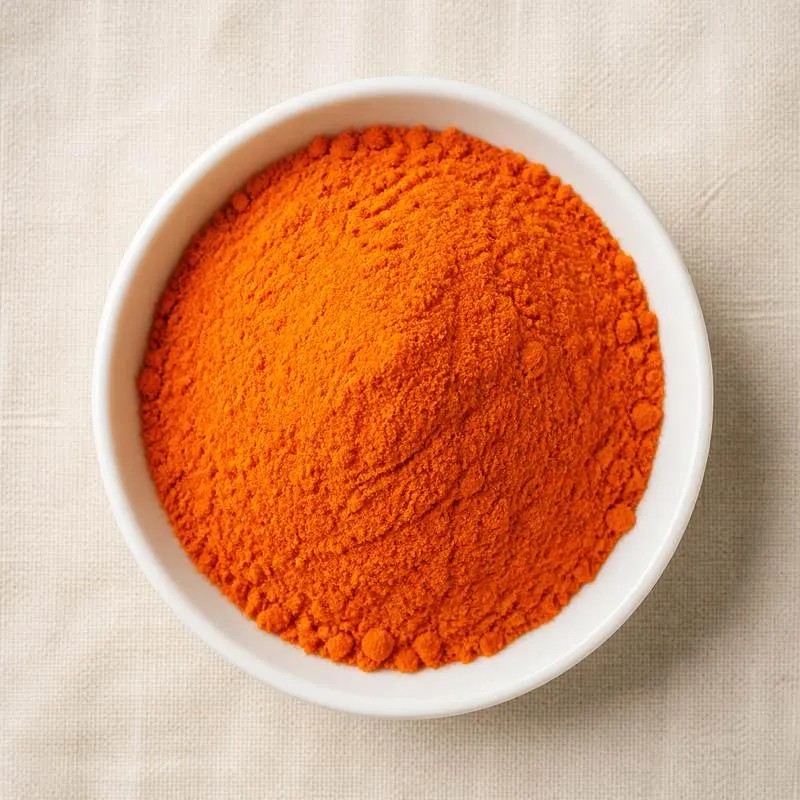
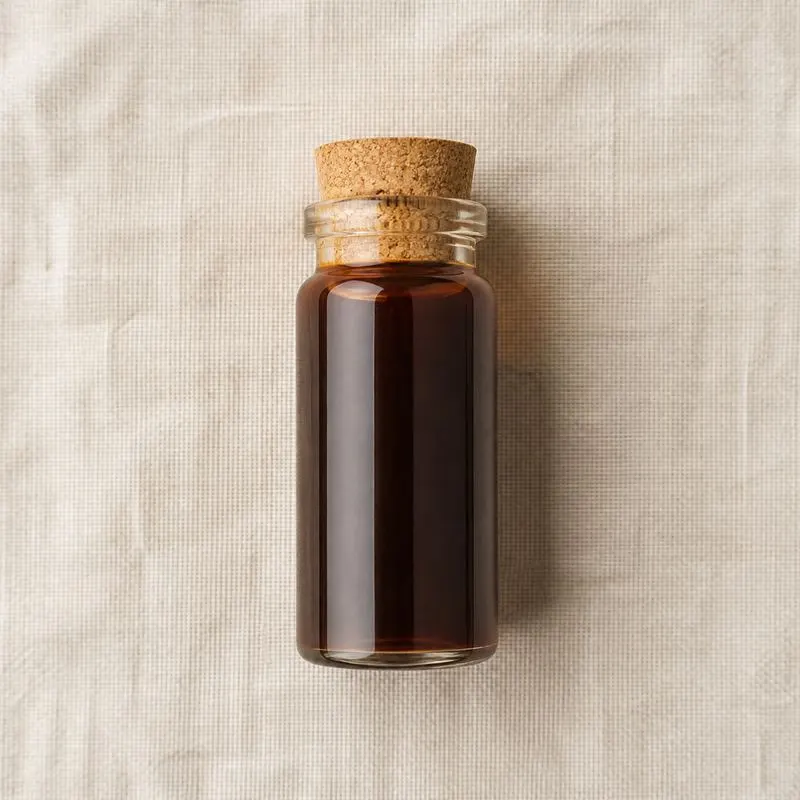
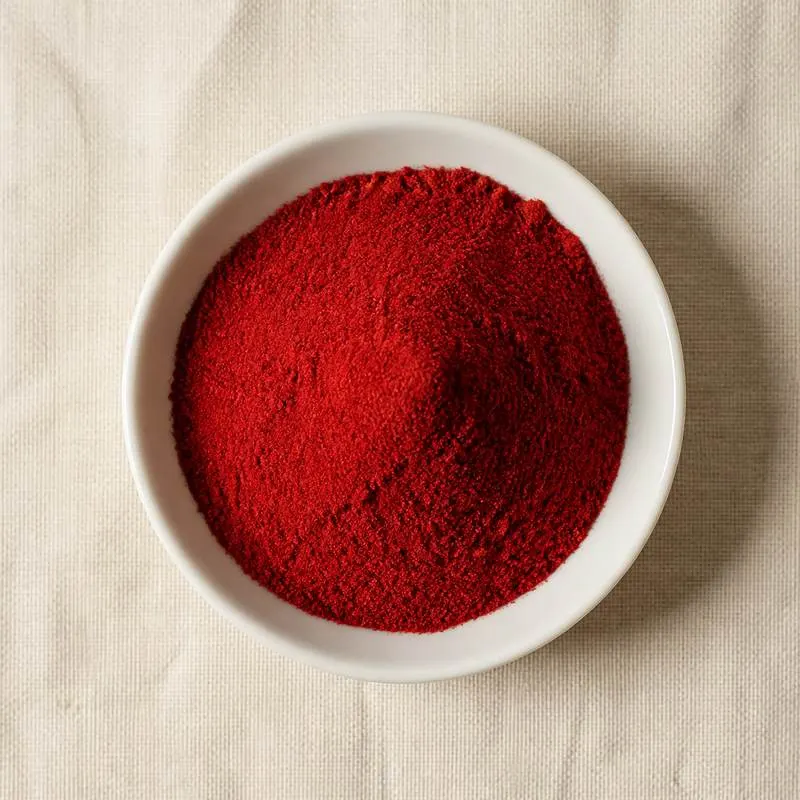
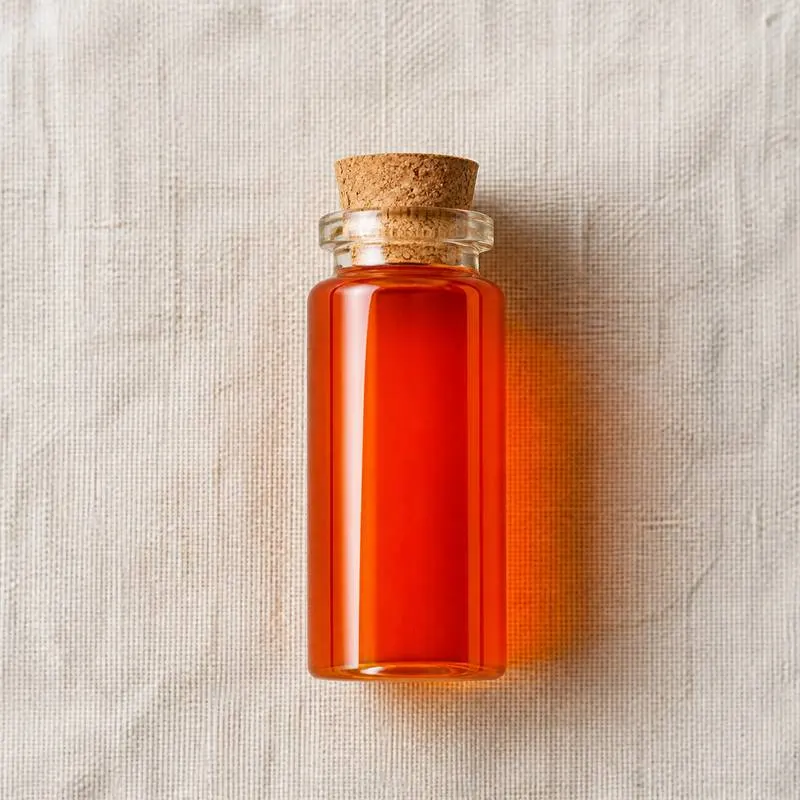
The pair is traded mainly for supplement and functional food use, where the declared ratio is the point of the product rather than the colour. Material comes as an oil suspension for soft capsules, as crystalline powder for tablets and hard capsules, and as a cold water dispersible beadlet for beverages and powder blends. In every form the carotenoids sit in a protected oil phase with tocopherol and ascorbyl palmitate, because the free crystals lose assay quickly on exposure to air and light.
We source bulk Marigold Lutein And Zeaxanthin from top China manufacturers for our partners. The manufacturer is in Liaoning. A smaller requirement can ship in a combined container with other ingredients.
Please send the grade you need, the volume and your destination port, and we will come back with a solution and a price.
or call +86-21-6858 0751
- Function
- Colorant
Specifications
| Item | Specification |
|---|---|
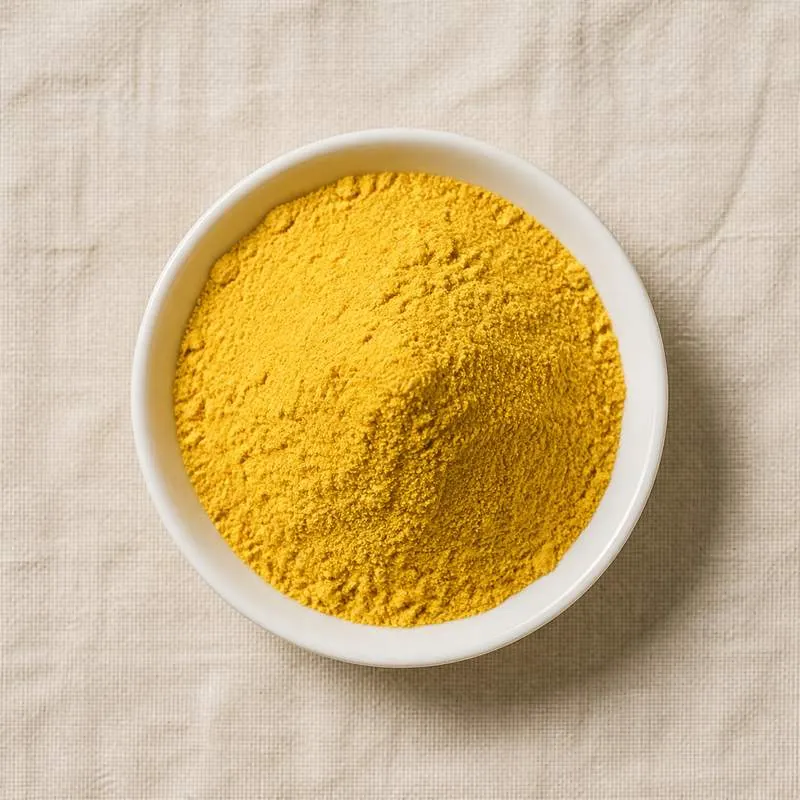
| Appearance | Orange to orange red crystalline powder |
| Total Carotenoids | ≥ 80.0% by spectrophotometry |
| Lutein | ≥ 70.0% by HPLC |
| Zeaxanthin | 13.0 to 16.0% by HPLC |
| Identification | HPLC retention times and UV spectra match reference standards |
| Loss on Drying | ≤ 2.0% |
| Sulphated Ash | ≤ 1.0% |
| Residual Hexane | ≤ 25 mg/kg |
| Residual Ethanol | ≤ 1,000 mg/kg |
| Lead | ≤ 1.0 mg/kg |
| Arsenic | ≤ 1.0 mg/kg |
| Total Plate Count | ≤ 1,000 cfu/g |
| Yeast and Mould | ≤ 100 cfu/g |
| Salmonella | Absent in 25 g |
Common Markets Grades
Grades are named by the ratio and the total carotenoid content. A five to one lutein to zeaxanthin ratio is the most widely traded, with ten to one and twenty to one also standard and higher zeaxanthin ratios produced for specific formulations. Total carotenoid content is offered at 5, 10 and 20 percent in cold water dispersible beadlets, at 20 percent in an oil suspension, and at 70 percent or above as a crystalline concentrate.
A second split is between free and esterified forms. Saponified grades deliver both carotenoids as free alcohols and are the norm for supplement use, while ester grades retain the natural diesters. Where the zeaxanthin is produced by isomerisation the material is the RR,RR stereoisomer, and grades sourced from paprika or from fermentation are specified separately when a particular isomer profile is required. Beadlets intended for acid beverages carry a cross linked matrix, and tablet grades hold a controlled particle size for direct compression.
Applications
- Tablet and hard capsule supplements formulated around a declared lutein to zeaxanthin ratio
- Soft gelatin capsules, in which the oil suspension is filled directly into the shell
- Gummy and chewable supplements, where the beadlet is dosed into the hot pectin or gelatin mass
- Functional beverages and shots, using the cold water dispersible form to avoid an oil ring
- Nutritional powder blends, meal replacements and instant drink mixes
- Infant and follow on formula in markets that permit the carotenoids as a nutritional addition
- Dairy and yoghurt drinks, where the beadlet disperses into the pasteurised base
- Fortified bakery and snack products where a dry, heat tolerant form is required
- Pet food and premium pet supplement formats
Brands Using Marigold Lutein And Zeaxanthin
Widely-distributed consumer products that list Marigold Lutein And Zeaxanthin on the ingredient label.
- CodeageAmen Eyes Lutein Zeaxanthin ↗An eye health capsule whose lutein and zeaxanthin are stated to be sourced from marigold extract, with red beet root and black pepper fruit extract.Label verified 2026-08-31
- Oregon's Wild HarvestEyes Love Lutein Capsules ↗The ingredient list names lutein and zeaxanthin from marigolds, providing 10 mg lutein and 2 mg zeaxanthin per capsule.Label verified 2026-08-31
- Country LifeLutein 20 mg ↗A lutein and zeaxanthin capsule whose page identifies marigold as the botanical source of the carotenoids.Label verified 2026-08-31
- Nature's WayLutein ↗A lutein softgel whose supplement facts identify marigold flower as the source of the carotenoid.Label verified 2026-08-31
Brand names, product names and logos are the property of their owners. They appear here as published evidence that the ingredient is used, taken from the brand's own label or website. Their appearance is not an endorsement, and it does not mean the brand buys from us or from any manufacturer listed on this site.
China Manufacturers of Marigold Lutein And Zeaxanthin
Top Marigold Lutein And Zeaxanthin manufacturers in China.
Company names and logos are the property of the manufacturers themselves. They are listed here because our own directory records them as producing this ingredient. A listing is not an endorsement by them, and we do not represent them or speak on their behalf.
Regulatory Status
In the European Union lutein is authorised as the food colour E161b, obtained from Tagetes erecta, and both lutein and zeaxanthin are permitted sources of nutrients in food supplements under the framework Directive on food supplements. Zeaxanthin does not have a current authorisation as a food colour, so a preparation sold on its zeaxanthin content is placed as a nutrient rather than as a colouring additive. Synthetic zeaxanthin was authorised as a novel food for supplement use, and preparations relying on it are used within the conditions of that authorisation.
In the United States neither carotenoid has a general food colour additive listing. Lutein esters and free lutein from marigold, and zeaxanthin obtained by isomerisation of marigold lutein, are used in food and supplements on the basis of generally recognised as safe determinations notified to the Food and Drug Administration and as dietary ingredients, and are declared as nutrients. The Tagetes listing at 21 CFR 73.295 is limited to chicken feed. JECFA has evaluated lutein from Tagetes erecta and published specifications, and has separately considered zeaxanthin.
Manufacturing Process
Ensiled and dried marigold flower pellets are extracted with hexane and the miscella is stripped under vacuum to give the oleoresin, in which both carotenoids are present as fatty acid diesters. The oleoresin is saponified with potassium hydroxide in alcohol, which frees the alcohols, and the mass is cooled to crystallise the mixed xanthophylls. The crystals are separated, washed with water and alcohol to remove soaps and alkali, and dried.
Zeaxanthin is then generated from part of the lutein by a controlled alkaline isomerisation, which shifts the epsilon ring double bond into conjugation, and the reaction is stopped when the target ratio is reached. The isomerised material is recrystallised and analysed by liquid chromatography, and lots are blended against assay to hit the declared lutein to zeaxanthin ratio. For dispersible forms the blended crystals are milled into carrier oil with antioxidants, emulsified at high pressure into a modified starch or gum acacia solution, spray dried and sieved. Finished powders are packed under nitrogen in light proof drums.