Marigold Oleoresin
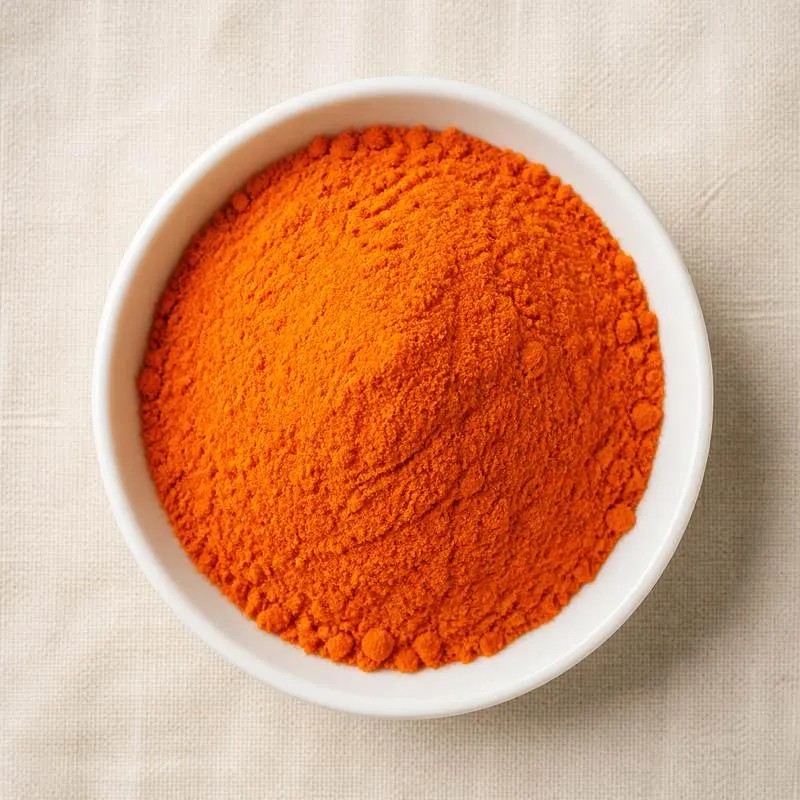
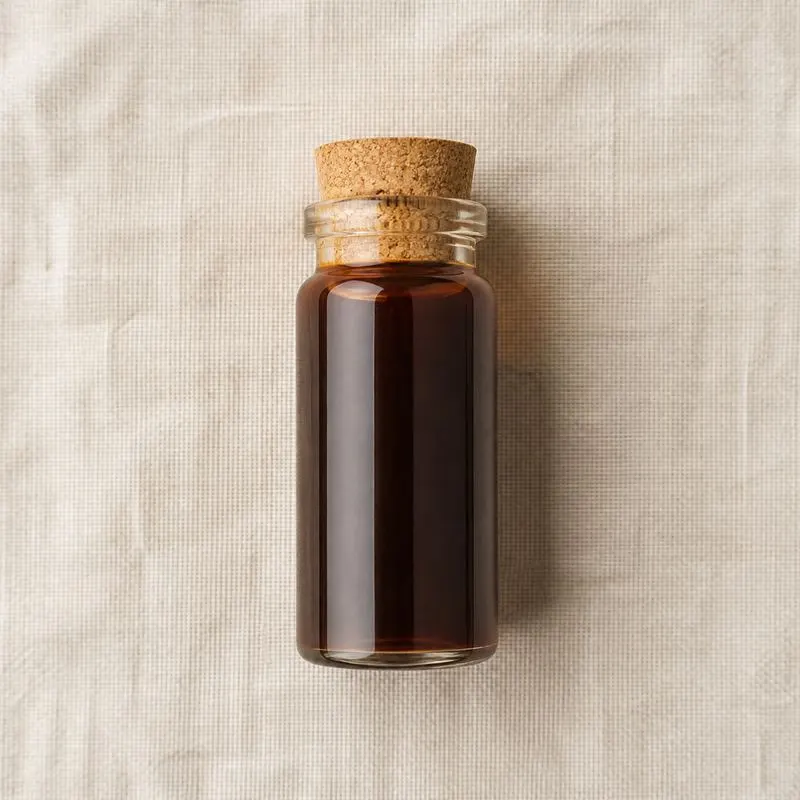
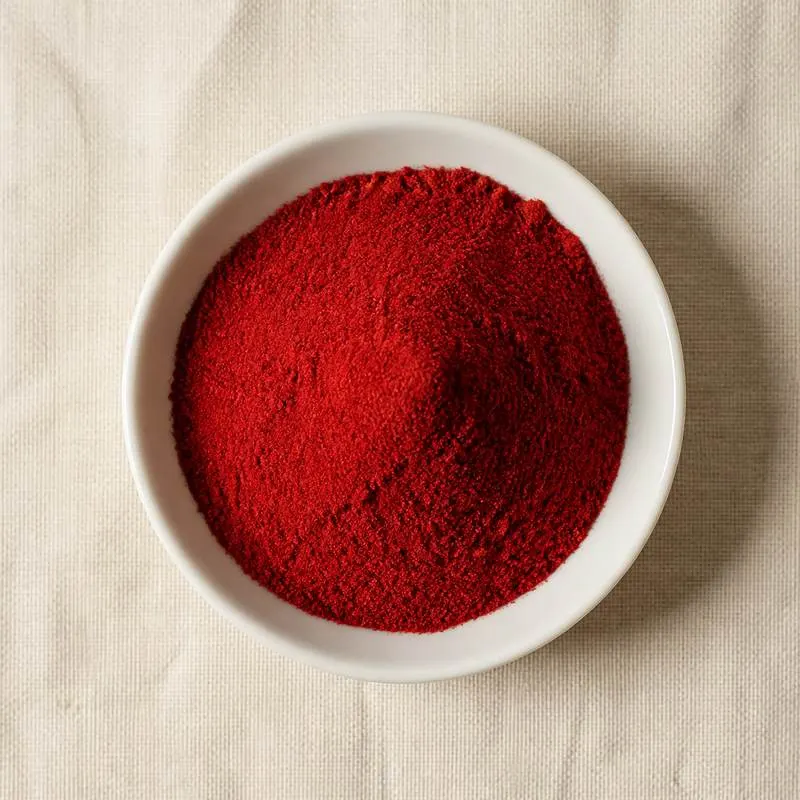
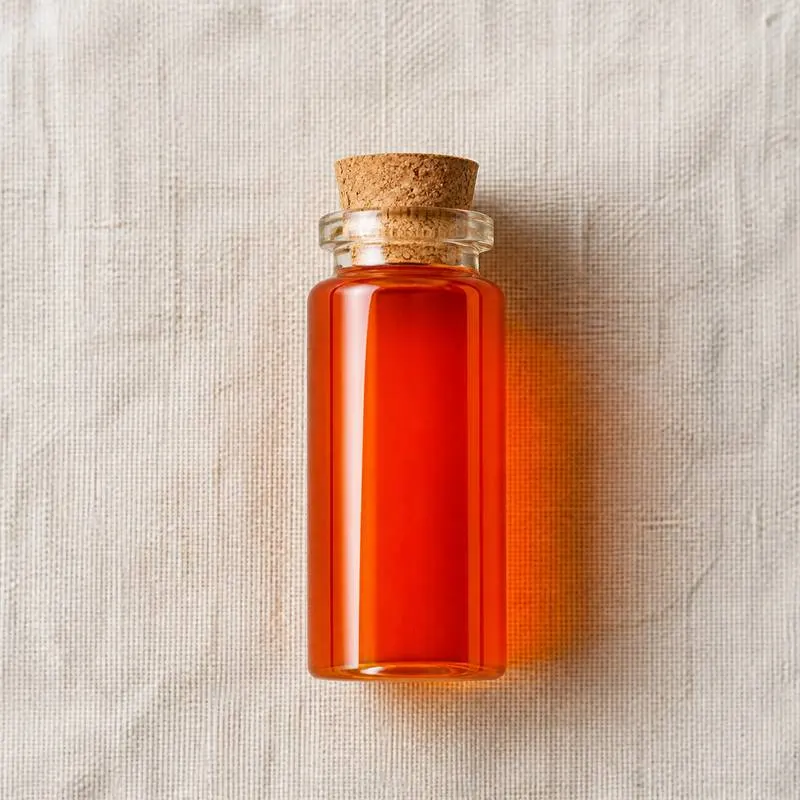
Marigold Oleoresin is a dark orange to deep red viscous extract pressed from the dried petals of Tagetes erecta, the Aztec or African marigold. It is the main commercial source of the xanthophyll carotenoids lutein and zeaxanthin.
The crude oleoresin carries roughly 5 to 20 percent total xanthophylls, present mainly as fatty-acid diesters of lutein. Saponification converts those esters into free lutein, the form used in eye-health supplements and in most food-colour applications.
We source bulk Marigold Oleoresin from top China manufacturers for our partners, working with several of them. The manufacturers are mostly in Shandong and Hebei. For this ingredient the minimum order is 100 kg, and a smaller requirement can ship in a combined container with other ingredients.
Please send the grade you need, the volume and your destination port, and we will come back with a solution and a price.
or call +86-21-6858 0751
- Minimum order
- 100 kg
- Packaging
- 25 kg galvanised drum, nitrogen blanketed
- ISO 9001
- HACCP
- Halal
- Kosher
Specifications
| Item | Specification |
|---|---|
| Appearance | Dark orange to deep red viscous paste |
| Total Xanthophylls (HPLC) | 5.0-20.0% (grade-dependent) |
| Lutein (as fatty-acid diester, HPLC) | ≥ 80% of total xanthophylls |
| Zeaxanthin (HPLC) | 3-6% of total xanthophylls |
| Saponification State | Unsaponified; xanthophylls present as diesters |
| Acid Value | ≤ 10 mg KOH/g |
| Peroxide Value | ≤ 10 meq/kg |
| Moisture | ≤ 5.0% |
| Residual Solvent (as hexane) | ≤ 25 mg/kg |
| Specific Gravity (25°C) | 0.95-1.05 |
| Heavy Metals (as Pb) | ≤ 10 mg/kg |
| Lead (as Pb) | ≤ 2 mg/kg |
| Arsenic (as As) | ≤ 3 mg/kg |
| Total Plate Count | ≤ 1,000 cfu/g |
| Salmonella | Negative/25g |
Common Markets Grades
Trade grades are defined by total xanthophyll content and ester status.
Crude oleoresin at 5 to 8 percent total xanthophylls is the bulk feedstock for animal-feed pigmentation, particularly for laying hens and broilers.
Saponified oleoresin standardised to 20, 30, or 40 percent free lutein is the food-colour grade, sold either as an oil suspension or as a water-dispersible emulsion at 1 to 10 percent active.
Purified lutein crystals at 70 to 90 percent assay, with defined zeaxanthin ratios (typically 5:1 lutein to zeaxanthin), are the standard dietary-supplement format for macular health products.
Beadlet and microencapsulated cold water dispersible grades at 5 percent and 10 percent extend the range into clear beverages and confectionery, where oil suspensions would cloud the matrix.
Applications
- Layer-hen feed for deep yellow egg-yolk pigmentation, the largest single end use by volume
- Broiler feed to enrich skin and shank colour in markets that prefer yellow-skinned poultry
- Aquaculture feed for trout and ornamental koi, where xanthophylls reinforce flesh and scale colour
- Dietary supplements for macular and retinal health, sold as softgels and chewable tablets
- Multivitamin and eye-health blends combining lutein with zeaxanthin, zinc, and vitamin C
- Pasta, noodles, and dough products for a buttery yellow tone without added egg
- Bakery fillings, custards, and frostings as a natural alternative to synthetic yellows
- Dairy: yogurt, ice cream, and processed-cheese spreads in pale-yellow applications
- Beverages: vitamin waters, smoothies, and fruit-juice blends in water-dispersible format
- Confectionery: hard candies, gummies, and panned coatings for yellow shades
- Sauces, dressings, and soup bases for golden hues
- Pet food and treats for colour stability and visual appeal
Brands Using Marigold Oleoresin
Widely-distributed consumer products that list Marigold Oleoresin on the ingredient label.
- Eggland's BestEggland's Best Eggs ↗Brand FAQ states marigold (along with alfalfa and corn) added to EB feed increases the lutein content; eggs supply 200mcg lutein each.Label verified 2026-05-24
- Eggland's BestEggland's Best Eggs (lutein content claim) ↗Brand article: EB eggs have 38% more lutein than ordinary eggs, sourced via marigold-enriched hen feed.Label verified 2026-05-24
- Nature MadeNature Made Lutein & Zeaxanthin Gummies ↗Contains 20 mg lutein and 4 mg zeaxanthin isomers from Lutemax 2020 Aztec Marigold Flower Extract.Label verified 2026-05-24
- NOW FoodsNOW Lutein Double Strength 20 mg Veg Capsules ↗Product page states lutein is naturally derived from marigold flowers.Label verified 2026-05-24
- NOW FoodsNOW Lutein 10 mg Softgels ↗Lutein supplement derived from marigold flower extract.Label verified 2026-05-24
Brand names, product names and logos are the property of their owners. They appear here as published evidence that the ingredient is used, taken from the brand's own label or website. Their appearance is not an endorsement, and it does not mean the brand buys from us or from any manufacturer listed on this site.
China Manufacturers of Marigold Oleoresin
Top Marigold Oleoresin manufacturers in China.
 Chenguang Biotech Group Co., Ltd.12 ingredients in the directory
 Qingdao Borong Biotechnology Co., Ltd.10 ingredients in the directory
 Qingdao Scitech Biotech Co., Ltd.11 ingredients in the directory
- Yunnan Yuanfeng Scitech Co., Ltd.1 ingredient in the directory
Company names and logos are the property of the manufacturers themselves. They are listed here because our own directory records them as producing this ingredient. A listing is not an endorsement by them, and we do not represent them or speak on their behalf.
How We Help Source Marigold Oleoresin
Direct Factory Sourcing
We run the whole process: selecting the manufacturer from the top Chinese food ingredient producers, negotiating the price, verifying quality, and coordinating the logistics. You deal with us instead of with several factories at once.
Original Packaging and Documents from the Manufacturer
The manufacturer sends your Marigold Oleoresin out of its own factory in the original packing, through to your destination port. The COA, COO, MSDS, TDS and any certifications reach you from the manufacturer as well.
Free Samples and Lead Time
We send 100 to 500 g free for your own laboratory to test and you cover only the courier, usually within 2 to 3 working days. ETD is usually within 7 to 15 days once the order is confirmed, and we check that date against the factory's own manufacturing schedule before we give it to you.
Combined Shipment
We can load Marigold Oleoresin together with other ingredients such as Beta Carotene, Caramel Colour and Lycopene into one 20' FCL. If your quantity is small, we can also ship LCL.
Regulatory Status
Marigold-derived xanthophylls are accepted as food colours and as nutritional ingredients in most regulated markets.
In the European Union, lutein from Tagetes erecta is listed as E161b. Zeaxanthin from synthetic and fermentation sources sits under separate novel-food authorisations.
The U.S. Food and Drug Administration permits Tagetes meal and extract as a colour additive for poultry feed under 21 CFR 73.295. Lutein for human food and supplement use is marketed under self-affirmed GRAS notices, several of which have received no-objection letters from the agency.
JECFA has evaluated lutein from Tagetes erecta and assigned it acceptable status for food-colour use. Pharmacopoeial monographs for lutein appear in the USP under the dietary-supplement compendium.
Manufacturing Process
Production begins in the field with cultivar selection. High-xanthophyll Tagetes erecta hybrids are grown in southern India, Mexico, Peru, and parts of China, with India dominating planted area.
Petals are hand-picked at peak bloom, sun-dried or mechanically dried, then ground into a meal. Solvent extraction with hexane recovers the lipid fraction that carries the xanthophyll esters, after which the solvent is stripped under vacuum to leave the crude oleoresin.
For food and supplement grades, the crude oleoresin is saponified with potassium or sodium hydroxide in propylene glycol or aqueous alcohol. Saponification hydrolyses the fatty-acid esters and releases free lutein, which is then washed, crystallised, and dried.
Purified lutein crystals are obtained by repeated recrystallisation from alcohol or acetone. The final material is blended with carrier oil or formulated into beadlets to standardise the assay.