Menadione Nicotinamide Bisulfite
Menadione Nicotinamide Bisulfite is a double salt in which the menadione bisulphite addition compound is paired with nicotinamide in place of sodium, giving a single crystalline material that carries both vitamin K3 and vitamin B3 activity.
The bisulphite adds across one of the quinone double bonds of menadione, and nicotinamide takes the cationic position in the resulting salt. Substituting the organic base for sodium changes the practical behaviour in two ways that matter to a feed formulator. Solubility in water drops sharply compared with the sodium salt, and stability in a compound premix rises, because the derivative is markedly less vulnerable to the choline chloride and the copper, iron and zinc salts that destroy menadione sodium bisulphite during storage.
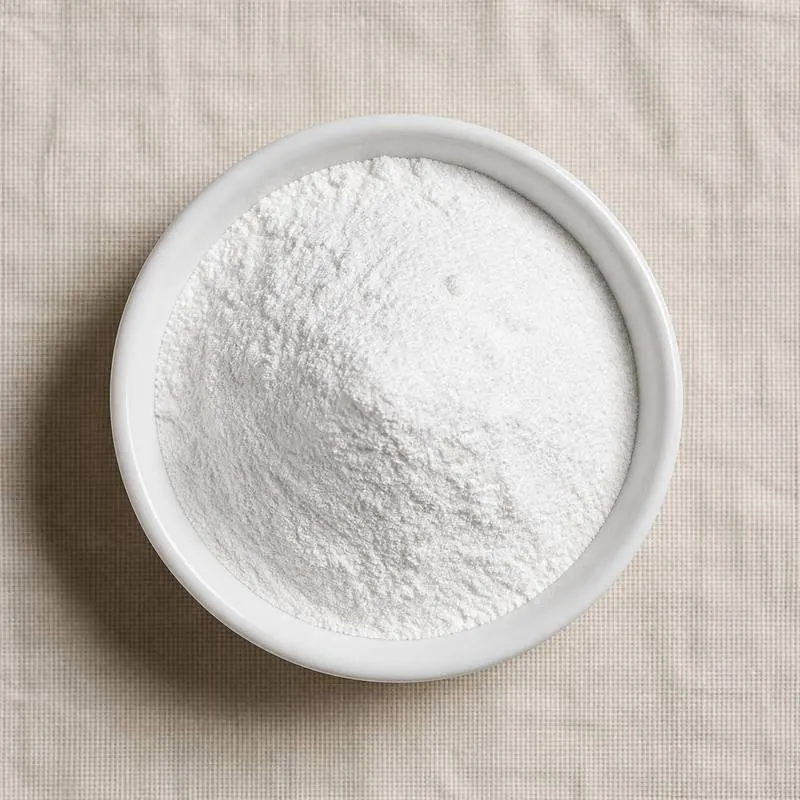
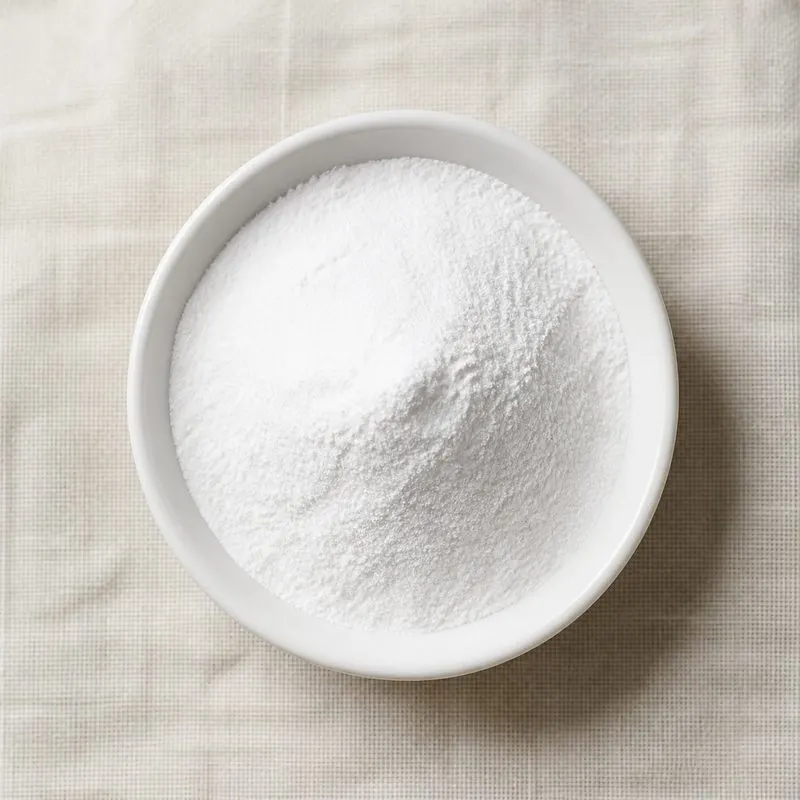
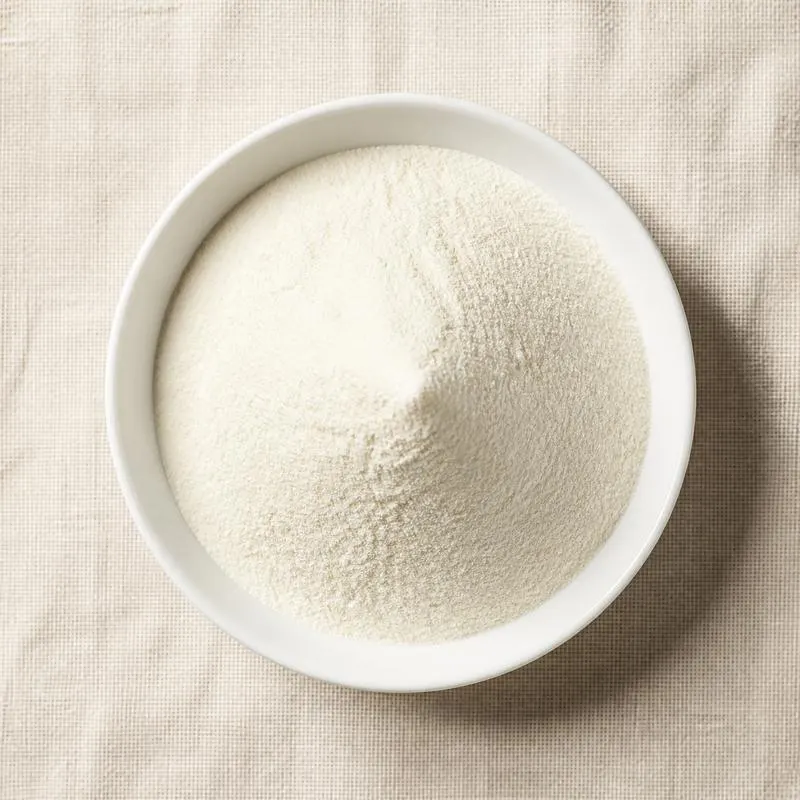
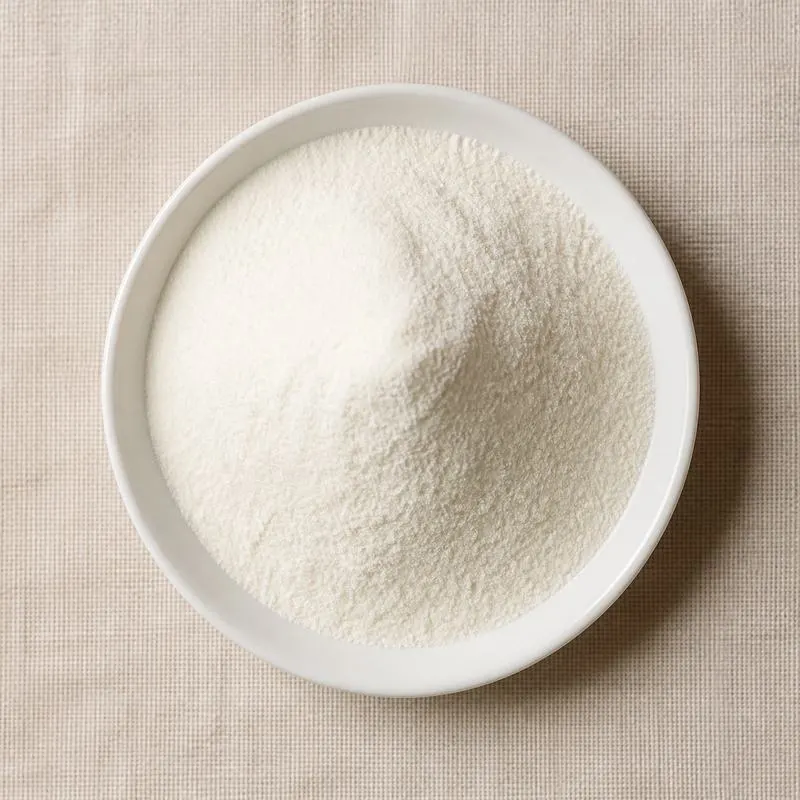
It is a white to pale yellow or light beige crystalline powder, sparingly soluble in water and practically insoluble in ethanol, typically carrying around 43 to 45 percent menadione together with roughly a third of its weight as nicotinamide. Like all vitamin K3 derivatives it is degraded by light, alkali and moisture and releases menadione under the conditions of the digestive tract, where the liberated quinone is alkylated in the liver to menaquinone-4. The material is a feed ingredient only; it has no place in human food or supplements.
We source bulk Menadione Nicotinamide Bisulfite from top China manufacturers for our partners. The manufacturer is in Zhejiang. A smaller requirement can ship in a combined container with other ingredients.
Please send the grade you need, the volume and your destination port, and we will come back with a solution and a price.
or call +86-21-6858 0751
- Function
- Vitamin
Specifications
| Item | Specification |
|---|---|
| Appearance | White to pale yellow or light beige crystalline powder |
| Identification | Ultraviolet spectrum conforms to reference standard |
| Assay, as menadione | ≥ 43.0% |
| Nicotinamide Content | 31.0 to 35.0% |
| Free Menadione | ≤ 0.5% |
| Loss on Drying | ≤ 3.0% |
| pH, 1% aqueous suspension | 4.0 to 6.0 |
| Solubility | Sparingly soluble in water |
| Residue on Ignition | ≤ 1.0% |
| Chromium | ≤ 2.0 mg/kg |
| Heavy Metals | ≤ 20 mg/kg |
| Lead | ≤ 5.0 mg/kg |
| Arsenic | ≤ 3.0 mg/kg |
| Particle Size | ≥ 95% through 60 mesh |
Common Markets Grades
The compound is traded essentially as a single article, specified by menadione content, nicotinamide content, free menadione, moisture and particle size. Where it differs between suppliers is in demonstrated stability, so retention data measured in a model premix containing choline chloride and trace mineral salts over a defined storage period is a normal part of the specification rather than an optional extra, and it is the main reason a buyer pays more for it than for the sodium derivative.
Coated and microencapsulated grades are produced by applying a fat, wax or polymer layer to the crystal, extending retention through pelleting, extrusion and long premix storage. Particle size and bulk density are specified for blend uniformity in the premix plant, since the compound is dosed at a low inclusion rate. Feed grade is the only commercial category.
Applications
- Broiler and layer premixes, supplying vitamin K3 where storage life and trace mineral contact would degrade the sodium derivative
- Turkey and waterfowl feed, covering a comparatively high vitamin K requirement
- Swine grower and finisher feed, delivered through the compound vitamin premix
- Calf and young ruminant diets, before rumen microbial synthesis of vitamin K is established
- Aquaculture feed for fish and shrimp, in the fat soluble vitamin fraction of extruded diets
- Pet food and companion animal diets, as the vitamin K component of the premix
- Vitamin and trace mineral premixes containing choline chloride, where its stability advantage is decisive
- Pelleted and extruded compound feeds, where the coated grade survives the thermal and mechanical stress of processing
China Manufacturers of Menadione Nicotinamide Bisulfite
Top Menadione Nicotinamide Bisulfite manufacturers in China.

Company names and logos are the property of the manufacturers themselves. They are listed here because our own directory records them as producing this ingredient. A listing is not an endorsement by them, and we do not represent them or speak on their behalf.
Regulatory Status
Menadione nicotinamide bisulphite is a feed ingredient. In the European Union it is authorised as a nutritional feed additive in the vitamin K3 functional group under the feed additives regulation, with the target species, conditions of use and specification set out in the relevant authorising regulation. It is not among the forms of vitamin K permitted for the addition of vitamins to foods under Regulation (EC) No 1925/2006 or for use in food supplements under Directive 2002/46/EC, where phylloquinone and menaquinone are the listed forms.
In the United States the Food and Drug Administration's regulations covering food additives for animal feed permit menadione derivatives for use in animal food, and menadione is not accepted in human dietary supplements. Codex and JECFA deal with vitamin K in nutrition standards through phylloquinone rather than menadione. Because the compound also delivers nicotinamide, the vitamin B3 contribution has to be accounted for when the total premix is formulated so that the declared B3 level reflects both sources.
Manufacturing Process
Manufacture follows the same first stage as every vitamin K3 product. 2-methylnaphthalene is oxidised to menadione, historically with chromic acid or sodium dichromate in sulphuric acid and increasingly with hydrogen peroxide or oxygen over a transition metal catalyst to avoid the chromium waste stream. The crude quinone is separated from the aqueous phase and washed, and it is carried straight into the next stage rather than isolated dry, because free menadione is volatile and irritant.
The menadione is then reacted with sodium bisulphite or sulphur dioxide in aqueous solution in the presence of nicotinamide, under controlled temperature and pH, so that the addition compound forms and crystallises as the nicotinamide salt rather than the sodium salt. Stoichiometry is set to give the declared menadione and nicotinamide contents, and the sparing water solubility of the product helps drive it out of solution. The crystals are separated on a centrifuge, washed with a small volume of cold water, dried at low temperature under vacuum since heat and moisture reverse the addition, then milled and screened. Packing is into opaque moisture barrier containers, and coated grades are made by spraying molten fat or a polymer solution onto the crystal in a fluid bed.