Mid-tem Alpha Amylase
Mid-temperature alpha-amylase is the moderately thermostable grade of endo-acting starch hydrolase, produced by Bacillus amyloliquefaciens and related strains, that works in the band between the fungal amylases used in baking and the high-temperature liquefaction enzymes used in jet cookers. It cleaves internal alpha-1,4 bonds at random, dropping the viscosity of gelatinised starch and generating dextrins and maltose.
Its working window is roughly 70 to 85 degrees Celsius at pH 5.5 to 7.0, which matches the temperature of a conventional batch cooker, a brewing mash and a textile desizing bath. That makes it the enzyme of choice where the process does not reach jet cooking temperature and where a lower cook severity is preferred, and it is still widely used in plants built before continuous high-temperature liquefaction became standard.
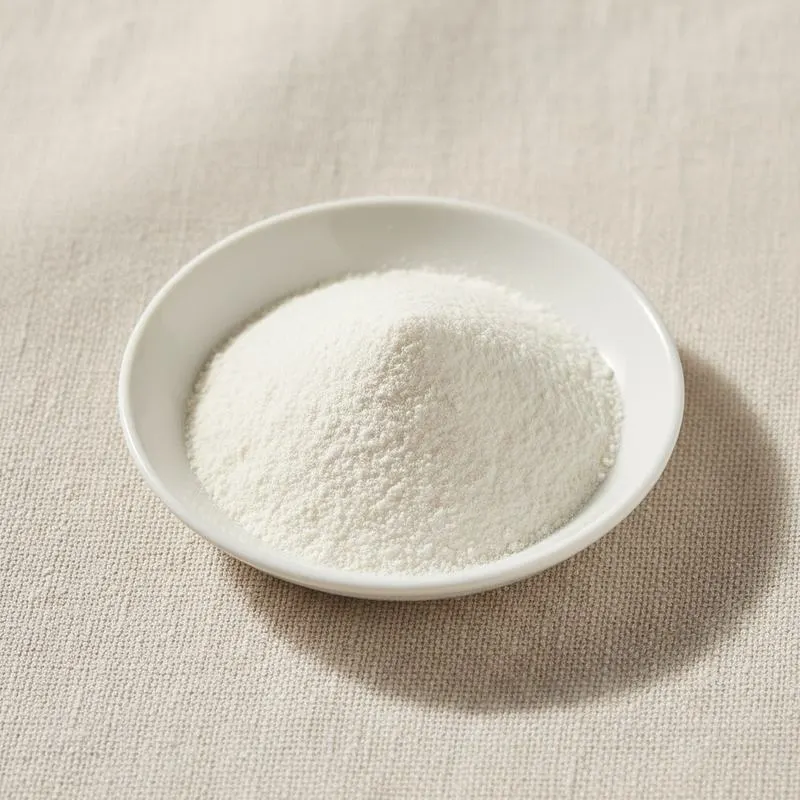
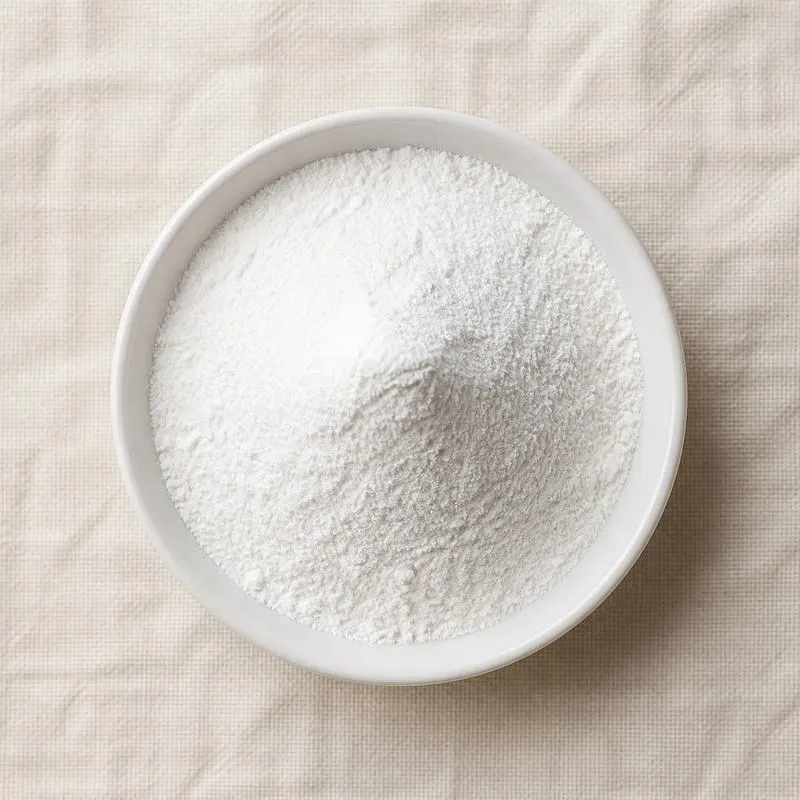
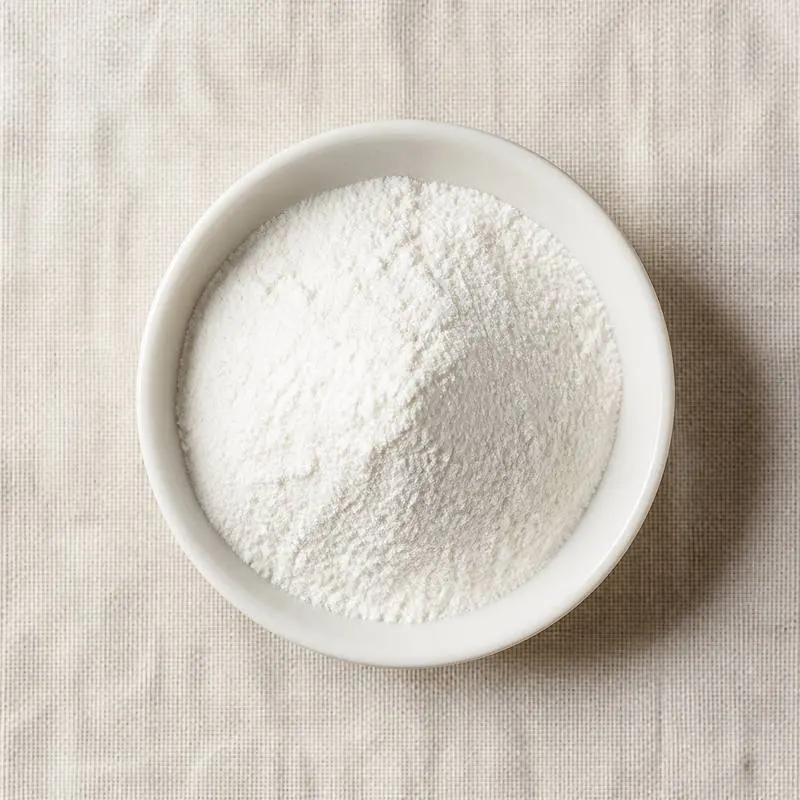
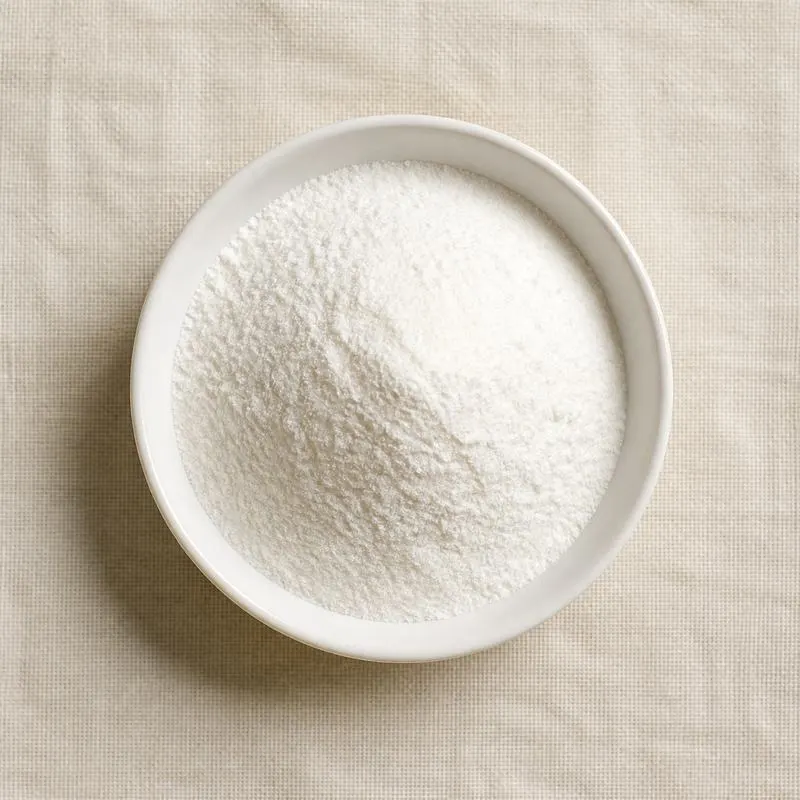
The enzyme comes as an amber liquid concentrate for in-line dosing and as a spray dried powder or granulate standardised with a carrier. It needs a low residual level of calcium ion for structural stability, is fully soluble in water, and is destroyed by a short hold at low pH and elevated temperature, which is how the reaction is stopped before saccharification.
We source bulk Mid-tem Alpha Amylase from top China manufacturers for our partners. The manufacturer is in Shandong. A smaller requirement can ship in a combined container with other ingredients.
Please send the grade you need, the volume and your destination port, and we will come back with a solution and a price.
or call +86-21-6858 0751
- Function
- Enzyme
Specifications
| Item | Specification |
|---|---|
| Appearance | Amber to brown liquid or cream powder |
| Declared Activity | Standardised to label claim, assay conditions as stated |
| Identification | Starch-liquefying activity confirmed by iodine method |
| Working pH Range | 5.5 to 7.0 |
| Calcium Requirement | Low residual calcium required for stability |
| Density (20 degrees Celsius) | 1.10 to 1.25 g/mL for liquid grade |
| Loss on Drying | ≤ 8.0% for dry grade |
| Heavy Metals (as Pb) | ≤ 30 mg/kg |
| Lead | ≤ 5 mg/kg |
| Arsenic | ≤ 3 mg/kg |
| Total Plate Count | ≤ 50,000 cfu/g |
| E. coli | Absent in 25 g |
| Salmonella | Absent in 25 g |
| Antimicrobial Activity | None detected |
Common Markets Grades
The grade is defined by declared liquefying activity against a stated substrate, pH, temperature and calcium level, since amylase unit systems differ between producers. Within the mid-temperature class, products are offered with slightly different thermal ceilings and pH ranges so that the enzyme can be matched to an existing cooker or mash profile without altering the process.
Physical forms are liquid concentrate stabilised with polyol and salt, spray dried powder on maltodextrin or starch, and low-dust granulate. Food grade material carries full microbiological limits and absence of antimicrobial activity, while technical grades sold into textile desizing and paper coating are made to looser purity criteria at lower cost. Blended products combining the amylase with protease or beta-glucanase are traded for brewing and distilling mashes.
Applications
- Batch starch cooking and liquefaction in plants that do not run continuous jet cookers
- Brewing mashes with high adjunct loads, thinning cereal cooker slurry at conventional mash temperatures
- Distilling and grain spirit production, converting cereal starch where cook temperature is held below 90 degrees Celsius
- Maltodextrin and dextrin syrup production at moderate dextrose equivalent
- Modified and thin-boiling starch manufacture for confectionery moulding and gum sweets
- Vegetable and fruit processing, degrading residual starch in potato, banana and pea streams before filtration
- Textile desizing, removing the starch size applied to warp yarn at bath temperature
- Paper and board surface sizing, breaking starch down to a coating viscosity
- Animal feed and pet food processing, reducing slurry viscosity in extrusion and drying operations
China Manufacturers of Mid-tem Alpha Amylase
Top Mid-tem Alpha Amylase manufacturers in China.
Company names and logos are the property of the manufacturers themselves. They are listed here because our own directory records them as producing this ingredient. A listing is not an endorsement by them, and we do not represent them or speak on their behalf.
Regulatory Status
In the United States affirmed generally recognised as safe regulations clear bacterial alpha-amylase preparations as food enzymes, alongside GRAS notices filed with the Food and Drug Administration for the specific enzyme and production organism. Amylase preparations from Bacillus subtilis and Bacillus amyloliquefaciens have long-standing United States clearance for use in starch processing, brewing and baking, and the strain named on the certificate determines which pathway applies.
In the European Union the enzyme is a food enzyme under Regulation (EC) No 1332/2008, with dossiers assessed by the European Food Safety Authority ahead of entry onto the Union list, and no E number applies. Because the enzyme is inactivated before the finished syrup or beverage is produced, it is treated as a processing aid and is not declared on the label. The Joint FAO/WHO Expert Committee on Food Additives has evaluated bacterial alpha-amylase preparations and publishes identity and purity specifications alongside its general specifications for enzyme preparations used in food processing.
Manufacturing Process
The enzyme is produced by submerged fermentation of Bacillus amyloliquefaciens or a related Bacillus strain. A working cell bank is taken through seed stages into a large stirred aerated fermenter charged with a starch or glucose carbon source, an organic nitrogen source such as soy meal or corn steep liquor, and mineral salts including the calcium needed for enzyme stability. The culture is held under controlled temperature, pH, dissolved oxygen and feed rate for one to several days while amylase is secreted into the broth.
The broth is flocculated and the biomass removed on a rotary vacuum filter or by microfiltration. The clarified filtrate is concentrated and desalted by ultrafiltration, then polished through fine and sterilising grade filters. Liquid product is stabilised with a polyol and a preservative salt, pH adjusted and standardised to the declared activity. Dry product is blended with a starch or maltodextrin carrier and spray dried, or granulated where dust control is needed, then assayed and cut to activity before packing.