Milk Flavour
Milk flavour is a compound flavouring that supplies dairy character to products containing little or no milk solids, or restores the character lost when milk is dried, sterilised or diluted. It is a formulation rather than a single substance, and it is traded by profile: fresh milk, condensed milk, cream, butter, cooked or caramelised milk, and cheese adjacent dairy directions.
The chemistry is well defined. Delta lactones, principally delta-decalactone and delta-dodecalactone, carry the creamy body and are the compounds most responsible for a profile reading as dairy rather than as sweet. Diacetyl and acetoin give the buttery top note, short chain fatty acids such as butyric and caproic acid supply the sharp lipolysed edge, and methyl ketones contribute the cooked note of evaporated and condensed milk. Vanillin, maltol and furanones are added to the sweeter profiles for roundness.
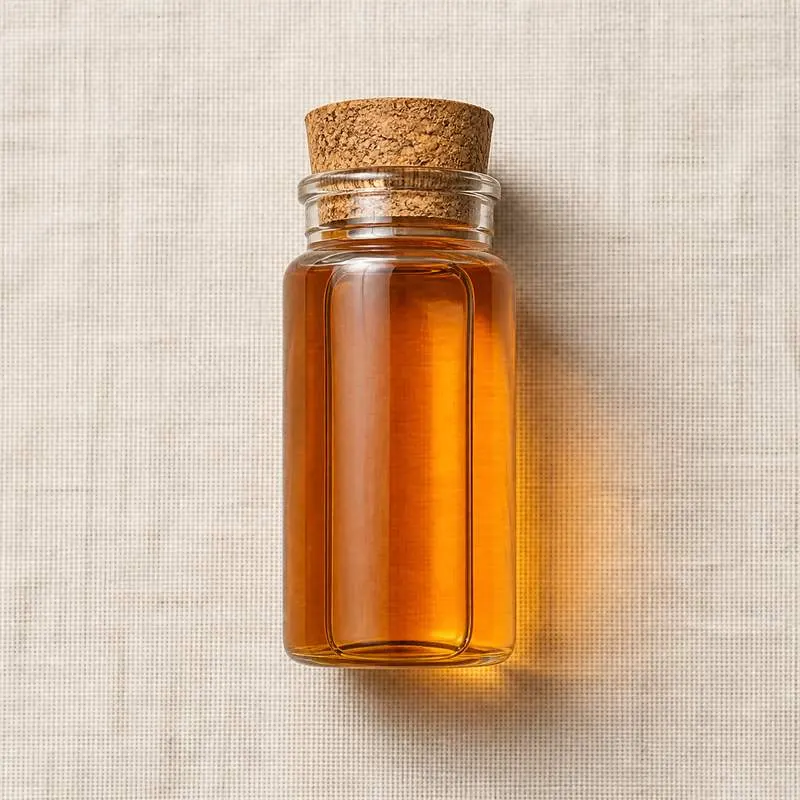
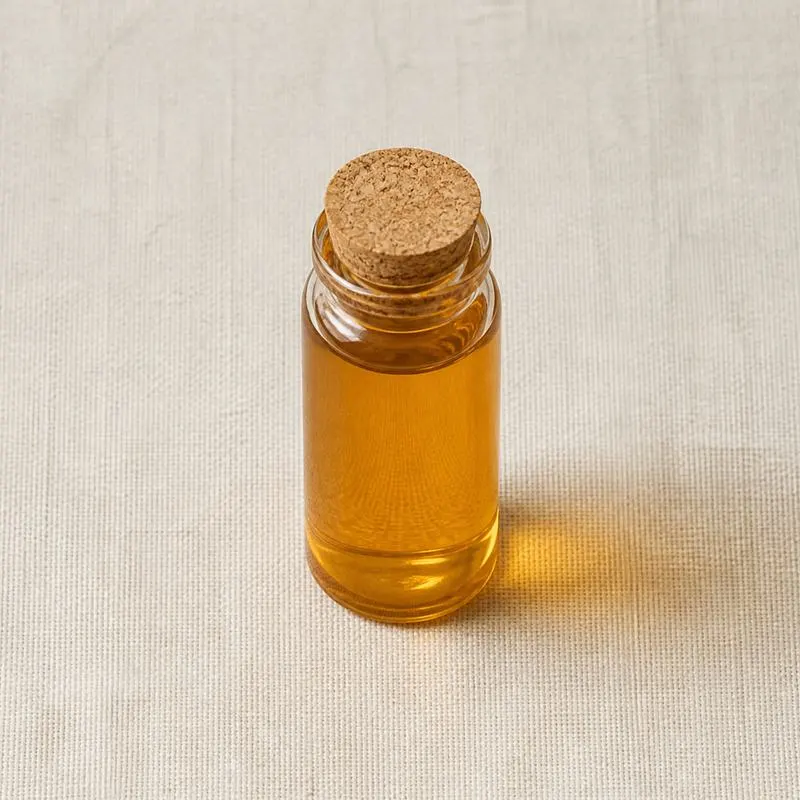
The material trades as an oil soluble or water soluble liquid, as an emulsion, or spray dried onto maltodextrin, modified starch or milk solids. The lactone fraction is lipophilic and performs best in a fat continuous product, while the acid and diketone fraction is volatile and is the part lost first during heat treatment, which is why heat stable and encapsulated grades exist.
We source bulk Milk Flavour from top China manufacturers for our partners. The manufacturers are in Fujian and Guangdong. A smaller requirement can ship in a combined container with other ingredients.
Please send the grade you need, the volume and your destination port, and we will come back with a solution and a price.
or call +86-21-6858 0751
- Function
- Flavours and Aromas
Specifications
| Item | Specification |
|---|---|
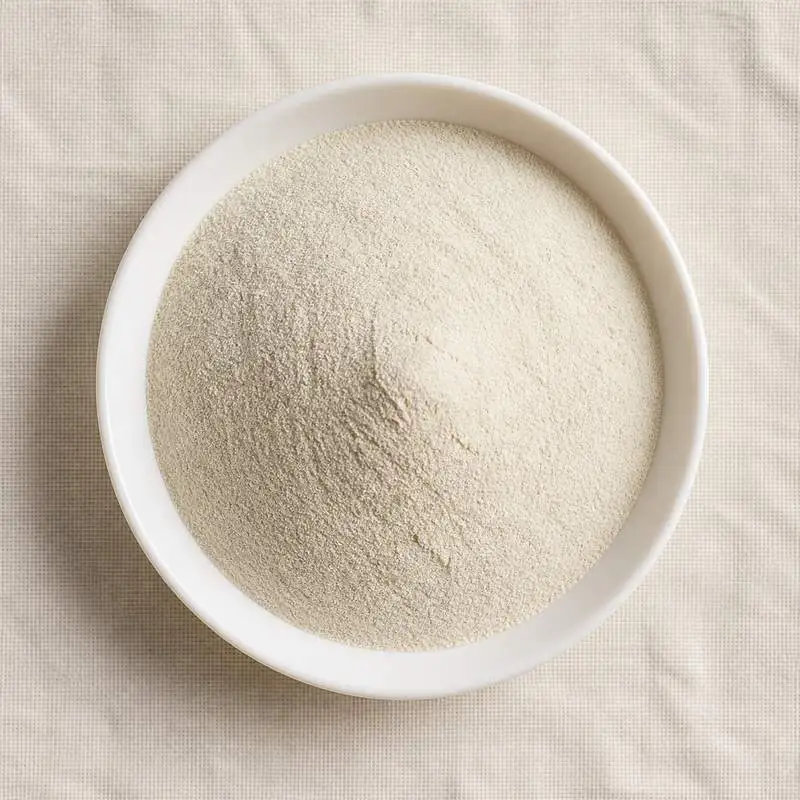
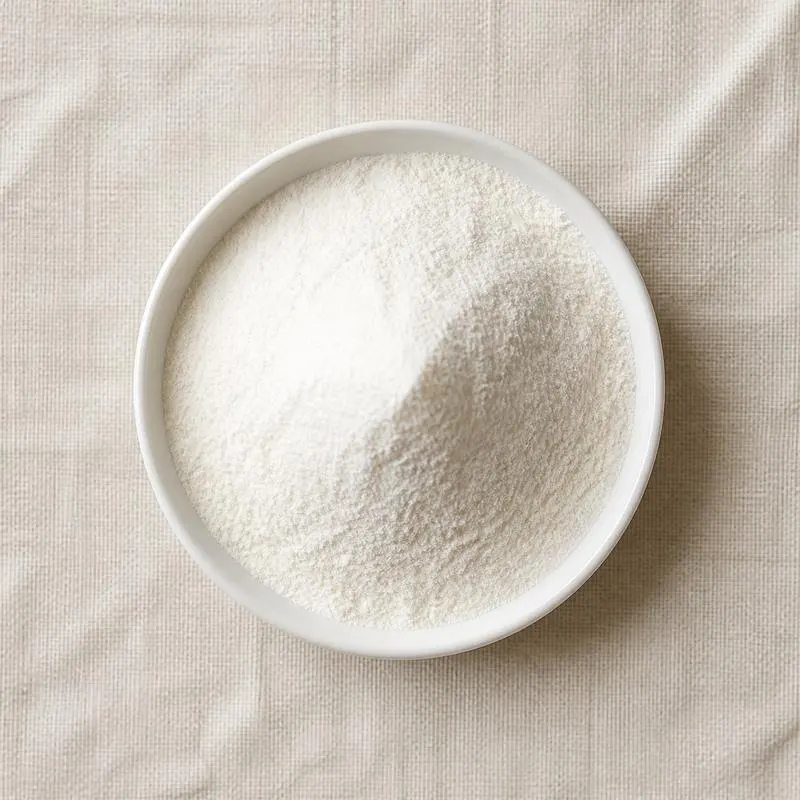
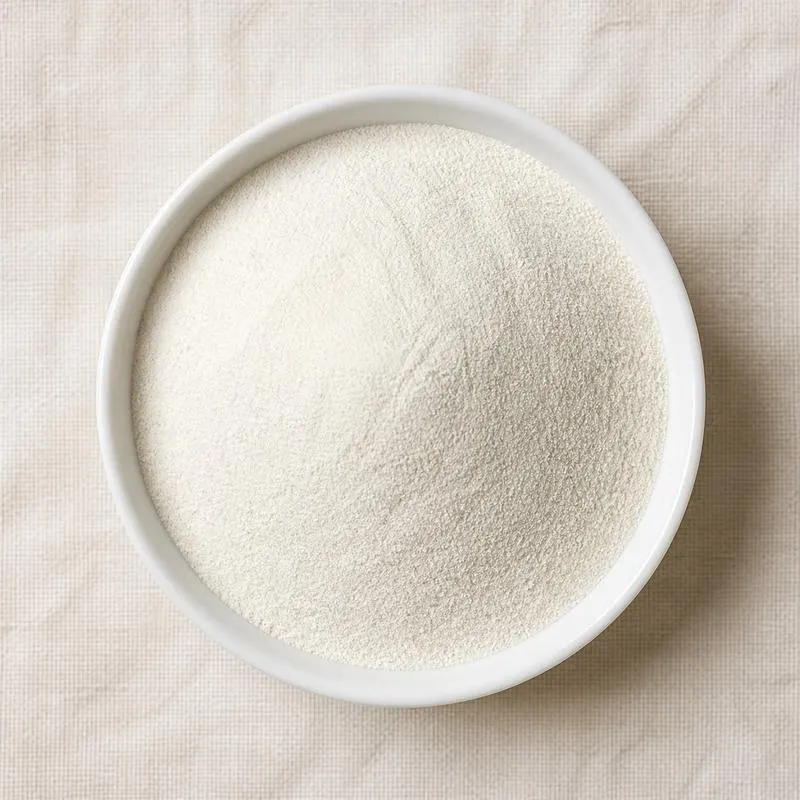
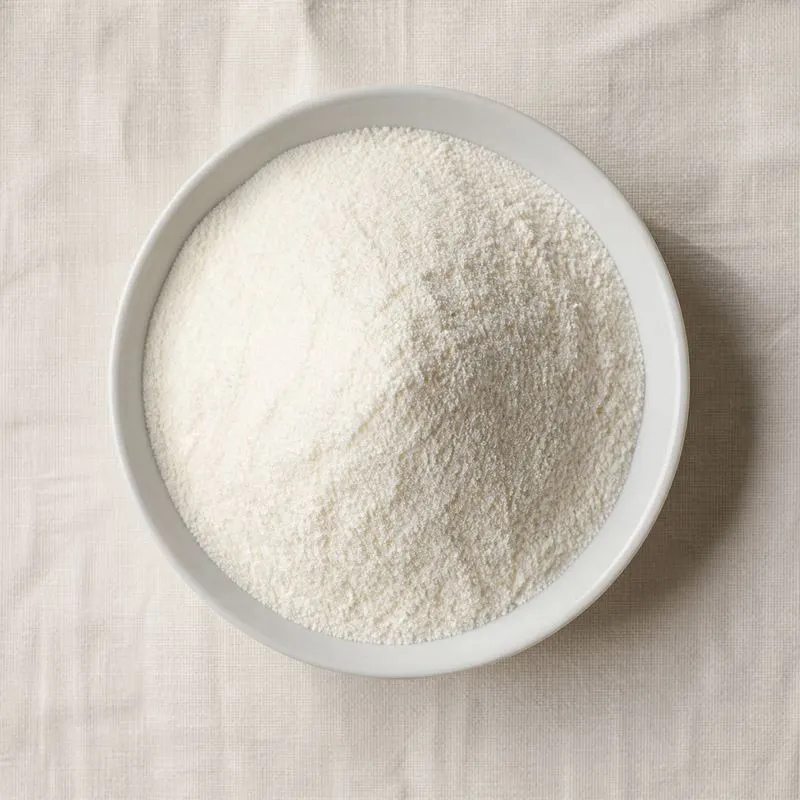
| Appearance | Free flowing white to pale cream powder |
| Odour and Taste | Characteristic fresh dairy, no rancid or soapy note |
| Moisture | Not more than 5.0% |
| Fat Content | 10.0 to 25.0%, by grade |
| Particle Size | Not less than 95% through 40 mesh |
| Bulk Density | 0.35 to 0.55 g/ml |
| pH, 10% Solution | 5.5 to 7.0 |
| Solubility | Disperses completely in water at 50 C |
| Lead | Not more than 1.0 mg/kg |
| Arsenic | Not more than 0.5 mg/kg |
| Total Plate Count | Not more than 10,000 cfu/g |
| Yeast and Mould | Not more than 100 cfu/g |
| E. coli | Absent in 1 g |
| Salmonella | Absent in 25 g |
Common Markets Grades
The main division is by carrier. Water soluble liquids in propylene glycol or ethanol are used in beverages and mixes, oil soluble liquids in confectionery, bakery fat and coatings, emulsions where a clouding effect is wanted alongside the flavour, and spray dried powders in dry blends and instant products. Powders are further separated into plain spray dried grades and encapsulated grades that survive baking and extrusion.
Composition sets the second axis. Grades built on enzyme modified butter or cream carry genuine dairy material, can be declared as natural, and bring a milk allergen with them. Grades built entirely on flavouring substances and vegetable carriers are dairy free and are used in plant based drinks and in allergen restricted plants. Strength is quoted as a recommended dosage rate rather than as an assay, and heat stable, acid stable and low sodium variants are specified where the application demands them.
Applications
- Milk drinks and flavoured milk beverages, restoring the fresh character lost in ultra high temperature processing
- Plant based drinks on oat, soya, almond and coconut bases, where the flavour also masks the cereal or legume note of the raw material
- Ice cream and frozen dessert, where a dairy background carries fruit and vanilla profiles
- Non dairy creamers and coffee whiteners, which contain vegetable fat and no milk solids
- Confectionery, particularly milk toffee, fudge and compound chocolate
- Bakery fillings, custards and cream layers, using heat stable or encapsulated grades
- Infant and growing up formula bases and milk powder blends, standardising the profile across drying batches
- Biscuits and wafers, where a butter direction is added at a fraction of the cost of the equivalent butterfat
- Yoghurt and fermented dairy, where a cream note offsets the acidity of a low fat base
China Manufacturers of Milk Flavour
Top Milk Flavour manufacturers in China.
- Fuzhou Yuantian Biotechnology10 ingredients in the directory
- Jin Ba Lei Flavors&fragrances Co., Ltd.5 ingredients in the directory
Company names and logos are the property of the manufacturers themselves. They are listed here because our own directory records them as producing this ingredient. A listing is not an endorsement by them, and we do not represent them or speak on their behalf.
Regulatory Status
Milk flavour is regulated as a flavouring rather than as a food additive and carries no E number. In the European Union every flavouring substance in the blend must appear on the Union list of authorised flavouring substances, and the terms natural flavour and natural flavour of a named food may be used only where the composition meets the definitions set out in the flavourings framework. Lipases used to make an enzyme modified dairy base act as processing aids and are inactivated before the material is sold.
In the United States the individual flavouring substances are cleared as generally recognised as safe, mostly through the FEMA GRAS programme, and dairy raw materials must derive from pasteurised milk. Federal labelling rules govern the distinction between natural and artificial flavour and how a dairy flavoured product may be named. Codex evaluates flavouring substances individually through JECFA rather than assessing compound flavourings. Grades containing milk derived material carry a milk allergen declaration.
Manufacturing Process
Two production streams meet in the finished flavour. The dairy derived base is made by lipolysis: cream, butterfat or milk fat is emulsified with water, dosed with lipases selected for the chain length they release, and held at forty to fifty degrees for several hours to a day. Short chain fatty acids are released from the triglyceride, and the reaction is stopped by heating to inactivate the enzyme. This concentrated base carries the sharp, cheesy, buttery character that is difficult to build convincingly from single chemicals.
The compounding stream weighs lactones, diketones, esters, vanillin and other flavouring substances against a master formula, using premixes for materials dosed at parts per thousand, and dissolves them into a carrier under slow agitation with heat kept low. The two streams are combined, standardised and homogenised. Liquid grades are filtered and filled under nitrogen. Powder grades are emulsified with maltodextrin, modified starch or milk solids, passed through a high pressure homogeniser and spray dried, with fluid bed agglomeration or matrix encapsulation added where dispersion or heat stability is required.