Modified Soybean Lecithin
Modified Soybean Lecithin is a soy-derived phospholipid emulsifier whose native structure has been altered by enzymatic or chemical treatment. It carries the European food additive number E322 and is the dominant source within the broader modified lecithin family because of the volume and cost position of soybean raw material.
The starting material is standard fluid soy lecithin recovered during soybean oil degumming. Subsequent processing produces hydroxylated, hydrolysed, acetylated, or hydrogenated variants targeted at specific food applications.
We source bulk Modified Soybean Lecithin from top China manufacturers for our partners. The manufacturer is in Hebei. A smaller requirement can ship in a combined container with other ingredients.
Please send the grade you need, the volume and your destination port, and we will come back with a solution and a price.
or call +86-21-6858 0751
- Packaging
- 250 kg plastic drum or 1,000 kg IBC tote
- ISO 9001
- HACCP
- Halal
- Kosher
Specifications
| Item | Specification |
|---|---|
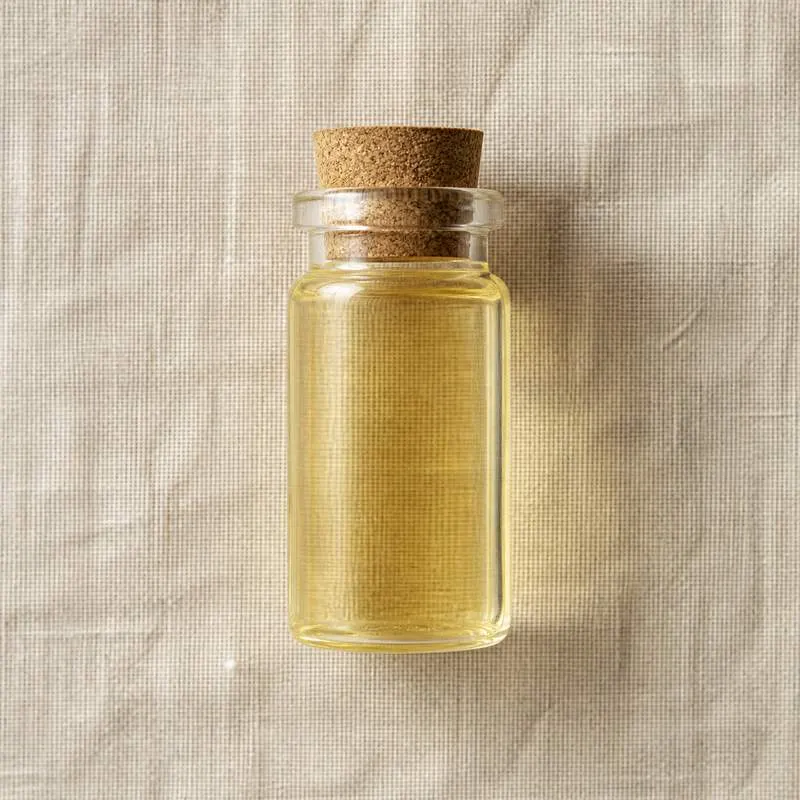
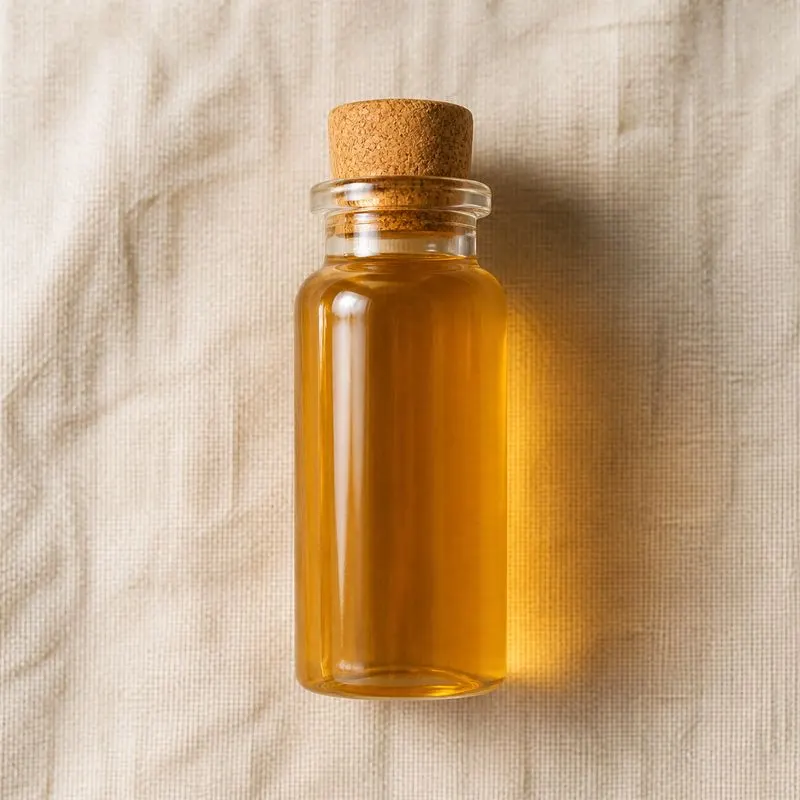
| Appearance | Yellow to amber viscous liquid |
| Odour | Bland, characteristic, free from foreign odour |
| Acetone-Insoluble Matter | ≥ 56.0% |
| Hexane-Insoluble Matter | ≤ 0.3% |
| Moisture (Karl Fischer) | ≤ 1.0% |
| Acid Value | ≤ 40 mg KOH/g |
| Peroxide Value | ≤ 10 meq/kg |
| Viscosity (25°C) | ≤ 10,000 mPa·s |
| Colour (Gardner) | ≤ 14 |
| HLB Value | 8 ± 1 (hydroxylated grade) |
| Heavy Metals (as Pb) | ≤ 2 mg/kg |
| Lead | ≤ 1 mg/kg |
| Arsenic | ≤ 2 mg/kg |
| Total Plate Count | ≤ 10,000 cfu/g |
| Salmonella | Negative/25g |
Common Markets Grades
Modified Soybean Lecithin is graded by modification route, phospholipid composition, and physical form.
Hydroxylated soy lecithin grades carry hydroxyl groups across the unsaturated fatty acid chains for improved water dispersibility. Enzymatically hydrolysed grades carry a fraction of lysophospholipids that boosts oil-in-water emulsifying performance in low-fat systems.
Acetylated grades are produced for acid-stable systems such as salad dressings and acidic sauces. Partially hydrogenated grades are produced for high-temperature processing where oxidative stability is critical.
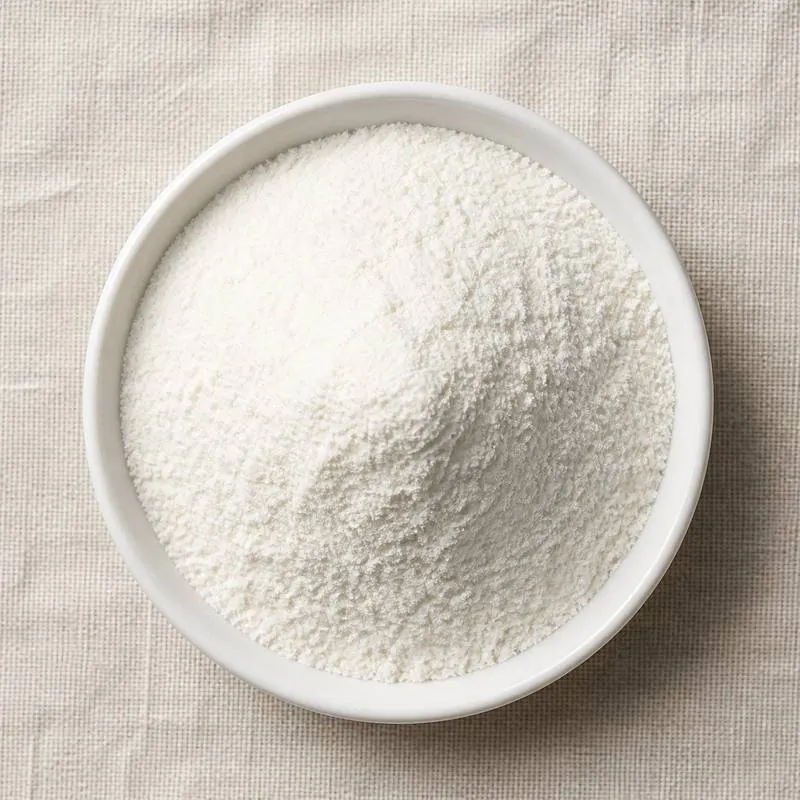
Fluid, powdered, and granulated formats are made across all modification routes, with selected grades available in pharmaceutical purity for injectable and inhalable formulations.
Applications
- Instant beverage powders for fast cold-water dispersibility
- Bakery doughs and batters for crumb softening and volume
- Margarine, spreads, and shortening systems
- Salad dressings and acid-system culinary sauces
- Ice cream and frozen desserts for fat structure control
- Infant formula and clinical nutrition emulsions
- Chocolate and confectionery for viscosity control
- Pharmaceutical emulsions, creams, and softgel shells
- Cosmetic skincare emulsions and serum bases
- Plant-based meat and dairy alternative formulations
- Animal feed premixes and milk replacer powders
- Industrial release agents and coating systems
China Manufacturers of Modified Soybean Lecithin
Top Modified Soybean Lecithin manufacturers in China.

Company names and logos are the property of the manufacturers themselves. They are listed here because our own directory records them as producing this ingredient. A listing is not an endorsement by them, and we do not represent them or speak on their behalf.
How We Help Source Modified Soybean Lecithin
Direct Factory Sourcing
We run the whole process: selecting the manufacturer from the top Chinese food ingredient producers, negotiating the price, verifying quality, and coordinating the logistics. You deal with us instead of with several factories at once.
Original Packaging and Documents from the Manufacturer
The manufacturer sends your Modified Soybean Lecithin out of its own factory in the original packing, through to your destination port. The COA, COO, MSDS, TDS and any certifications reach you from the manufacturer as well.
Free Samples and Lead Time
We send 100 to 500 g free for your own laboratory to test and you cover only the courier, usually within 2 to 3 working days. ETD is usually within 7 to 15 days once the order is confirmed, and we check that date against the factory's own manufacturing schedule before we give it to you.
Combined Shipment
We can load Modified Soybean Lecithin together with other ingredients such as Polyglycerol Esters of Fatty Acids, Non-Dairy Creamer and Mono- and Diglycerides of Fatty Acids into one 20' FCL. If your quantity is small, we can also ship LCL.
Regulatory Status
Modified Soybean Lecithin falls within the lecithin additive class and is approved under E322 in the European Union, with specific modification routes covered by the broader lecithin definition.
The United States Food and Drug Administration treats hydroxylated lecithin as a separate listing under 21 CFR 172.814 with defined production limits. The lecithin GRAS listing under 21 CFR 184.1400 generally covers other modified grades.
JECFA reviewed lecithins as a class and concluded that a numerical intake limit was not required.
Soy allergen labelling is mandatory in the European Union, the United States, Canada, Japan, and most other major markets. Non-GMO Project Verified, Kosher, Halal, and organic certifications exist for IP-source material.
Manufacturing Process
Modified Soybean Lecithin starts from standard fluid soy lecithin and applies one of several modification routes.
Hydroxylation uses dilute hydrogen peroxide and lactic acid in a stirred reactor at 50 to 70 degrees Celsius. The peroxide adds hydroxyl groups across the double bonds of linoleic and oleic acid chains, lifting water dispersibility.
Enzymatic hydrolysis uses phospholipase A2 at 40 to 60 degrees Celsius with controlled pH and water content. The enzyme cleaves one fatty acid chain from a controlled fraction of the phospholipids.
Acetylation uses acetic anhydride to substitute acetyl groups on the free amine groups of phosphatidylethanolamine, and hydrogenation uses a nickel catalyst under hydrogen pressure to saturate the fatty acid chains. Each route is followed by neutralisation, drying, and standardisation to a target acid value and viscosity.