Mung Bean Cardamom Extract
Mung bean cardamom extract is an extract of green cardamom, Elettaria cardamomum (L.) Maton, a rhizomatous perennial of the ginger family native to southern India. The trade name arises from the Chinese designation for the spice, which translates literally as green bean cardamom, and it refers to true or green cardamom rather than to the mung bean, with which it has no botanical connection.
The commercially active fraction is the volatile oil held in the seeds inside the green capsule, present at 3 to 8 percent of the seed. It is dominated by 1,8-cineole, which supplies the fresh eucalyptus-like top note, and alpha-terpinyl acetate, which supplies the sweet, fruity, slightly floral body; limonene, linalool, linalyl acetate, sabinene and myrcene make up most of the remainder. The balance between cineole and terpinyl acetate is what distinguishes a harsh, medicinal cardamom from a sweet, rounded one, and it varies with origin and with cultivar.
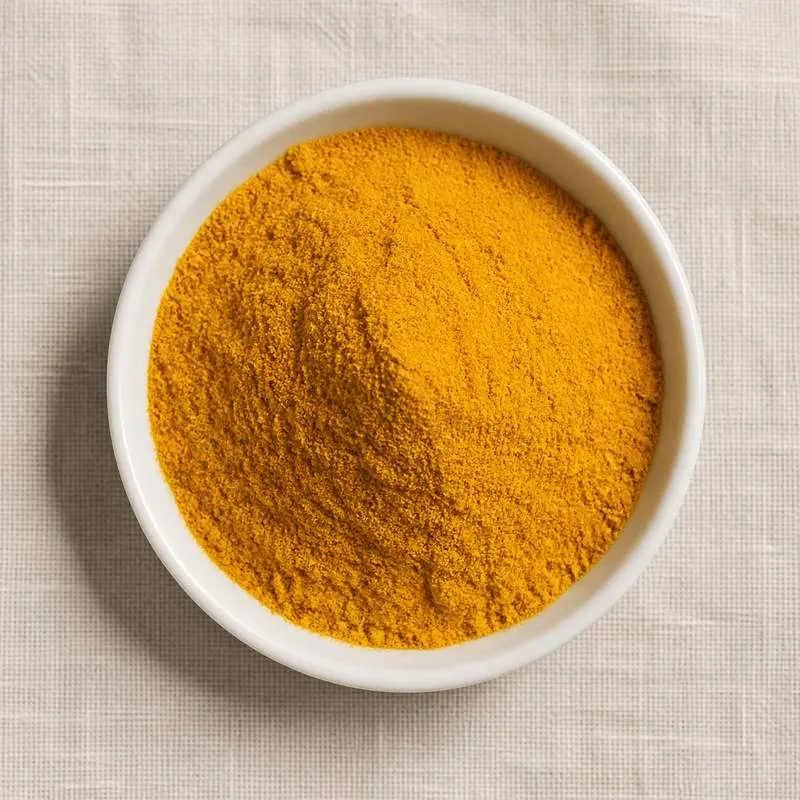
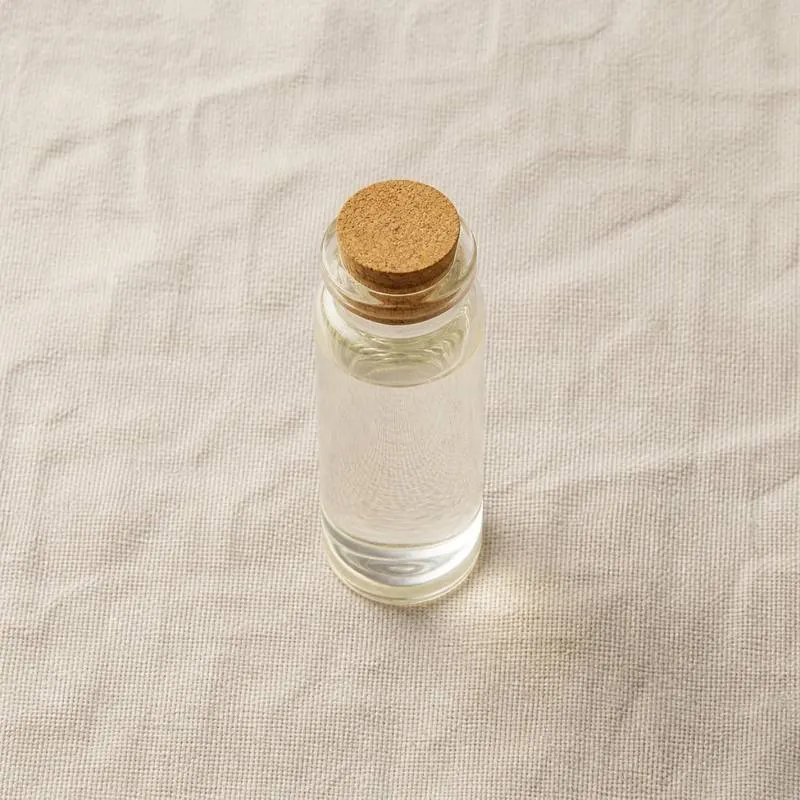
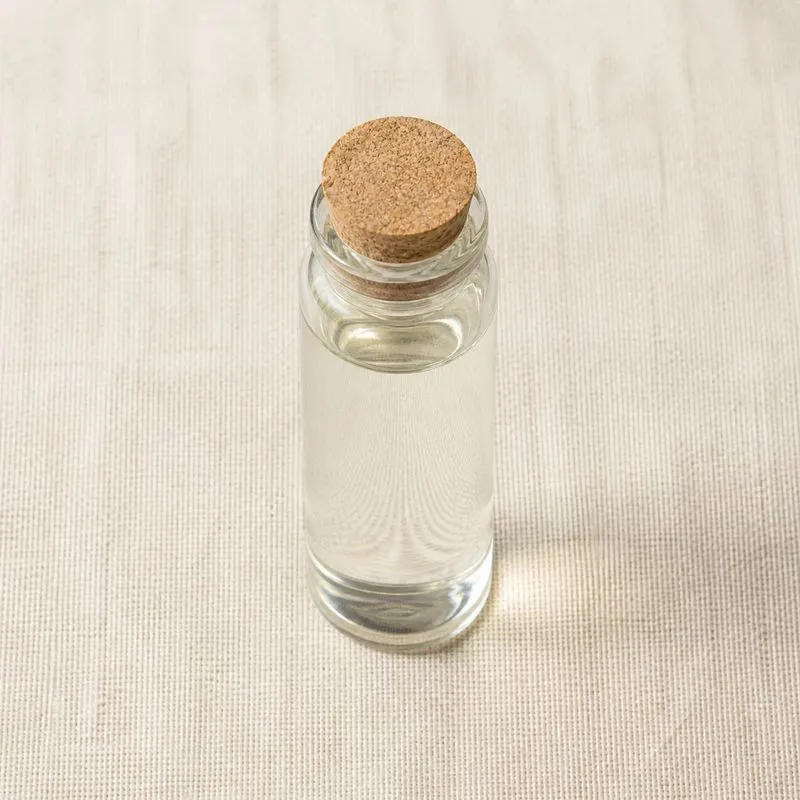
Extracts reach the market as essential oil, a clear colourless to pale yellow mobile liquid; as oleoresin, a viscous green to greenish brown liquid carrying both the volatile oil and the non-volatile fixed oil and pigment; and as spray dried or plated powders on a carrier. The oil is not water soluble and needs an emulsifier or a solubiliser for beverage use. Cineole and the terpene hydrocarbons are volatile and are lost on prolonged heating, and the oil oxidises and develops a turpentine-like off note on exposure to air and light, so it is filled under nitrogen into full, light-excluding containers and stored cold.
We source bulk Mung Bean Cardamom Extract from top China manufacturers for our partners. The manufacturer is in Henan. A smaller requirement can ship in a combined container with other ingredients.
Please send the grade you need, the volume and your destination port, and we will come back with a solution and a price.
or call +86-21-6858 0751
- Function
- Plant extract
Specifications
| Item | Specification |
|---|---|
| Botanical Source | Elettaria cardamomum (L.) Maton, dried seed |
| Appearance | Clear colourless to pale yellow mobile liquid |
| 1,8-Cineole | 25.0 to 45.0% |
| Alpha-Terpinyl Acetate | 28.0 to 48.0% |
| Identification | Conforms by gas chromatographic profile to reference oil |
| Relative Density at 20°C | 0.917 to 0.947 |
| Refractive Index at 20°C | 1.462 to 1.468 |
| Optical Rotation at 20°C | +22° to +41° |
| Acid Value | ≤ 1.0 mg KOH/g |
| Solubility in 70% Ethanol | Clear in 5 volumes |
| Residual Solvent | Not detected in distilled oil |
| Lead | ≤ 1.0 mg/kg |
| Arsenic | ≤ 1.0 mg/kg |
| Packing and Storage | Nitrogen flushed, light-excluding containers, cool |
Common Markets Grades
Three distinct products share the name and are not interchangeable. Cardamom essential oil, produced by steam distillation of the crushed seed, is quoted on 1,8-cineole and alpha-terpinyl acetate content, on optical rotation and on refractive index, and is the flavour and fragrance grade. Cardamom oleoresin, produced by solvent extraction, is quoted on volatile oil content, typically 50 to 60 percent by volume, and carries more of the whole spice character. Supercritical carbon dioxide extract sits between the two, carrying a fuller profile than the distilled oil without solvent residue, and is traded at a premium.
Powdered forms are made by spray drying an emulsion of the oil or oleoresin with a gum acacia or modified starch carrier, or by plating oil onto a dry carrier, and are specified on total volatile oil content and on carrier identity. Whether the starting material was decorticated seed or whole capsule matters, since the husk dilutes the oil content, and origin is specified because Guatemalan and Indian material differ in profile. Whole and ground cardamom are traded alongside the extracts as separate spice items.
Applications
- Bakery and confectionery, particularly Scandinavian breads and buns, where cardamom is a defining flavour
- Curry powders, garam masala and South Asian spice blends
- Middle Eastern coffee and cardamom tea preparations
- Beverage flavouring for soft drinks, chai concentrates and functional drinks, using the solubilised or emulsified grade
- Liqueurs, bitters and gin botanical blends
- Meat and poultry seasoning, marinades and prepared sauces
- Confectionery, chewing gum and mouth freshening products
- Fragrance compositions requiring a fresh, sweet, spicy top note
- Oral care products including toothpaste and mouthwash
- Digestive and carminative herbal preparations, reflecting the traditional use of the seed
China Manufacturers of Mung Bean Cardamom Extract
Top Mung Bean Cardamom Extract manufacturers in China.
Company names and logos are the property of the manufacturers themselves. They are listed here because our own directory records them as producing this ingredient. A listing is not an endorsement by them, and we do not represent them or speak on their behalf.
Regulatory Status
In the United States 21 CFR 182.10 lists cardamom among the spices and natural seasonings generally recognised as safe, and cardamom oil, cardamom seed oil and cardamom oleoresin appear in 21 CFR 182.20 among the essential oils, oleoresins and natural extractives generally recognised as safe for food use. Solvents used in oleoresin production are controlled as secondary direct food additives under 21 CFR Part 173, which sets the permitted solvents and their residue limits. Products sold as supplements are dietary ingredients under the Dietary Supplement Health and Education Act.
In the European Union cardamom is an established food and spice and is recognised as a source of natural flavouring under Regulation (EC) No 1334/2008, so the oil, the oleoresin and the carbon dioxide extract are handled as flavouring preparations rather than as additives. Extraction solvents are controlled by a dedicated Directive that lists which solvents may be used in the production of foodstuffs and food ingredients and sets their residue limits, which is the main constraint for oleoresin. Carriers used in spray dried preparations are food additives under Regulation (EC) No 1333/2008 and must be declared. Dried spice is subject to pesticide maximum residue levels and to the contaminant limits of the contaminants Regulation, and cardamom is among the spices for which aflatoxin and ochratoxin A limits apply. Codex has adopted a standard for cardamom as a spice, and the international trade also references the ISO specification for cardamom and the ISO standard for its essential oil.
Manufacturing Process
Capsules are hand picked while still green and slightly immature, then washed and cured. Curing is the step that fixes the colour: the capsules are dried at 45 to 50 degrees Celsius in flue-heated or hot air driers over eighteen to thirty hours, slowly enough that the green chlorophyll is retained rather than driven to yellow, which is why cardamom drying is run cooler and longer than most spice drying. The cured capsules are polished, graded by size and colour, and either sold whole or decorticated to release the seed.
For essential oil the seed is crushed immediately before distillation, since the oil is lost from exposed seed within hours, and is steam distilled for three to five hours. The condensed distillate separates into an aqueous layer and the oil, which is drawn off, dried over an anhydrous salt, filtered and filled under nitrogen. For oleoresin the crushed seed is extracted by countercurrent percolation with a food grade solvent such as ethanol or acetone, the liquor is filtered and the solvent is stripped under vacuum at low temperature to leave a viscous resin, with residual solvent brought below the permitted limit by steam or nitrogen sparging. Supercritical extraction substitutes carbon dioxide at controlled pressure and temperature, with the extract released simply by dropping the pressure. Powdered grades are made by emulsifying the oil or oleoresin with a gum acacia or modified starch solution, homogenising, and spray drying, which encapsulates the volatiles in a carbohydrate matrix and protects them from oxidation.