Nad
NAD is nicotinamide adenine dinucleotide, the dinucleotide coenzyme formed by joining nicotinamide mononucleotide to adenosine monophosphate through a pyrophosphate bridge. The trade name normally refers to the oxidised form, beta NAD, which is the hydride accepting partner in the NAD and NADH redox couple.
It is the central electron carrier of catabolic metabolism. Several hundred dehydrogenases use it as a cofactor, and beyond redox chemistry it is consumed as a substrate by the sirtuins, by poly ADP ribose polymerases and by CD38, which is the basis for the interest in NAD levels in ageing research and for the supplement category built around its precursors. The molecule itself is poorly absorbed intact, which is why most consumer products supply precursors such as nicotinamide riboside or nicotinamide mononucleotide instead.
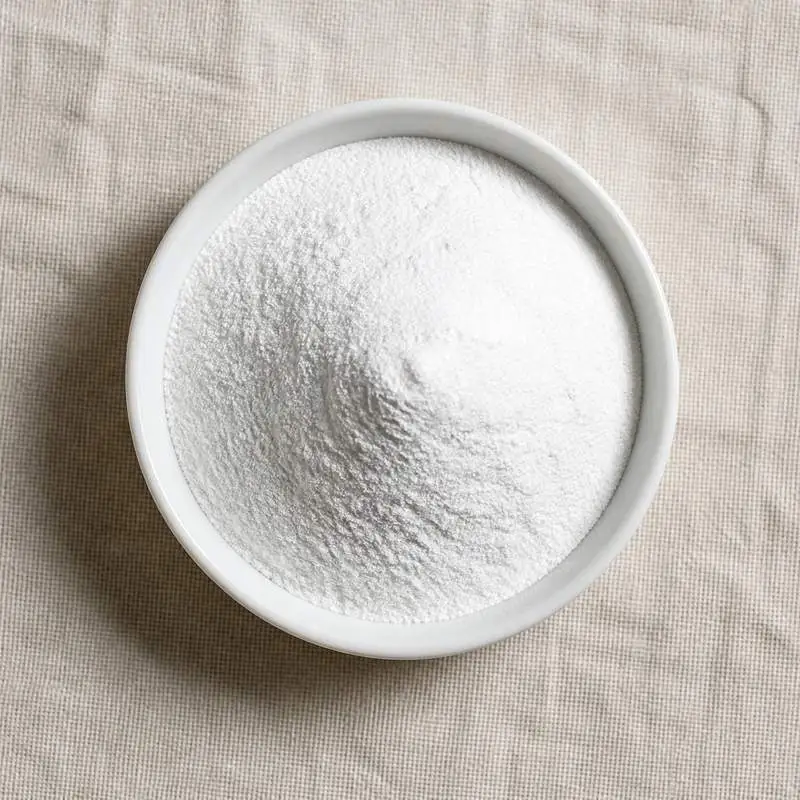
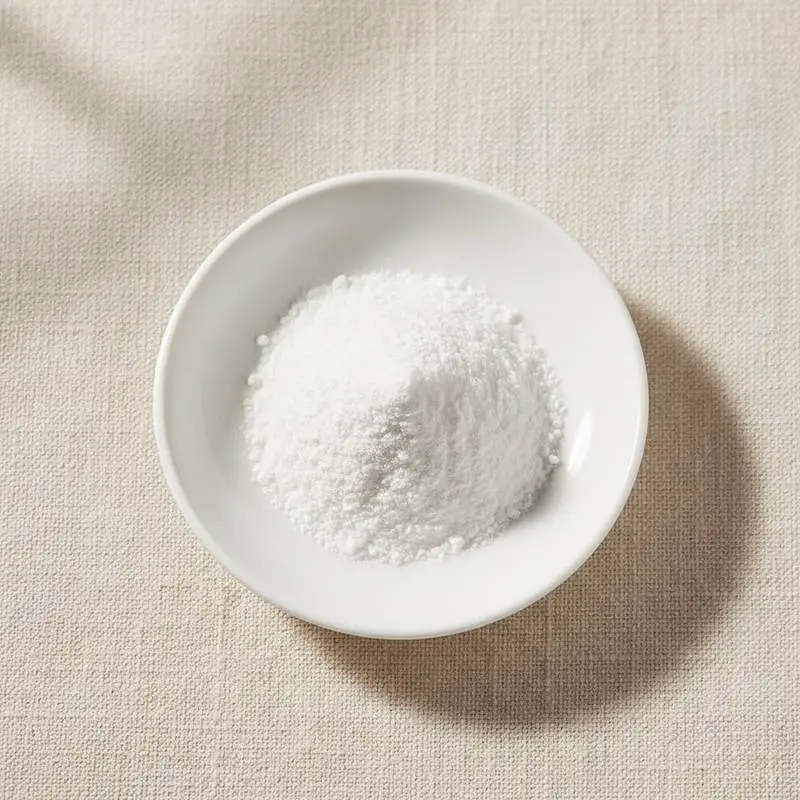
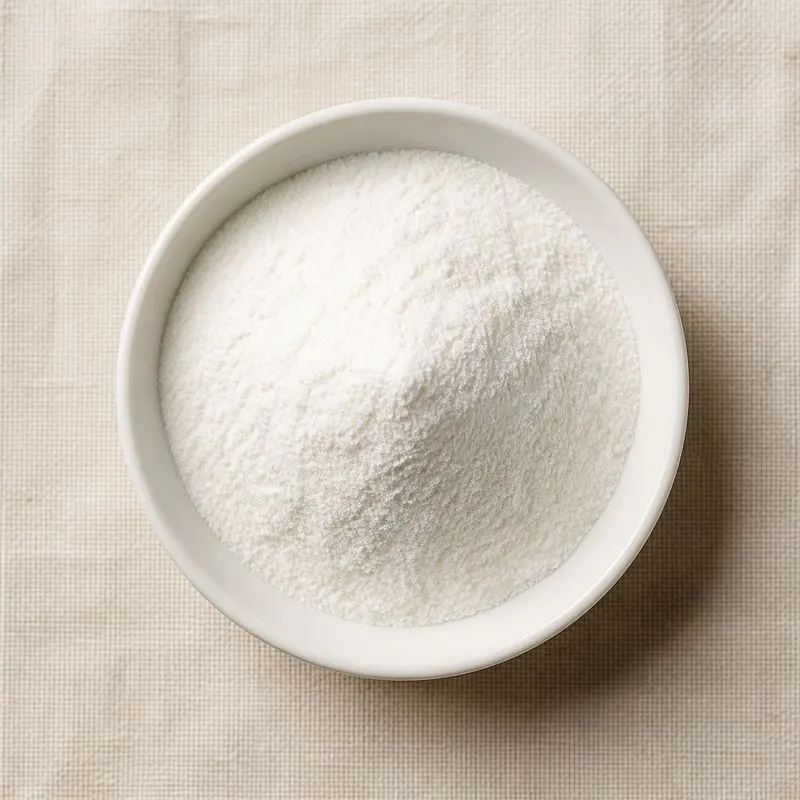
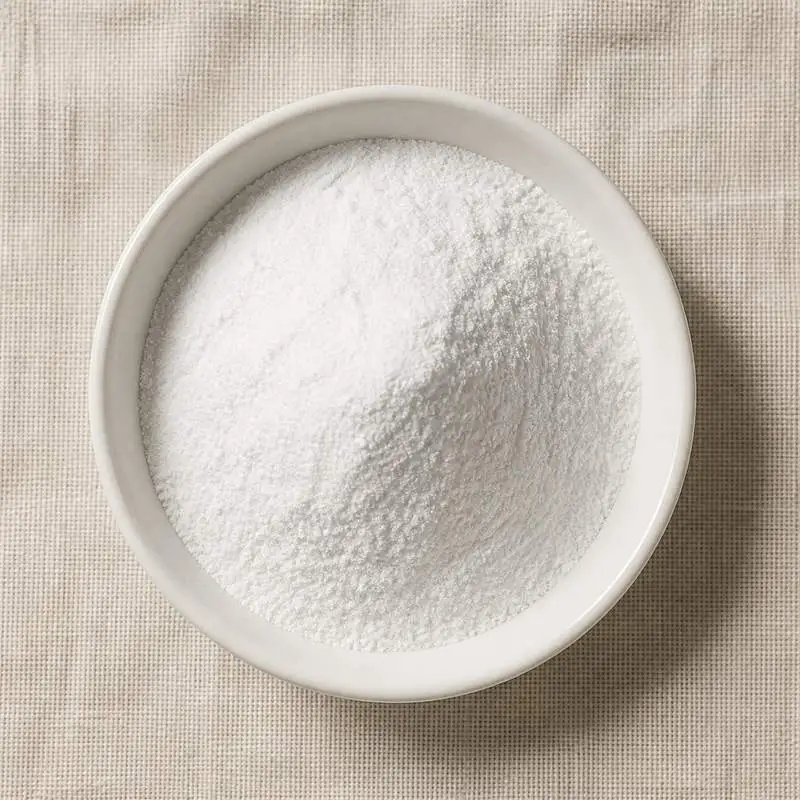
Commercial material is a white to pale yellow crystalline or amorphous powder, freely soluble in water and practically insoluble in ethanol and most organic solvents. It is hygroscopic and is packed with desiccant under inert gas. Its stability is pH dependent in a way that matters practically: the oxidised form is reasonably stable under acidic to neutral conditions but degrades under alkaline conditions, which is the mirror image of the reduced form, and solutions of both are made up fresh and held cold.
We source bulk Nad from top China manufacturers for our partners. The manufacturers are in Jilin and Guangdong. A smaller requirement can ship in a combined container with other ingredients.
Please send the grade you need, the volume and your destination port, and we will come back with a solution and a price.
or call +86-21-6858 0751
- Function
- Nutraceutical
Specifications
| Item | Specification |
|---|---|
| Appearance | White to pale yellow powder |
| Assay (HPLC, anhydrous basis) | Not less than 98.0 percent |
| Identification | Ultraviolet maximum near 260 nm and HPLC retention conform |
| Reduced Form (NADH) | Not more than 0.5 percent |
| Free Nicotinamide | Not more than 0.5 percent |
| Adenosine Monophosphate | Not more than 0.5 percent |
| Related Substances (total) | Not more than 2.0 percent |
| Loss on Drying | Not more than 5.0 percent |
| Residue on Ignition | Not more than 0.5 percent |
| pH (1 percent solution) | 2.0 to 4.0 |
| Residual Solvents | Conforms to ICH Class 3 limits |
| Lead | Not more than 0.5 mg/kg |
| Arsenic | Not more than 0.5 mg/kg |
| Total Plate Count | Not more than 1000 cfu/g |
| Yeast and Mould | Not more than 100 cfu/g |
| Salmonella | Absent in 25 g |
Common Markets Grades
The material is traded on assay and on the ratio of oxidised to reduced form. Biochemical and diagnostic grades run at 95 percent, 98 percent and 99 percent minimum by high performance liquid chromatography or by enzymatic assay against a dehydrogenase, and residual NADH is controlled as a named impurity because it interferes with the enzymatic assays the material is used in. Free nicotinamide, adenosine monophosphate and ADP ribose appear as degradation related substances on most specifications.
The commercial split is by end use rather than by tier. Diagnostic and biocatalysis grade material is specified on enzymatic activity and on interfering species, and is the largest established outlet. Food supplement grade is specified on assay, heavy metals and microbiological quality and is a newer and less standardised trade. Pharmaceutical grade to a national monograph exists in a small number of markets where NAD preparations are registered for injection. The disodium salt and the free acid are both offered, with the salt preferred for its handling and dissolution behaviour, and physical presentation is limited to fine powder, sometimes micronised, with no coated grade in general supply.
Applications
- Enzymatic diagnostic kits, where it is the cofactor whose absorbance change at 340 nanometres reports the reaction
- Clinical chemistry reagents for lactate, ethanol, ammonia and glucose determination
- Industrial biocatalysis, where dehydrogenase reactions require it as a cofactor with a regeneration system
- Cell free enzymatic manufacturing routes to fine chemicals and nucleotides
- Healthy ageing and cellular energy supplements in capsule, sublingual and liposomal formats
- Intravenous and intramuscular preparations administered in clinics in markets that permit them
- Cell culture and research media for metabolic and redox biology studies
- Substrate for enzymatic synthesis of nicotinamide mononucleotide and related nucleotides
- Cosmetic formulations positioned on cellular energy and skin renewal
- Analytical reference standard for nucleotide and coenzyme method development
Brands Using Nad
Widely-distributed consumer products that list Nad on the ingredient label.
Brand names, product names and logos are the property of their owners. They appear here as published evidence that the ingredient is used, taken from the brand's own label or website. Their appearance is not an endorsement, and it does not mean the brand buys from us or from any manufacturer listed on this site.
China Manufacturers of Nad
Top Nad manufacturers in China.


Company names and logos are the property of the manufacturers themselves. They are listed here because our own directory records them as producing this ingredient. A listing is not an endorsement by them, and we do not represent them or speak on their behalf.
Regulatory Status
NAD does not hold established food status in the major jurisdictions, and buyers should treat its regulatory position separately from that of its precursors. In the United States it is widely used as a biochemical and diagnostic reagent under chemical rather than food rules. As a supplement ingredient it has no generally recognised as safe determination for conventional food use and no broadly accepted new dietary ingredient notification, and the Food and Drug Administration has taken a restrictive view of intravenous NAD preparations, which are unapproved drugs when administered that way.
In the European Union NAD has not been authorised as a novel food and does not appear on the Union list of novel foods, so it may not lawfully be placed on the European market as a food or food supplement ingredient without an authorisation. It is not a food additive and carries no E number. Neither JECFA nor Codex has evaluated it or published specifications. Material sold for diagnostic, biocatalysis and research use moves under chemical and, where applicable, in vitro diagnostic device rules, which is a different framework from food supply, and the two should not be conflated on a certificate of analysis.
Manufacturing Process
Industrial production is by fermentation or by enzymatic conversion rather than by extraction; the older route from yeast biomass has been displaced on both yield and purity. The fermentation route uses a yeast such as Saccharomyces cerevisiae or an engineered bacterium grown in a stirred aerated vessel on a glucose based medium supplemented with nicotinamide or nicotinic acid; the culture is pushed into intracellular coenzyme accumulation before the cells are harvested and permeabilised or lysed to release the nucleotide pool. The enzymatic route is more selective: nicotinamide mononucleotide and adenosine triphosphate are joined by a nicotinamide mononucleotide adenylyltransferase in a stirred reactor, with a coupled system regenerating the triphosphate so that the reaction runs to completion on a catalytic cofactor charge.
Downstream the liquor is heated to stop the conversion, then clarified by centrifugation and microfiltration to remove cells, debris and enzyme protein. The nucleotide is captured on an anion exchange resin, washed to strip nicotinamide, adenosine monophosphate and medium components, and eluted as a concentrated fraction, with preparative reversed phase chromatography used where the reduced form and the degradation products are not cleared by ion exchange alone. The eluate is desalted by nanofiltration or electrodialysis, decolourised on activated carbon and concentrated under vacuum at low temperature. Product is recovered either by crystallisation from an aqueous ethanol system or by freeze drying where an amorphous powder is acceptable, then dried under vacuum, milled in a low humidity room and packed in foil laminate with desiccant under nitrogen.