Neotame
Neotame is a high-intensity sweetener derived from aspartame by attaching a 3,3-dimethylbutyl group to the free amino nitrogen of the aspartic acid residue. The N-alkyl modification increases binding affinity to the sweet taste receptor and boosts potency by roughly two orders of magnitude.
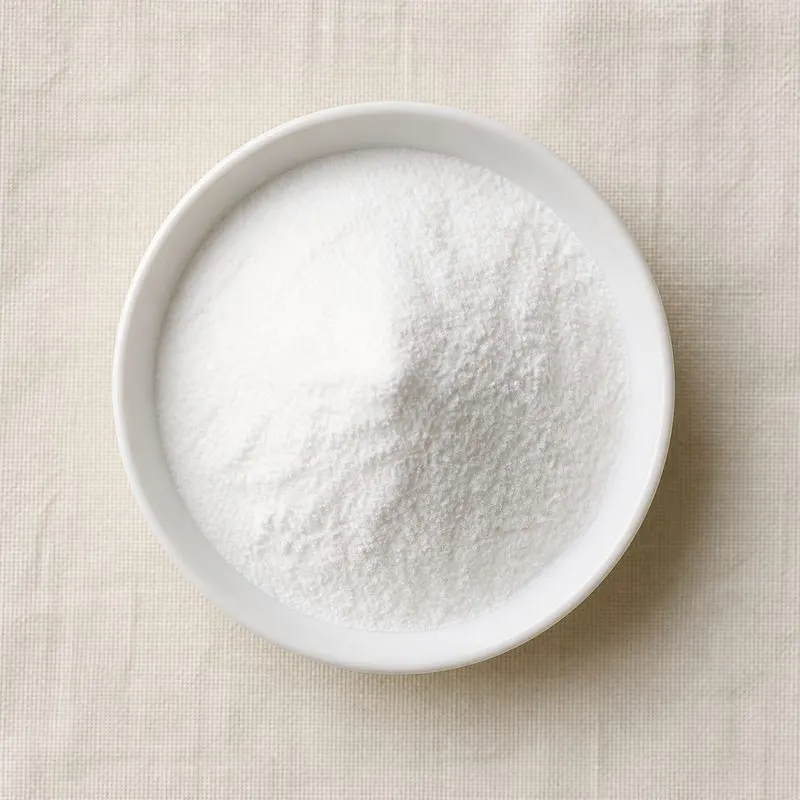
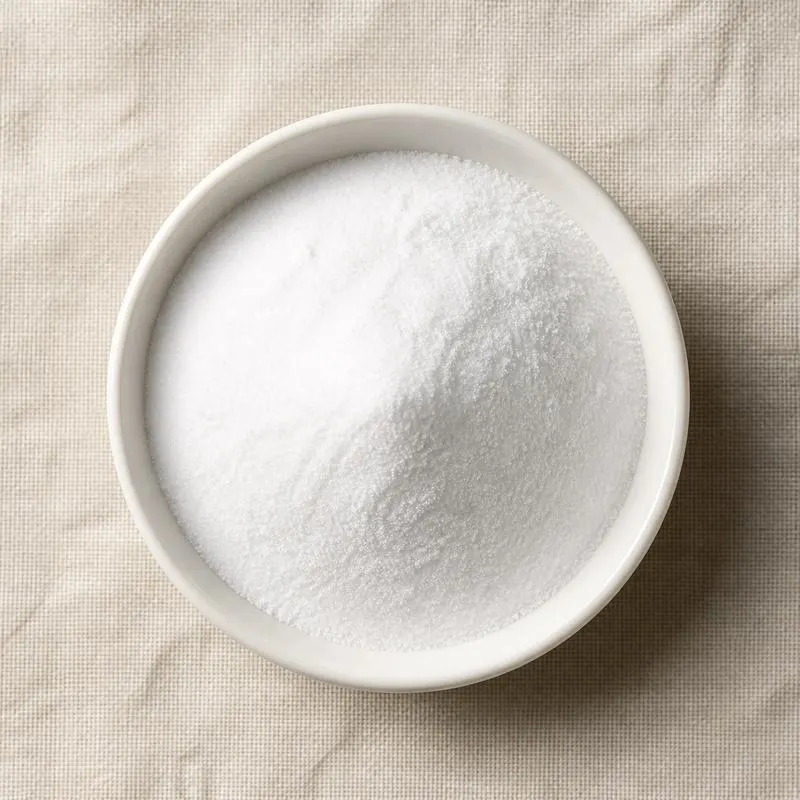
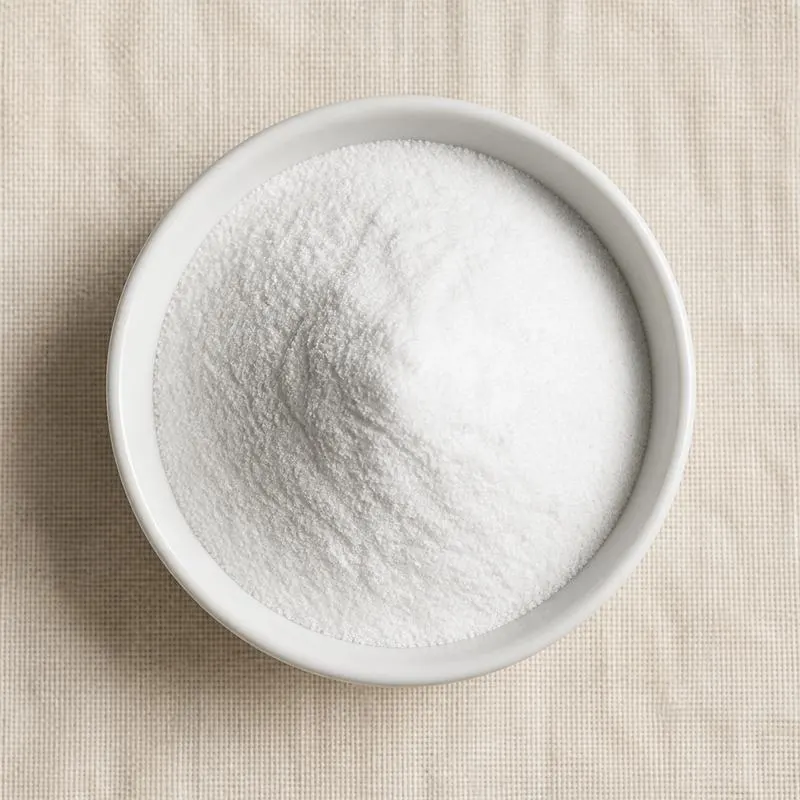
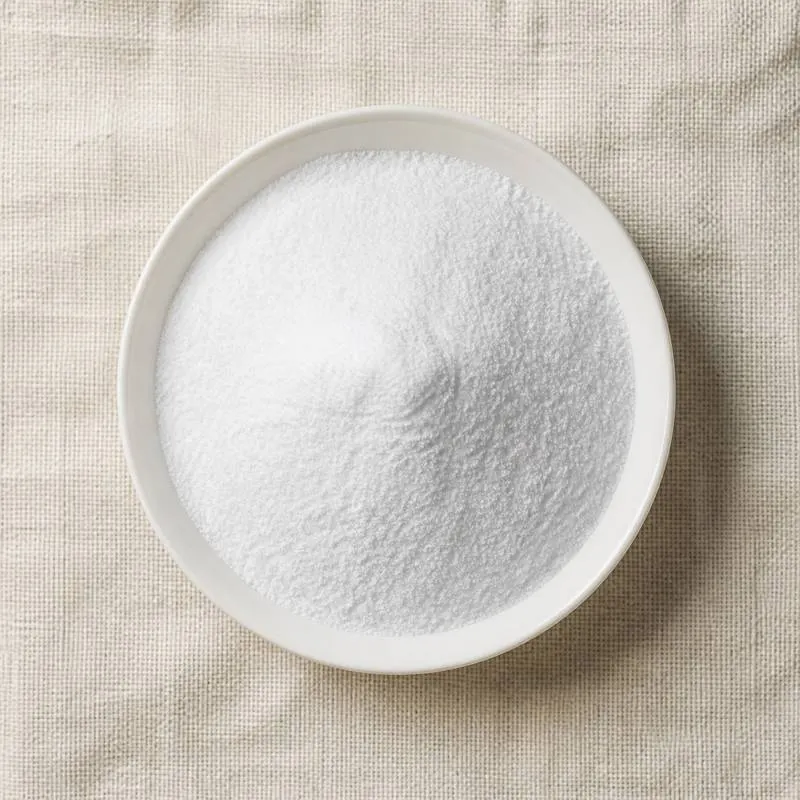
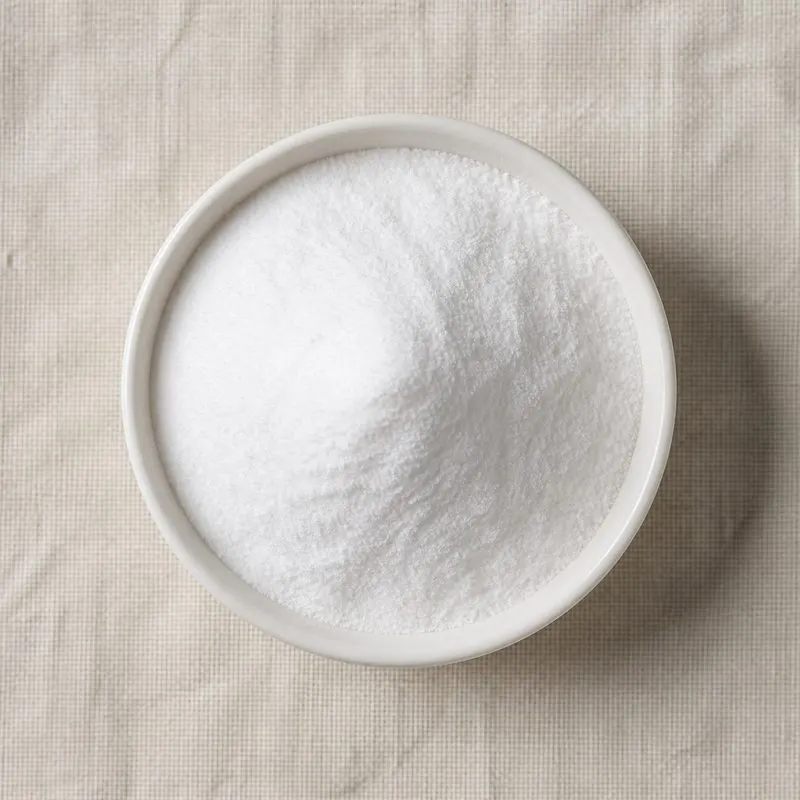
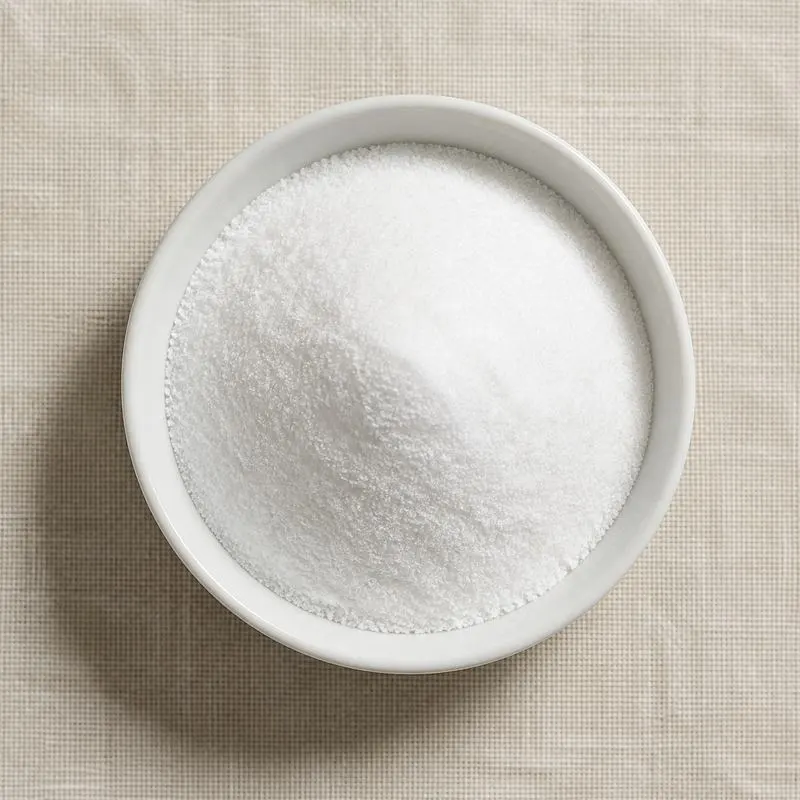
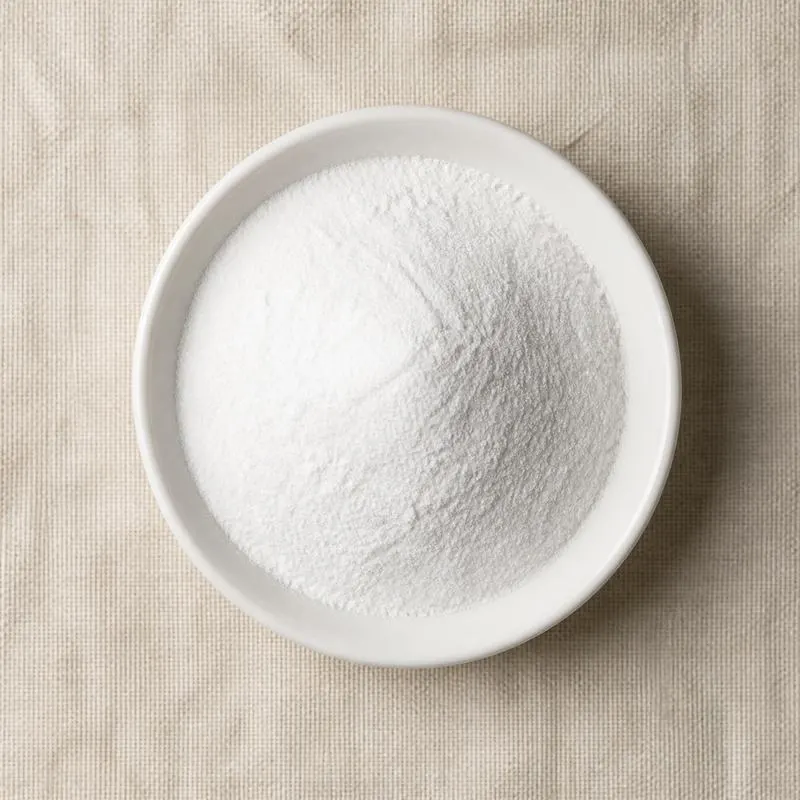
The molecule has the formula C₂₀H₃₀N₂O₅ and a molar mass of 378.46 g/mol. It is a white to off-white crystalline powder, sparingly soluble in water and freely soluble in ethanol.
Neotame is approximately 7,000 to 13,000 times sweeter than sucrose, depending on the reference matrix and concentration. The sweetness profile is clean and sucrose-like with extended duration, and the molecule also produces a measurable flavour-enhancing effect on fruit and dairy notes at sub-sweetening doses.
We source bulk Neotame from top China manufacturers for our partners. The manufacturer is in Hubei. For this ingredient the minimum order is 500 kg and a 20-foot container takes 6.5 MT, and a smaller requirement can ship in a combined container with other ingredients.
Please send the grade you need, the volume and your destination port, and we will come back with a solution and a price.
or call +86-21-6858 0751
- Minimum order
- 500 kg
- Qty in 20' FCL
- 6.5 MT
- Packaging
- 25 kg kraft paper bag with PE inner liner
- ISO 9001
- HACCP
- Halal
- Kosher
Specifications
| Item | Specification |
|---|---|
| Appearance | White powder |
| Neotame content (dry basis) w/% | 97.0~102.0 |
| N-[N-(3,3-Dimethybutyl)-L-α-aspartyl]-L-phenylalanine w/% | ≤ 1.5 |
| Related Substances w/% | ≤ 2.0 |
| Melting Point/℃ | 81~84 |
| Water content w/% | ≤ 5.0 |
| Residue on Ignition w/% | ≤ 0.2 |
| pH | 5.0~7.0 |
| Lead(Pb) /(mg/kg) | ≤ 1 |
| Specific rotation m(20℃, D)[( °) ·dm ·kg-1] | -40.0º~-43.3º |
| Aerobic Plate Count | < 250 cfu/g |
| Coliforms | < 10 mpn/g |
| Fungi | < 9 cfu/g |
| Shigella | Non |
Common Markets Grades
There is one grade of neotame, at 97 percent minimum assay on the dried basis, serving both food and pharmaceutical use. It comes in different particle sizes and as carrier dilutions, which are physical forms of the same grade rather than separate grades.
The standard form is a fine crystalline powder. A micronized form is produced for tablet manufacture and ultra-low-dose dry beverage mixes, where the small per-serving dose requires uniform particle distribution to ensure consistent sweetness from sachet to sachet.
Because typical use levels are in the single-digit parts-per-million range, working dilutions on a maltodextrin or dextrose carrier are commonly prepared to ease accurate batch dosing. The food-grade material complies with the FCC monograph.
Applications
- Diet and reduced-sugar carbonated soft drinks, often in synergistic blends with acesulfame potassium
- Sugar-free chewing gum, breath mints, and hard candies
- Tabletop sweetener blends with bulking agents such as erythritol or maltodextrin
- Yogurt, drinkable yogurt, and flavoured dairy beverages
- Frozen desserts, ice cream, and frozen novelty bars
- Sugar-free jams, jellies, and fruit spreads
- Baked goods including cookies, cakes, and muffins where heat stability is required
- Breakfast cereals and reduced-sugar cereal bars
- Pharmaceutical chewable tablets, lozenges, and pediatric syrups
- Flavour enhancement at sub-sweetening levels in fruit beverages and dairy
- Sauces, dressings, and condiments such as low-calorie ketchup
- Sports nutrition products including protein powders and ready-to-drink shakes
Brands Using Neotame
Widely-distributed consumer products that list Neotame on the ingredient label.
- Ice BreakersIce Breakers Ice Cubes Fruit Punch Sugar Free Gum ↗A Hershey sugar-free gum listing neotame in the ingredient panel alongside aspartame, acesulfame potassium and sucralose.Label verified 2026-05-24
- Ice BreakersIce Breakers Ice Cubes Spearmint Sugar Free Gum ↗A Hershey sugar-free gum listing neotame among the sweeteners in its ingredient panel.Label verified 2026-05-24
Brand names, product names and logos are the property of their owners. They appear here as published evidence that the ingredient is used, taken from the brand's own label or website. Their appearance is not an endorsement, and it does not mean the brand buys from us or from any manufacturer listed on this site.
China Manufacturers of Neotame
Top Neotame manufacturers in China.

Company names and logos are the property of the manufacturers themselves. They are listed here because our own directory records them as producing this ingredient. A listing is not an endorsement by them, and we do not represent them or speak on their behalf.
How We Help Source Neotame
Direct Factory Sourcing
We run the whole process: selecting the manufacturer from the top Chinese food ingredient producers, negotiating the price, verifying quality, and coordinating the logistics. You deal with us instead of with several factories at once.
Original Packaging and Documents from the Manufacturer
The manufacturer sends your Neotame out of its own factory in the original packing, through to your destination port. The COA, COO, MSDS, TDS and any certifications reach you from the manufacturer as well.
Free Samples and Lead Time
We send 100 to 500 g free for your own laboratory to test and you cover only the courier, usually within 2 to 3 working days. ETD is usually within 7 to 15 days once the order is confirmed, and we check that date against the factory's own manufacturing schedule before we give it to you.
Combined Shipment
We can load Neotame together with other ingredients such as Stevia, Erythritol and Maltitol into one 20' FCL. If your quantity is small, we can also ship LCL.
Regulatory Status
Neotame is approved as a general-purpose sweetener in more than 50 countries.
The U.S. Food and Drug Administration approved neotame as a general-purpose sweetener and flavour enhancer in July 2002 under 21 CFR 172.829, following a food additive petition submitted by The NutraSweet Company.
In the European Union it carries the E number E961 under Regulation (EC) No 1333/2008, with use levels defined per food category in Annex II. The European Food Safety Authority (EFSA) issued a favorable scientific opinion in 2007 that supported the EU listing.
JECFA evaluated neotame and assigned acceptable status. Approval has also been granted by Food Standards Australia New Zealand (FSANZ), Health Canada, the Food Safety and Standards Authority of India (FSSAI), and a number of other regulators worldwide.
Although neotame is structurally derived from aspartame, the N-alkyl group on the aspartic acid residue blocks enzymatic cleavage of the dipeptide bond at the same position. As a result, neotame releases only trace amounts of free phenylalanine on metabolism, and labels do not require the phenylketonuria warning that applies to aspartame.
Manufacturing Process
Neotame is manufactured from aspartame through a single reductive amination step.
Aspartame is first prepared by the enzymatic coupling of N-protected L-aspartic acid with L-phenylalanine methyl ester, followed by deprotection. The free alpha-amino group of the aspartic acid residue is then condensed with 3,3-dimethylbutyraldehyde under reductive amination conditions, typically with sodium triacetoxyborohydride or hydrogen with a heterogeneous palladium or platinum catalyst.
The reaction installs the N-(3,3-dimethylbutyl) side chain that defines neotame and that is responsible for the dramatic increase in potency relative to the parent aspartame.
The crude product is isolated by crystallisation from an aqueous-organic solvent system, treated to remove residual catalyst, and recrystallised to specification purity. The dried crystals are milled and screened. Process control focuses on residual aspartame, related N-alkyl impurities, and residual solvents.