Wheat Germ Oil
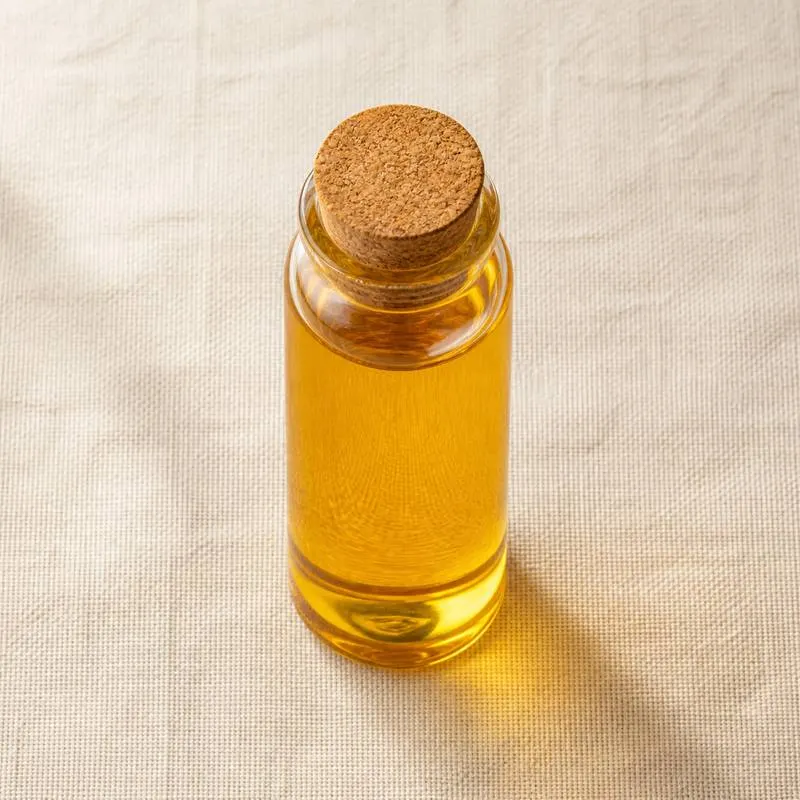
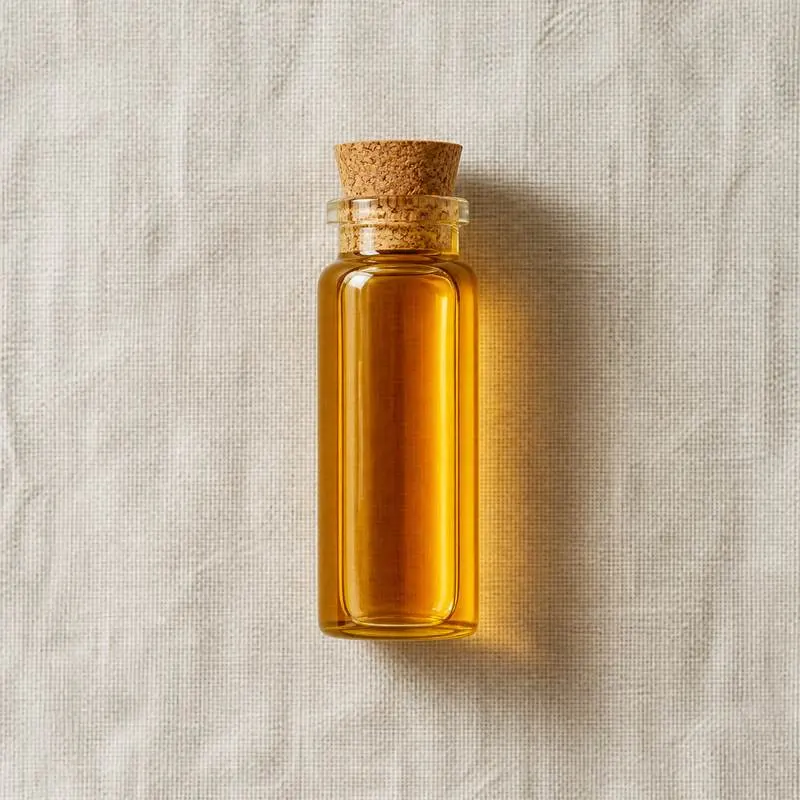
Wheat germ oil is the lipid fraction recovered from the germ, or embryo, of the wheat kernel, a tissue that makes up only about 2 to 3 percent of the grain but carries most of its oil. It is a golden to reddish-amber viscous liquid with a distinct cereal aroma, and it is notable chiefly for having the highest natural tocopherol content of any common vegetable oil, typically 1500 to 2500 mg/kg of total tocopherols with alpha-tocopherol the dominant form.
The fatty acid profile is highly unsaturated: roughly 55 to 60 percent linoleic acid, 12 to 20 percent oleic acid, 5 to 8 percent alpha-linolenic acid and about 15 to 18 percent saturated fat, mainly palmitic. The unsaponifiable fraction is large by vegetable oil standards and contains phytosterols, policosanol and octacosanol, which is why the oil is sold as a nutritional and cosmetic ingredient rather than as a cooking fat.
Its polyunsaturation makes it oxidation prone despite the tocopherols, and it will not tolerate frying temperatures. It is oil soluble, insoluble in water, and is used neat, in softgel capsules, or emulsified.
We source bulk Wheat Germ Oil from top China manufacturers for our partners. The manufacturer is in Hebei. A smaller requirement can ship in a combined container with other ingredients.
Please send the grade you need, the volume and your destination port, and we will come back with a solution and a price.
or call +86-21-6858 0751
- Function
- Nutraceutical
Specifications
| Item | Specification |
|---|---|
| Appearance | Clear golden to reddish-amber viscous oil, free from sediment at 20 degrees C |
| Odour and taste | Characteristic cereal note, free from rancidity |
| Total tocopherols | 1500 mg/kg minimum |
| Linoleic acid | 52.0 to 60.0 percent of total fatty acids |
| Alpha-linolenic acid | 4.0 to 8.0 percent of total fatty acids |
| Free fatty acid | 2.0 percent maximum as oleic acid, cold pressed grade |
| Peroxide value | 10.0 meq/kg maximum |
| Moisture and volatile matter | 0.2 percent maximum |
| Unsaponifiable matter | 6.0 percent maximum |
| Refractive index at 20 degrees C | 1.474 to 1.478 |
| Heavy metals (as Pb) | 10 mg/kg maximum |
| Lead | 0.1 mg/kg maximum |
| Arsenic | 0.1 mg/kg maximum |
| Residual hexane | 1.0 mg/kg maximum where solvent extracted |
Common Markets Grades
The primary division is between cold pressed unrefined oil and refined oil. Cold pressed material retains the full tocopherol load, the deep colour and the cereal flavour, and is the grade bought for supplements and cosmetics. Refined, bleached and deodorised oil is paler and blander, loses a portion of the tocopherols and phosphatides in processing, and is used where flavour would be intrusive or where a clear oil is needed in a formulated product. Solvent extracted oil, generally hexane, is also traded and is normally refined afterwards.
Beyond the refining split, buyers specify on vitamin E content, which is the value the oil is priced against, and on free fatty acid and peroxide value, since germ is enzymatically active and deteriorates quickly if it is not stabilised soon after milling. Concentrated tocopherol-enriched wheat germ oil and encapsulated or powdered forms on maltodextrin carriers are offered for dry blending. Organic certified lots are available.
Applications
- Softgel capsules and liquid supplements sold on their natural vitamin E and octacosanol content
- Nutritional oil blends, where a small addition raises the tocopherol level of a base oil
- Natural antioxidant carrier in fats and oils, contributing tocopherols that slow oxidation of the host lipid
- Infant and toddler foods, where it supplies linoleic and alpha-linolenic acid in a cereal-derived form
- Salad dressings and finishing oils used unheated, where the cereal note is wanted
- Bakery enrichment, added to doughs and batters at low levels for flavour and lipid quality
- Sports nutrition products formulated around octacosanol
- Skin and hair care emulsions, where the oil is used as an emollient and a natural tocopherol source
- Feed and pet nutrition premixes as a fat-soluble vitamin carrier
Brands Using Wheat Germ Oil
Widely-distributed consumer products that list Wheat Germ Oil on the ingredient label.
Brand names, product names and logos are the property of their owners. They appear here as published evidence that the ingredient is used, taken from the brand's own label or website. Their appearance is not an endorsement, and it does not mean the brand buys from us or from any manufacturer listed on this site.
China Manufacturers of Wheat Germ Oil
Top Wheat Germ Oil manufacturers in China.

Company names and logos are the property of the manufacturers themselves. They are listed here because our own directory records them as producing this ingredient. A listing is not an endorsement by them, and we do not represent them or speak on their behalf.
Regulatory Status
Wheat germ oil is a conventional vegetable oil in the United States and is used as a food and dietary ingredient without needing a specific additive clearance. The practical regulatory obligation is allergen labelling, because wheat is a major food allergen and the oil is not exempt from declaration in the way that some highly refined oils are treated in other jurisdictions. Producers also operate under the preventive controls framework, and where the oil is sold on its vitamin E content the label claims fall under the nutrient content claim rules.
In the European Union it is likewise a food, not an additive, and carries no E number. Wheat is a listed allergen that must be emphasised in the ingredient list, and cereal-derived oils are covered by the general contaminant and hygiene legislation for foodstuffs. Codex has a standard for named vegetable oils that sets identity characteristics and quality parameters for edible oils of this type, and the general Codex provisions on contaminants and on labelling apply.
Manufacturing Process
The starting material comes from flour milling. Germ is separated from the wheat kernel on the roller mill and purifier system as a distinct fraction, then screened and aspirated to remove bran and endosperm fines. Because the germ carries active lipase and lipoxygenase, it is normally stabilised soon after separation by short heat treatment or extrusion, and it is either processed quickly or held cold, since untreated germ can go rancid within days.
Cleaned germ is flaked and pressed in a low-speed screw expeller run at moderate temperature to keep the tocopherols intact, giving crude oil and a press cake. The crude oil is settled, filtered and, for the unrefined grade, simply winterised and packed under nitrogen. For a refined grade the oil is degummed with water or acid, neutralised with caustic to strip free fatty acids, bleached over activated earth and lightly deodorised under vacuum at the lowest workable temperature, since prolonged deodorisation strips the tocopherols that give the oil its value. Press cake may be solvent extracted to recover residual oil, and the finished oil is filled into drums or flexitanks under nitrogen and stored away from light.