Panax Ginsenosides
Panax Ginsenosides are a family of dammarane-type and oleanane-type triterpene saponins that make up the principal bioactive class of Panax ginseng (Asian or Korean ginseng) and Panax quinquefolius (American ginseng) roots.
More than 180 individual ginsenosides have been characterised to date. The commercial trade focuses on a smaller set of marker compounds (Rb1, Rb2, Rc, Rd, Re, Rf, Rg1, Rg2, Rg3, Rh1, Rh2, and the compound K metabolite), expressed in aggregate as total ginsenoside content.
We source bulk Panax Ginsenosides from top China manufacturers for our partners. The manufacturer is in Jilin. A smaller requirement can ship in a combined container with other ingredients.
Please send the grade you need, the volume and your destination port, and we will come back with a solution and a price.
or call +86-21-6858 0751
- Packaging
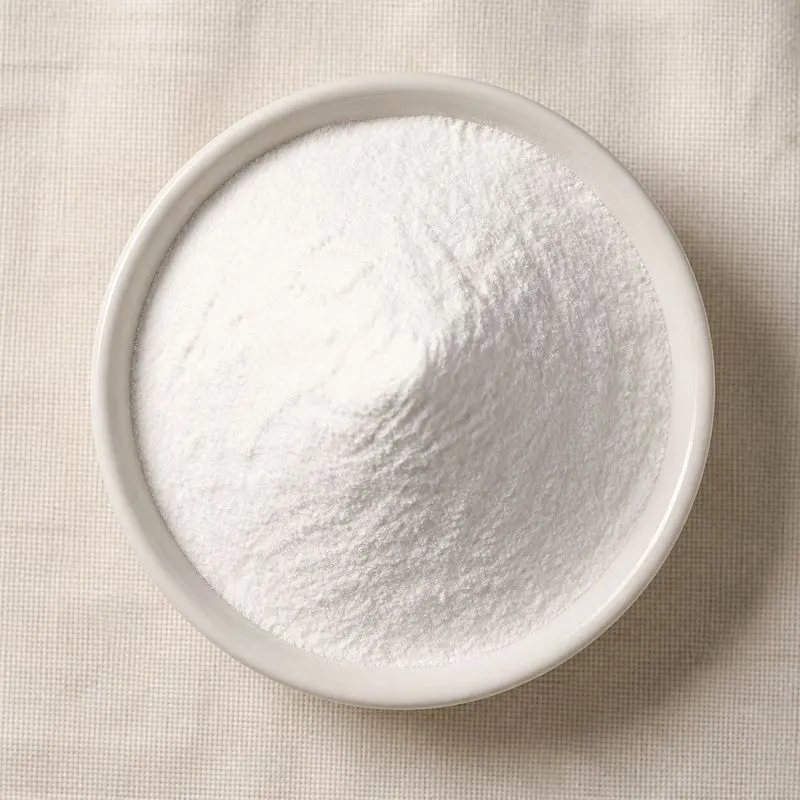
- 25 kg kraft paper bag with PE inner liner
- ISO 9001
- HACCP
- Halal
- Kosher
Specifications
| Item | Specification |
|---|---|
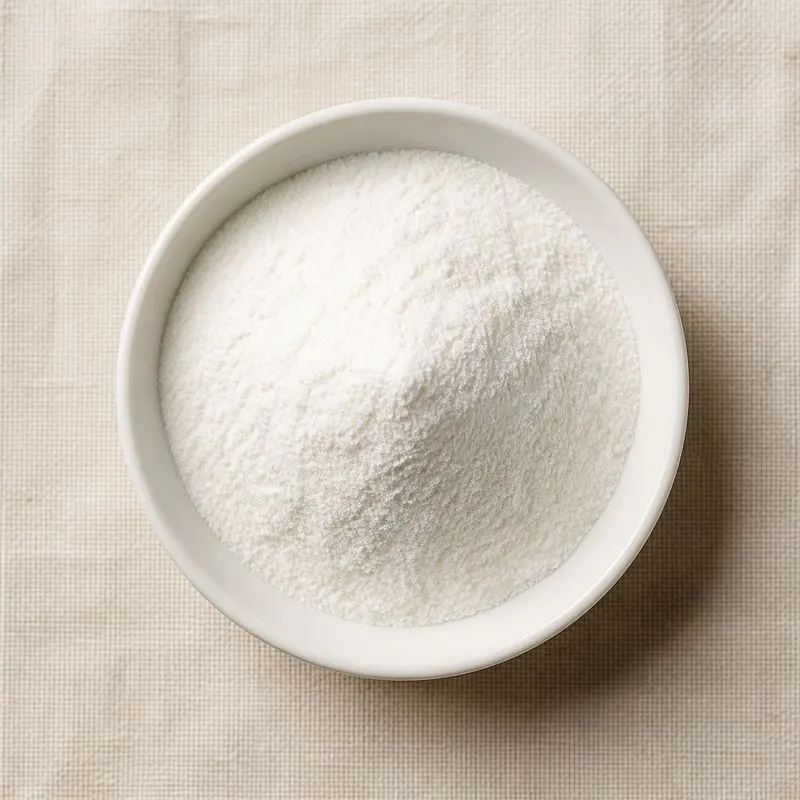
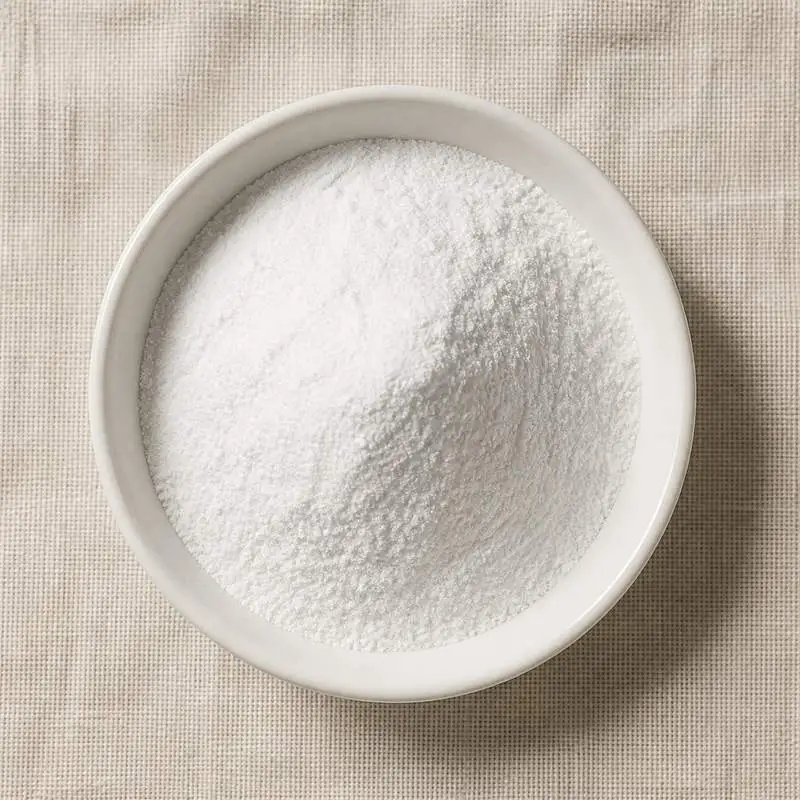
| Appearance | White to light yellow fine powder |
| Total Ginsenosides (HPLC) | 50–98% |
| Moisture | ≤5.0% |
| Ash | ≤5.0% |
| Extraction Solvent | Ethanol |
| Residual Solvents | Complies with USP |
| Particle Size (80 mesh) | ≥95% |
| Heavy Metals (as Pb) | ≤2 mg/kg |
| Pesticide Residues | Complies |
| Total Plate Count | ≤1,000 cfu/g |
| Salmonella | Absent in 25g |
Common Markets Grades
Ginseng root extracts standardised to total ginsenosides are the dominant commercial format.
Standard grades include 5 percent, 10 percent, 20 percent, 30 percent, 50 percent, and 80 percent total ginsenosides by HPLC or by the UV spectrophotometric (vanillin-sulphuric) method.
Lower-strength grades (5 to 20 percent) are produced by water or ethanol extraction with light refinement and are used in capsules, tonic drinks, and functional foods.
Higher-strength grades (30 to 80 percent) require resin chromatography and are positioned for premium supplements and traditional-medicine concentrates.
Specialty grades are produced with skewed Rg1:Rb1 ratios, with enriched minor ginsenosides (Rg3, Rh2, compound K) produced by acid hydrolysis or microbial conversion, and as red-ginseng extracts with characteristic Maillard-reaction profiles.
Individual ginsenosides at greater than 98 percent (HPLC) are produced for reference and pharmacological work.
Applications
- Energy and vitality supplements positioned around adaptogenic stress support
- Cognitive and focus capsules combined with rhodiola, schisandra, or eleuthero
- Sports-nutrition pre-workouts drawing on ginsenoside performance research
- Functional shots, ready-to-drink tonics, and traditional ginseng beverage extracts
- Immune-support blends paired with astragalus, reishi, or vitamin C
- Men's vitality and women's hormonal-balance formulas
- Healthy-aging and longevity stacks combined with NMN, NAD+ precursors, or resveratrol
- Traditional Chinese and Korean medicine concentrated granules and instant teas
- Skincare serums and creams drawing on anti-aging saponin research
- Coffee, chocolate, and confectionery functional fortification at low inclusion rates
- Veterinary tonic formulas for senior pet vitality
Brands Using Panax Ginsenosides
Widely-distributed consumer products that list Panax Ginsenosides on the ingredient label.
- Life ExtensionLife Extension Ginseng Energy Boost ↗200 mg fermented Panax ginseng extract per serving, delivering bioavailable ginsenosides (including Compound K) for energy and ATP support.Label verified 2026-05-24
- RedsenolRedsenol-1 Plus Highly Concentrated Ginseng Extract (20% Rare Ginsenosides Rg3, Rg5, Rh2) ↗Panax ginseng extract capsule containing 16 rare ginsenosides (Rk2, Rg3, Rg5, Rh2, Rk1, Rk3, etc.) at no less than 20% total rare ginsenosides.Label verified 2026-05-24
- Nature's WayNature's Way Korean Ginseng Standardized ↗Capsules of Panax ginseng root extract standardised to ginsenosides.Label verified 2026-05-24
- AuraginAuragin Authentic Korean Red Ginseng ↗Tablets of Korean red Panax ginseng extract standardised to 8% ginsenosides.Label verified 2026-05-24
- SolaraySolaray Korean Ginseng Root Extract ↗Panax ginseng root extract capsule standardised for ginsenoside content as an adaptogenic energy supplement.Label verified 2026-05-24
Brand names, product names and logos are the property of their owners. They appear here as published evidence that the ingredient is used, taken from the brand's own label or website. Their appearance is not an endorsement, and it does not mean the brand buys from us or from any manufacturer listed on this site.
China Manufacturers of Panax Ginsenosides
Top Panax Ginsenosides manufacturers in China.
Company names and logos are the property of the manufacturers themselves. They are listed here because our own directory records them as producing this ingredient. A listing is not an endorsement by them, and we do not represent them or speak on their behalf.
How We Help Source Panax Ginsenosides
Direct Factory Sourcing
We run the whole process: selecting the manufacturer from the top Chinese food ingredient producers, negotiating the price, verifying quality, and coordinating the logistics. You deal with us instead of with several factories at once.
Original Packaging and Documents from the Manufacturer
The manufacturer sends your Panax Ginsenosides out of its own factory in the original packing, through to your destination port. The COA, COO, MSDS, TDS and any certifications reach you from the manufacturer as well.
Free Samples and Lead Time
We send 100 to 500 g free for your own laboratory to test and you cover only the courier, usually within 2 to 3 working days. ETD is usually within 7 to 15 days once the order is confirmed, and we check that date against the factory's own manufacturing schedule before we give it to you.
Combined Shipment
We can load Panax Ginsenosides together with other ingredients such as Arachidonic Acid, Coenzyme Q10 and Chondroitin Sulphate Sodium into one 20' FCL. If your quantity is small, we can also ship LCL.
Regulatory Status
Panax ginseng root and its extracts are listed in multiple pharmacopoeias, including the Chinese, Korean, Japanese, and European pharmacopoeias.
In the United States, both Asian and American ginseng extracts are widely marketed as dietary ingredients under DSHEA.
In the European Union, Panax ginseng root has a traditional-herbal-medicinal-product registration in several member states and is widely used in food supplements with EFSA-evaluated marker-compound specifications.
The European Medicines Agency (EMA) HMPC monograph for ginseng root covers traditional use for symptoms of asthenia.
Health Canada lists ginseng under its Natural Health Products framework with monograph-level claims for energy and cognitive function.
Kosher and Halal certifications are routinely available for plant-derived, ethanol-extracted material.
Manufacturing Process
Commercial ginsenoside extracts are produced from cultivated Panax ginseng roots (mainly from Jilin and Heilongjiang in China and from Geumsan in South Korea) and from Panax quinquefolius roots (mainly from Wisconsin in the United States and Ontario in Canada).
The dried, milled roots are extracted with hot water or 50 to 70 percent ethanol. The crude extract is filtered, concentrated under vacuum, and either spray-dried directly for low-strength grades or passed over macroporous adsorption resin for enrichment.
Resin chromatography (typically D101 or HPD-100) separates saponins from sugars and polar impurities. Water wash removes hydrophilic by-products, and 60 to 80 percent ethanol elutes the saponin fraction. The eluate is concentrated, dried, and standardised by HPLC.
Red ginseng grades are produced by steaming fresh roots at 95 to 100 °C for several hours before drying. The steaming step drives partial Maillard browning and converts a portion of the polar ginsenosides (Rb1, Re, Rg1) to less polar species (Rg3, Rh1, Rh2), giving red ginseng its characteristic colour and modified pharmacology.
Minor ginsenosides such as compound K are increasingly produced by enzymatic or microbial bioconversion using β-glucosidases or engineered yeast.