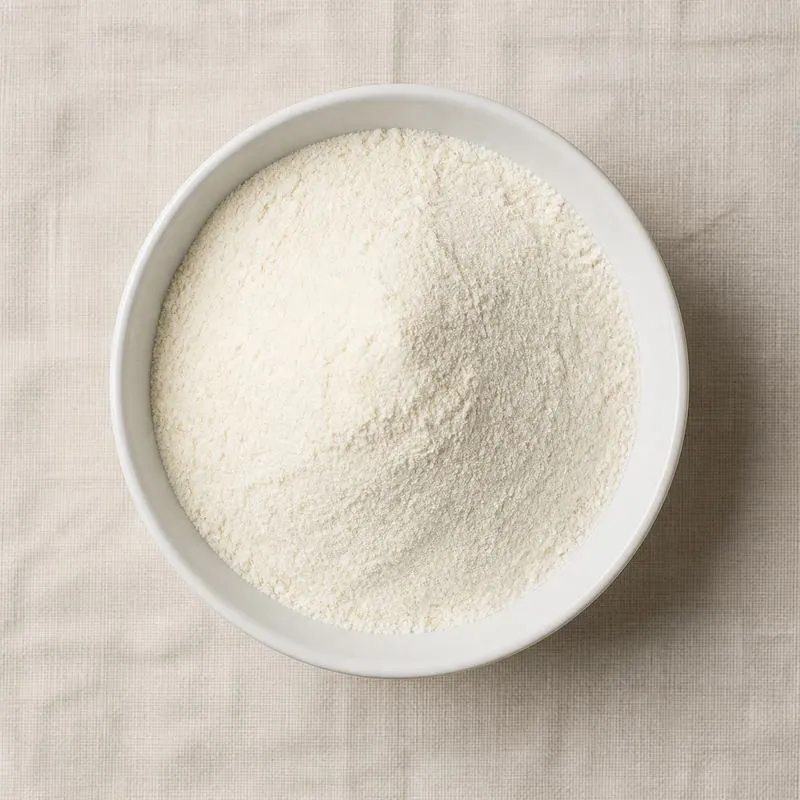
Pea Protein Crisps
Pea Protein Crisps are small, crunchy extruded nuggets made from pea protein isolate or concentrate combined with starch and minor ingredients. They are the leading non-soy crisp inclusion for protein and nutrition bar formulations.
The crisps deliver protein content of 60 to 80 percent in a low-density, audibly crunchy format that holds up over the shelf life of finished bars and cereal products.
We source bulk Pea Protein Crisps from top China manufacturers for our partners. The manufacturer is in Henan. A smaller requirement can ship in a combined container with other ingredients.
Please send the grade you need, the volume and your destination port, and we will come back with a solution and a price.
or call +86-21-6858 0751
- Packaging
- 25 kg kraft paper bag with PE inner liner
- ISO 9001
- HACCP
- Halal
- Kosher
Specifications
| Item | Specification |
|---|---|
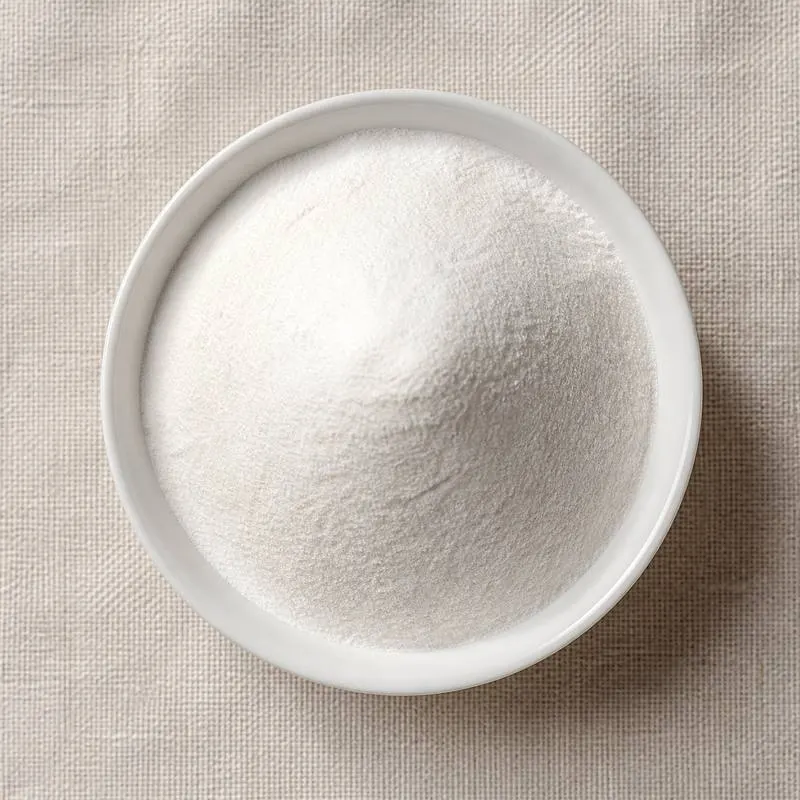
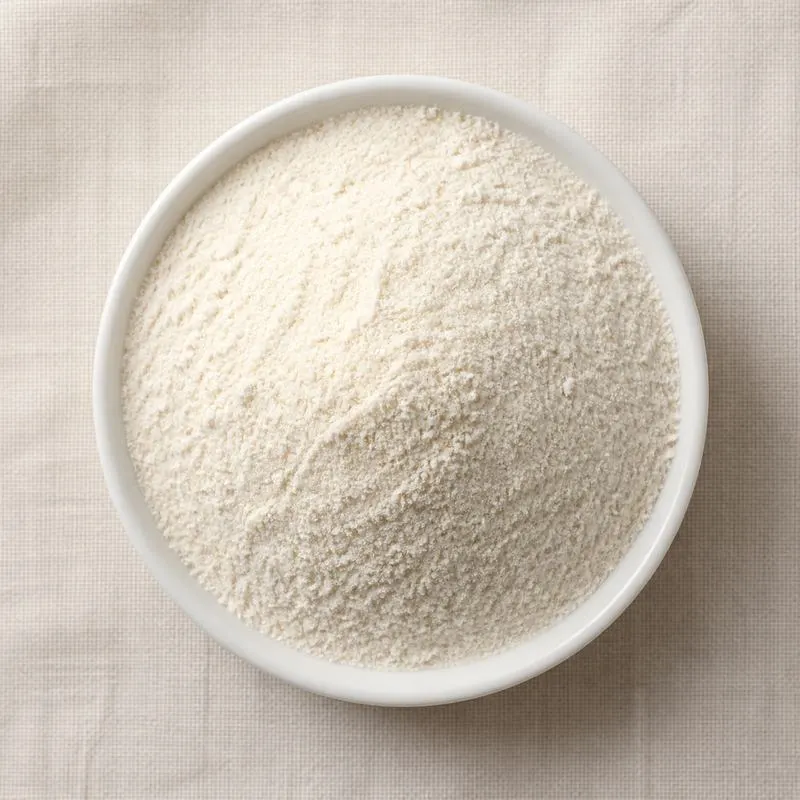
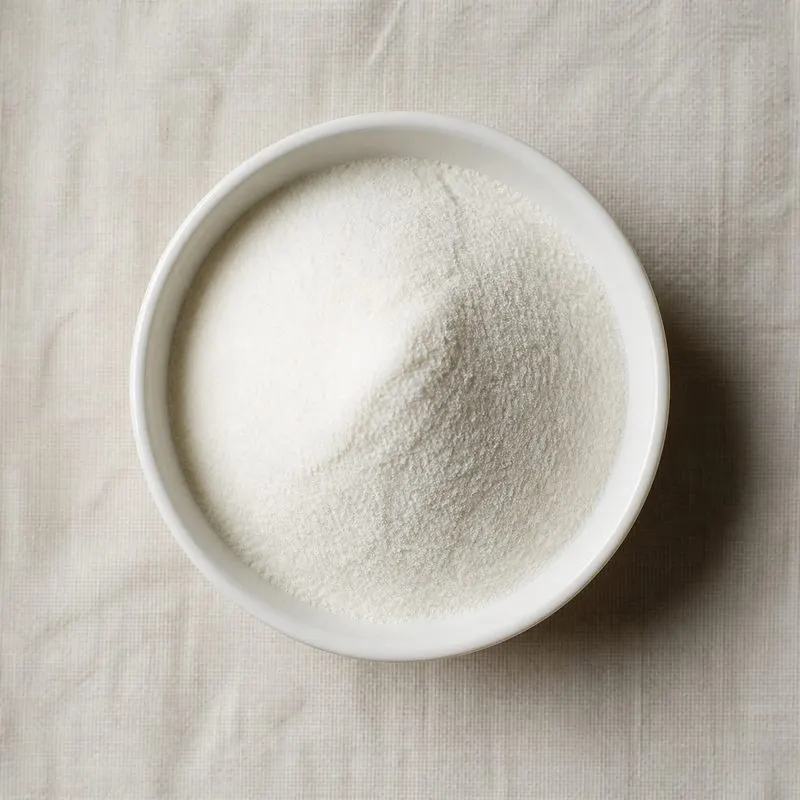
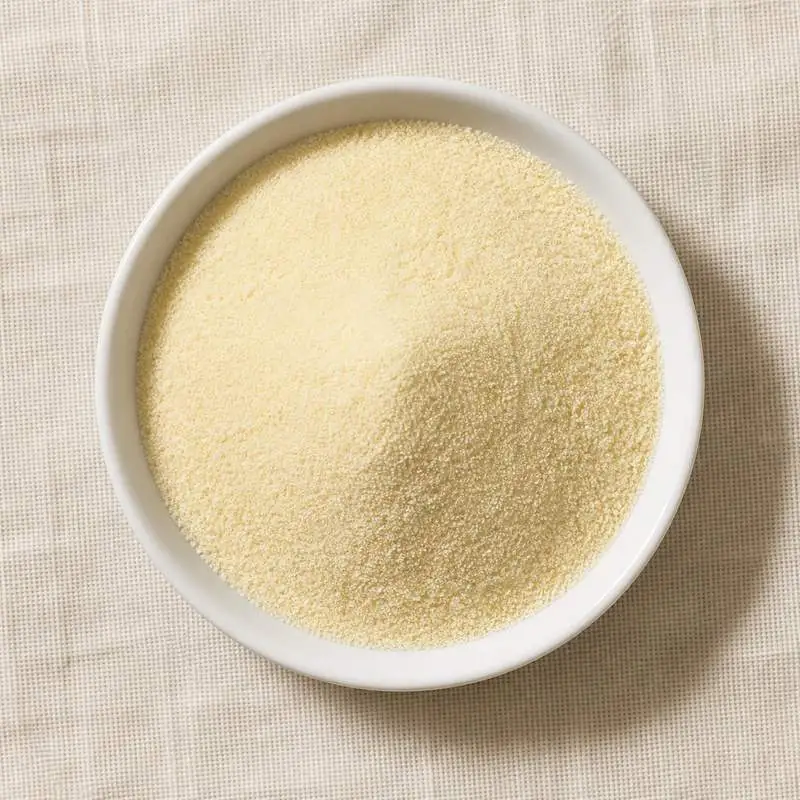
| Appearance | Light yellow crunchy crisps |
| Protein | 50–70% |
| Moisture | ≤6.0% |
| Fat | ≤5.0% |
| Carbohydrates | 15–30% |
| Particle Size | 2–12 mm |
| Bulk Density | 180–280 g/L |
| Water Activity | ≤0.4 |
| Gluten | <20 ppm |
| Heavy Metals (as Pb) | ≤2 mg/kg |
| Total Plate Count | ≤10,000 cfu/g |
| Salmonella | Absent in 25g |
Common Markets Grades
Pea Protein Crisps are graded by protein content and by particle geometry.
Standard grades cover 60, 70, and 80 percent protein. The lower-protein grades use a higher starch ratio and deliver a lighter, crunchier crisp. The 80 percent grade is denser and aimed at high-protein bar formulations.
Particle sizes range from 2 mm fines for coating and topping use through 4 to 6 mm standard bar crisps to 8 to 10 mm pillow shapes for cereal applications.
Coated and inclusion grades carry a chocolate, yogurt, or caramel shell that protects the crisp from moisture migration in finished bars and adds flavour.
Allergen-friendly grades produced in dedicated soy-free, gluten-free, and dairy-free facilities are routinely available and carry a premium for premium-positioned bar brands.
Applications
- Plant-based and vegan protein bars across sports nutrition, meal replacement, and snack categories
- Soy-free and allergen-friendly nutrition bars
- Granola bars and cereal bars seeking a protein claim without dairy or soy
- Ready-to-eat breakfast cereals and high-protein cereal blends
- Yogurt toppers and parfait inclusions for plant-based dairy alternatives
- Chocolate bars and confectionery seeking textural contrast
- Ice cream and frozen dessert inclusions
- Trail mixes and high-protein snack mixes
- Coated and seasoned standalone snack products
- Bakery inclusions for muffins, cookies, and breakfast biscuits
- Clinical and elder nutrition snacks requiring high protein and easy chew
Brands Using Pea Protein Crisps
Widely-distributed consumer products that list Pea Protein Crisps on the ingredient label.
- IQBARIQBAR Peanut Butter Chip Protein Bar ↗IQBAR's official Peanut Butter Chip product page lists a protein blend containing pea protein crisps (pea protein and tapioca starch) along with additional pea protein as the source of its 12g plant-based protein.Label verified 2026-05-24
- IQBARIQBAR Chocolate Sea Salt Protein Bar ↗IQBAR's official Chocolate Sea Salt product page lists pea protein crisps (made from pea protein and tapioca starch) as part of the protein blend in this vegan keto bar.Label verified 2026-05-24
Brand names, product names and logos are the property of their owners. They appear here as published evidence that the ingredient is used, taken from the brand's own label or website. Their appearance is not an endorsement, and it does not mean the brand buys from us or from any manufacturer listed on this site.
China Manufacturers of Pea Protein Crisps
Top Pea Protein Crisps manufacturers in China.

Company names and logos are the property of the manufacturers themselves. They are listed here because our own directory records them as producing this ingredient. A listing is not an endorsement by them, and we do not represent them or speak on their behalf.
How We Help Source Pea Protein Crisps
Direct Factory Sourcing
We run the whole process: selecting the manufacturer from the top Chinese food ingredient producers, negotiating the price, verifying quality, and coordinating the logistics. You deal with us instead of with several factories at once.
Original Packaging and Documents from the Manufacturer
The manufacturer sends your Pea Protein Crisps out of its own factory in the original packing, through to your destination port. The COA, COO, MSDS, TDS and any certifications reach you from the manufacturer as well.
Free Samples and Lead Time
We send 100 to 500 g free for your own laboratory to test and you cover only the courier, usually within 2 to 3 working days. ETD is usually within 7 to 15 days once the order is confirmed, and we check that date against the factory's own manufacturing schedule before we give it to you.
Combined Shipment
We can load Pea Protein Crisps together with other ingredients such as Collagen Peptide, Soy Protein Isolate and Fish Collagen Peptide into one 20' FCL. If your quantity is small, we can also ship LCL.
Regulatory Status
Pea Protein Crisps are regulated as a conventional multi-ingredient food preparation.
In the United States the crisps fall under the standard food ingredient framework. Pea is not a federally listed major allergen, supporting allergen-friendly positioning.
The European Union treats the crisps as a multi-ingredient food. Allergen labelling depends on the specific co-ingredients. Pea itself is not on the mandatory EU allergen list.
Codex Alimentarius general food ingredient standards apply.
No commercial GMO yellow pea is in cultivation, so the pea protein input is non-GMO by default. Kosher, Halal, Vegan, and Non-GMO Project certifications are widely available, as are Organic and gluten-free certifications when the starch and minor ingredients are selected accordingly.
Manufacturing Process
Production uses a twin-screw cooking extruder, typically with a short barrel length to limit denaturation and preserve the protein-starch matrix.
A dry blend of pea protein isolate or concentrate, native or modified starch (often rice or tapioca for clean-label positioning), salt, calcium carbonate, and an emulsifier is metered into the extruder feed.
Water is injected to bring the in-barrel moisture to 16 to 22 percent. Barrel temperatures run at 120 to 160 degrees Celsius. The shear and heat plasticize the dough and develop a continuous matrix.
The dough is forced through a multi-hole die. The pressure drop flashes off moisture and expands the strand, creating the characteristic open-cell crisp structure. A face-cutter chops the expanded rope into the target shape.
The crisps are dried in a fluidized bed or belt dryer to under 4 percent moisture, cooled, optionally coated, and packed in moisture-barrier liners.