Phosphate Ester Double Starch
Phosphate ester double starch is the trade name used in the Chinese market for distarch phosphate, a cross-linked modified starch in which phosphate diester bridges are formed between hydroxyl groups on two neighbouring starch chains. The product corresponds to INS 1412 and to E1412 in the European additive list.
Cross-linking reinforces the granule from the inside. A native starch granule swells and eventually ruptures under prolonged cooking, low pH or high shear, which causes the paste to thin and turn stringy. The phosphate bridges hold the granule together, so a distarch phosphate paste reaches a viscosity peak and then holds it through retorting, acid systems and pump and homogeniser shear. The degree of cross-linking is low, typically a fraction of a percent of the glucose units, but the effect on paste behaviour is large.
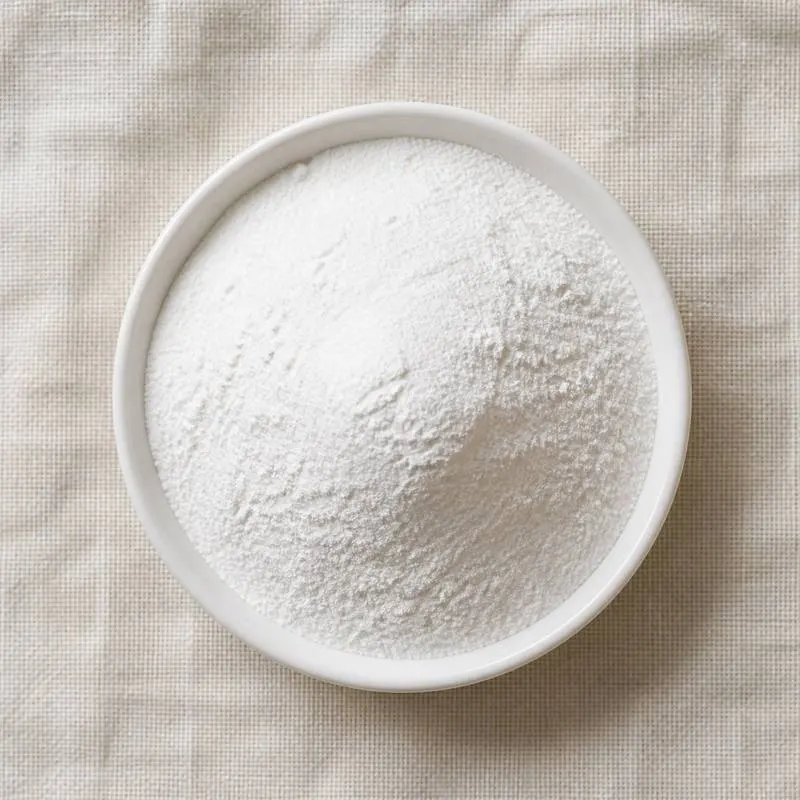
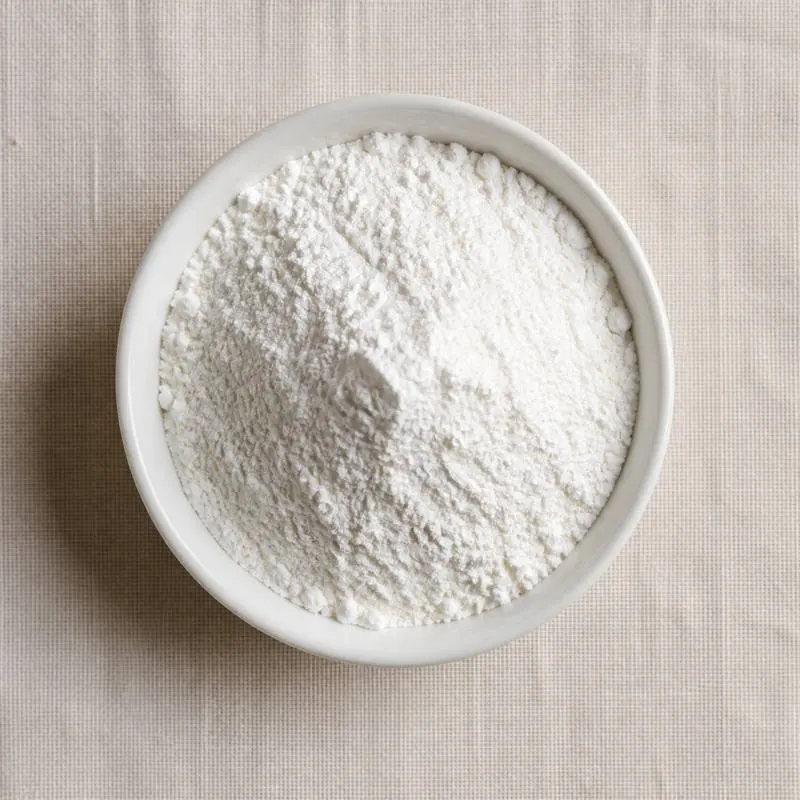
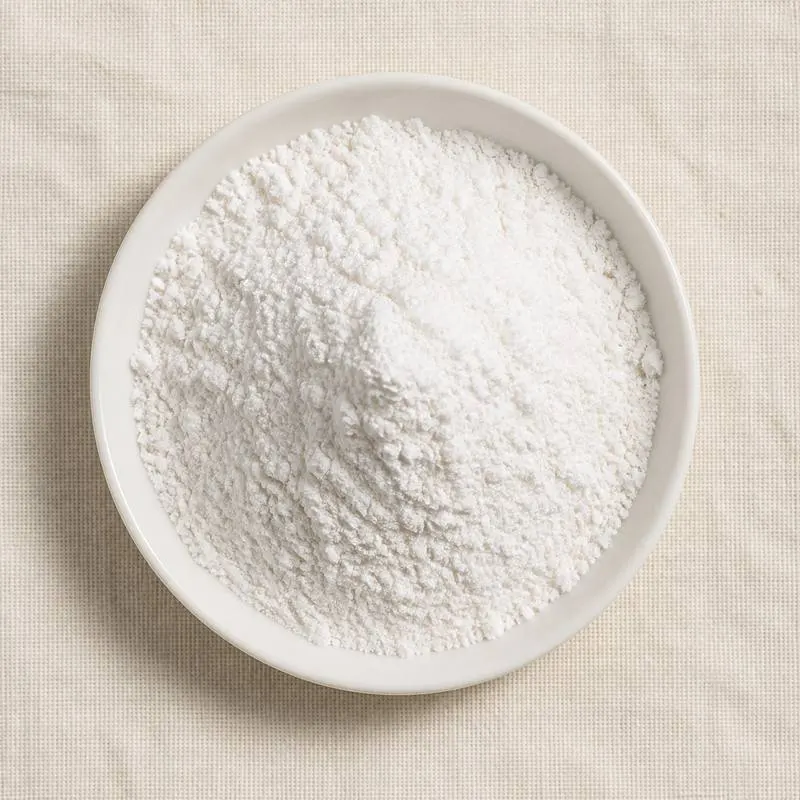
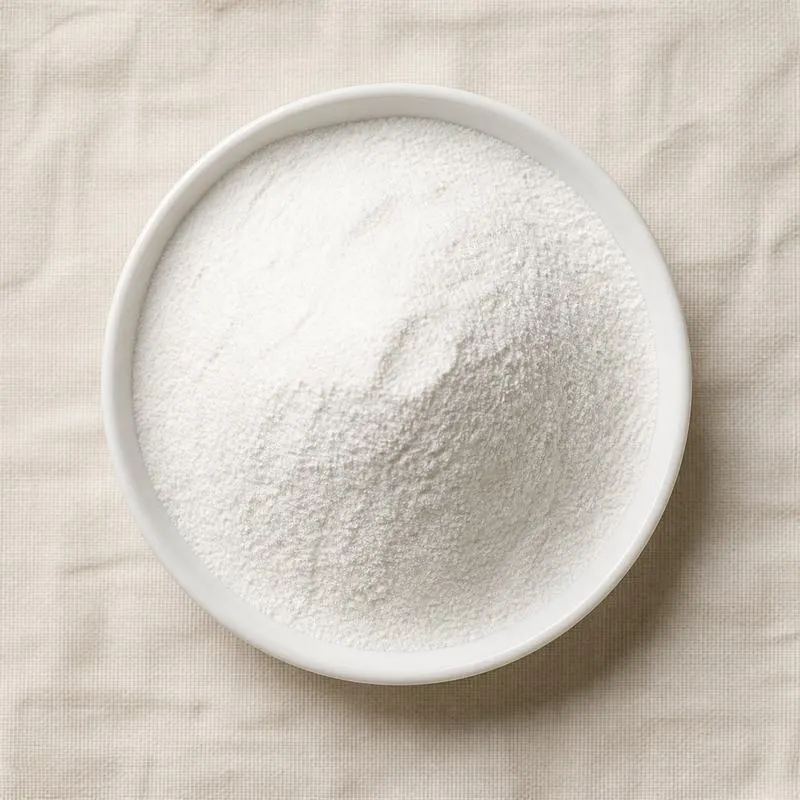
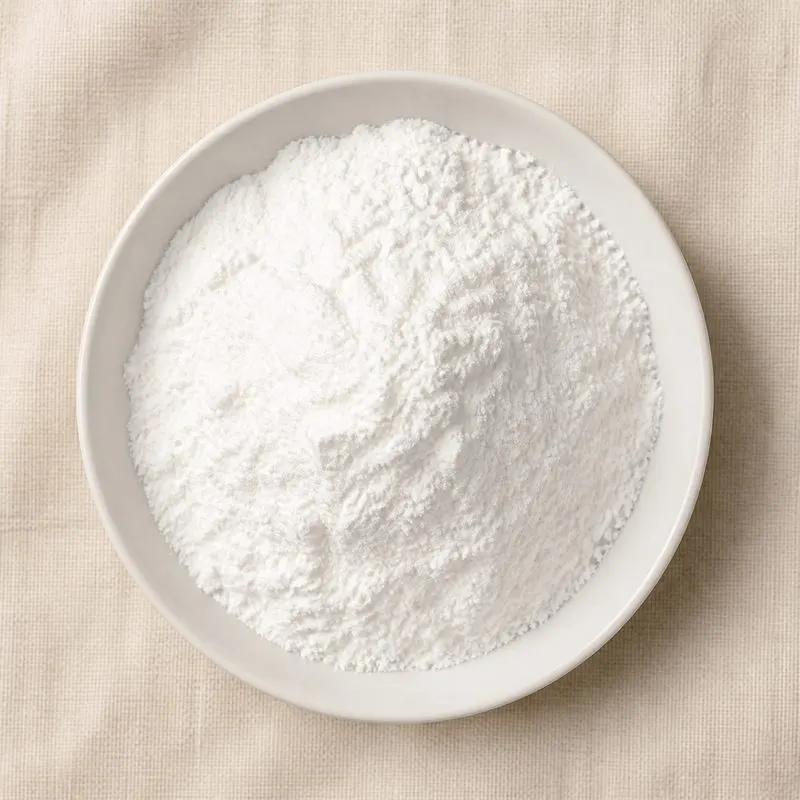
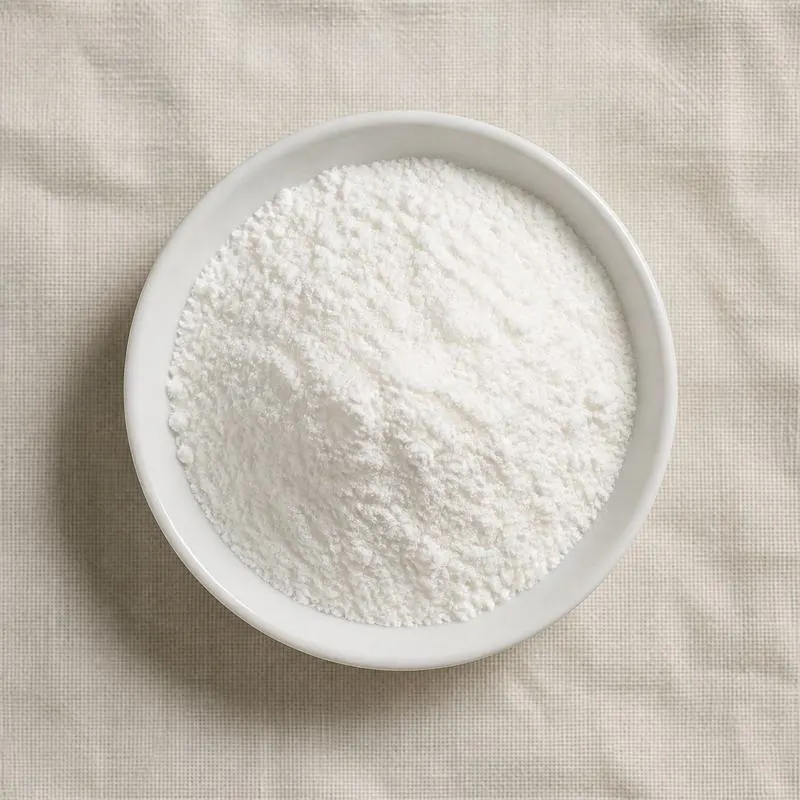
It is a white free-flowing powder, insoluble in cold water in granular form and requiring heat above the gelatinisation range to hydrate. Higher cross-link levels raise the temperature at which the granule swells and can push full hydration towards retort conditions. Pastes are short and heavy bodied rather than long and cohesive, and are opaque when made from common maize.
We source bulk Phosphate Ester Double Starch from top China manufacturers for our partners. The manufacturer is in Jiangsu. A smaller requirement can ship in a combined container with other ingredients.
Please send the grade you need, the volume and your destination port, and we will come back with a solution and a price.
or call +86-21-6858 0751
- Function
- Texturisers
Specifications
| Item | Specification |
|---|---|
| Appearance | White to slightly off-white free-flowing powder |
| Odour and Taste | Bland, free of foreign odour |
| Identification | Positive starch reaction with iodine solution |
| Residual Phosphate, as P | Not more than 0.4% for maize and wheat bases |
| Moisture | Not more than 14.0% |
| pH, 10% slurry | 5.0 to 7.5 |
| Ash, sulphated | Not more than 0.5% |
| Protein | Not more than 0.5% |
| Whiteness | Not less than 90 |
| Particle Size | Not less than 99% through 100 mesh |
| Sulphur Dioxide | Not more than 30 mg/kg |
| Lead | Not more than 0.5 mg/kg |
| Arsenic | Not more than 0.5 mg/kg |
| Total Plate Count | Not more than 10,000 CFU/g |
| Yeast and Mould | Not more than 100 CFU/g |
| Salmonella | Absent in 25 g |
Common Markets Grades
Distarch phosphate is traded chiefly as food grade, and is described by base starch and cross-link level rather than by a single assay. Waxy maize and tapioca bases give clearer, more neutral pastes and are used where appearance matters, while common maize gives a more opaque, firmer body and potato gives a high peak viscosity with a strongly cohesive texture. Cross-link level is sold in tiers, from lightly cross-linked material that thickens quickly in ordinary cooking to heavily cross-linked material intended for retort sterilisation, which barely swells at atmospheric boiling.
Powder is standard, with 100 mesh and 200 mesh options; a drum-dried pregelatinised version is offered for cold prepared systems. Many commercial lots are further stabilised by acetylation or hydroxypropylation, in which case they are traded under the acetylated distarch phosphate or hydroxypropyl distarch phosphate names rather than as distarch phosphate.
Applications
- Retorted soups, gravies and canned meals, where the granule must survive sterilisation without breaking down into thin liquor
- Acidic sauces such as tomato ketchup and sweet and sour bases, holding viscosity where native starch would hydrolyse
- Fruit pie fillings that are baked and then held, giving a body that does not run when cut
- Salad dressings and mayonnaise style emulsions, providing a short viscous continuous phase that resists homogenisation shear
- Instant noodle and dumpling doughs, improving bite and reducing cooking loss
- Processed meat and surimi products, binding water and firming texture through cooking
- Baby food and puree lines, where sterilisation is severe and the finished texture must stay smooth
- Dairy desserts and puddings, giving a spoonable set that does not string
- Batter mixes for coated products, controlling pick-up and preventing sogginess after frying
China Manufacturers of Phosphate Ester Double Starch
Top Phosphate Ester Double Starch manufacturers in China.
Company names and logos are the property of the manufacturers themselves. They are listed here because our own directory records them as producing this ingredient. A listing is not an endorsement by them, and we do not represent them or speak on their behalf.
Regulatory Status
In the United States the food starch-modified regulation at 21 CFR 172.892 covers distarch phosphate, permits treatment of food starch with sodium trimetaphosphate or with phosphorus oxychloride and caps the residual phosphate remaining in the finished starch. It is declared on the label as modified food starch.
In the European Union it is authorised as E1412 distarch phosphate under the food additives framework, with purity criteria covering residual phosphate, sulphur dioxide and heavy metals. Modified starches in the EU are generally permitted at quantum satis in the food categories where they are allowed, and are labelled as modified starch with the E number or the name. Codex and JECFA recognise the same substance as INS 1412 within the general standard for food additives and the JECFA specifications for modified starches.
Manufacturing Process
Refined starch is slurried in water to about 35 to 42 percent solids and adjusted to pH 10 to 11.5 with sodium hydroxide. Sodium sulphate or sodium chloride is added at a few percent on starch to keep the granules from swelling at that alkalinity. The cross-linking reagent, either sodium trimetaphosphate or phosphorus oxychloride, is then metered in. Sodium trimetaphosphate reacts slowly and is normally held at 40 to 45 degrees Celsius for several hours; phosphorus oxychloride reacts within minutes at ambient temperature and is dosed at only a few hundredths of a percent on starch, so it is added under tight control to hit the target cross-link level.
Once the reaction endpoint is confirmed by paste viscosity testing, the slurry is neutralised to pH 5.5 to 6.5 with dilute hydrochloric or sulphuric acid. The granules are recovered and washed on hydrocyclones or a rotary vacuum filter to remove sodium salts, unreacted phosphate and residual reagent, then dewatered to a filter cake, flash dried to about 12 to 13 percent moisture, milled and sifted. Residual bound phosphorus is checked on every lot, since it is the regulated marker for the degree of modification.