Potassium L-Glutamate
Monopotassium L-glutamate is the potassium salt of L-glutamic acid, the umami amino acid, and is used as a sodium free flavour enhancer where monosodium glutamate would add unwanted sodium.
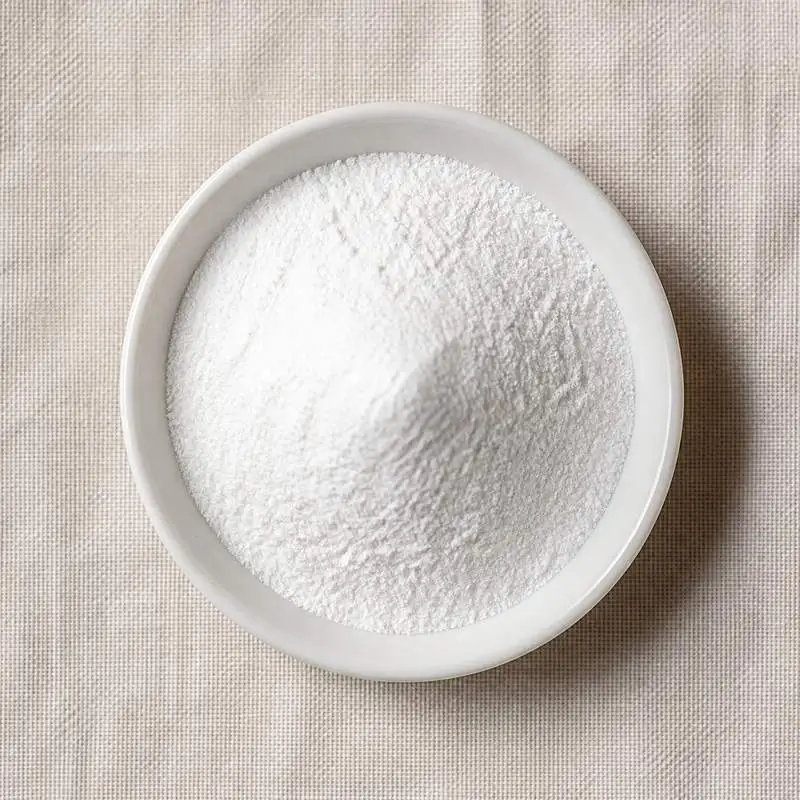
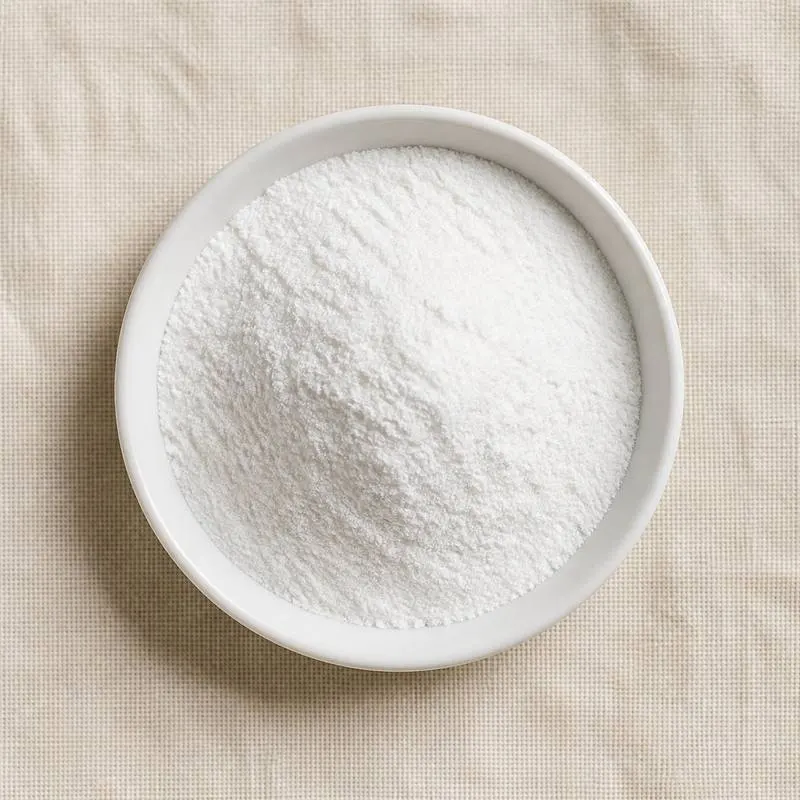
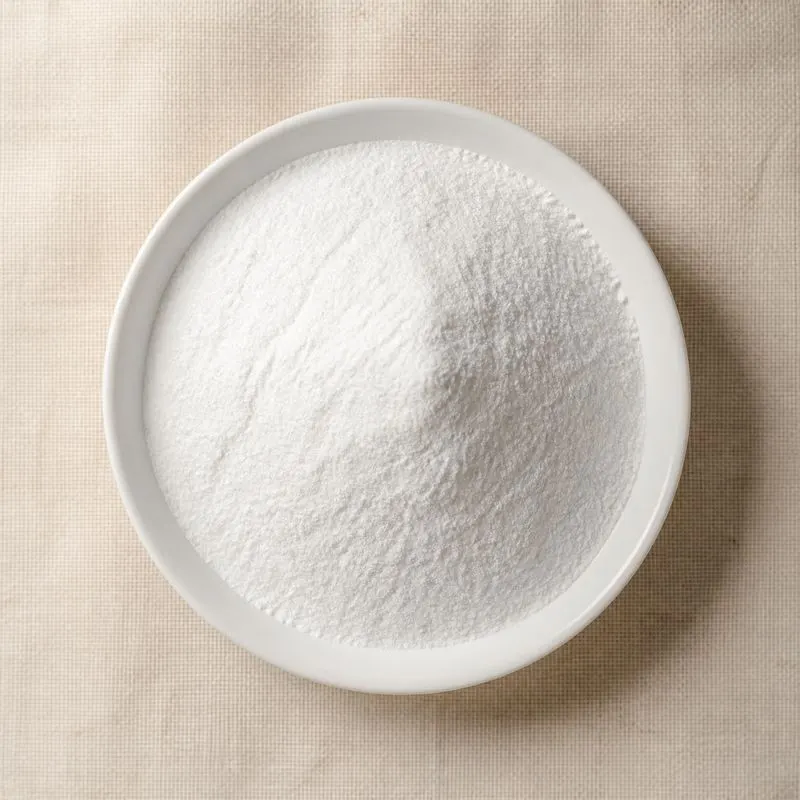
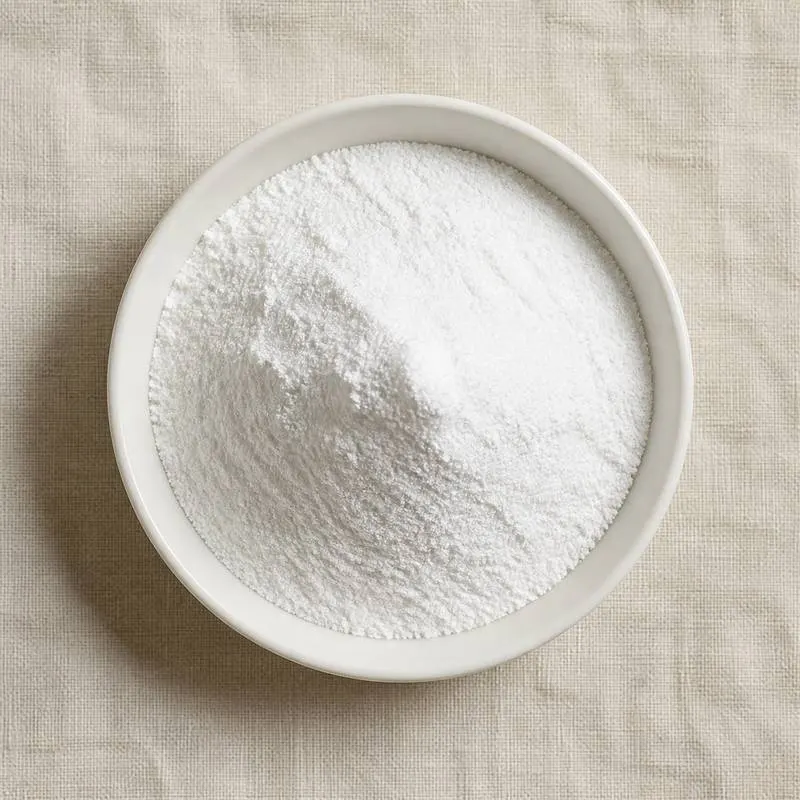
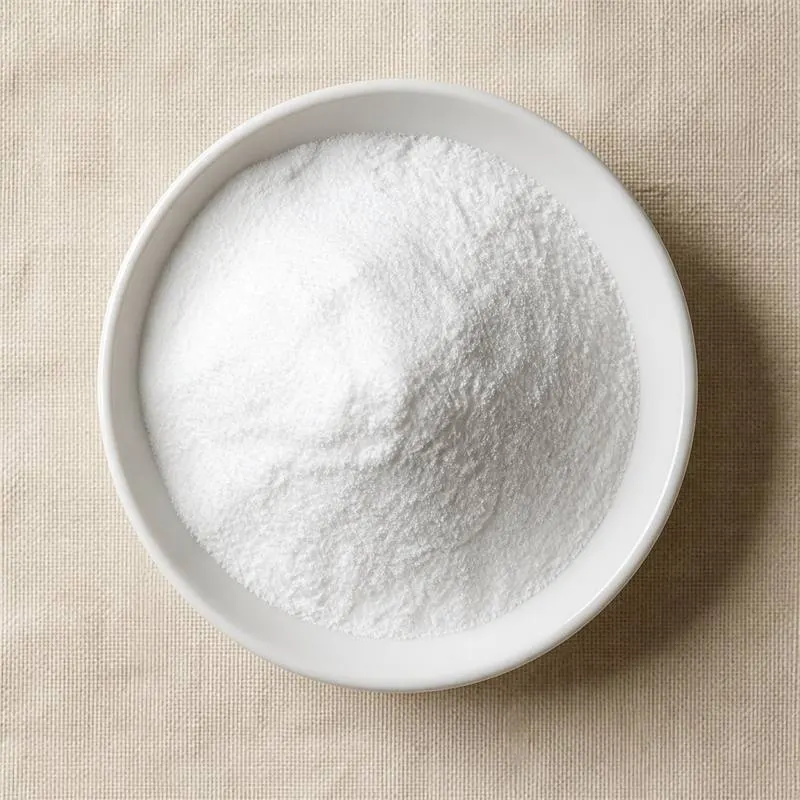
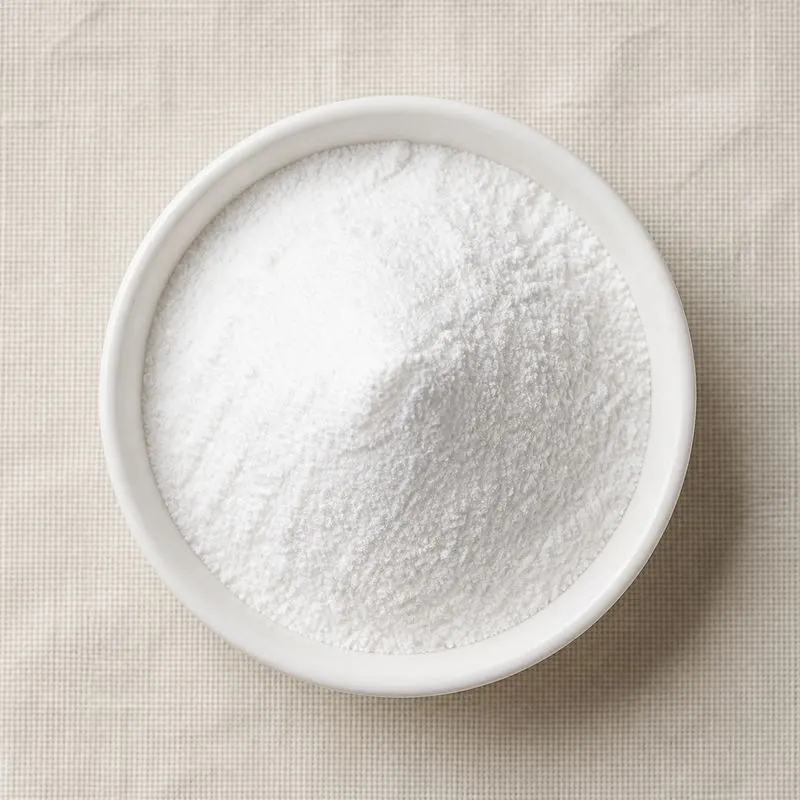
Trade material is white crystals or crystalline powder, freely soluble in water, giving a solution close to neutral. The umami effect comes from the free glutamate anion, so the salt delivers essentially the same savoury enhancement as monosodium glutamate on a molar basis, but the potassium counter ion brings a faint bitter and metallic edge that is noticeable at higher use levels and is usually offset by blending with other salts or with nucleotides.
The material is stable in dry storage and across the pH and heat conditions of normal cooking and retorting, although prolonged heating in acid conditions converts a proportion of glutamate to pyroglutamate with loss of umami intensity. Synergy with disodium inosinate and disodium guanylate is strong, so small nucleotide additions cut the amount of glutamate needed for a given savoury effect.
We source bulk Potassium L-Glutamate from top China manufacturers for our partners. The manufacturer is in Zhejiang. A smaller requirement can ship in a combined container with other ingredients.
Please send the grade you need, the volume and your destination port, and we will come back with a solution and a price.
or call +86-21-6858 0751
- Function
- Amino acid
Specifications
| Item | Specification |
|---|---|
| Appearance | White crystals or crystalline powder |
| Identification | Conforms by potassium test and ninhydrin reaction |
| Assay (on dried basis) | Not less than 99.0% |
| Specific rotation | Plus 22.5 to plus 24.0 degrees |
| Loss on drying | Not more than 0.5% |
| pH (2% aqueous solution) | 6.7 to 7.5 |
| Chloride | Not more than 0.2% |
| Sulphate | Not more than 0.05% |
| Pyrrolidone carboxylic acid | Not more than 0.2% |
| Heavy metals (as Pb) | Not more than 10 mg/kg |
| Lead | Not more than 1.0 mg/kg |
| Arsenic | Not more than 1.0 mg/kg |
| Total plate count | Not more than 1,000 cfu/g |
| Salmonella | Absent in 25 g |
Common Markets Grades
The salt is traded as a food grade meeting the food chemical compendium style requirements, assaying not less than 99 percent on the dried basis, and is normally offered in one purity. The visible difference between offers is crystal size, since the same purity comes both as a coarse crystal for dry seasoning blends where segregation and dust matter, and as a fine powder for instant soups, sauces and coated snacks where fast dissolution and even coverage are the priority.
Monohydrate and anhydrous forms are both encountered, and the water content affects the glutamate contribution per kilogram, so declarations are made on the dried basis. The salt is also sold as a component of blended sodium reduction systems in which it is combined with potassium chloride, yeast extract and nucleotides to balance the potassium bitterness.
Applications
- Reduced sodium soups, stocks and bouillon cubes, restoring savoury depth after sodium chloride is cut
- Low sodium seasoning blends and salt replacers, working with potassium chloride to mask its bitterness with umami
- Processed meat and poultry products where sodium targets are constrained but flavour must hold
- Savoury snack seasonings and coating powders in reduced sodium ranges
- Sauces, gravies and condiment bases, contributing mouthfulness and body
- Instant noodle seasoning sachets formulated for sodium reduction claims
- Ready meals and chilled convenience foods needing flavour recovery after reformulation
- Clinical and renal nutrition products where sodium is restricted but palatability is critical
- Vegetarian and plant based meat analogues, supplying the savoury note otherwise contributed by meat
China Manufacturers of Potassium L-Glutamate
Top Potassium L-Glutamate manufacturers in China.
Company names and logos are the property of the manufacturers themselves. They are listed here because our own directory records them as producing this ingredient. A listing is not an endorsement by them, and we do not represent them or speak on their behalf.
Regulatory Status
In the United States monopotassium glutamate is included among the multiple purpose substances listed as generally recognised as safe in 21 CFR Part 182, and it is used in accordance with good manufacturing practice. Labelling rules require it to be declared by its specific name in the ingredient statement, and products containing added glutamate salts cannot carry a no added MSG style claim without care, since the agency treats such statements as misleading when other free glutamate sources are present.
In the European Union Regulation 1333/2008 authorises the salt as food additive E622, monopotassium glutamate, within the glutamates group, setting conditions of use and maximum levels in its annexes, while Regulation 231/2012 gives the purity criteria. Codex includes potassium glutamate in the General Standard for Food Additives as a flavour enhancer, and JECFA has evaluated the glutamates group and published a specification monograph covering identity and purity.
Manufacturing Process
Glutamate is produced by submerged aerobic fermentation. Cane or beet molasses, or hydrolysed corn or cassava starch, is sterilised and fed to a bioreactor inoculated with Corynebacterium glutamicum, and the culture is held under controlled temperature, aeration and biotin limitation, conditions that make the organism excrete glutamic acid into the broth rather than retaining it. Ammonia is fed to maintain pH and to supply the amino nitrogen.
At the end of the run the cells are removed by filtration or centrifugation and the broth is acidified to the isoelectric point near pH 3.2, where glutamic acid crystallises and is separated. The crude acid is redissolved and neutralised with potassium hydroxide or potassium carbonate to the mono salt, decolourised over activated carbon, polish filtered and concentrated under vacuum. Controlled cooling crystallisation sets the crystal habit and size, and the crystals are centrifuged, washed, dried, screened to the contracted grade and packed.