Potato Dietary Fibre
Potato dietary fibre is the purified cell wall material of the potato tuber, recovered from the pulp that remains after starch has been extracted in a potato starch plant. It consists mainly of insoluble cellulose and hemicellulose together with a substantial pectin fraction, which is what separates it from purely cellulosic fibres such as oat hull or wood pulp fibre.
That pectin content gives the ingredient an unusually high water holding capacity for an insoluble fibre, typically ten to twenty times its own weight, and lets it bind fat as well. In a formulation it behaves as a texturising bulking agent rather than a thickener; it swells and traps free liquid instead of dissolving to build viscosity, so it firms a meat emulsion or a dough without producing a slimy mouthfeel.
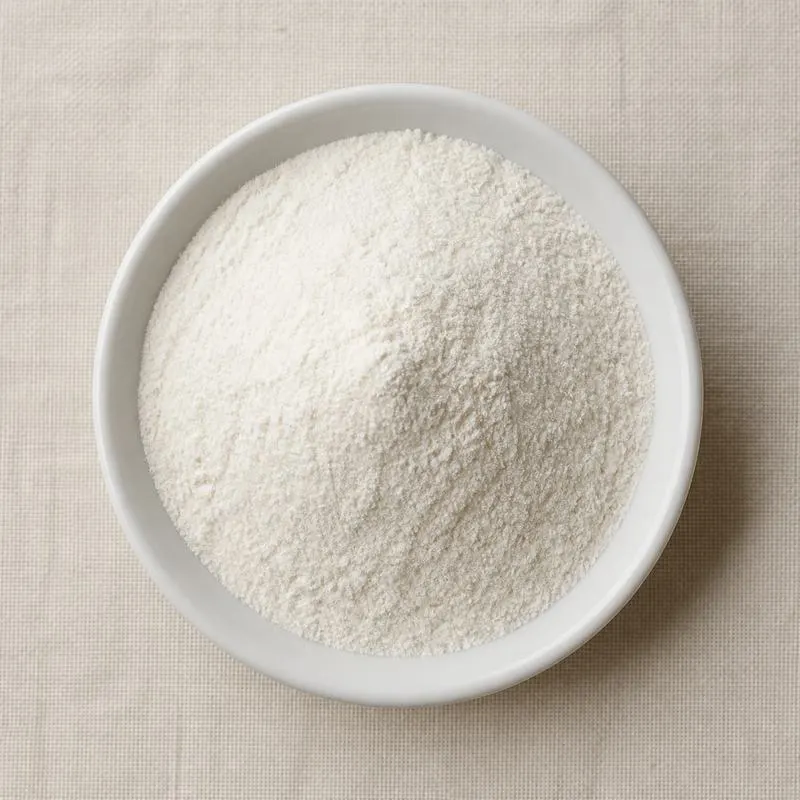
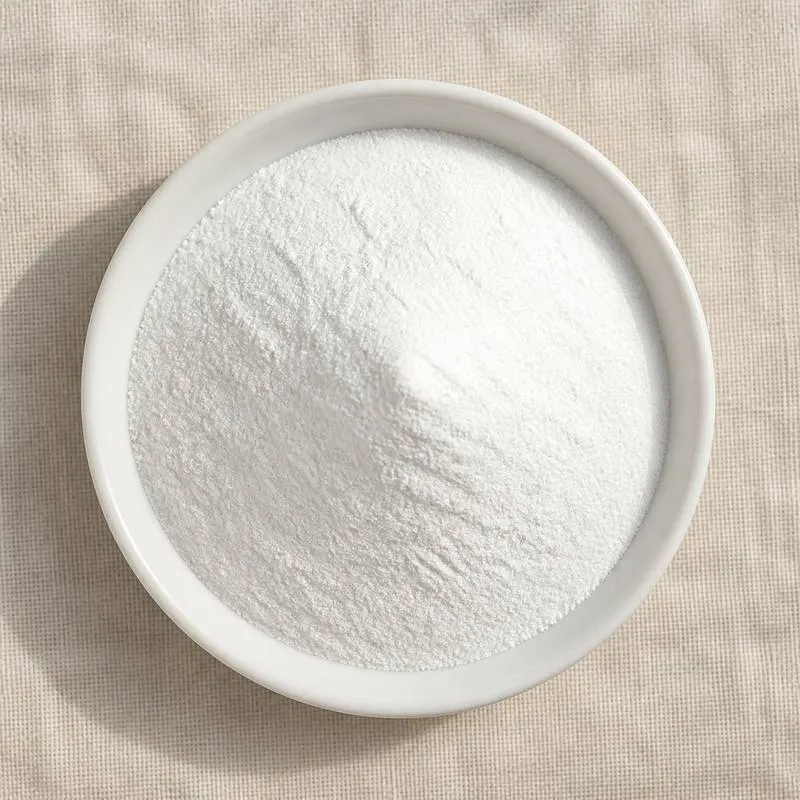
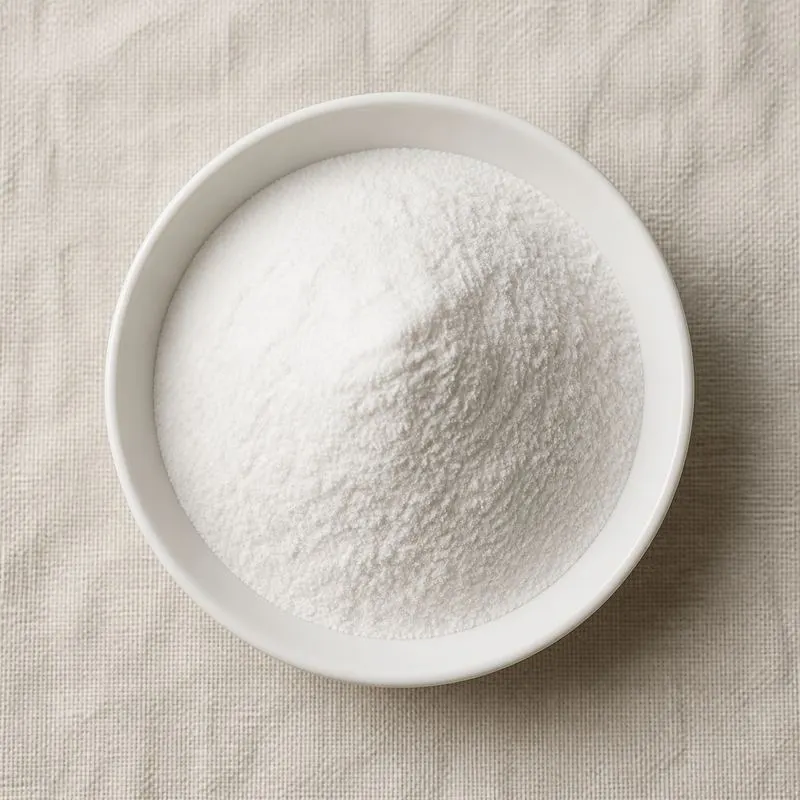
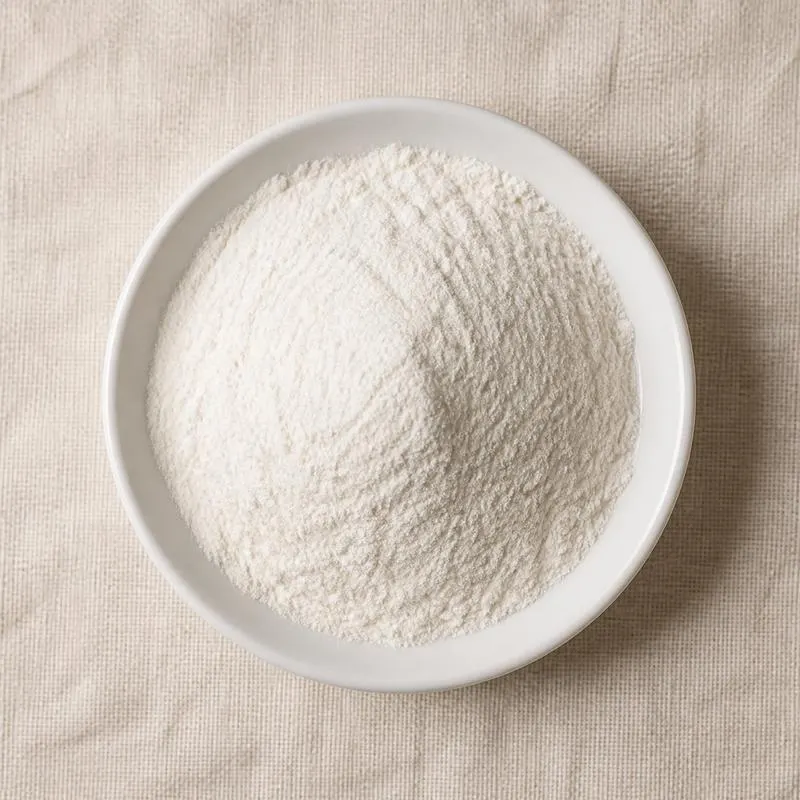
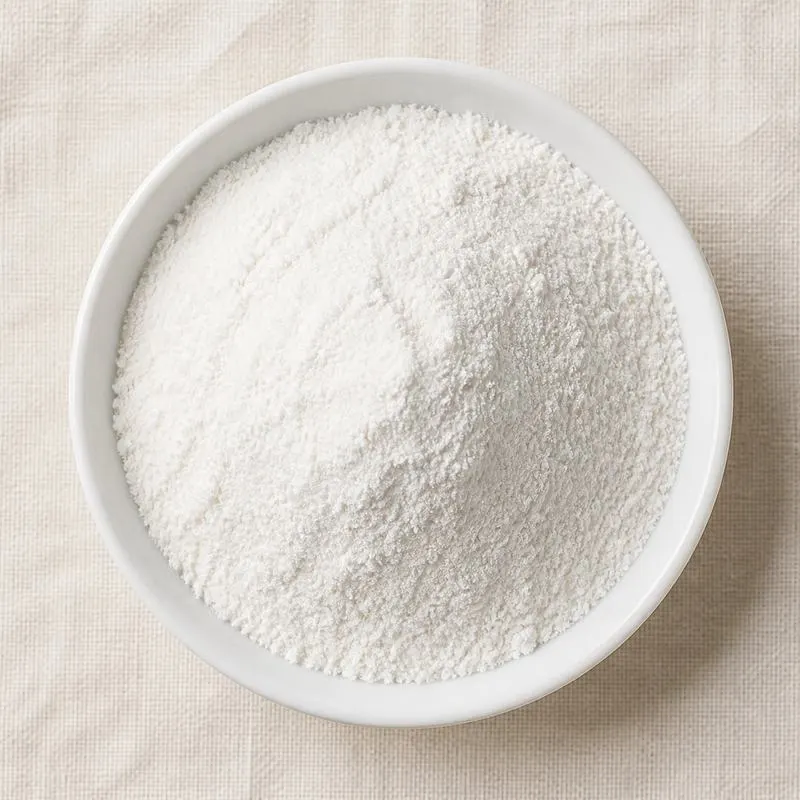
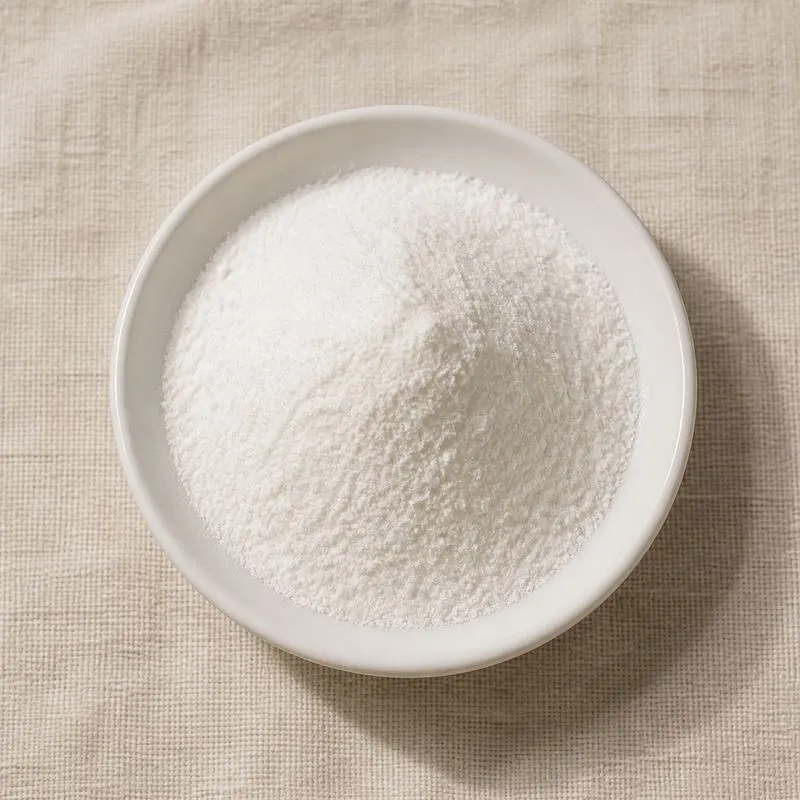
Supply is as a cream to light beige powder with total dietary fibre generally above 60 percent on a dry basis, milled to a range of particle sizes. It is insoluble at all normal food pH values, holds its structure through cooking, freezing and retort, and carries a mild neutral flavour that does not intrude in savoury systems. It is naturally free from gluten and from the common cereal allergens.
We source bulk Potato Dietary Fibre from top China manufacturers for our partners. The manufacturer is in Gansu. A smaller requirement can ship in a combined container with other ingredients.
Please send the grade you need, the volume and your destination port, and we will come back with a solution and a price.
or call +86-21-6858 0751
- Function
- Dietary Fibres
Specifications
| Item | Specification |
|---|---|
| Appearance | Cream to light beige powder |
| Odour and taste | Mild potato character, free from burnt or musty notes |
| Total dietary fibre, dry basis | 60.0% minimum |
| Identification | Conforms by microscopy, potato parenchyma cell walls |
| Residual starch | 5.0% maximum |
| Loss on drying | 9.0% maximum |
| Ash | 6.0% maximum |
| Protein | 5.0% maximum |
| Water holding capacity | 10 to 15 g water per g |
| pH, 5% suspension | 5.0 to 7.0 |
| Lead | 0.5 mg/kg maximum |
| Arsenic | 0.5 mg/kg maximum |
| Total plate count | 10,000 cfu/g maximum |
| Yeast and mould, E. coli, Salmonella | Yeast and mould 500 cfu/g maximum; E. coli and Salmonella absent in 25 g |
Common Markets Grades
Grades are separated by fibre content, by particle size and by whether the material has been bleached. Standard grades run 55 to 65 percent total dietary fibre and retain a light beige tone from residual potato solids; higher purity grades above 70 percent are washed more intensively and are paler. Native and gently processed grades retain more of the natural pectin and therefore more water binding, whereas heavily washed grades hold less liquid but disperse more cleanly.
Particle size runs from coarse cuts near 250 micrometres, used where a fibrous bite is wanted in meat products, to micronised powders below 50 micrometres for beverages, fine fillings and coatings. Food grade is the standard specification, and off specification and lower assay material is directed into feed. Organic certified fibre is produced where the starch plant runs certified tubers, and clean label positioning is common because the ingredient can be declared simply as potato fibre.
Applications
- Sausage and emulsified meat, where the fibre binds water and fat and limits cook loss and purge
- Reformed and injected meat, where it holds brine in the muscle and improves slice integrity
- Bread and buns, where high water absorption raises dough yield and slows crumb firming
- Gluten free bakery, where it supplies crumb structure and moisture retention in the absence of gluten
- Batters and coatings, where the fibre matrix reduces oil uptake during frying and keeps the crust crisp
- Soups, sauces and ready meals, as a stabilising bulking agent that resists syneresis through freeze thaw
- Plant based meat analogues, where it contributes fibrous texture and holds added fat and water
- Pasta and noodles, where fibre content rises with limited loss of bite
- Fat reduced spreads and dressings, where the fibre carries part of the water phase in place of oil
- Pet food, as an inert fibre source used to manage stool consistency
China Manufacturers of Potato Dietary Fibre
Top Potato Dietary Fibre manufacturers in China.
Company names and logos are the property of the manufacturers themselves. They are listed here because our own directory records them as producing this ingredient. A listing is not an endorsement by them, and we do not represent them or speak on their behalf.
Regulatory Status
In the United States potato fibre is treated as a food ingredient obtained from a conventional food rather than as a food additive, and material of this type is marketed on the basis of GRAS conclusions covering the process and intended uses. Whether the fibre may be declared as dietary fibre on the Nutrition Facts panel depends on how much of it is intrinsic and intact fibre from the tuber, which is counted directly, and how much is isolated fibre, which must fall within the Food and Drug Administration list of non digestible carbohydrates recognised for that declaration.
In the European Union potato fibre is a food ingredient governed by general food law and by the hygiene and contaminants legislation applicable to processed plant materials, and it carries no E number because it is not an authorised additive. It counts as dietary fibre for the purposes of nutrition declaration under the food information Regulation, measured by the standard enzymatic gravimetric methods. Codex Alimentarius covers it through the general definition of dietary fibre adopted for labelling and through its general principles for food hygiene.
Manufacturing Process
The feedstock is potato pulp, the wet residue drawn off after tubers have been rasped and the starch washed out over hydrocyclones and sieves. The pulp arrives with high moisture, residual starch and soluble sugars, and is first screened and washed in counter current flow to remove those solubles. Residual starch is reduced either by further washing or by a short enzymatic step with alpha amylase and amyloglucosidase, since starch left in the fibre lowers assay and causes gelling on heating.
The washed pulp is then treated to open its structure, commonly by a mild thermal or steam pressure step that loosens the cell wall matrix, and where a pale product is required a peroxide bleach follows. The suspension is neutralised, dewatered on decanter centrifuges and screw presses to as high a solids level as the material allows, then dried in a flash or ring dryer under conditions that avoid case hardening. The dry fibre is milled to the ordered particle size, air classified, sifted, passed over magnets and metal detection, and packed in lined bags or bulk bags.