Proline Endoprotease
Proline endoprotease is a serine protease that cleaves peptide bonds specifically on the carboxyl side of proline residues. That specificity is unusual and commercially valuable, because proline-rich sequences resist almost every other protease: the ring structure of the residue blocks access to the active site of the common endopeptidases, which is why proline-rich peptides survive digestion and processing.
The commercial enzyme is produced by Aspergillus niger and belongs to the prolyl oligopeptidase family. Two applications rest on its specificity. In brewing it hydrolyses the proline-rich haze-active polypeptides that bind polyphenols and precipitate during cold storage, removing chill haze without the protein stripping that papain causes. In gluten work it cleaves the proline-rich epitopes of gliadin and glutenin that trigger the immune response in coeliac disease, which is the basis of gluten-reduced beer and of digestive supplements aimed at incidental gluten exposure.
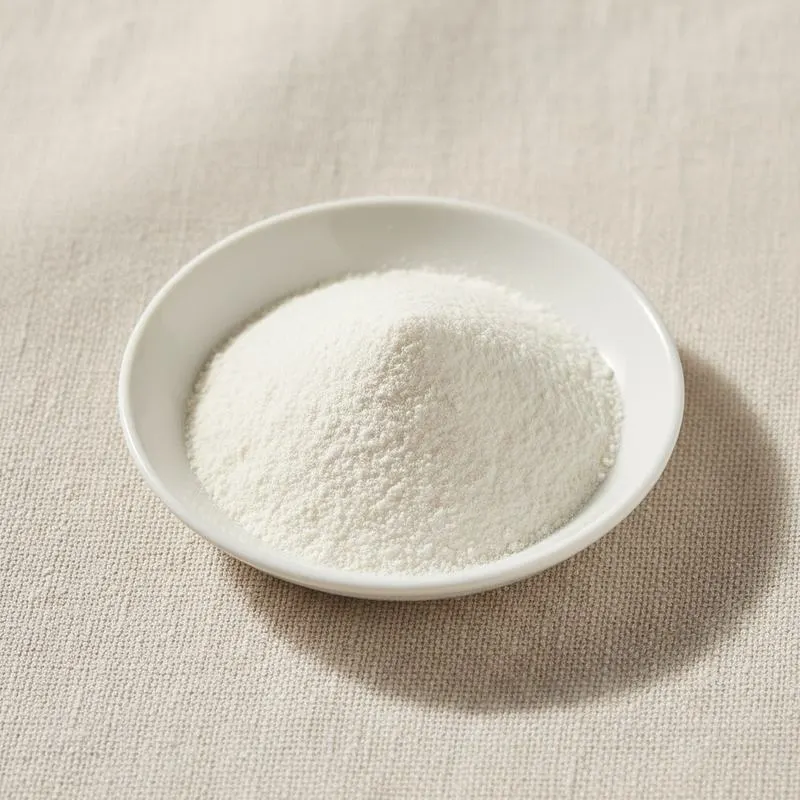
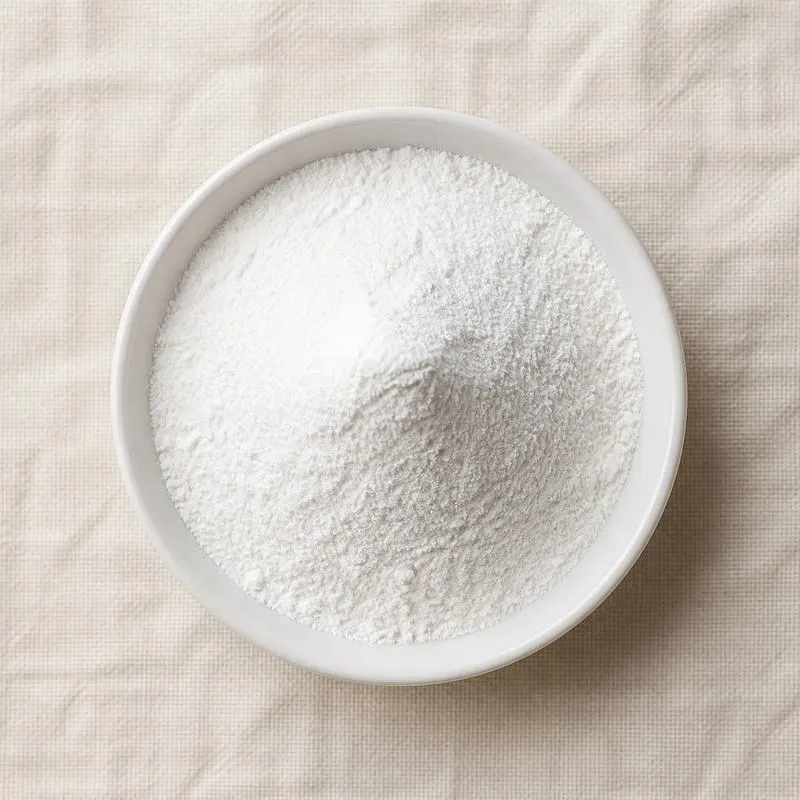
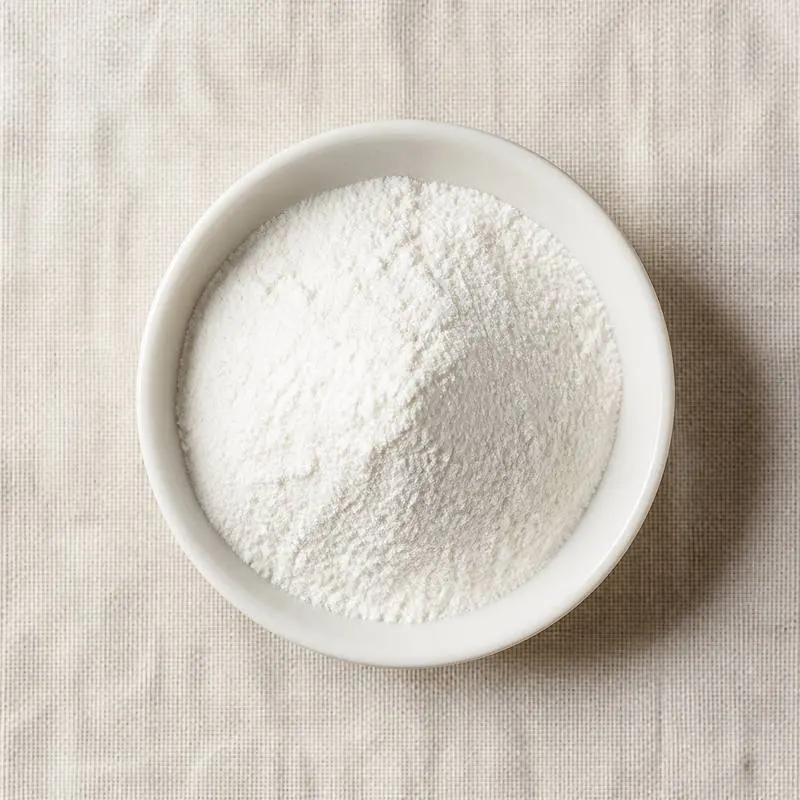
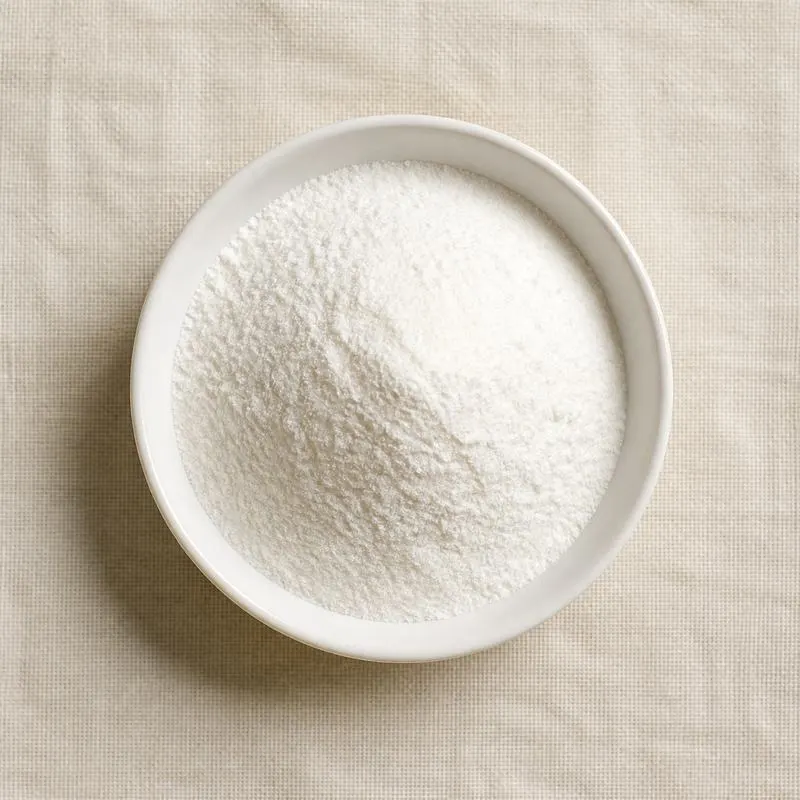
The product comes as an amber liquid concentrate for dosing into fermenting beer and as a spray dried powder for supplement and food use. It works in the acidic range around pH 4 to 5.5 at low temperature, which lets it act throughout cold fermentation and maturation, and it is inactivated by pasteurisation.
We source bulk Proline Endoprotease from top China manufacturers for our partners. The manufacturer is in Zhejiang. A smaller requirement can ship in a combined container with other ingredients.
Please send the grade you need, the volume and your destination port, and we will come back with a solution and a price.
or call +86-21-6858 0751
- Function
- Enzyme
Specifications
| Item | Specification |
|---|---|
| Appearance | Amber liquid or cream free-flowing powder |
| Declared Activity | Standardised to label claim on synthetic proline substrate |
| Identification | Cleavage carboxyl to proline confirmed by peptide mapping |
| Optimum pH | 4.0 to 5.5 |
| Background Protease Activity | ≤ 2% of stated activity |
| Loss on Drying | ≤ 8.0% for dry grade |
| Residue on Ignition | ≤ 10.0% |
| Heavy Metals (as Pb) | ≤ 30 mg/kg |
| Lead | ≤ 5 mg/kg |
| Arsenic | ≤ 3 mg/kg |
| Mycotoxins | Not detected at method limit |
| Total Plate Count | ≤ 50,000 cfu/g |
| E. coli | Absent in 25 g |
| Salmonella | Absent in 25 g |
Common Markets Grades
Grades are defined by declared proline-specific activity against a synthetic proline substrate, with the assay conditions stated because unit systems differ between producers. Brewing grades are sterile-filtered liquid concentrates that can be dosed into the fermenter without adding microbial load, while food and supplement grades are spray dried powders standardised on maltodextrin.
Because the enzyme is often bought for a gluten claim, specifications commonly include a functional check on gluten degradation as well as the activity assay, and the finished beverage is verified against a gluten test method rather than the enzyme dose alone. Blended supplement products combining proline endoprotease with dipeptidyl peptidase and general protease are traded as gluten digesting enzyme complexes.
Applications
- Beer chill haze prevention, hydrolysing proline-rich haze-active polypeptides during fermentation and maturation
- Gluten reduction in barley and wheat based beer, degrading the proline-rich gliadin epitopes to below the analytical threshold used for gluten claims
- Colloidal stability in packaged beer, extending shelf life without the foam damage caused by broad specificity proteases
- Gluten digesting dietary supplements, taken with meals to address incidental gluten exposure
- Debittering of protein hydrolysates, since bitter peptides are typically proline-rich and are broken by this specificity
- Casein and whey hydrolysate production, cutting proline-rich sequences that other proteases leave intact
- Wheat gluten hydrolysates for seasoning, reducing bitterness and improving solubility
- Wine and fruit beverage stabilisation, where proline-rich protein contributes to haze
- Analytical proteomics, as a complementary specificity to trypsin in peptide mapping
China Manufacturers of Proline Endoprotease
Top Proline Endoprotease manufacturers in China.
Company names and logos are the property of the manufacturers themselves. They are listed here because our own directory records them as producing this ingredient. A listing is not an endorsement by them, and we do not represent them or speak on their behalf.
Regulatory Status
In the United States proline endoprotease from Aspergillus niger is used as a food enzyme on the basis of a generally recognised as safe determination, with a GRAS notice filed with the Food and Drug Administration covering the enzyme and its production organism. Gluten claims on beer are additionally controlled by the Alcohol and Tobacco Tax and Trade Bureau, which has ruled that beer brewed from gluten-containing grain and treated with this enzyme may not be labelled gluten free, and must instead use wording describing the process and the treatment.
In the European Union the enzyme is a food enzyme under Regulation (EC) No 1332/2008, with dossiers assessed by the European Food Safety Authority ahead of entry onto the Union list, and no E number applies. Gluten labelling is governed by the implementing regulation on gluten-free and very low gluten claims, which sets the analytical thresholds a treated beverage must meet. The Joint FAO/WHO Expert Committee on Food Additives publishes general specifications for enzyme preparations used in food processing, which underpin the purity limits shown on commercial certificates.
Manufacturing Process
The enzyme is produced by submerged fermentation of an Aspergillus niger production strain carrying the proline endoprotease gene. A working cell bank is grown through seed stages into a stirred aerated fermenter charged with a carbohydrate source, an organic nitrogen source such as soy meal or corn steep liquor, and mineral salts, and the run is held under closely controlled temperature, pH, dissolved oxygen and substrate feed for several days while the fungus secretes the enzyme into the broth.
Recovery removes mycelium by rotary vacuum filtration or microfiltration, then concentrates and desalts the clarified filtrate by ultrafiltration. A chromatographic step is used where a low background of general protease activity is required, since non-specific proteolysis damages beer foam. The concentrate is polished by fine filtration, stabilised with a polyol and sterile filtered into containers for the brewing grade, or blended with maltodextrin and spray dried at low inlet temperature for the powder grade. Each lot is assayed for proline-specific activity and checked for absence of the mycotoxins associated with the genus.