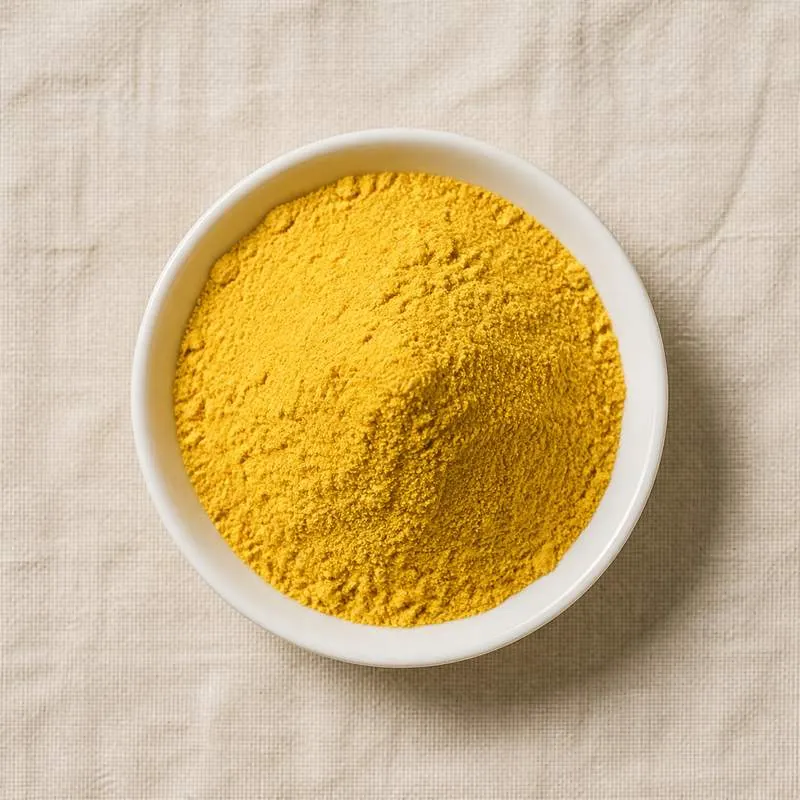
Red Radish Concentrated Juice
Red radish concentrated juice is the pressed juice of Raphanus sativus, or of the pigment bearing peel recovered from radish processing, evaporated under vacuum to a high solids concentrate and used as a colouring food. The pigment is not separated from the rest of the juice, so the anthocyanins are concentrated together with the sugars, acids and minerals of the root in broadly the proportions in which they occur there.
The colouring principles are acylated pelargonidin 3-sophoroside-5-glucosides, whose ferulic and coumaric acid residues give the pigment a bluish red hue very close to carmine and a stability better than most anthocyanins. That closeness to the carmine shade is the reason the concentrate exists as a distinct product: it is the usual route to a clean label, animal free red in dairy, confectionery and surimi.
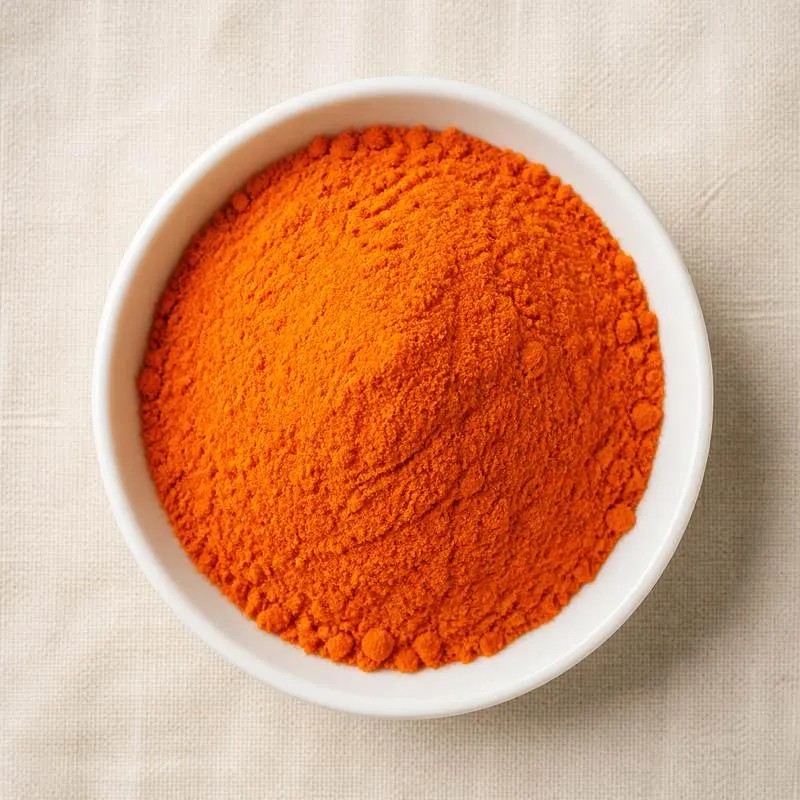
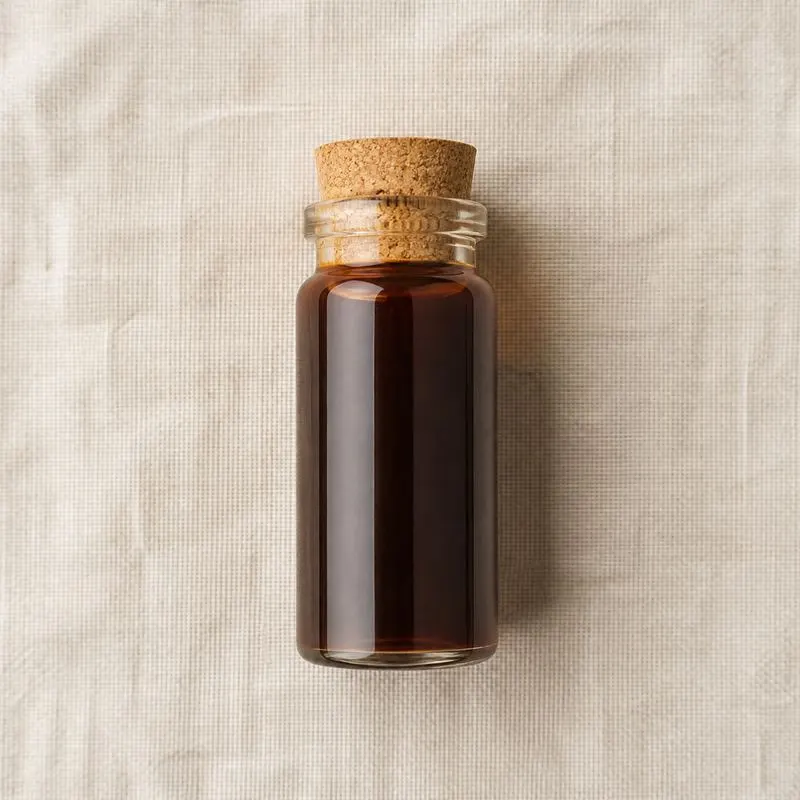
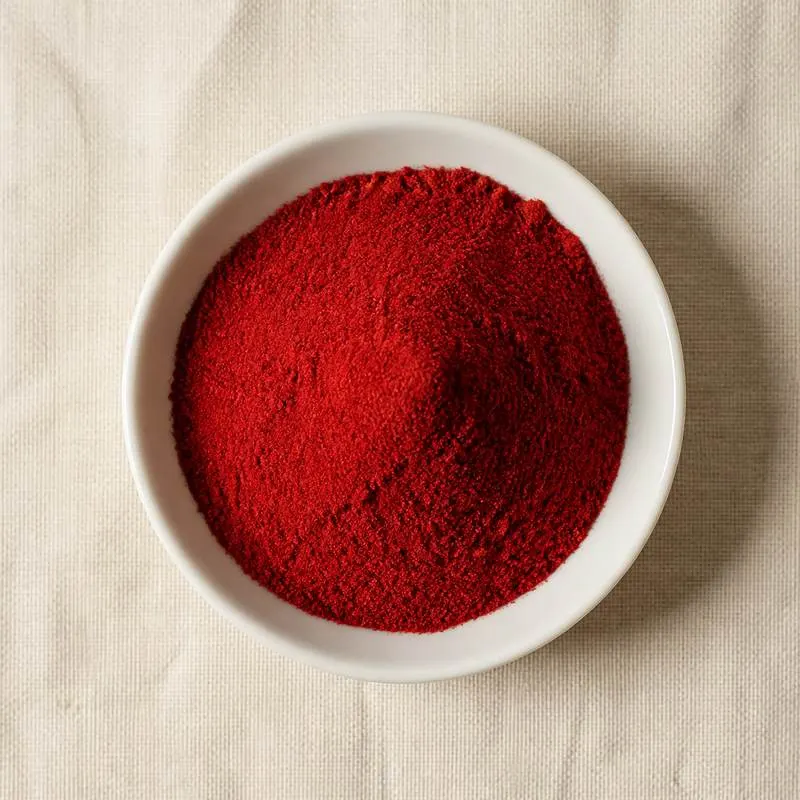
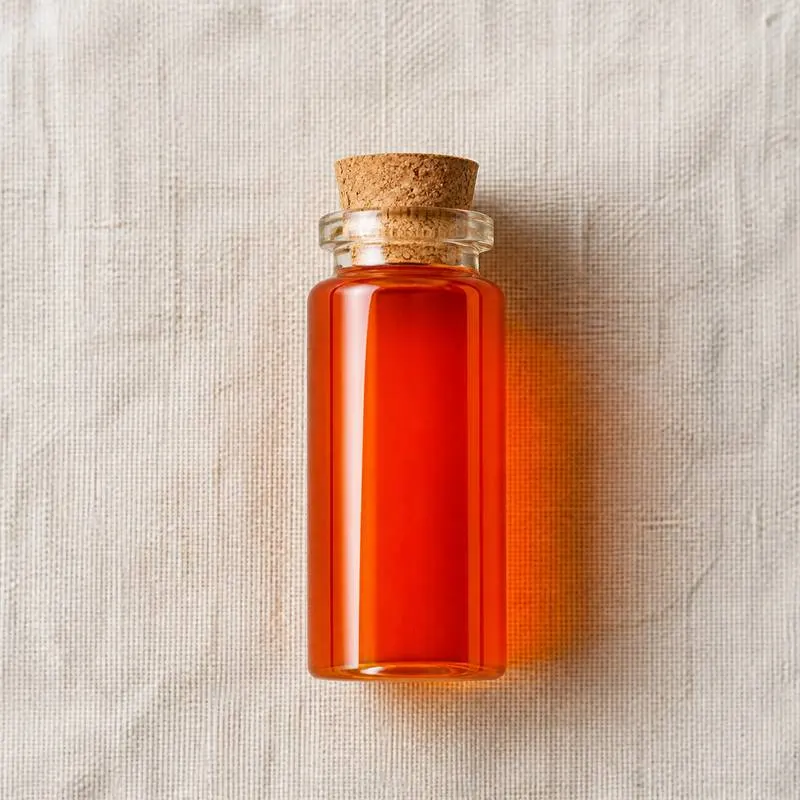
Shade tracks pH. Below 3.5 the concentrate gives a bright strawberry red, between pH 4 and 5 it moves to pink and blue red, and above pH 6 it turns dull. It is a red viscous liquid at roughly 30 to 65 degrees Brix or a spray dried powder, fully miscible with water and insoluble in oil. Sulphur dioxide bleaches it, and it carries the sulphur containing notes of the raw radish, which limits the dosage that can be used in delicate bases unless a deodorised grade is specified.
We source bulk Red Radish Concentrated Juice from top China manufacturers for our partners. The manufacturer is in Hubei. A smaller requirement can ship in a combined container with other ingredients.
Please send the grade you need, the volume and your destination port, and we will come back with a solution and a price.
or call +86-21-6858 0751
- Function
- Colorant
Specifications
| Item | Specification |
|---|---|
| Appearance | Red to dark red viscous liquid |
| Soluble Solids | 65 degrees Brix, plus or minus 1 |
| Colour Value E1% 1cm at 520 nm | 8.0 minimum |
| Anthocyanins as pelargonidin 3-glucoside | 0.3% minimum |
| Identification | Absorption maximum at 515 to 525 nm in acidified methanol |
| pH | 2.5 to 4.0 |
| Titratable Acidity as citric acid | 1.0% to 3.0% |
| Sulphur Dioxide | 10 mg/kg maximum |
| Lead | 0.5 mg/kg maximum |
| Arsenic | 0.5 mg/kg maximum |
| Total Plate Count | 1000 cfu/g maximum |
| Yeast and Mould | 100 cfu/g maximum |
| E. coli | Absent in 5 g |
| Salmonella | Absent in 25 g |
Common Markets Grades
Concentrates are specified on soluble solids, commonly 30, 45 and 65 degrees Brix, with a colour value measured as E1% 1cm near 520 nm and an anthocyanin figure expressed as pelargonidin 3-glucoside. Colour value is quoted as a range rather than a single figure, since the crop varies, and batches are standardised by blending lots or adjusting with water rather than by adding isolated pigment, which would move the product out of the colouring food category.
Feedstock and deodorisation are the two practical variables. Concentrates made from peel side streams carry more pigment per unit of dry matter than whole root material, and concentrates given a mild deodorising treatment lose most of the sulphurous radish note that otherwise carries into dairy and confectionery. Clarified and unclarified versions are offered, spray dried powders on maltodextrin are used for dry blends, and frozen concentrate is traded where a cold chain exists. Organic certified and kosher certified material is common in this segment.
Applications
- Fruit yoghurt, drinking yoghurt and fermented milk, as a clean label alternative to carmine
- Ice cream, sorbet and frozen fruit bars in strawberry and berry profiles
- Surimi and imitation crab sticks, colouring the red surface strip without an animal derived ingredient
- Confectionery jellies, gummies and pectin sweets positioned on clean label
- Fruit flavoured still drinks, smoothies and lemonades at low pH
- Jams, compotes and bakery fruit fillings that are already acidified
- Icings, glazes and decorating gels applied after baking
- Pickled vegetables and preserved products, reinforcing the natural colour of the pack
- Pet treats and speciality pet food where an animal free red is specified
- Blending with purple carrot or elderberry concentrate to reach a target red
China Manufacturers of Red Radish Concentrated Juice
Top Red Radish Concentrated Juice manufacturers in China.

Company names and logos are the property of the manufacturers themselves. They are listed here because our own directory records them as producing this ingredient. A listing is not an endorsement by them, and we do not represent them or speak on their behalf.
Regulatory Status
The value of this product rests on its treatment as a colouring food rather than as an additive. In the European Union the boundary is set out in European Commission guidance and turns on whether the process selectively extracts or concentrates the pigment relative to the other components of the source material. A concentrate made only by pressing, filtering and evaporating water remains a food and is declared by an ingredient name such as concentrated radish juice, whereas a resin purified preparation is the food colour E 163, authorised under Regulation (EC) No 1333/2008 with purity criteria in Regulation (EU) No 231/2012 and limited to the categories in its annexes.
In the United States a colour additive is defined by the function for which it is added, so a juice concentrate used to give colour is a colour additive regardless of how lightly it has been processed. The relevant listings are vegetable juice colour and dehydrated vegetable juice colour in 21 CFR Part 73, both exempt from certification, and the supplier declaration should state which listing is relied upon and the permitted uses that follow from it. JECFA has evaluated anthocyanins, and provisions appear in the Codex General Standard for Food Additives.
Manufacturing Process
Radishes, or the peel fraction recovered from a peeling line, are washed, sorted and milled to a mash. Because the pigment sits almost entirely in the skin, many plants run on peel rather than on whole roots. The mash is warmed gently and treated with pectinase to release the juice, then pressed on a belt or decanter press, and the cake is washed and re-pressed. Acidification is carried out early, since the anthocyanins are more stable in their flavylium form and hold colour better through the rest of the process.
The juice is screened and clarified, and where a deodorised grade is required it is given a mild adsorption treatment that removes the sulphur containing volatiles without capturing the pigment. It is then concentrated in a multiple effect falling film evaporator under vacuum, so that water is removed at temperatures low enough to limit anthocyanin loss, and standardised to the target Brix and colour value with citric acid and water. The concentrate is pasteurised with a short hold, cooled rapidly and filled into drums, totes or aseptic bags. Powder grades take the standardised concentrate, blend it with maltodextrin and spray dry it at a low outlet temperature.