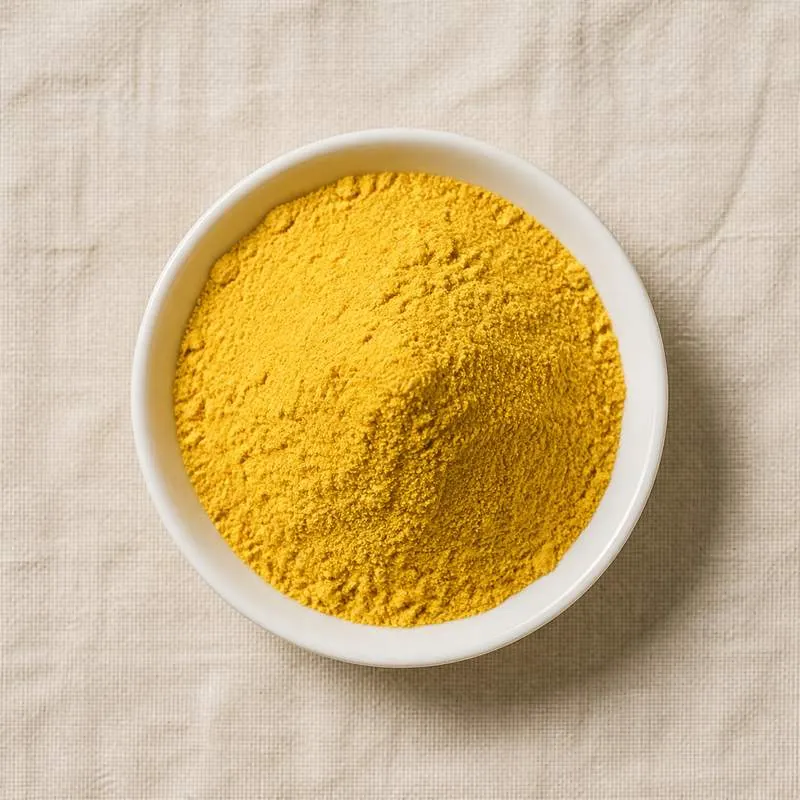
Red Radish Extract
Red radish extract is a water soluble anthocyanin colour obtained from the skin and flesh of red varieties of Raphanus sativus. Its colouring principles are acylated pelargonidin 3-sophoroside-5-glucosides, in which cinnamic and malonic acid residues attached to the sugar chain stabilise the pigment against heat and light far better than a simple unacylated anthocyanin.
In acidic systems the extract gives a bright bluish red to orange red shade close to that of carmine and allura red, which is the reason it is specified in reformulation work aimed at removing insect derived or synthetic colours. Colour strength is traded on absorbance at about 510 to 520 nm and is quoted as a colour value, with liquid concentrates and spray dried powders both in general use.
The pigment is fully water soluble and insoluble in oils. Shade and stability depend on pH: below about pH 4 the flavylium cation dominates and the colour is clean red, while above pH 5 the hue drifts towards blue grey and fades. Sulphur dioxide, ascorbic acid at high dose and prolonged exposure to light all accelerate loss of colour.
We source bulk Red Radish Extract from top China manufacturers for our partners. The manufacturer is in Yunnan. A smaller requirement can ship in a combined container with other ingredients.
Please send the grade you need, the volume and your destination port, and we will come back with a solution and a price.
or call +86-21-6858 0751
- Function
- Colorant
Specifications
| Item | Specification |
|---|---|
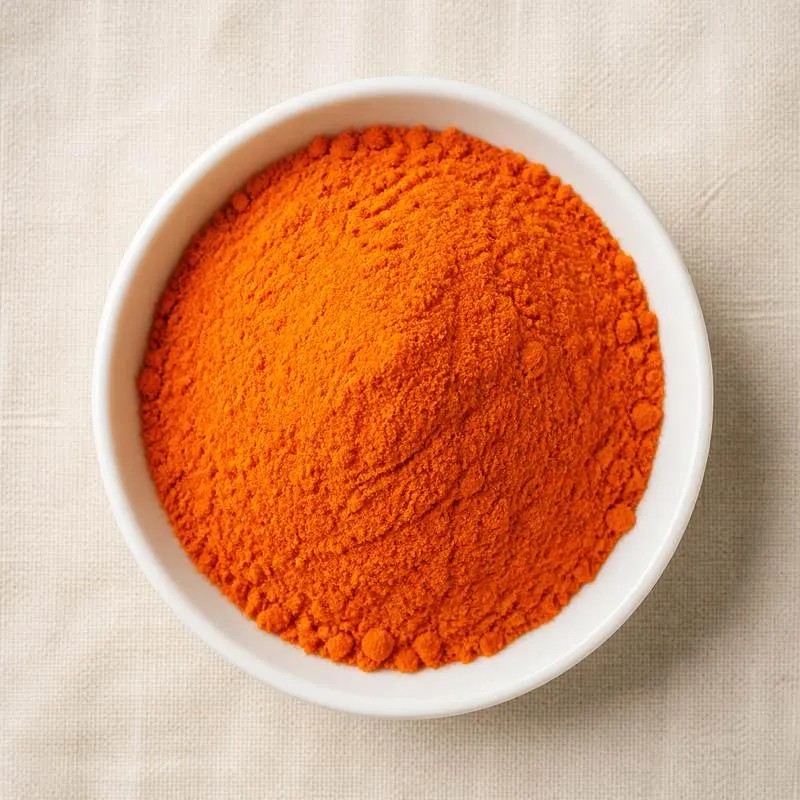
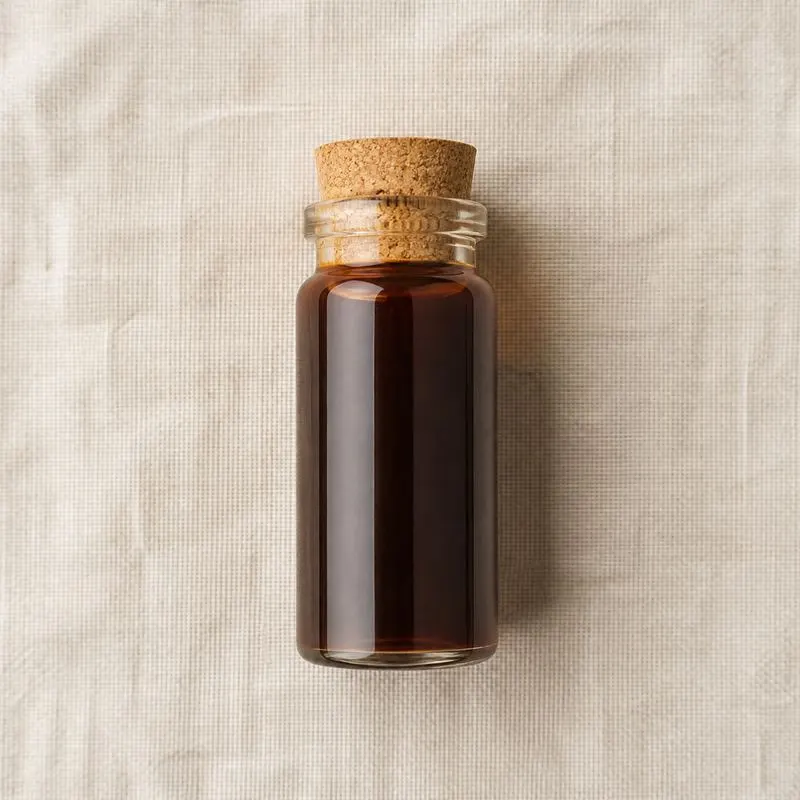
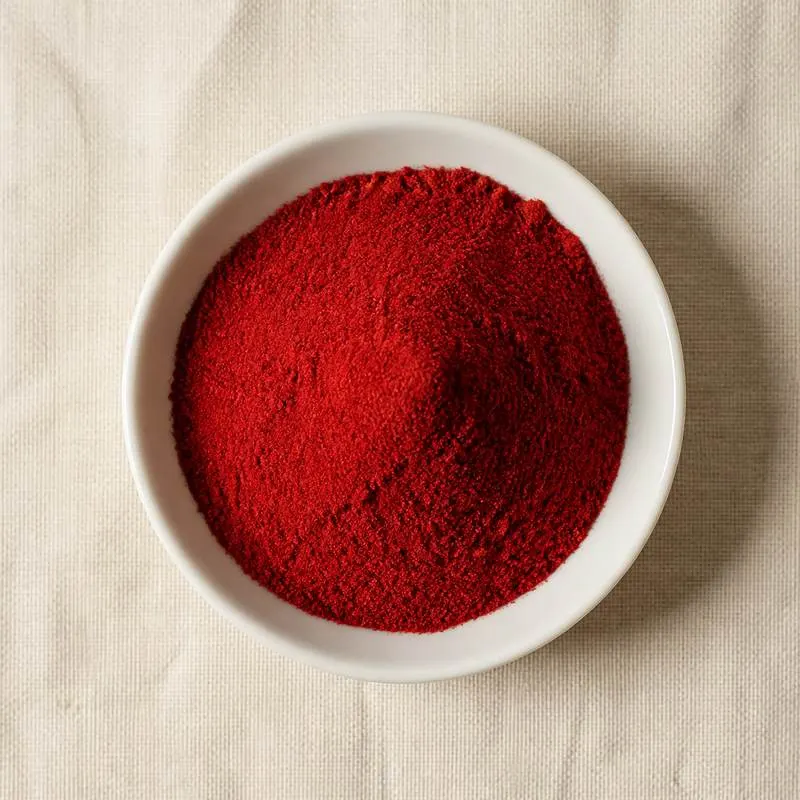
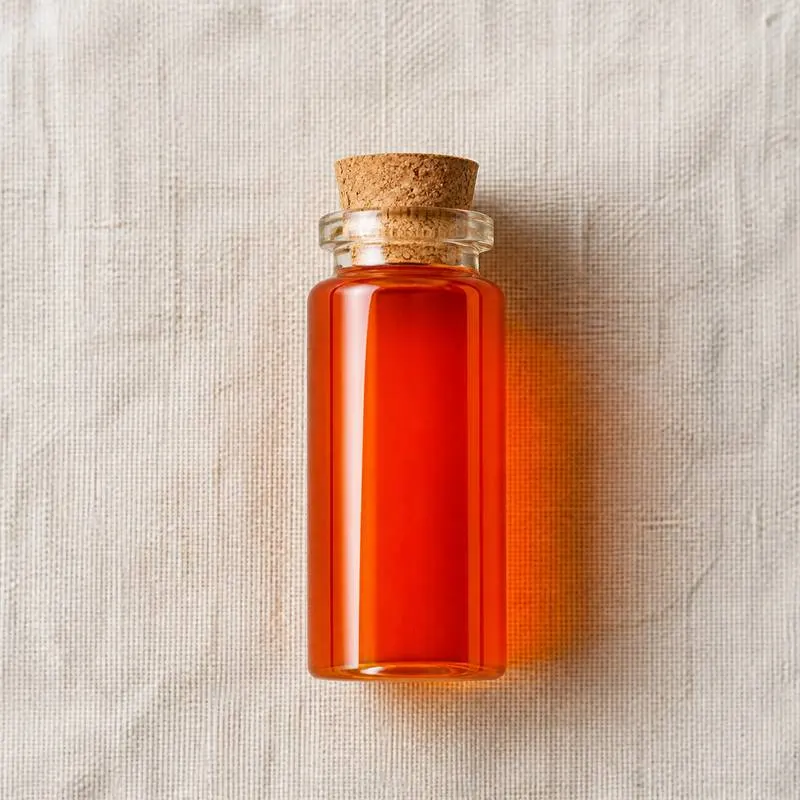
| Appearance | Dark red to purple red liquid or free flowing powder |
| Odour | Characteristic, free from foreign odour |
| Colour Value E1%1cm at 510-520 nm | E10 to E80, as declared for the grade |
| Identification | Absorption maximum at 510-520 nm in acidified methanol |
| pH of 1% solution | 2.5-4.0 |
| Loss on Drying, powder grade | Not more than 6.0% |
| Sulphated Ash | Not more than 5.0% |
| Residual Ethanol | Not more than 0.5% |
| Lead | Not more than 2 mg/kg |
| Arsenic | Not more than 1 mg/kg |
| Total Heavy Metals as Pb | Not more than 10 mg/kg |
| Total Plate Count | Not more than 1,000 cfu/g |
| Yeast and Mould | Not more than 100 cfu/g |
| E. coli | Absent in 1 g |
| Salmonella | Absent in 25 g |
Common Markets Grades
Two physical forms are traded. Liquid concentrates run at colour values of roughly E10 to E50, usually with added citric acid to hold the pH low and sometimes with a preservative system for open handling. Spray dried powders are standardised on maltodextrin to colour values in the E20 to E80 range and are preferred for dry mixes and for products where added water is unwanted.
Both forms are offered as conventional and as organic certified material, and deodorised grades are produced where the residual radish note would carry into a delicate flavour. Concentration and shade are matched batch to batch against a reference standard rather than to a single fixed assay, so specifications quote a colour value tolerance rather than a percentage purity.
Applications
- Fruit flavoured beverages and still drinks at low pH, where it replaces allura red and carmine at comparable shade
- Confectionery panning and hard candy, giving a bright red without a synthetic colour declaration
- Yoghurt and fermented dairy, where the naturally acidic matrix holds the pigment in its stable red form
- Fruit preparations, jams and fillings, coloured to compensate for pigment loss during cooking
- Surimi and imitation crab stick, where an acylated anthocyanin survives the surface heating step
- Ice cream and frozen desserts, in which low temperature and dark packaging limit light fade
- Icings, frostings and decorative sugar coatings
- Pickled vegetables and radish products, where it restores colour lost to brine leaching
- Powdered drink mixes and instant desserts, using the spray dried grade for dry blending
China Manufacturers of Red Radish Extract
Top Red Radish Extract manufacturers in China.
Company names and logos are the property of the manufacturers themselves. They are listed here because our own directory records them as producing this ingredient. A listing is not an endorsement by them, and we do not represent them or speak on their behalf.
Regulatory Status
In the United States, vegetable juice colour and dehydrated vegetable juice colour derived from red radish are listed as colour additives exempt from certification, and material of this type is used under those listings rather than as an unclassified extract. Labelling is as a vegetable juice colour or by a comparable descriptive term, since it is not permitted to be declared simply as a natural colour.
In the European Union the pigment falls under anthocyanins, E 163, which are permitted colours under the food additives Regulation, with use restricted to the food categories and conditions set out in that legislation. JECFA has evaluated anthocyanins, and the Codex framework for food additives publishes specifications for anthocyanin colours.
Manufacturing Process
Red radish roots are washed, sorted and either pressed or chopped and extracted in counter current flow with acidified water or dilute food grade ethanol. The crude extract is clarified by filtration or centrifugation to remove starch, cell debris and protein, then passed over a food grade adsorbent resin which binds the anthocyanins while sugars, organic acids and salts pass to waste. Washing the loaded resin with water removes residual sugars, and the pigment is eluted with acidified ethanol.
The eluate is concentrated under vacuum at low temperature to protect the pigment and to recover the solvent, giving a liquid concentrate that is standardised to colour value with acidified water or a carrier. Where a powder is required, the concentrate is blended with maltodextrin and spray dried at a controlled outlet temperature, then sieved and packed under conditions that limit exposure to light and oxygen.