Sodium Chondroitin Oligosulfate
Sodium chondroitin oligosulfate is the sodium salt of chondroitin sulphate that has been depolymerised to oligosaccharide length, giving a low molecular weight fraction of the parent glycosaminoglycan. Chondroitin sulphate itself is a linear chain of repeating disaccharide units of D-glucuronic acid and N-acetyl-D-galactosamine, sulphated at the 4 or 6 position of the galactosamine, and the native polymer runs from about 10,000 to 50,000 daltons. The oligosaccharide grade is cut down to a few thousand daltons or less, commonly two to twenty disaccharide units.
The reason for making it is absorption and handling. Native chondroitin sulphate is a large, highly charged polyanion that is poorly absorbed intact and that builds viscosity in solution, which limits how much can be put into a drink or a small dose form. Shortening the chain raises the diffusion rate across the gut wall, collapses the solution viscosity, and improves solubility, while leaving the disaccharide composition and the sulphation pattern that define the material chemically unchanged.
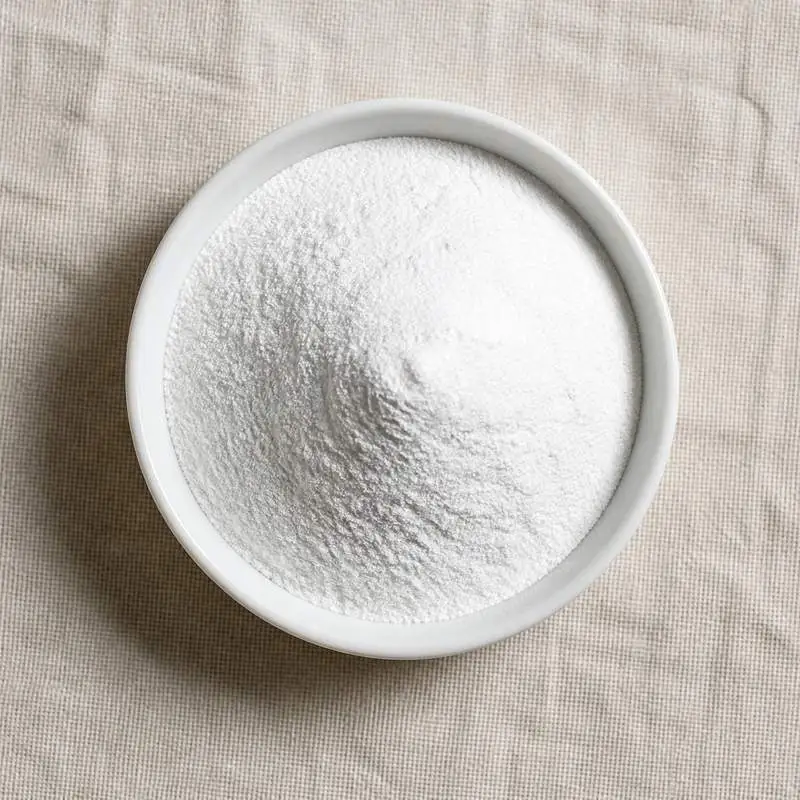
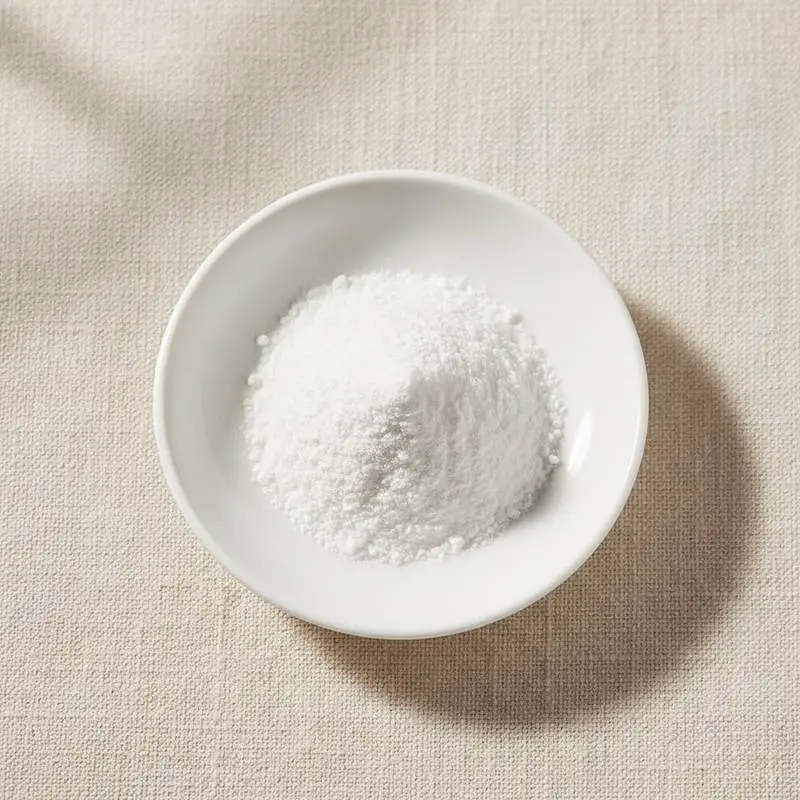
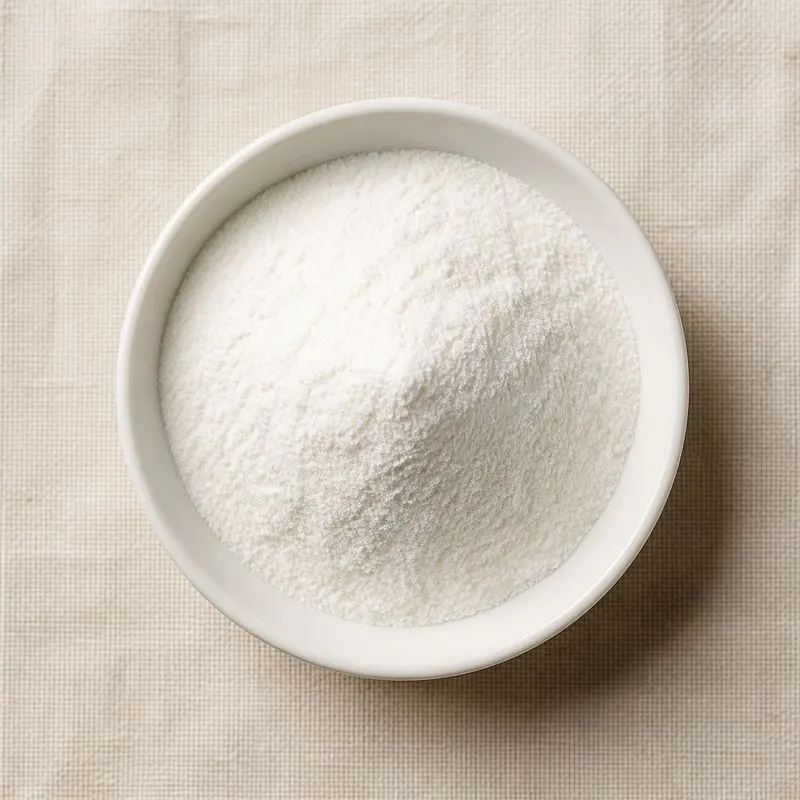
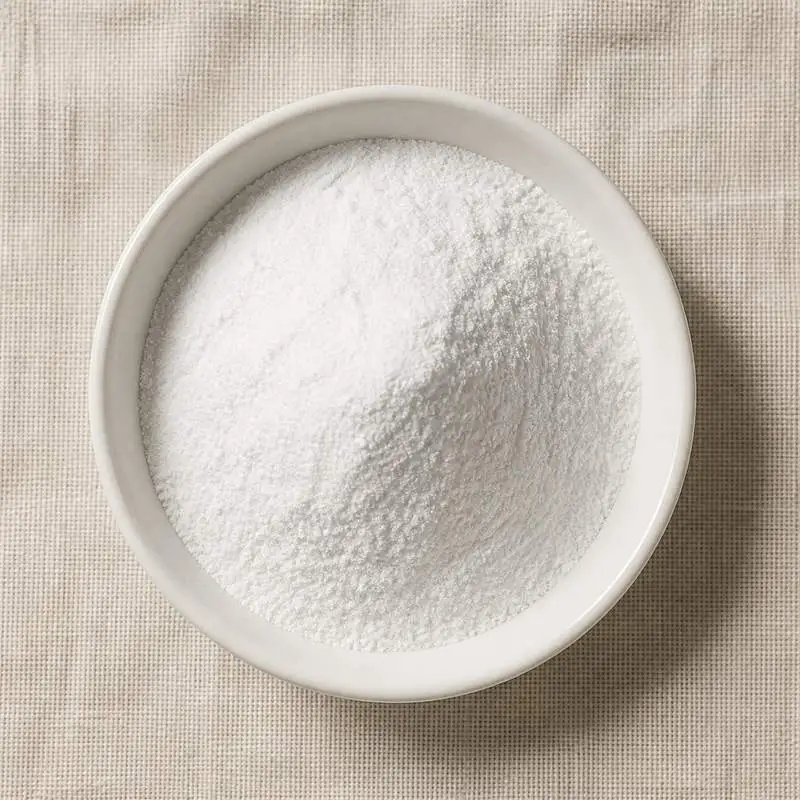
The powder is white to pale cream and amorphous, odourless or faintly characteristic, and strongly hygroscopic. It is freely soluble in water, giving a clear, essentially non viscous solution at concentrations where the native polymer would be thick, and is insoluble in ethanol and other organic solvents, which is the basis of its recovery. The solid is stable when dry and cool but takes up moisture readily, and the glycosidic backbone hydrolyses further under strong acid or prolonged heat, so it is packed with desiccant behind a moisture barrier.
We source bulk Sodium Chondroitin Oligosulfate from top China manufacturers for our partners. The manufacturer is in Zhejiang. A smaller requirement can ship in a combined container with other ingredients.
Please send the grade you need, the volume and your destination port, and we will come back with a solution and a price.
or call +86-21-6858 0751
- Function
- Nutraceutical
Specifications
| Item | Specification |
|---|---|
| Appearance | White to pale cream amorphous powder |
| Identification | Infrared spectrum and disaccharide profile conform to reference standard |
| Assay as chondroitin sulfate sodium, dry basis | 90.0 percent minimum |
| Mean molecular weight | 1,000 to 5,000 daltons |
| Ratio of 4-sulphated to 6-sulphated disaccharide | Conforms to declared animal source |
| Protein | 3.0 percent maximum |
| Keratan sulfate and other glycosaminoglycans | Not detected |
| Sodium | 4.0 to 8.0 percent |
| pH, 1 percent aqueous solution | 5.5 to 7.5 |
| Loss on drying | 10.0 percent maximum |
| Residue on ignition | 30.0 percent maximum |
| Residual ethanol | 0.5 percent maximum |
| Lead | 1.0 mg/kg maximum |
| Arsenic | 1.0 mg/kg maximum |
| Total plate count | 1,000 cfu/g maximum |
| Yeast and mould | 100 cfu/g maximum |
| Escherichia coli | Absent in 1 g |
| Salmonella | Absent in 25 g |
Common Markets Grades
Grades are defined by three attributes: assay, molecular weight and source. Assay is expressed as chondroitin sulphate sodium content by the cetylpyridinium chloride titration or by enzymatic HPLC, with 90 to 95 percent minimum typical for supplement grades and higher for pharmaceutical material. Molecular weight is specified as a mean and a distribution, which is what separates an oligosaccharide grade from a merely low molecular weight one, and is verified by size exclusion chromatography.
Source is a commercial and a regulatory attribute. Bovine tracheal cartilage, porcine cartilage and shark cartilage are the traditional feedstocks, and chicken sternal cartilage is widely used in Asian production; each gives a different ratio of 4-sulphated to 6-sulphated disaccharide, which is the basis of the origin identification test that buyers use to detect substitution. Bovine material carries transmissible spongiform encephalopathy documentation requirements; porcine material is excluded from halal and kosher supply; and fermentation derived chondroitin, made in engineered bacteria, is a small but growing non animal alternative.
Buyers also specify the depolymerisation route, enzymatic against chemical, because it affects the end groups and the residual reagent profile, and they specify tests for adulteration with keratan sulphate, over sulphated chondroitin sulphate and other cheaper glycosaminoglycans, which have historically been the substitution risk in this trade. Food, supplement and pharmaceutical grades differ in their protein, heavy metal, endotoxin and microbiological limits.
Applications
- Joint health supplements, the principal outlet, where the oligosaccharide grade is used in place of native chondroitin for faster dissolution and higher absorption
- Ready to drink joint and mobility beverages, where the low viscosity of the oligosaccharide allows a full dose without thickening the drink
- Effervescent tablets, stick packs and sachets, where solubility decides the format
- Combination formulations with glucosamine, methylsulphonylmethane, type II collagen and hyaluronic acid
- Skin and beauty supplements, where the material is dosed alongside collagen peptides and hyaluronic acid on a dermal matrix positioning
- Jelly and gummy supplements, where the low molecular weight fraction does not interfere with the gelling system
- Sports nutrition products aimed at joint comfort during high load training
- Cosmetic formulation, where the oligosaccharide is used as a humectant and film former with better skin penetration than the native polymer
- Pet joint supplements, in the same combinations used for human products
China Manufacturers of Sodium Chondroitin Oligosulfate
Top Sodium Chondroitin Oligosulfate manufacturers in China.

Company names and logos are the property of the manufacturers themselves. They are listed here because our own directory records them as producing this ingredient. A listing is not an endorsement by them, and we do not represent them or speak on their behalf.
Regulatory Status
In the United States chondroitin sulphate sodium is used as a dietary ingredient under the Dietary Supplement Health and Education Act, with manufacture subject to current good manufacturing practice at 21 CFR Part 111. A depolymerised oligosaccharide grade is not automatically covered by the marketing history of the native polymer, so a new dietary ingredient notification may be required depending on how the material differs from what was marketed before October 1994. There is no food additive regulation covering chondroitin sulphate, so use in conventional food would require an independent GRAS conclusion for the specified conditions of use. Where the raw material is bovine, the ruminant material prohibitions and the specified risk material controls apply, and source country and tissue documentation is expected. Claims are limited to structure and function statements, since no health claim is authorised for joint ingredients.
In the European Union chondroitin sulphate is placed on the market as a food supplement ingredient in a number of member states on the basis of national rules, and material equivalent to what was consumed before May 1997 is not a novel food. A depolymerised oligosaccharide produced by a process without that history may fall within the scope of Regulation (EU) 2015/2283 and require assessment, and preparations from non traditional sources, including fermentation derived chondroitin, are treated as novel. Directive 2002/46/EC governs supplement labelling and presentation, and no health claim for chondroitin carries authorisation under Regulation (EC) No 1924/2006. Animal derived raw material is subject to the animal by products framework in Regulation (EC) No 1069/2009 and, for material intended for human consumption, to the hygiene rules of Regulation (EC) No 853/2004, with transmissible spongiform encephalopathy controls applying to bovine and ovine sources. Chondroitin sulphate is also the subject of a European Pharmacopoeia monograph, which many food grade specifications are written against even where the material is not sold for medicinal use. Codex Alimentarius has no standard covering the substance.
Manufacturing Process
Production is a two stage route: extract the native polymer, then cut it. Cartilage raw material, from bovine trachea, porcine or chicken sternum, or shark, is trimmed of adhering soft tissue, minced and defatted. The tissue is then digested with a food grade protease at controlled temperature and pH, which hydrolyses the core protein of the proteoglycan and the surrounding collagen matrix and releases the chondroitin sulphate chains into solution. In some plants an alkaline extraction is used instead or in addition.
The digest is clarified by centrifugation and filtration, and the residual protein is precipitated and removed, traditionally by heat and pH adjustment and now more often by ultrafiltration. The glycosaminoglycan is then captured, either by precipitation with a quaternary ammonium salt such as cetylpyridinium chloride, which forms an insoluble complex that is filtered off and dissociated in brine, or by anion exchange chromatography, which works well because the molecule is strongly negatively charged. The recovered material is desalted by diafiltration, converted to the sodium salt, and precipitated with ethanol to give native chondroitin sulphate sodium.
Depolymerisation is the step that makes the oligosaccharide. The enzymatic route treats a solution of the purified polymer with chondroitinase or hyaluronidase under controlled conditions and stops the reaction when the target molecular weight is reached, which gives a narrow distribution and defined end groups. The chemical route uses controlled acid hydrolysis, oxidative cleavage with hydrogen peroxide, or free radical depolymerisation, which is cheaper but gives a broader distribution and requires careful control of residual reagent.
The depolymerised solution is then neutralised, decolourised on activated carbon, filtered, desalted again by nanofiltration or diafiltration to remove the salts and any fragments below the target size, and concentrated. The concentrate is spray dried or precipitated with ethanol and vacuum dried, then milled, assayed for molecular weight and purity and packed with desiccant under a moisture barrier.