Star Anise Extract
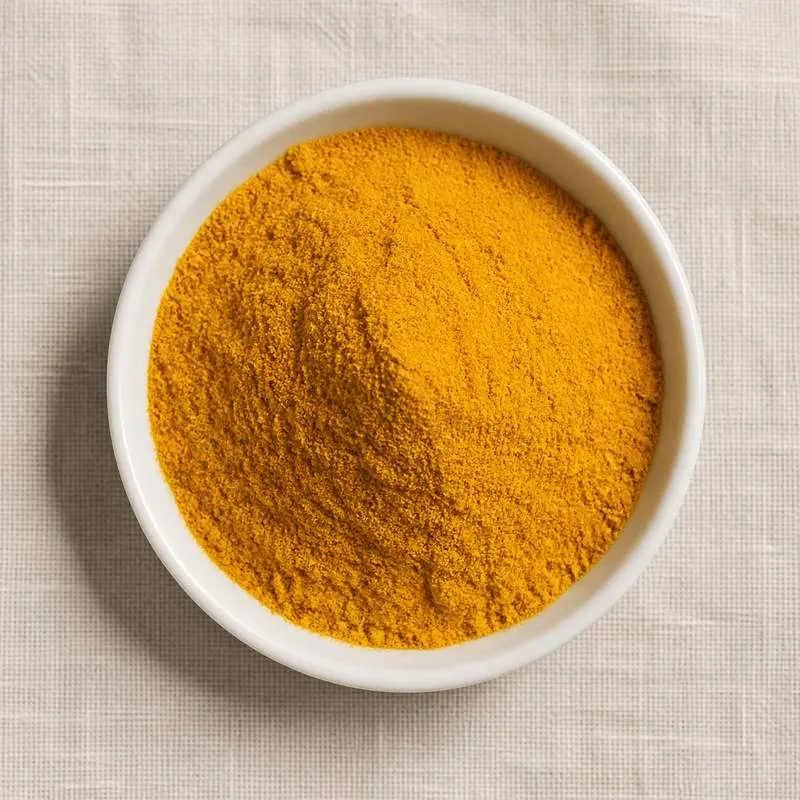
Star anise extract is prepared from the dried star-shaped fruit of Illicium verum, an evergreen tree native to southern China and northern Vietnam. It is traded as essential oil, oleoresin and dispersible powder, and it is the dominant commercial source of anethole, the compound that gives anise, fennel and star anise their shared liquorice character.
The essential oil is 80 to 90 percent trans-anethole, with foeniculin, limonene, linalool and methyl chavicol making up most of the balance. That concentration is unusually high for an essential oil and is why star anise, rather than anise seed itself, supplies most of the anethole used in flavour and beverage manufacture. The fruit is also the traditional feedstock for shikimic acid, recovered from the non-volatile fraction, and that pharmaceutical demand has at times moved the price of the spice.
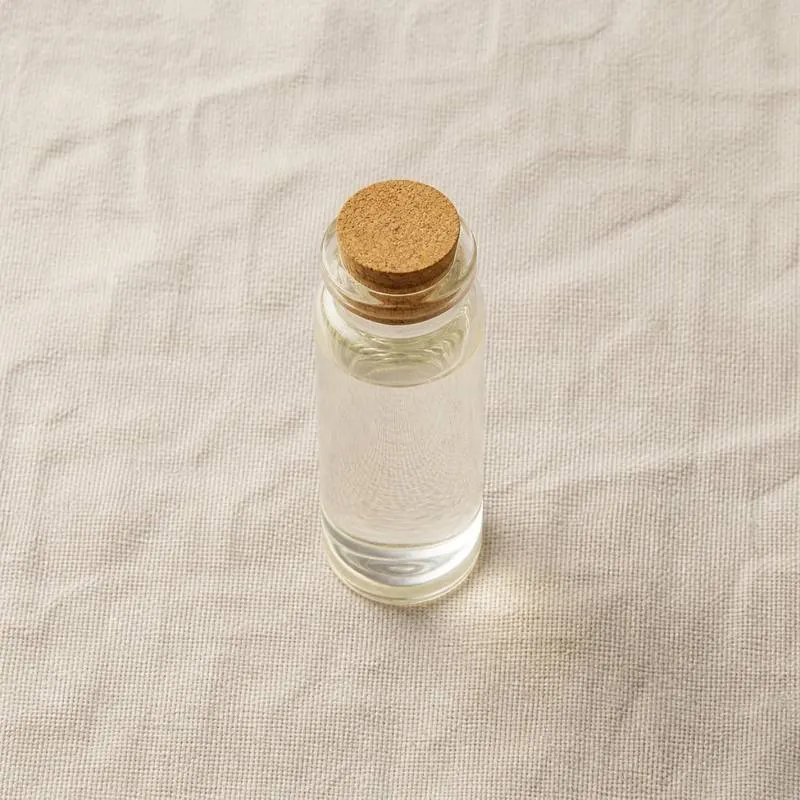
Anethole is a crystalline solid at cool temperatures, so star anise oil solidifies below roughly 20 degrees C and must be warmed before use. The oil is soluble in ethanol and in fats and insoluble in water, and the trans isomer isomerises to the less pleasant cis form under light, acid and prolonged heat, so material is stored cold and dark.
We source bulk Star Anise Extract from top China manufacturers for our partners. The manufacturers are in Chongqing and Henan. A smaller requirement can ship in a combined container with other ingredients.
Please send the grade you need, the volume and your destination port, and we will come back with a solution and a price.
or call +86-21-6858 0751
- Function
- Plant extract
Specifications
| Item | Specification |
|---|---|
| Appearance | Clear pale yellow liquid, may crystallise below 20 degrees C |
| Odour | Sweet warm anise character |
| trans-Anethole (GC) | 85.0 percent minimum |
| Species identity | Negative for anisatin and veranisatin, confirming Illicium verum |
| Congealing point | 15.0 degrees C minimum |
| Estragole (methyl chavicol) | 1.0 percent maximum |
| Relative density at 25 degrees C | 0.978 to 0.988 |
| Refractive index at 20 degrees C | 1.553 to 1.560 |
| Optical rotation at 20 degrees C | Minus 2 to plus 1 degrees |
| Solubility in 90 percent ethanol | Soluble in 3 volumes, clear solution |
| Acid value | 1.0 maximum |
| Heavy metals (as Pb) | 10 mg/kg maximum |
| Lead | 1.0 mg/kg maximum |
| Arsenic | 1.0 mg/kg maximum |
Common Markets Grades
Steam distilled essential oil is the main article, specified on trans-anethole content, typically 85 percent minimum for a standard grade and 90 percent or more for a high-anethole grade, and on congealing point, which is the traditional quick test of anethole content because the oil solidifies at a temperature that tracks its purity. Oleoresin is a solvent extract carrying both volatile and non-volatile fractions and is quoted on volatile oil content in millilitres per hundred grams.
Water-soluble forms come as emulsions and as spray-dried powders on gum acacia or modified starch for beverage and dry blend use. Isolated anethole, crystallised from the oil, is traded as a separate flavour chemical. The specification point that matters most is species purity: Japanese star anise, Illicium anisatum, is toxic and morphologically similar, and adulteration has caused documented poisonings, so identity testing by chromatography for the sesquiterpene lactones anisatin and veranisatin is a routine requirement rather than an optional check.
Applications
- Alcoholic beverages including pastis, ouzo, absinthe and anise liqueurs, the largest outlet for the oil
- Confectionery and hard candy with liquorice and anise profiles
- Chinese five spice powder and braising spice blends
- Processed meat seasonings, particularly for Chinese style cured and braised products
- Bakery applications in anise biscuits, breads and pastries
- Soft drinks and root beer style formulations, using an emulsified or powdered grade
- Cough syrups, lozenges and throat preparations
- Oral care products including toothpaste and mouthwash
- Feedstock for shikimic acid recovery from the fruit
- Fragrance compounding in sweet and oriental accords
China Manufacturers of Star Anise Extract
Top Star Anise Extract manufacturers in China.
 Chongqing Huacui Bio-technology Co., Ltd.10 ingredients in the directory
- Nanyang Plant Essence Extraction Co., Ltd.18 ingredients in the directory
Company names and logos are the property of the manufacturers themselves. They are listed here because our own directory records them as producing this ingredient. A listing is not an endorsement by them, and we do not represent them or speak on their behalf.
Regulatory Status
In the United States 21 CFR 182.10 and 182.20 list star anise, its oil and its oleoresin among the spices, essential oils and oleoresins generally recognised as safe for their intended use in food, and star anise oil and anethole carry FEMA GRAS numbers as flavouring substances. The regulatory issue specific to this commodity is species adulteration: the FDA has advised against the consumption of star anise teas because of illness associated with Chinese star anise contaminated with Japanese star anise, and identity testing of incoming material is the expected control.
In the European Union star anise preparations are flavouring preparations obtained from a food source and are handled under the flavourings regulation, while anethole as a chemically defined flavouring substance appears on the Union list. There is no E number. Authorities have issued warnings on Illicium anisatum contamination, and the general contaminant and hygiene legislation applies. Codex has adopted a standard for star anise as a spice covering identity, moisture, ash and defect tolerances, and the general Codex provisions on contaminants and food hygiene apply alongside it.
Manufacturing Process
Dried fruit is cleaned, sorted and inspected, and the identity check for Illicium anisatum is carried out here rather than downstream, because the toxic species is difficult to detect once material has been ground. The fruit is coarsely crushed and charged to a stainless steel still, then steam distilled for eight to twelve hours; the vapour is condensed and the oil, which is only slightly denser than water, is separated in a Florentine flask, with the aqueous distillate cohobated to recover dissolved anethole.
The crude oil is dried and filtered, and where a high-anethole grade is required it is fractionally distilled under vacuum or partly crystallised by chilling, since anethole freezes out and can be separated from the liquid terpene fraction. Oleoresin is made on a separate route by percolating ground fruit with ethanol or hexane and stripping the solvent under vacuum at low temperature, with volatile oil distilled separately and blended back to a declared strength. Emulsified and spray-dried forms are prepared by homogenising the oil with a gum acacia or modified starch solution and drying. Finished oil is filled into lined drums under nitrogen and stored above its congealing point or warmed before decanting.