Strawberry Furanone
Strawberry furanone is the flavour industry name for 4 hydroxy 2,5 dimethylfuran 3(2H) one, also known as furaneol or as pineapple ketone, a hydroxyfuranone with the molecular formula C6H8O3 and a molecular weight of about 128. It occurs naturally in strawberry, pineapple, tomato, mango, raspberry and buckwheat, and is also formed by Maillard chemistry in roasted coffee, soy sauce and cooked meat, which is why it appears in both sweet and savoury work.
Its odour is strongly concentration dependent. Neat and at high dilution it reads as burnt sugar, caramel and cotton candy, while at low parts per million and below it becomes sweet, jammy and unmistakably strawberry, with a ripe fruity body that no ester reproduces. The detection threshold in water is in the region of ten parts per billion, so it is one of the most powerful materials in routine use and is almost always handled as a pre dilution.
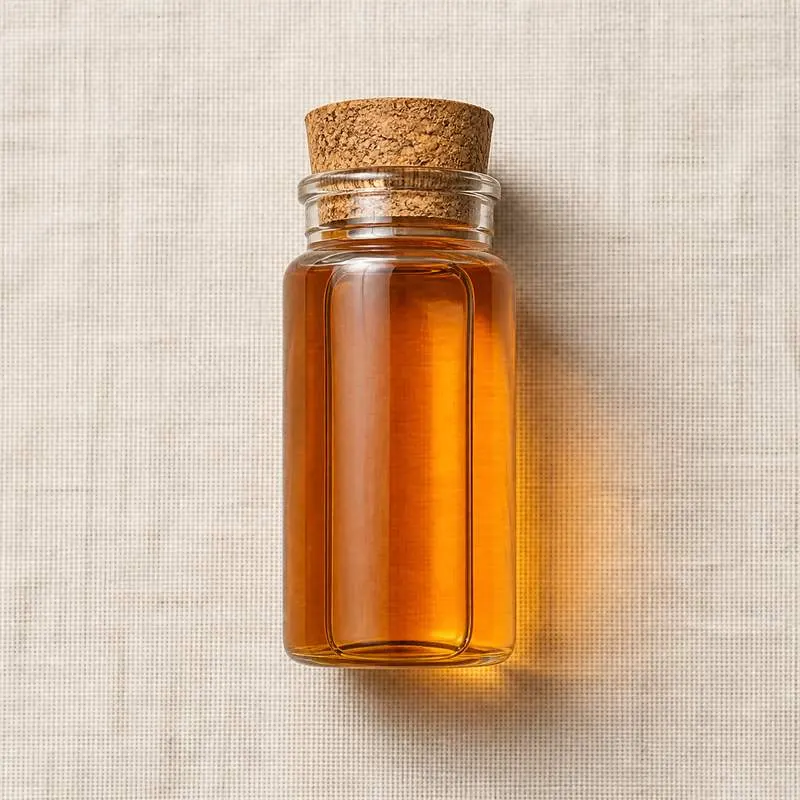
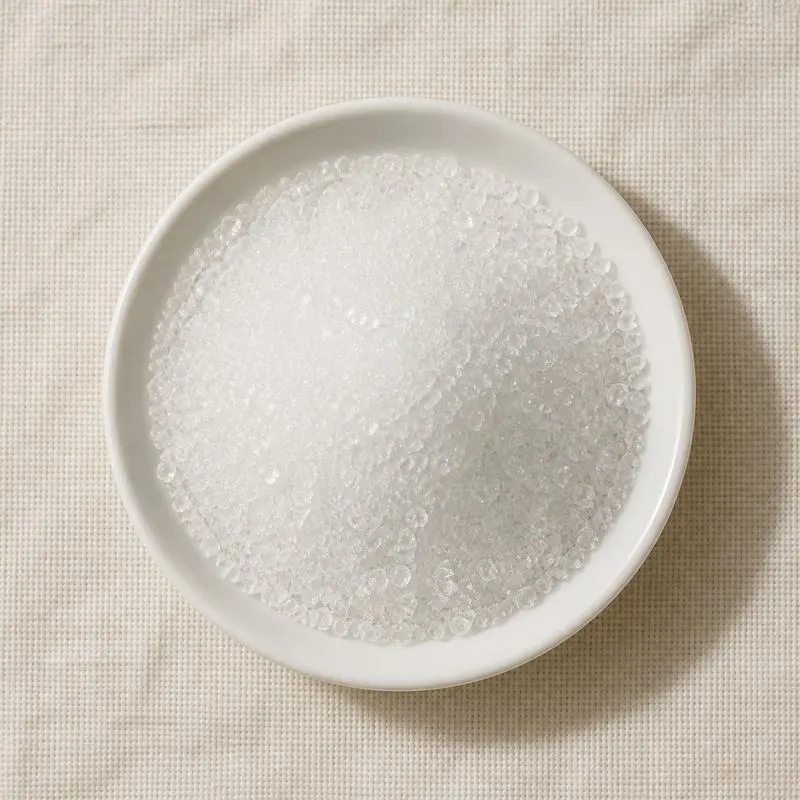
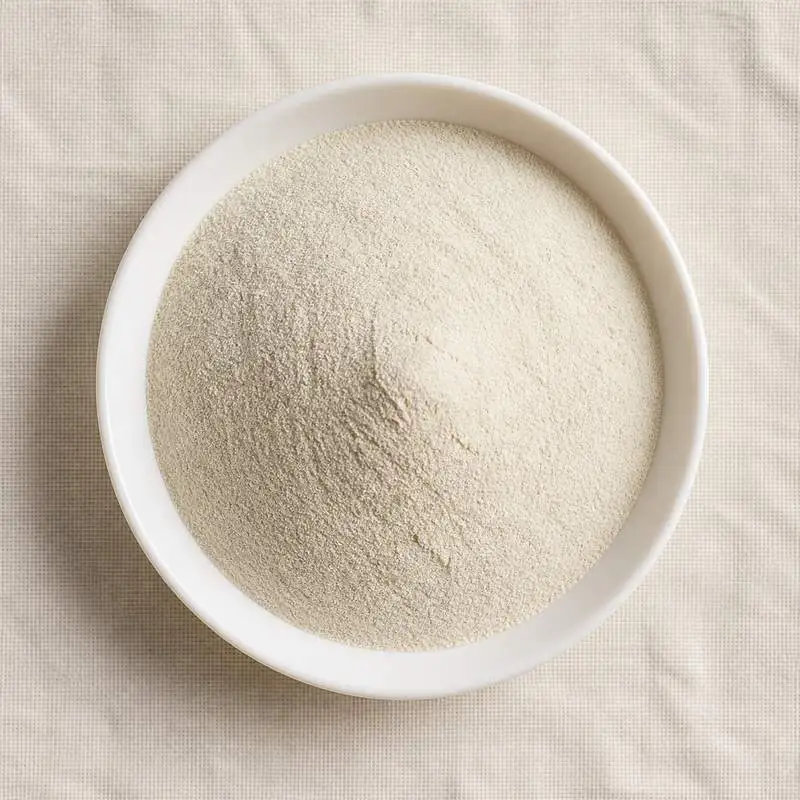
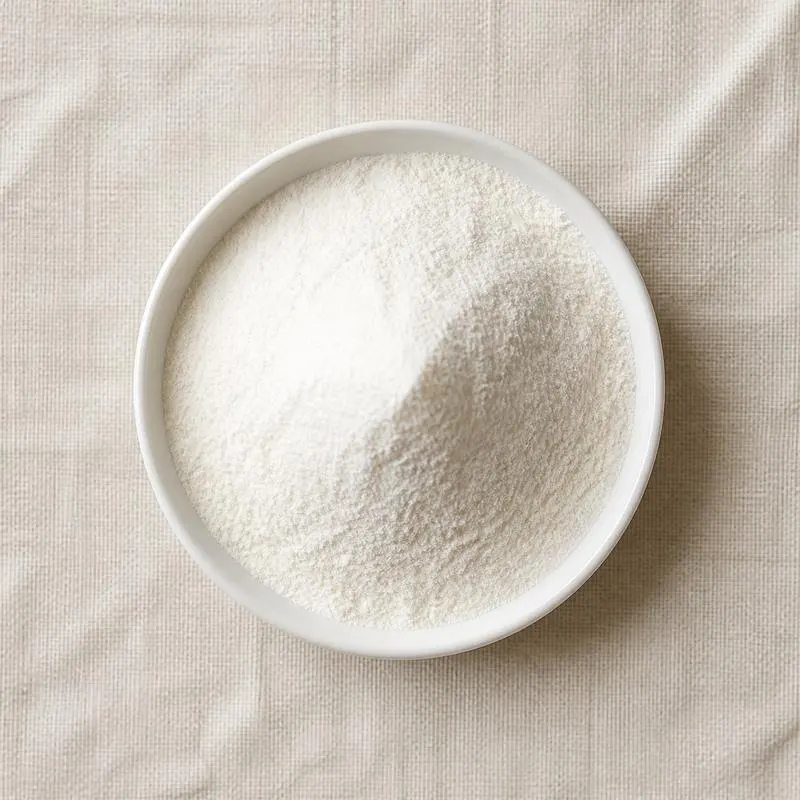
The material is a white to pale yellow crystalline solid or flake with a melting point around seventy seven to eighty degrees Celsius, and also sells as solutions in propylene glycol, ethanol or triacetin for compounding. It is freely soluble in water, ethanol and propylene glycol and only sparingly soluble in fats and oils, which makes it well suited to beverages and to aqueous systems. The enol structure is reducing and reactive, so the solid discolours slowly in air and aqueous solutions brown and lose potency at neutral to alkaline pH and at elevated temperature, which is why grades are packed under nitrogen and stored cold and why solutions are formulated on the acid side.
We source bulk Strawberry Furanone from top China manufacturers for our partners. The manufacturer is in Shandong. A smaller requirement can ship in a combined container with other ingredients.
Please send the grade you need, the volume and your destination port, and we will come back with a solution and a price.
or call +86-21-6858 0751
- Function
- Flavours and Aromas
Specifications
| Item | Specification |
|---|---|
| Appearance | White to pale yellow crystalline powder or flake |
| Odour | Sweet caramel and burnt sugar, strawberry on dilution |
| Assay by Gas Chromatography | Not less than 98.0% |
| Identification | Infrared and mass spectrum conform to reference standard |
| Melting Point | 77 to 80 C |
| Loss on Drying | Not more than 0.5% |
| Residue on Ignition | Not more than 0.1% |
| Solubility | Freely soluble in water, ethanol and propylene glycol |
| Colour of 10% Aqueous Solution | Not darker than reference standard |
| Residual Solvent | Not more than 0.1% total |
| Heavy Metals | Not more than 10 mg/kg |
| Lead | Not more than 2.0 mg/kg |
| Arsenic | Not more than 1.0 mg/kg |
| Particle Size | Passes 40 mesh as declared per grade |
Common Markets Grades
The compound is traded essentially as a single chemical rather than as a family of compositions, with assay quoted as not less than 98 percent or not less than 99 percent by gas chromatography and appearance specified because the crystals yellow as they oxidise. The important commercial distinction is not purity but origin, since a material obtained by biotechnological conversion or by thermal degradation of a natural sugar may be declared as a natural flavouring substance, while a synthesised material of identical structure may not, and the two trade at very different prices against the same specification.
Physical grades cover crystalline solid and flake, the latter easier to handle and dissolve, and milled powder where fast dissolution matters. Because the use level in a finished flavour is measured in parts per million, solutions at one to ten percent in propylene glycol, ethanol or triacetin are a standard trade form, and encapsulated grades spray dried onto a carbohydrate carrier are used where the material must survive storage in a dry blend without browning.
Applications
- Strawberry flavours for beverages, dairy and confectionery, where it supplies the ripe jammy character esters cannot
- Pineapple, mango and tropical fruit flavours, in which it occurs naturally and is a defining component
- Caramel, toffee and brown sugar flavourings, used at higher concentration for its burnt sugar note
- Bakery flavours for biscuits, cakes and sweet doughs, contributing baked and caramelised character
- Coffee, cocoa and chocolate flavours, reinforcing roasted notes formed during processing
- Savoury reaction flavours, where it is one of the compounds generated by the Maillard reaction itself
- Soy sauce and fermented seasoning flavours, contributing sweet caramel depth
- Fruit preparations, jams and yoghurt, restoring the ripe note lost during heat treatment
- Tobacco flavourings, used at low levels for sweetness
- Sweetness modification, where it raises perceived sweetness without contributing sugar
China Manufacturers of Strawberry Furanone
Top Strawberry Furanone manufacturers in China.

Company names and logos are the property of the manufacturers themselves. They are listed here because our own directory records them as producing this ingredient. A listing is not an endorsement by them, and we do not represent them or speak on their behalf.
Regulatory Status
Strawberry furanone is a flavouring substance rather than a food additive and carries no E number. In the United States the FEMA GRAS programme clears it for flavouring use and it appears among the synthetic flavouring substances permitted for addition to food, with 21 CFR 101.22 governing whether a food containing it may be described as naturally or artificially flavoured according to the origin of the material used.
In the European Union it appears on the Union list of flavouring substances authorised for use in and on foods, and use is governed by the flavourings framework rather than by any additive authorisation. The same framework sets the conditions under which a batch may be described as a natural flavouring substance, which for this compound turns entirely on whether it was obtained from a natural source material by a physical, enzymatic or microbiological process, since the synthesised and the natural material are chemically identical and cannot be distinguished by ordinary assay. Isotope ratio analysis is the technique used in practice to verify origin claims. JECFA has evaluated the compound within its group assessment of furfuryl and furan derivatives used as flavouring agents.
Manufacturing Process
Two routes are used commercially, and the choice determines whether the product may be declared natural. The natural route starts from a six carbon sugar, most often rhamnose or a fructose derivative, which is heated with an amino acid under controlled pH and temperature so that Maillard chemistry degrades and cyclises the sugar to the hydroxyfuranone, or is converted enzymatically by a yeast such as Zygosaccharomyces rouxii, which reduces a phosphorylated fructose intermediate to the same product. The fermentation broth or reaction mass is then clarified, extracted into a solvent, and concentrated under vacuum.
The synthetic route builds the ring chemically from a six carbon diketone precursor by acid catalysed cyclisation and hydroxylation, followed by neutralisation and solvent extraction. Both routes converge on the same purification train. The crude extract is concentrated under reduced pressure at low temperature, since the compound darkens on heating, and the product is crystallised from a solvent, separated by centrifugation, washed and dried under vacuum at a temperature well below its melting point. Finished crystals are milled or flaked, checked for assay, melting point and colour, and packed in fibre drums with a polyethylene liner under nitrogen for cold storage. Solutions are prepared by dissolving the crystals into the specified carrier under gentle warming and filtering.