Succinylated Monoglycerides
Succinylated Monoglycerides, commonly abbreviated SMG, are food emulsifiers produced by reacting monoglycerides of fatty acids with succinic acid or succinic anhydride. The succinyl group substitutes onto a free hydroxyl on the glycerol backbone, producing a molecule with strong dough strengthening activity.
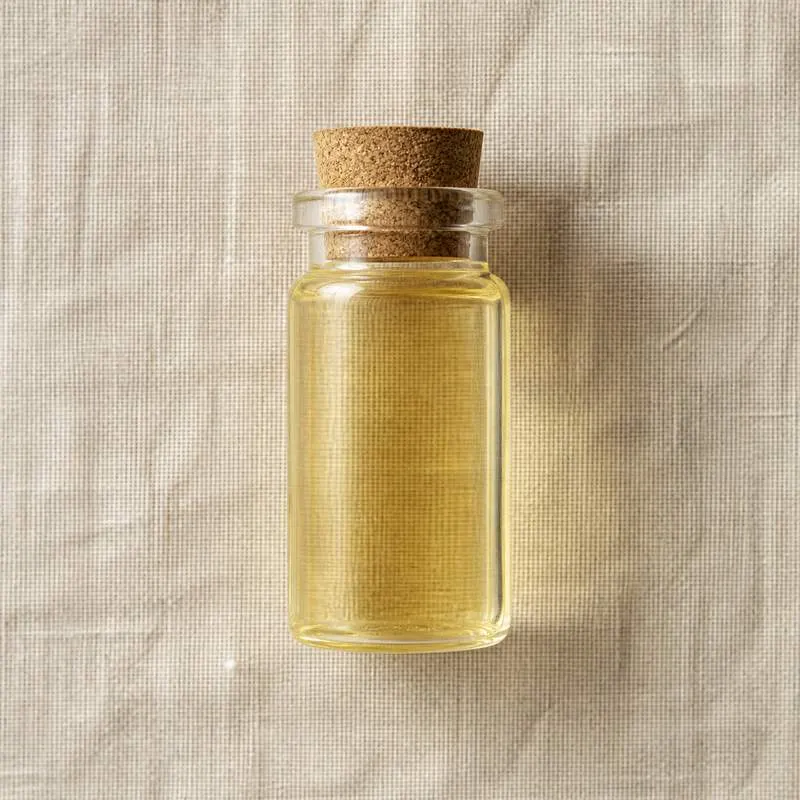
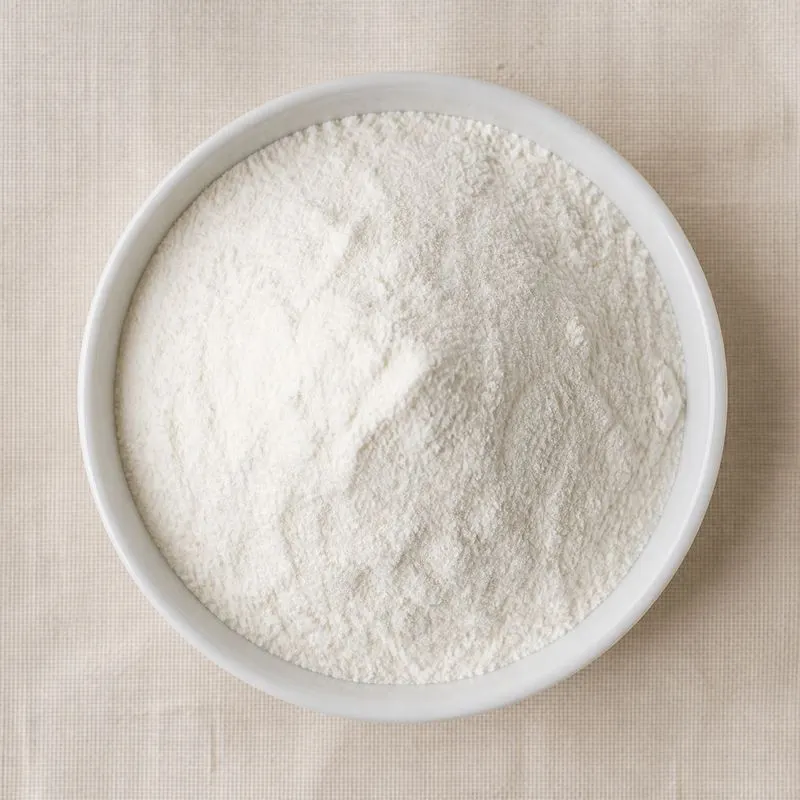
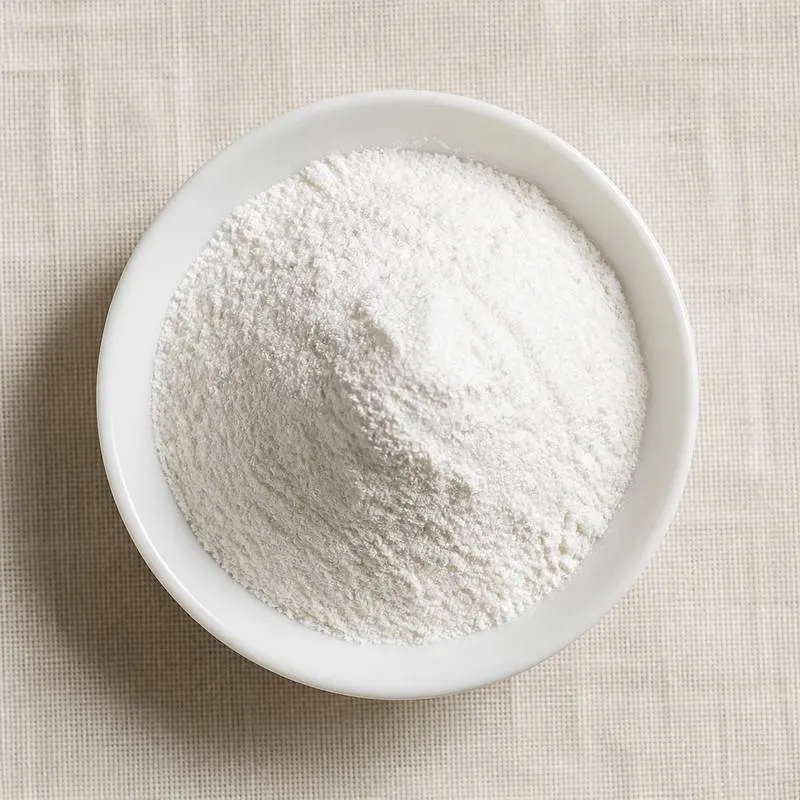
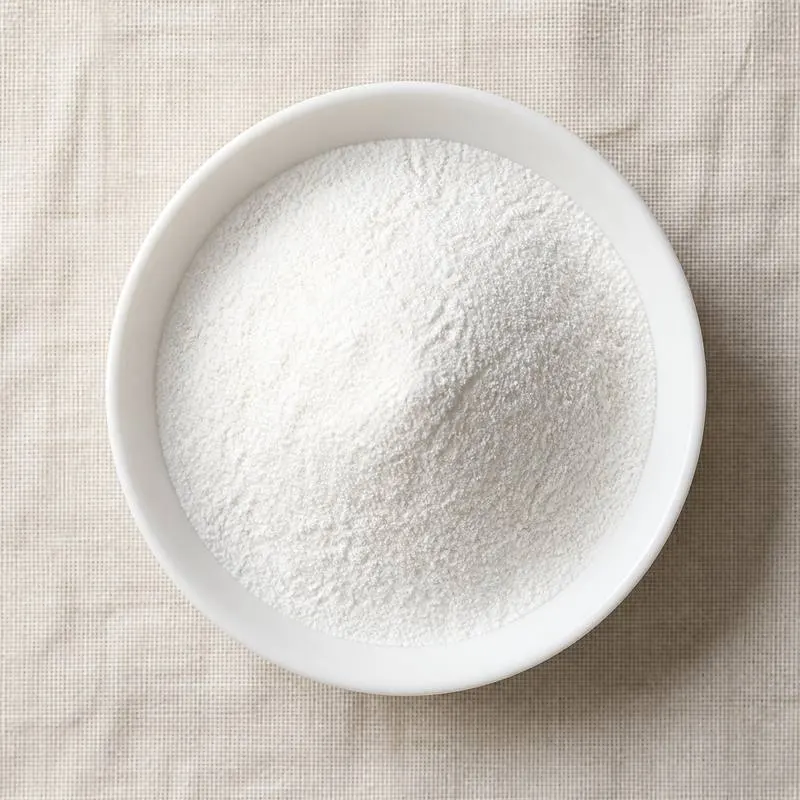
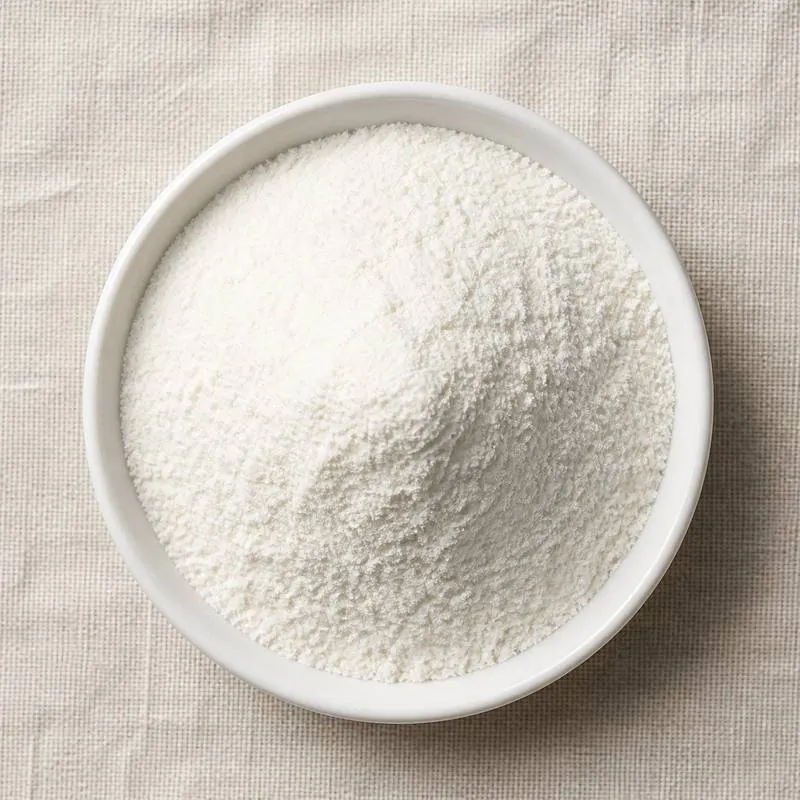
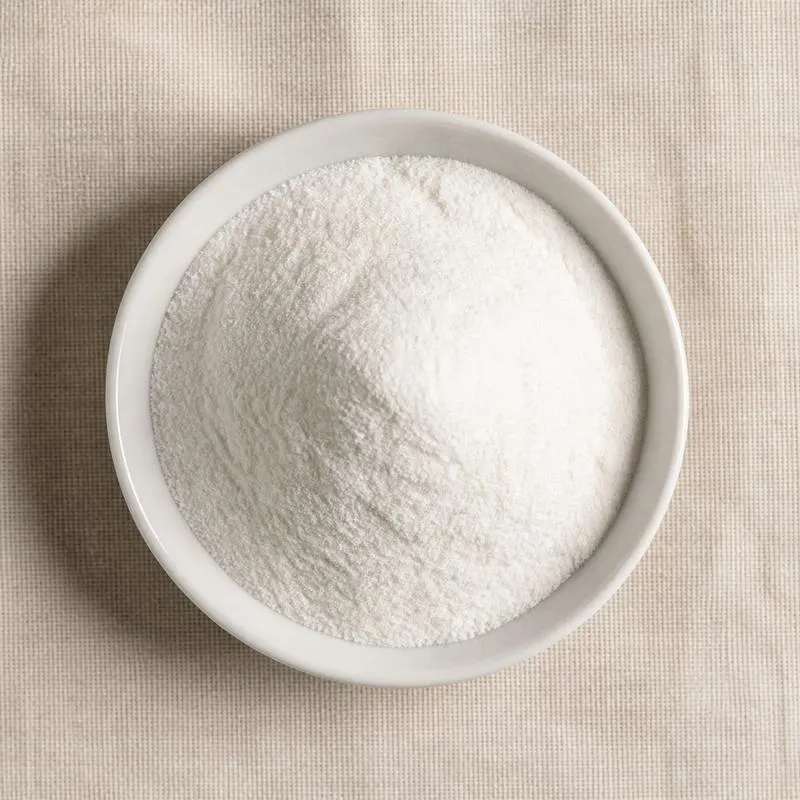
The material is a white solid in bead, flake, or powder form. The added succinyl group introduces a polar carboxylic acid functionality that lifts hydrophilicity above that of the parent monoglyceride.
We source bulk Succinylated Monoglycerides from top China manufacturers for our partners. The manufacturers are in Guangdong. A smaller requirement can ship in a combined container with other ingredients.
Please send the grade you need, the volume and your destination port, and we will come back with a solution and a price.
or call +86-21-6858 0751
- Packaging
- 25 kg kraft paper bag with PE inner liner
- ISO 9001
- HACCP
- Halal
- Kosher
Specifications
Grades / Types Available: Food Grade, Feed Grade
| Item | Specification |
|---|---|
| Appearance | White to cream waxy solid or flakes |
| Acid Value | 60-85 mg KOH/g |
| Saponification Value | 245-285 mg KOH/g |
| Total Succinic Acid | 15-22% |
| Free Glycerol | ≤ 2.0% |
| Melting Point | 60-65°C |
| Heavy Metals (as Pb) | ≤ 2 mg/kg |
| Purity/Assay | ≥ 95% (Food Grade) |
| Viscosity | 100-200 mPa·s (Food Grade) |
| Moisture/Loss on Drying | ≤ 5% (Food Grade) |
| pH | 6.0 - 8.0 (Food Grade) |
| Particle Size/Mesh | 80 mesh (Food Grade) |
| Ash | ≤ 1% (Food Grade) |
| Lead | ≤ 2 ppm (Food Grade) |
| Arsenic | ≤ 1 ppm (Food Grade) |
| Total Plate Count | ≤ 1000 cfu/g (Food Grade) |
| Yeast & Mold | ≤ 100 cfu/g (Food Grade) |
Common Markets Grades
Succinylated Monoglycerides are graded by degree of succinylation, monoester content, and parent fatty acid profile.
Standard bakery grades carry succinic acid content between 12 and 18 percent. Premium grades are produced with tighter control of succinic acid distribution for high-volume bread plant operations.
Hydrogenated grades from fully hardened palm or soybean oil are dominant because the saturated fatty acid chain delivers the firm, free-flowing solid form preferred for dry premix handling and accurate dosing in continuous bakery lines.
The molecule is produced almost exclusively in powdered or beaded format for direct addition to flour and dough premixes.
Applications
- Bread dough strengthening and gas retention
- Bun, roll, and pizza base dough conditioning
- Frozen dough resistance to freeze-thaw damage
- Whole grain and high-fibre bread volume improvement
- Cake mix batter aeration
- Liquid shortening structure
- Whipping cream and aerated topping stabilisation
- Frozen dessert overrun control
- Pasta and noodle dough firmness
- Coffee creamer fat structure
- Pharmaceutical tablet binder applications
- Industrial baking premix formulations
China Manufacturers of Succinylated Monoglycerides
Top Succinylated Monoglycerides manufacturers in China.
 GU (Guangzhou) Additive Co., Ltd.10 ingredients in the directory
 Guangzhou Masson Science & Technology Industry Company Limited7 ingredients in the directory
Company names and logos are the property of the manufacturers themselves. They are listed here because our own directory records them as producing this ingredient. A listing is not an endorsement by them, and we do not represent them or speak on their behalf.
How We Help Source Succinylated Monoglycerides
Direct Factory Sourcing
We run the whole process: selecting the manufacturer from the top Chinese food ingredient producers, negotiating the price, verifying quality, and coordinating the logistics. You deal with us instead of with several factories at once.
Original Packaging and Documents from the Manufacturer
The manufacturer sends your Succinylated Monoglycerides out of its own factory in the original packing, through to your destination port. The COA, COO, MSDS, TDS and any certifications reach you from the manufacturer as well.
Free Samples and Lead Time
We send 100 to 500 g free for your own laboratory to test and you cover only the courier, usually within 2 to 3 working days. ETD is usually within 7 to 15 days once the order is confirmed, and we check that date against the factory's own manufacturing schedule before we give it to you.
Combined Shipment
We can load Succinylated Monoglycerides together with other ingredients such as Polyglycerol Esters of Fatty Acids, Non-Dairy Creamer and Mono- and Diglycerides of Fatty Acids into one 20' FCL. If your quantity is small, we can also ship LCL.
Regulatory Status
The United States Food and Drug Administration lists Succinylated Monoglycerides as a food additive under 21 CFR 172.830 for use in liquid and plastic shortenings, as a dough conditioner in bread baking, and in whipped vegetable oil toppings.
The additive is not currently approved as a stand-alone listing in the European Union under the E472 series and is therefore used predominantly in North American and selected Asian markets.
JECFA evaluated succinylated mono and diglycerides and concluded that an intake limit was not required, with defined identity and purity specifications.
The Food Chemicals Codex carries a monograph for succinylated monoglycerides covering acid value, saponification value, free glycerol, and free fatty acid. Kosher and Halal certifications are widely available, with non-GMO documentation offered for plant-source grades.
Manufacturing Process
Succinylated Monoglycerides are produced by reacting standard or distilled monoglyceride with succinic anhydride.
The monoglyceride is melted and charged to a stirred reactor under inert atmosphere. Succinic anhydride is added at a controlled rate at temperatures between 120 and 150 degrees Celsius. The reaction proceeds without an added catalyst, with the anhydride opening to form a succinate half-ester on a free hydroxyl group of the glycerol backbone.
The reaction time runs from 1 to 3 hours, with continuous monitoring of acid value and unreacted anhydride. The mixture is then cooled and shaped by spray cooling, drum flaking, or extrusion into the target physical form.
Quality control covers acid value, free fatty acid, total succinic acid, and monoester content. The finished material is packaged under controlled atmosphere to maintain free-flowing properties.