Teochew Marinade
Teochew marinade is a compound braising seasoning built on the Chaoshan style of braising liquid, in which soy sauce, sugar, salt and a defined spice set are combined into a concentrate that a kitchen or a factory dilutes back into a working braise.
The character of the style comes from its spice selection rather than from heat. Galangal is the defining note, supported by star anise, cassia, licorice root, coriander seed, dried tangerine peel, clove, fennel and white pepper, with rice wine and sometimes fish sauce or dried seafood contributing the savoury depth. Sugar, usually rock sugar or an invert syrup, balances the salt and provides the gloss and colour associated with braised Teochew goose, duck, tofu and eggs.
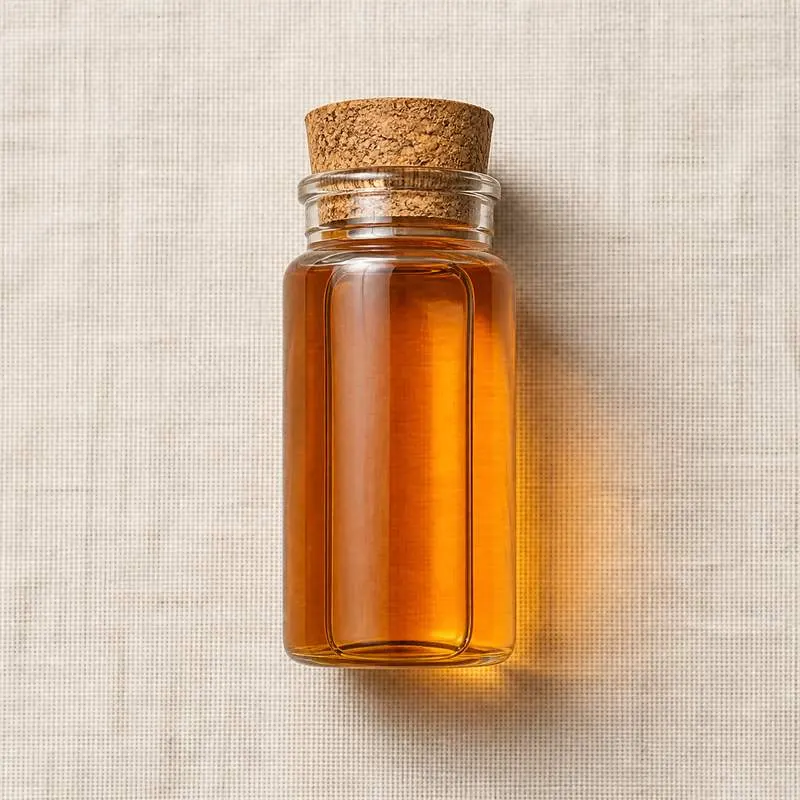
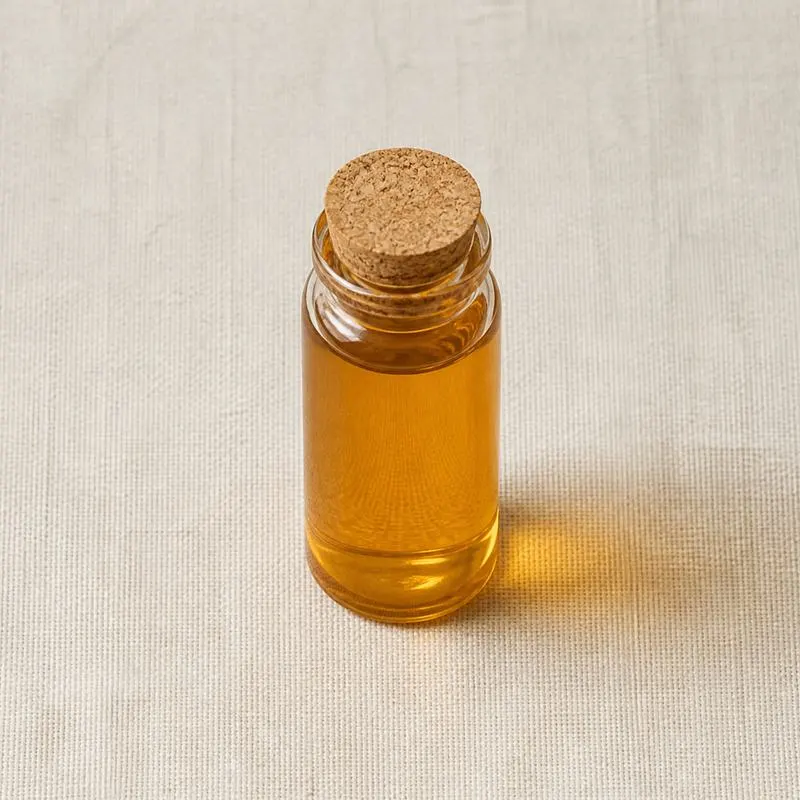
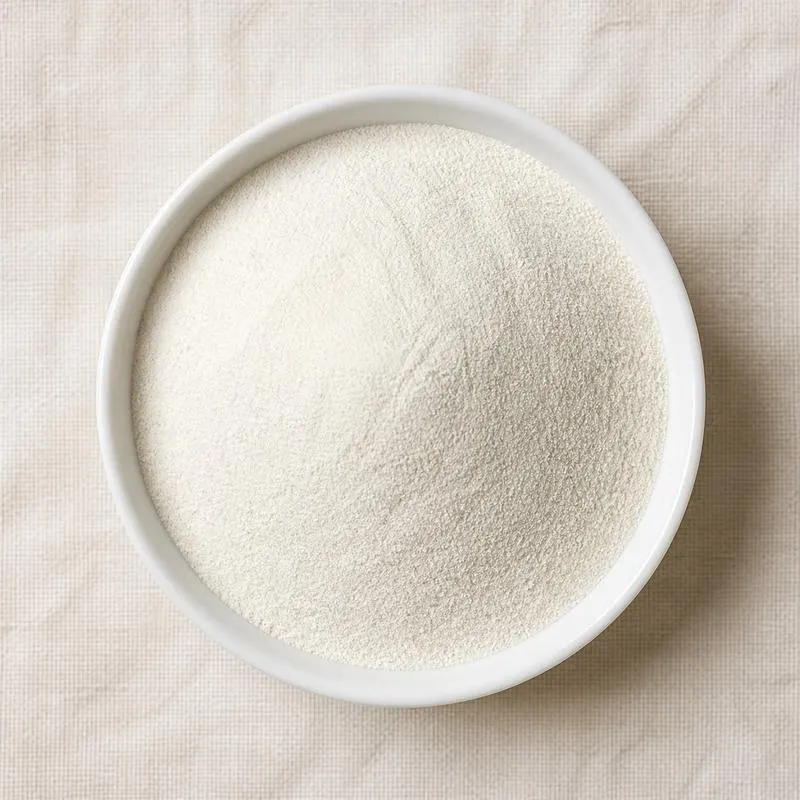
Three formats trade: a dark brown liquid concentrate, a thicker paste, and a spray dried powder for dry blending. The liquid and paste forms are water miscible and disperse without residue at typical dilutions, though they carry a fine suspended spice fraction that settles on standing. Salt and sugar content give the concentrate a low water activity, so an unopened container is shelf stable at ambient temperature, while an opened one is held refrigerated.
We source bulk Teochew Marinade from top China manufacturers for our partners. The manufacturer is in Guangdong. A smaller requirement can ship in a combined container with other ingredients.
Please send the grade you need, the volume and your destination port, and we will come back with a solution and a price.
or call +86-21-6858 0751
- Function
- Flavours and Aromas
Specifications
| Item | Specification |
|---|---|
| Appearance | Dark brown liquid or paste with fine suspended spice particles |
| Odour and taste | Characteristic galangal and braising spice aroma, salty and lightly sweet |
| Soluble solids | 40.0 to 55.0 degrees Brix |
| Sodium chloride | 14.0 to 20.0% |
| Total nitrogen | Not less than 0.8 g/100 g |
| Amino acid nitrogen | Not less than 0.4 g/100 g |
| pH | 4.5 to 5.5 |
| Water activity | Not more than 0.85 |
| Lead | Not more than 1.0 mg/kg |
| Arsenic | Not more than 0.5 mg/kg |
| Total plate count | Not more than 10,000 cfu/g |
| Yeast and mould | Not more than 50 cfu/g |
| Escherichia coli | Absent in 1 g |
| Salmonella | Absent in 25 g |
Common Markets Grades
The traded forms differ mainly by physical state and by concentration factor. Liquid concentrates are the most common and are sold at dilution ratios that typically fall between one part in five and one part in twenty, declared on the container along with a target salinity for the made up braise. Paste versions carry less water and are used where freight cost or storage volume matters, while spray dried powders are made for seasoning dry blends, instant noodle sachets and coated snacks where added moisture cannot be tolerated.
Beyond form, offers separate into a clean label type built only from soy sauce, sugar, salt, spices and wine, and a fortified type in which yeast extract, hydrolysed vegetable protein, disodium inosinate and guanylate or caramel colour are included to lift savoury intensity and darken the finished braise. Halal certified versions, alcohol free versions made without rice wine, and reduced sodium versions using potassium chloride are the other specification splits routinely quoted. There is no assay grade, since the product is a formulated seasoning rather than a defined chemical.
Applications
- Braised goose, duck and chicken, the classic application, where the concentrate is diluted into a master stock and the bird is simmered and repeatedly basted
- Braised tofu, dried bean curd and gluten products, which absorb the marinade and take colour from the caramelised sugars
- Marinated eggs and offal for delicatessen counters and vacuum packed retail snacks
- Industrial ready meals and chilled braised meat lines, dosed into the cooking liquor for batch to batch consistency
- Retort pouch and vacuum packed braised products, where the salt and sugar load supports preservation alongside the thermal process
- Instant noodle and rice bowl sachets in the paste or powder form, reconstituted at the point of eating
- Dipping sauces served with braised meats, made by reducing the diluted marinade with starch and vinegar
- Coated snack seasoning for braised flavour peanuts, tofu skin and seaweed products
- Foodservice sauce bases in central kitchens, standardising a braise that would otherwise be built from a spice bag each day
China Manufacturers of Teochew Marinade
Top Teochew Marinade manufacturers in China.
Company names and logos are the property of the manufacturers themselves. They are listed here because our own directory records them as producing this ingredient. A listing is not an endorsement by them, and we do not represent them or speak on their behalf.
Regulatory Status
In the United States a compound braising seasoning of this type is a food, not a food additive, and each of its components has to be permitted for its own function. Soy sauce, salt, sugar and spices are established food ingredients, while the flavour enhancers commonly present, monosodium glutamate and the disodium salts of inosinic and guanylic acid, are generally recognised as safe for use in food. Caramel colour is a colour additive exempt from certification, and 21 CFR Part 73 lists it. Imported product falls under the foreign supplier verification programme, and low acid or acidified packed formats have to meet the corresponding thermal processing rules.
In the European Union the seasoning has no E number of its own, but any additive carried into it keeps its own identity on the label, with caramel colours falling in the E 150 series and the ribonucleotide enhancers in the E 620 to E 635 group, all governed by Regulation (EC) No 1333/2008. Regulation (EC) No 1334/2008 covers the spice extracts and flavouring preparations in the blend. Codex has general standards for food additives and for the labelling of prepackaged foods that apply to the finished seasoning, and a code of hygienic practice covering the dried spices used to build it.
Manufacturing Process
Manufacture runs on two parallel streams that meet at a blending stage. The aromatic stream starts from whole dried spices, which are cleaned, graded and either extracted in hot water and rice wine or processed into a spice extract by percolation, with the resulting liquor filtered to remove particulate matter. Some producers substitute part of this stream with standardised spice oleoresins so the aroma profile does not drift with the agricultural quality of the raw spices.
The savoury stream is prepared by dissolving soy sauce, salt, sugar and any yeast extract or hydrolysed protein in water under agitation and heating, which both dissolves the solids and drives a limited amount of Maillard browning that deepens the colour. The two streams are metered together, standardised for salt, soluble solids and pH, then held at temperature or passed through a plate steriliser or tubular heat exchanger to reduce the microbial load. Liquid and paste products are hot filled into drums, pails or pouches and cooled, while powder versions are taken through vacuum concentration and spray drying, usually on a maltodextrin carrier, before sieving and packing.