Tricalcium Citrate Tetrahydrate
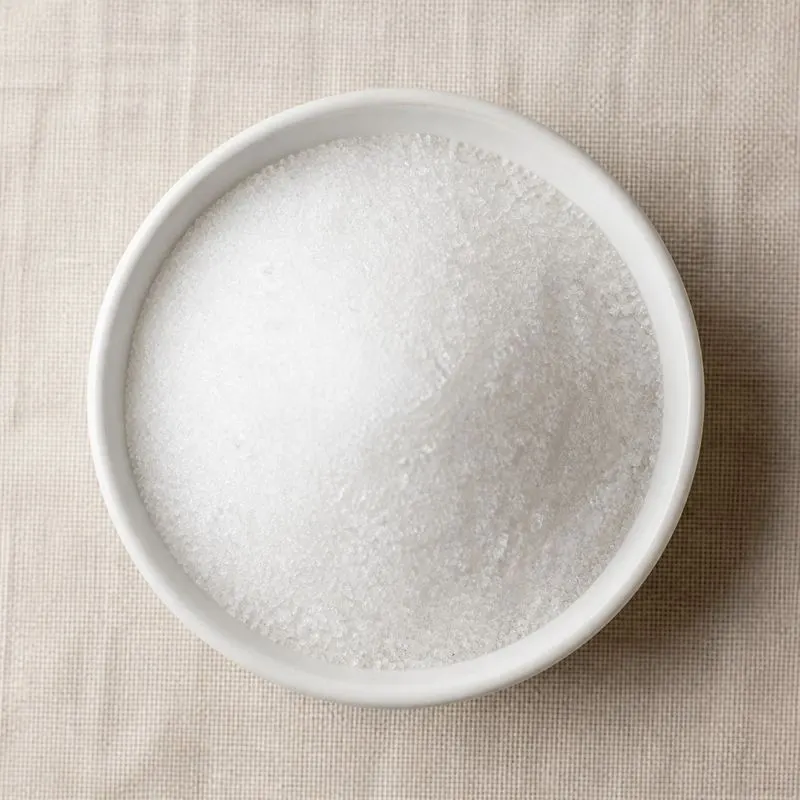
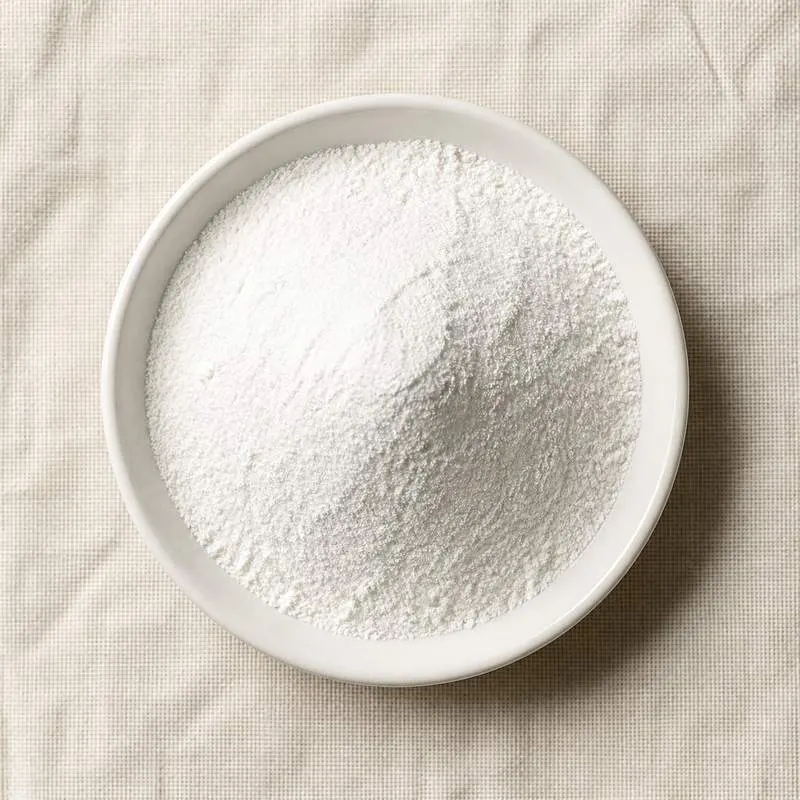
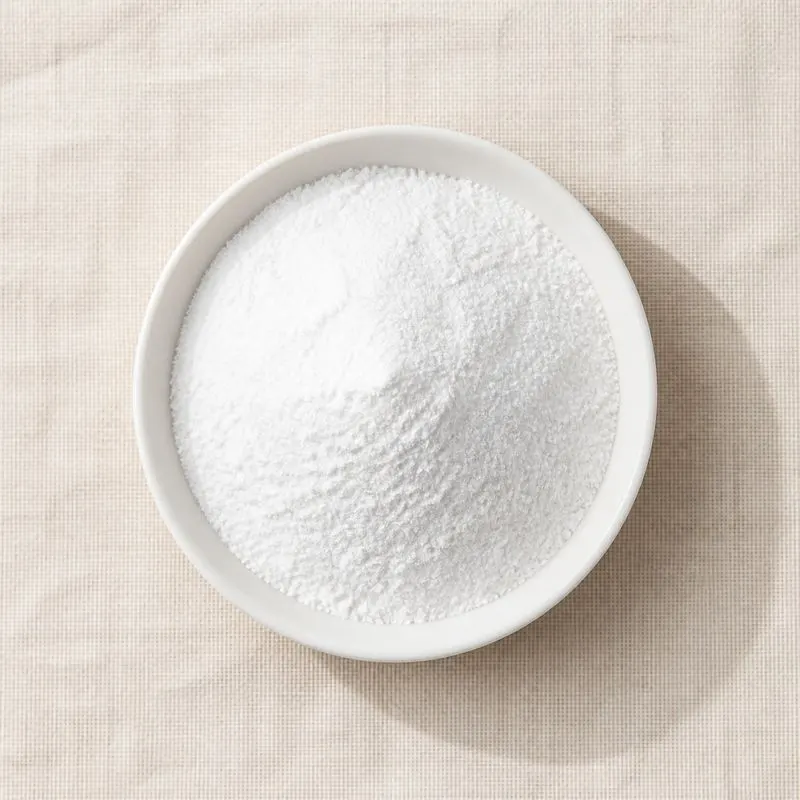
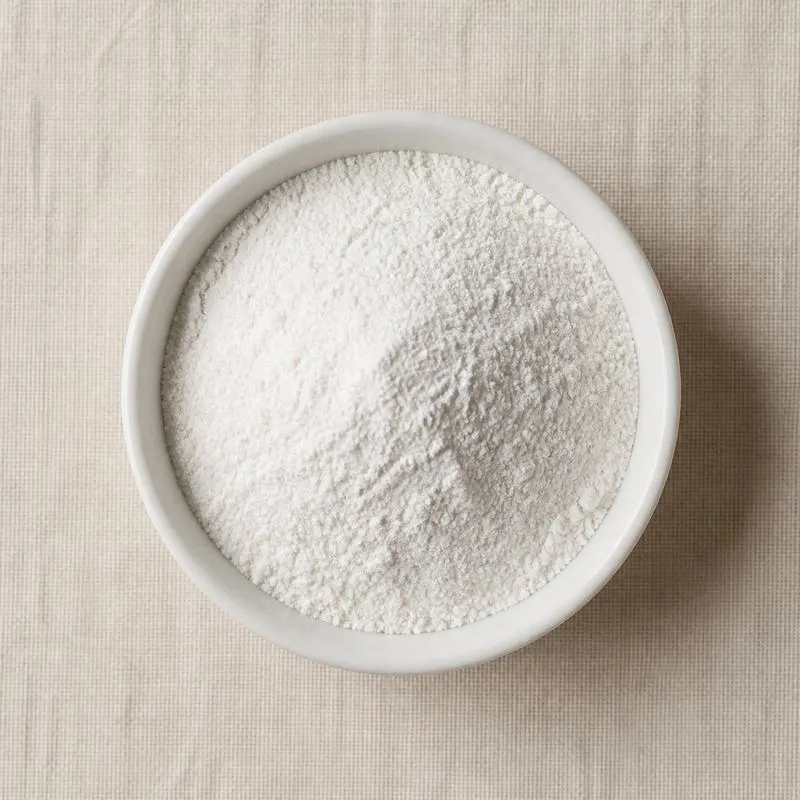
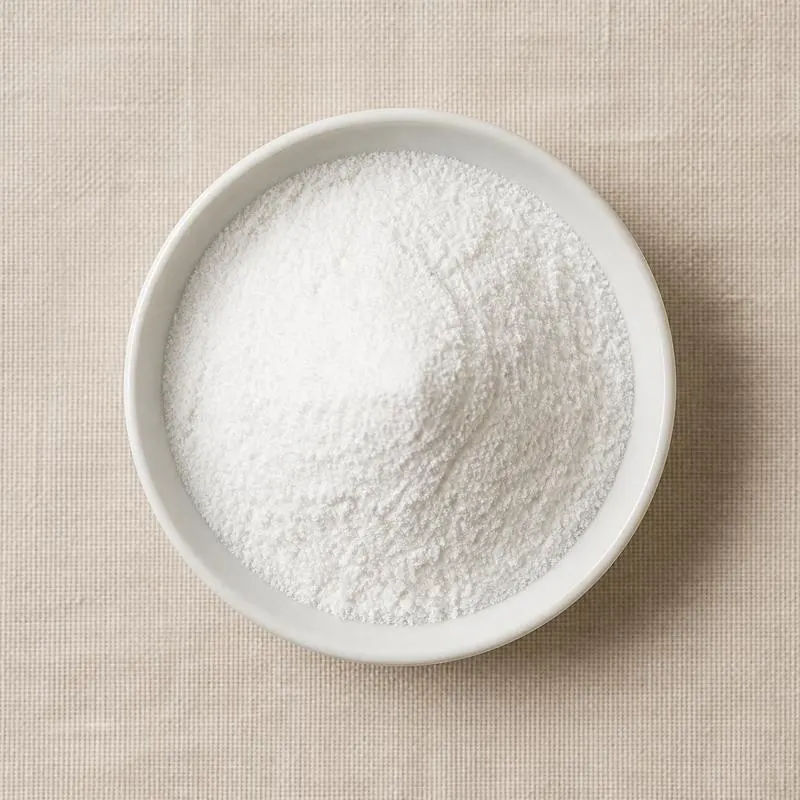
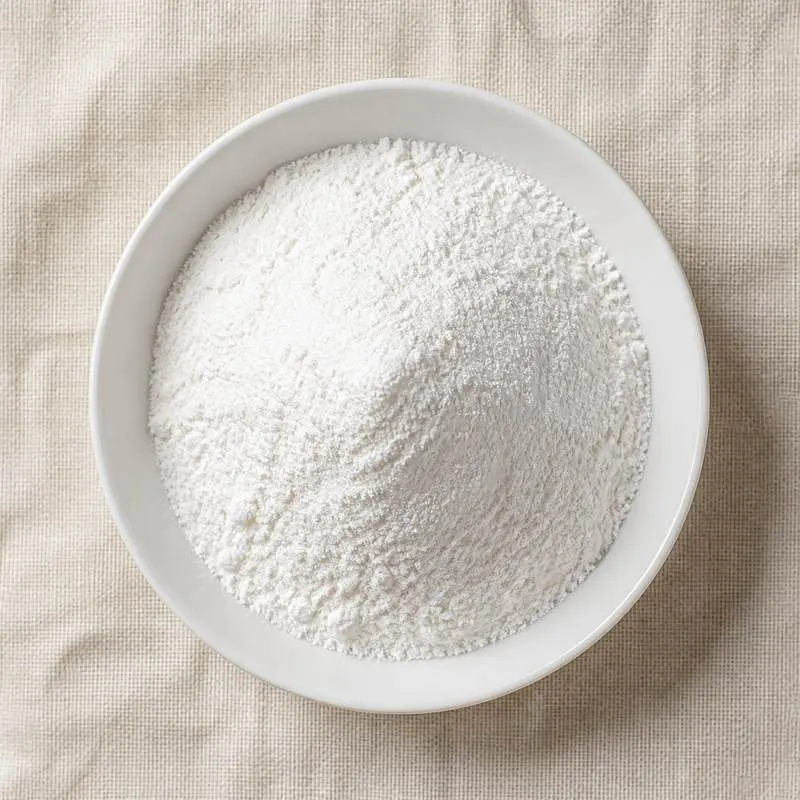
Tricalcium Citrate Tetrahydrate is the standard hydrated calcium salt of citric acid, with the formula Ca₃(C₆H₅O₇)₂·4H₂O and CAS number 5785-44-4. It is a white, odourless, fine crystalline powder.
The compound delivers about 21 percent elemental calcium by mass and dissolves much more readily in the acidic environment of the stomach than calcium carbonate does. That solubility profile, together with its mild taste and good powder-handling behaviour, has made it the dominant food and pharmaceutical form of calcium citrate.
We source bulk Tricalcium Citrate Tetrahydrate from top China manufacturers for our partners. The manufacturer is in Shandong. For this ingredient the minimum order is 1,000 kg and a 20-foot container takes 18 MT, and a smaller requirement can ship in a combined container with other ingredients.
Please send the grade you need, the volume and your destination port, and we will come back with a solution and a price.
or call +86-21-6858 0751
- Minimum order
- 1,000 kg
- Qty in 20' FCL
- 18 MT
- Packaging
- 25 kg kraft paper bag with PE inner liner
- ISO 9001
- HACCP
- Halal
- Kosher
Specifications
| Item | Specification |
|---|---|
| Appearance | White fine powder |
| Assay | 97.5-100.5% |
| Calcium Content | 20.0-22.5% |
| Water of Crystallisation | 10-14% |
| pH (5% slurry) | 3.5-5.5 |
| Chloride | ≤ 0.02% |
| Heavy Metals (as Pb) | ≤ 10 mg/kg |
| Arsenic | ≤ 3 mg/kg |
Common Markets Grades
The material is graded by particle-size distribution and bulk density rather than by chemical assay, since the assay is essentially fixed by the molecular formula.
Fine powder grades, with mean particle size of 30 to 50 microns, are used in beverage premixes, infant formula, and instant drink powders, where rapid dispersion is required.
Granular grades, with particle sizes of 150 to 400 microns, are used in direct-compression tablet manufacture, since they flow well and compress without sticking.
Low-density grades target volumetric fortification of bakery and confectionery products, while high-density grades favor capsule filling and tablet weight control.
Food, pharmaceutical, and USP-NF grades differ mainly in heavy-metal limits and microbiological specifications. Pharmaceutical grade typically holds lead below 1 ppm and meets the United States Pharmacopeia monograph for calcium citrate.
Applications
- Calcium fortification of fruit juices, plant-based milks, and ready-to-drink beverages, where its solubility is better than calcium carbonate
- Infant formula and follow-on milk, often paired with calcium phosphate to balance the calcium-to-phosphorus ratio
- Calcium supplements in tablet, capsule, chewable, and effervescent formats
- Antacid and bone-health pharmaceutical products
- Sequestrant and firming agent in jams, jellies, and canned vegetables
- Buffer in dairy beverages, evaporated milk, and processed cheese
- Texture modifier in plant-based meat analogs and tofu coagulation
- Bakery fortification of bread, breakfast cereals, and nutrition bars
- Pet food and clinical nutrition products as a bioavailable calcium source
- Effervescent vitamin-mineral formulations, where it complements the acid-base reaction with sodium bicarbonate
- Sports nutrition powders and meal-replacement shakes
Brands Using Tricalcium Citrate Tetrahydrate
Widely-distributed consumer products that list Tricalcium Citrate Tetrahydrate on the ingredient label.
- Haleon (Citracal)Citracal Maximum Plus Calcium Citrate + D3 ↗Calcium source is calcium citrate (tricalcium dicitrate tetrahydrate per USP/FCC monograph). 650 mg calcium per serving plus 1000 IU Vitamin D3 disclosed on the brand product page.Label verified 2026-05-24
- Haleon (Citracal)Citracal Petites Calcium Citrate + D3 ↗Brand product page lists calcium citrate as the calcium source; tricalcium citrate tetrahydrate is the standard salt used for the calcium citrate USP grade in Citracal tablets.Label verified 2026-05-24
Brand names, product names and logos are the property of their owners. They appear here as published evidence that the ingredient is used, taken from the brand's own label or website. Their appearance is not an endorsement, and it does not mean the brand buys from us or from any manufacturer listed on this site.
China Manufacturers of Tricalcium Citrate Tetrahydrate
Top Tricalcium Citrate Tetrahydrate manufacturers in China.

Company names and logos are the property of the manufacturers themselves. They are listed here because our own directory records them as producing this ingredient. A listing is not an endorsement by them, and we do not represent them or speak on their behalf.
How We Help Source Tricalcium Citrate Tetrahydrate
Direct Factory Sourcing
We run the whole process: selecting the manufacturer from the top Chinese food ingredient producers, negotiating the price, verifying quality, and coordinating the logistics. You deal with us instead of with several factories at once.
Original Packaging and Documents from the Manufacturer
The manufacturer sends your Tricalcium Citrate Tetrahydrate out of its own factory in the original packing, through to your destination port. The COA, COO, MSDS, TDS and any certifications reach you from the manufacturer as well.
Free Samples and Lead Time
We send 100 to 500 g free for your own laboratory to test and you cover only the courier, usually within 2 to 3 working days. ETD is usually within 7 to 15 days once the order is confirmed, and we check that date against the factory's own manufacturing schedule before we give it to you.
Combined Shipment
We can load Tricalcium Citrate Tetrahydrate together with other ingredients such as Sodium Acetate, Calcium Citrate and Sodium Lactate into one 20' FCL. If your quantity is small, we can also ship LCL.
Regulatory Status
Calcium citrate carries the food-additive number E333 in the European Union, with no numerical daily intake limit set by EFSA.
The U.S. Food and Drug Administration lists it as Generally Recognized as Safe under 21 CFR 184.1195 for use as a nutrient, sequestrant, buffer, and firming agent in food. JECFA has reviewed the calcium salts of citric acid and placed them in the not-specified category.
Pharmacopoeial monographs for calcium citrate appear in the United States Pharmacopeia and the British Pharmacopoeia. The European Pharmacopoeia uses a slightly different monograph structure but treats the tetrahydrate as the reference form.
The Food Chemicals Codex (FCC) monograph confirms the tetrahydrate identity, water content of 10 to 14 percent, and minimum assay on the anhydrous basis.
Halal and Kosher certifications are routinely available, since both the citric acid feedstock (typically fermentation-derived from sugar) and the calcium source are mineral or microbial in origin.
Manufacturing Process
Tricalcium citrate tetrahydrate is produced by neutralisation of citric acid with a calcium source.
The most common industrial route uses food-grade citric acid solution and either calcium hydroxide milk or calcium carbonate powder. The two streams are combined at 60 to 90 °C in a stirred reactor, with carbon dioxide evolved if calcium carbonate is used. The reaction is driven to completion at slightly basic pH, after which the slurry is filtered hot, washed, and recrystallised to give the tetrahydrate form.
The crystal water is built in during controlled cooling. If drying temperatures rise above about 100 °C, dehydration begins, and at higher temperatures the anhydrous form is recovered. Manufacturers therefore use mild fluid-bed or vacuum drying to preserve the four waters of crystallisation.
The dried cake is milled, classified, and packaged in lined paper bags or bulk bags. The bulk of global production is integrated with citric-acid plants in China, the United States, Western Europe, and Brazil, since transporting citric acid solution over long distances is uneconomic.