Trisodium Citrate Anhydrous
Trisodium Citrate Anhydrous is the water-free form of the tri-sodium salt of citric acid, with the formula Na₃C₆H₅O₇ and CAS number 68-04-2. It carries the European food additive number E331(iii).
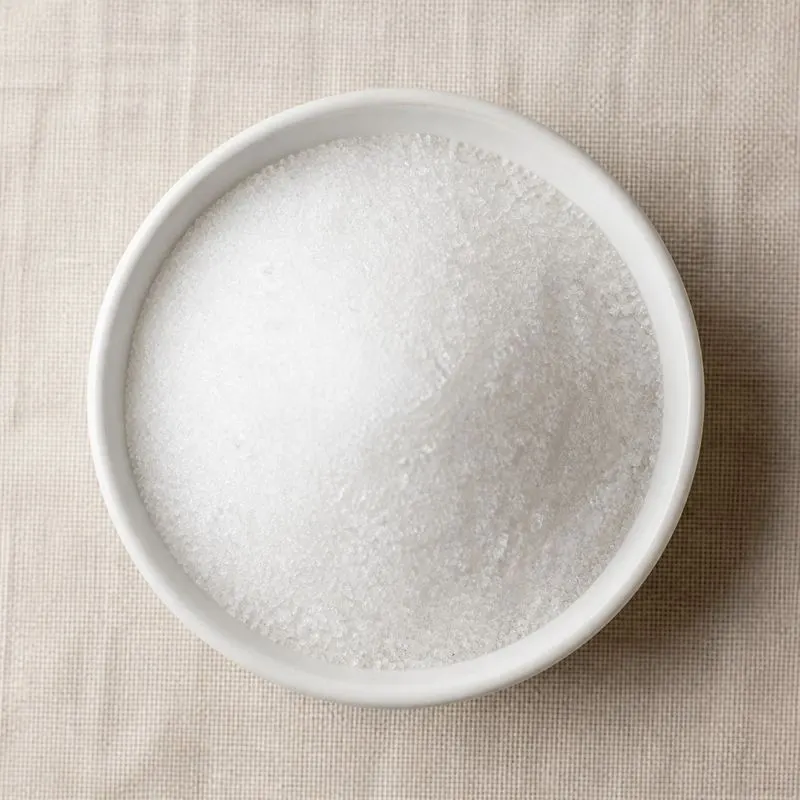
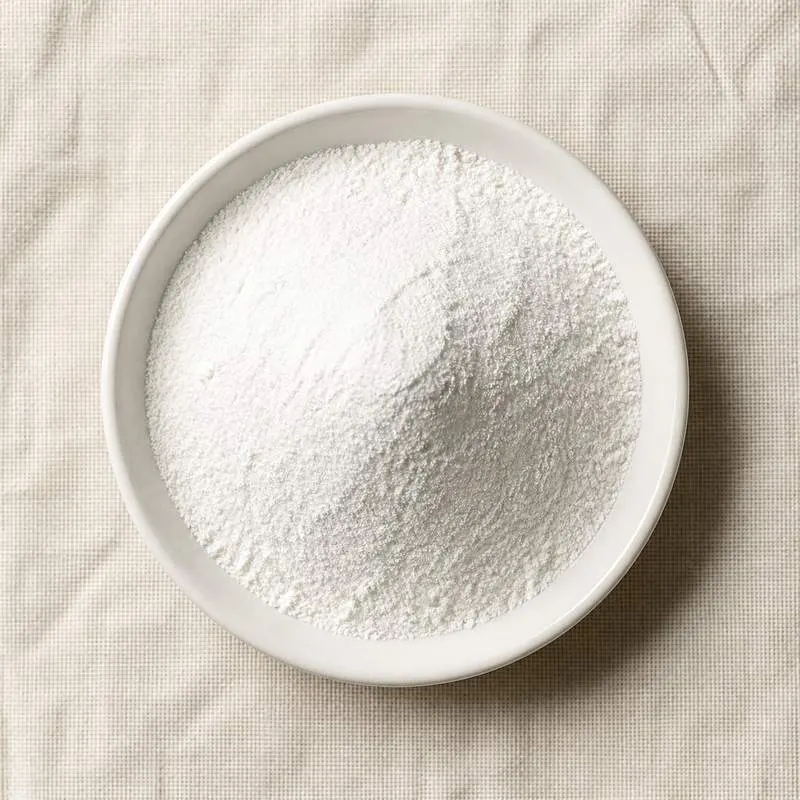
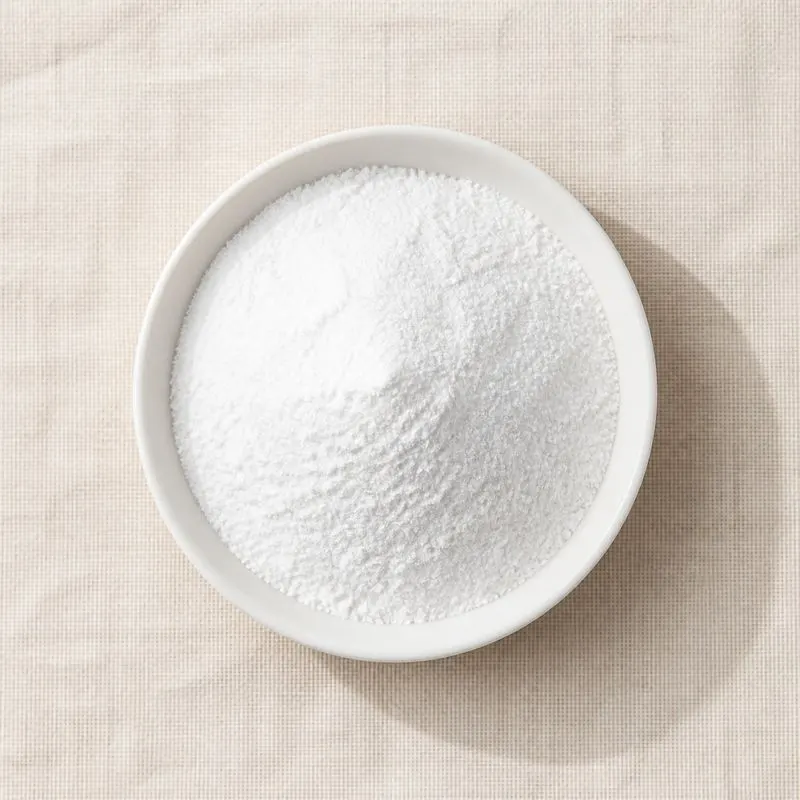
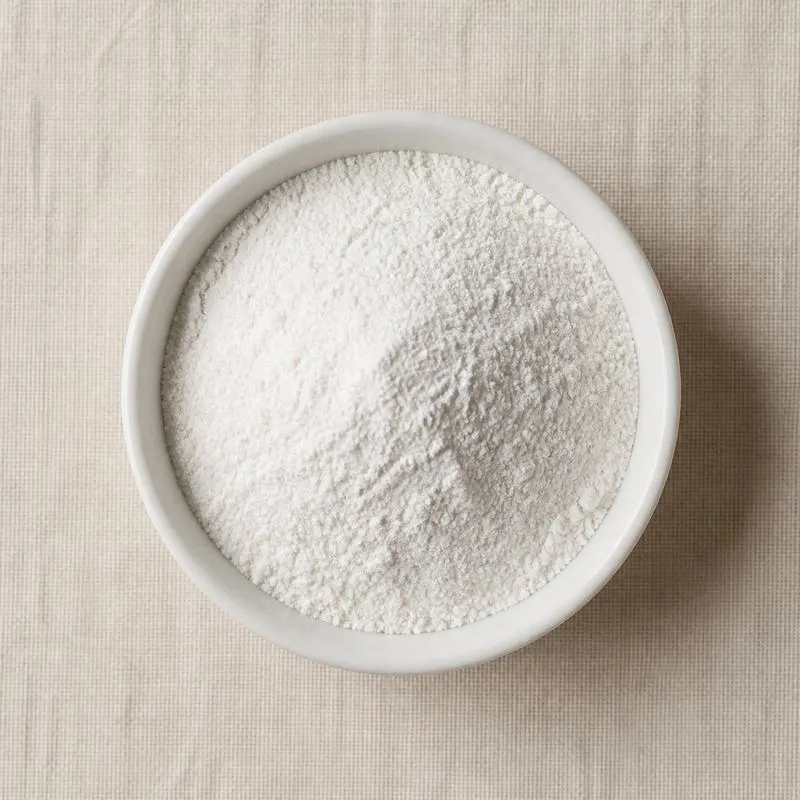
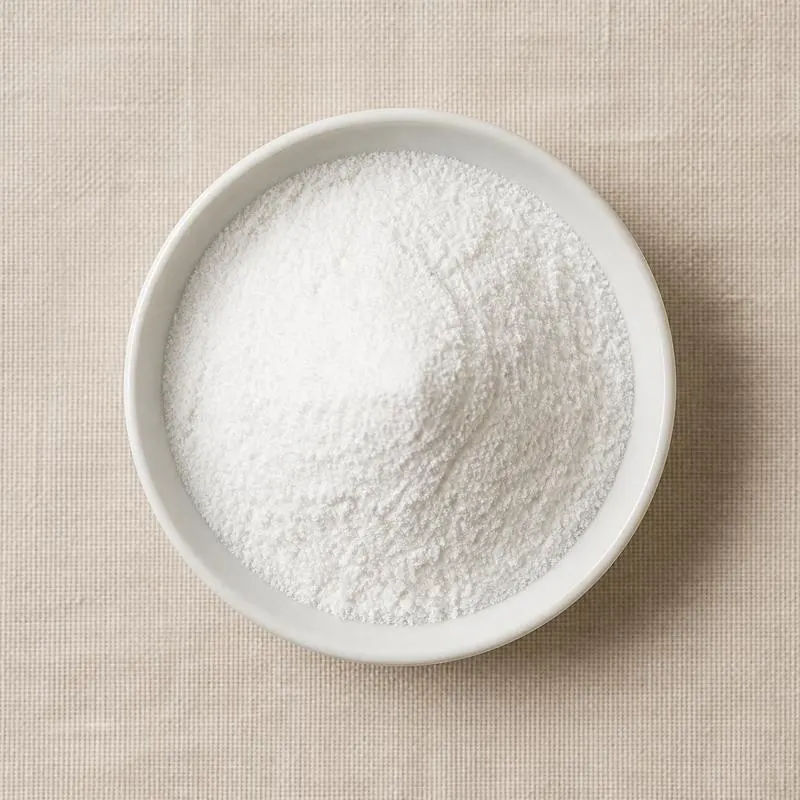
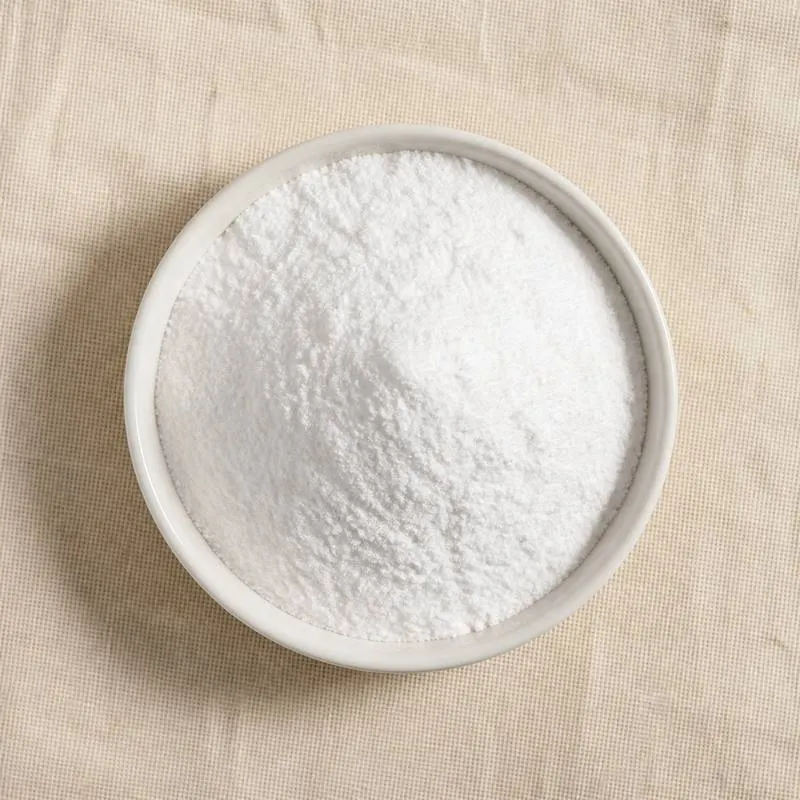
The material is a white, free-flowing crystalline powder with a mildly saline taste. It dissolves easily in water to give a gently alkaline solution near pH 8.5 at one percent. The anhydrous form is preferred for dry-blend pre-mixes, instant beverage powders, and pharmaceutical solid-dosage applications where added water of crystallisation is undesirable.
We source bulk Trisodium Citrate Anhydrous from top China manufacturers for our partners. The manufacturer is in Shandong. For this ingredient the minimum order is 1,000 kg and a 20-foot container takes 25 MT, and a smaller requirement can ship in a combined container with other ingredients.
Please send the grade you need, the volume and your destination port, and we will come back with a solution and a price.
or call +86-21-6858 0751
- Minimum order
- 1,000 kg
- Qty in 20' FCL
- 25 MT
- Packaging
- 25 kg kraft paper bag with PE inner liner
- ISO 9001
- HACCP
- Halal
- Kosher
Specifications
| Item | Specification |
|---|---|
| Appearance | White crystalline powder |
| Assay (dry basis) | 99.0% to 100.5% |
| Loss on drying | ≤ 1.0% |
| pH (5% solution) | 7.5 to 9.0 |
| Alkalinity | Passes test |
| Tartrate and oxalate | Passes test |
| Heavy metals (as Pb) | ≤ 5 mg/kg |
| Arsenic | ≤ 3 mg/kg |
| Lead | ≤ 2 mg/kg |
Common Markets Grades
There are three grades of Trisodium Citrate Anhydrous: food, pharmaceutical, and technical.
Food grade meets FCC and JECFA purity specifications and comes as a fine powder, a coarse powder, and a granulate. The granular grades flow well in automatic dosing equipment and minimise dust generation during dry blending. Fine powder grades dissolve faster and are preferred for effervescent tablet formulation and instant beverage mixes.
Pharmaceutical grade material meets USP, Ph. Eur., and JP monographs for sodium citrate, and is used in oral rehydration salts, anticoagulant solutions for blood collection, and as a buffer in injectable preparations.
Technical grade is produced for detergent formulation as a phosphate-replacement builder, for textile and leather processing, and for water-softening applications. The anhydrous form is favored over the dihydrate in these uses for the same reason it is favored in food: higher active content per kilogram of shipping weight.
Applications
- Dry-blend acidity regulator and buffer in instant beverage mixes, isotonic powders, and sports-nutrition powders
- Effervescent tablet formulation in combination with sodium bicarbonate and citric acid
- Emulsifying salt in shelf-stable processed cheese powders and cheese sauces
- Component of oral rehydration salts (ORS) and electrolyte blends
- Anticoagulant in blood collection tubes and apheresis sets
- Buffer and sequestrant in pharmaceutical syrups and chewable tablet formulations
- Mineral fortification carrier in nutritional powders and meal-replacement products
- Phosphate-free builder in compact and tablet-format dishwashing detergents
- Water-softening agent in industrial cleaning concentrates
- pH buffer in textile dyeing and leather tanning baths
Brands Using Trisodium Citrate Anhydrous
Widely-distributed consumer products that list Trisodium Citrate Anhydrous on the ingredient label.
- Unilever (Liquid I.V.)Liquid I.V. Hydration Multiplier (Powder Stick) ↗Hydration Multiplier stick-pack panel lists sodium citrate (anhydrous trisodium citrate is the standard powdered form used in dry-mix electrolyte sticks) alongside potassium citrate and dipotassium phosphate.Label verified 2026-05-24
- DripDrop HydrationDripDrop ORS Electrolyte Hydration Powder Sticks ↗DripDrop ORS stick-pack panel: 'sugar, fructose, sodium citrate, citric acid, potassium citrate, ...' Anhydrous trisodium citrate is the powdered form used in dry-blended ORS stick packs.Label verified 2026-05-24
- PepsiCo (Gatorade)Gatorade Endurance Formula Powder ↗Endurance Formula powder panel: 'Sugar, Maltodextrin, Fructose, Citric Acid, Sodium Citrate, Monopotassium Phosphate, Salt, Calcium Lactate, ...' Anhydrous trisodium citrate is the form used in this dry-mix product.Label verified 2026-05-24
Brand names, product names and logos are the property of their owners. They appear here as published evidence that the ingredient is used, taken from the brand's own label or website. Their appearance is not an endorsement, and it does not mean the brand buys from us or from any manufacturer listed on this site.
China Manufacturers of Trisodium Citrate Anhydrous
Top Trisodium Citrate Anhydrous manufacturers in China.

Company names and logos are the property of the manufacturers themselves. They are listed here because our own directory records them as producing this ingredient. A listing is not an endorsement by them, and we do not represent them or speak on their behalf.
How We Help Source Trisodium Citrate Anhydrous
Direct Factory Sourcing
We run the whole process: selecting the manufacturer from the top Chinese food ingredient producers, negotiating the price, verifying quality, and coordinating the logistics. You deal with us instead of with several factories at once.
Original Packaging and Documents from the Manufacturer
The manufacturer sends your Trisodium Citrate Anhydrous out of its own factory in the original packing, through to your destination port. The COA, COO, MSDS, TDS and any certifications reach you from the manufacturer as well.
Free Samples and Lead Time
We send 100 to 500 g free for your own laboratory to test and you cover only the courier, usually within 2 to 3 working days. ETD is usually within 7 to 15 days once the order is confirmed, and we check that date against the factory's own manufacturing schedule before we give it to you.
Combined Shipment
We can load Trisodium Citrate Anhydrous together with other ingredients such as Sodium Acetate, Calcium Citrate and Sodium Lactate into one 20' FCL. If your quantity is small, we can also ship LCL.
Regulatory Status
Trisodium Citrate Anhydrous is approved as a food additive in all major regulated markets.
In the European Union it is listed as E331(iii) under Regulation 1333/2008 and is authorised at quantum satis in many food categories, since the citrate ion is a normal metabolite of the human Krebs cycle. The E331 family is treated together with E330 citric acid for purposes of authorisation.
The U.S. Food and Drug Administration recognises sodium citrate as GRAS under 21 CFR 184.1751 and clears it for direct food use without quantitative limit. The Food Chemicals Codex provides identity and purity specifications for both the anhydrous and dihydrate forms.
Pharmacopoeial monographs for sodium citrate appear in USP, Ph. Eur., BP, and JP, with the anhydrous form typically specified for solid dosage forms and the dihydrate for liquid preparations. Kosher and Halal certifications are routinely available because the fermentation feedstock is plant-derived.
Manufacturing Process
Trisodium Citrate Anhydrous is produced by neutralising citric acid with sodium hydroxide, sodium carbonate, or sodium bicarbonate to a stoichiometry of three moles of sodium per mole of citrate. The reaction is exothermic and is carried out in stirred reactors with controlled cooling.
The citric acid feedstock is itself made by submerged fermentation of corn or cane sugars using Aspergillus niger. The fermentation broth is filtered, precipitated as calcium citrate, re-acidified, and purified through ion-exchange and crystallisation steps to give food-grade citric acid.
After neutralisation the trisodium citrate solution is decolorised over activated carbon, filtered, and concentrated by evaporation. Crystallisation at elevated temperature above the dihydrate transition point of approximately 150 °C, or thermal dehydration of the dihydrate crystals, gives the anhydrous form.
The dry crystals are sieved to the target particle size and packed in lined paper bags or FIBC bulk bags with desiccant liners. Anhydrous trisodium citrate is mildly hygroscopic and will pick up moisture from humid air to revert to the dihydrate, so packaging integrity matters more than for the hydrated form.