Vanilla Seasoning Sauce
Vanilla seasoning sauce is a liquid vanilla flavour preparation in which vanilla extract or vanilla flavouring substances are carried in a thickened sugar syrup, sold as a ready to dose sauce rather than as a concentrated extract.
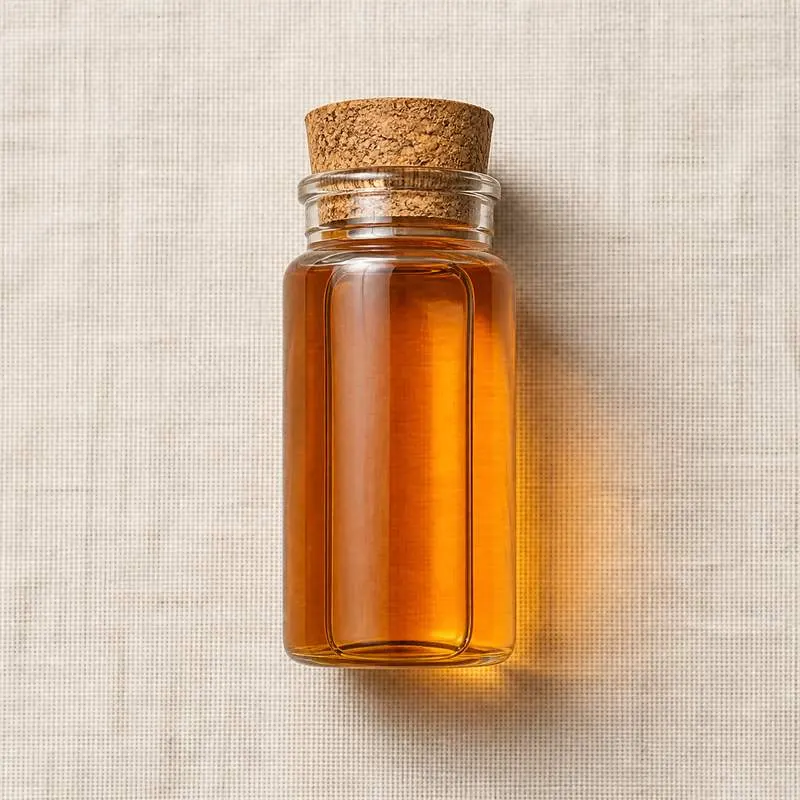
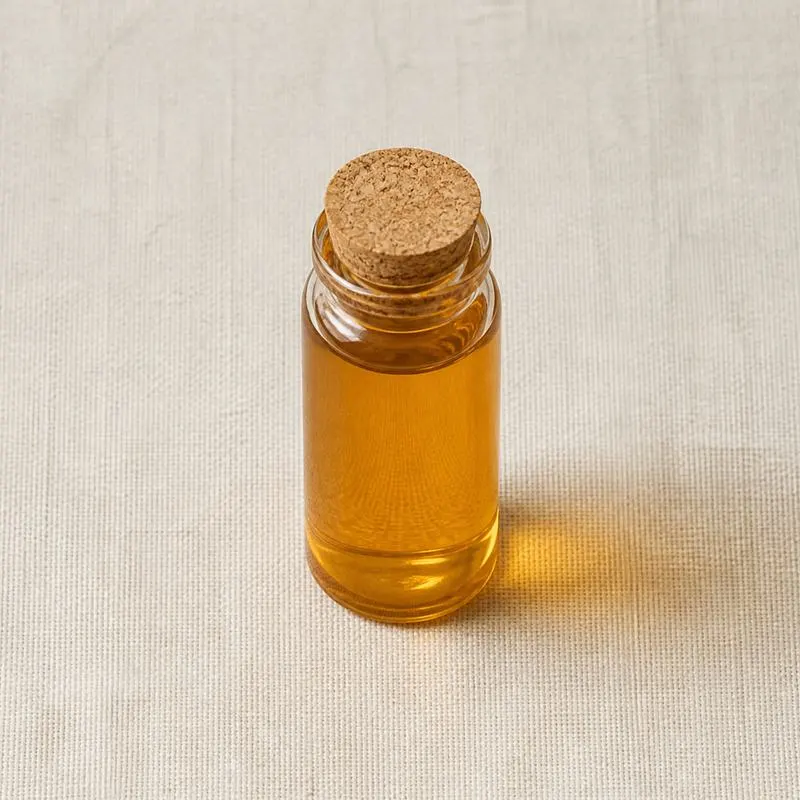
The product is a pale amber to dark brown viscous liquid, usually between forty and seventy degrees Brix, with a pourable consistency held by a hydrocolloid or by the sugar solids themselves. Some versions carry visible vanilla seed specks suspended in the syrup, which requires a suspending gum to stop the seeds settling during storage. Because the base is aqueous and sweetened, the sauce is fully miscible with water, milk and other aqueous systems and disperses without the alcohol carry over that a conventional extract introduces.
The high soluble solids content suppresses water activity enough to make the product shelf stable at ambient temperature once pasteurised, though the vanilla top notes are volatile and fade under prolonged heating, so the sauce is generally added late in a process or used as a finishing and topping sauce rather than baked through.
We source bulk Vanilla Seasoning Sauce from top China manufacturers for our partners. The manufacturer is in Hainan. A smaller requirement can ship in a combined container with other ingredients.
Please send the grade you need, the volume and your destination port, and we will come back with a solution and a price.
or call +86-21-6858 0751
- Function
- Flavours and Aromas
Specifications
| Item | Specification |
|---|---|
| Appearance | Viscous pale amber to dark brown liquid, seeds visible where declared |
| Odour and taste | Characteristic sweet vanilla, free from foreign notes |
| Soluble solids | 55.0 to 65.0 degrees Brix |
| Viscosity at 20 degrees Celsius | 2000 to 6000 mPa s |
| pH | 3.5 to 5.0 |
| Vanillin content | Conforms to agreed specification for the declared flavour source |
| Loss on drying | Not more than 45.0% |
| Ash | Not more than 1.0% |
| Lead | Not more than 1.0 mg/kg |
| Arsenic | Not more than 0.5 mg/kg |
| Total plate count | Not more than 1000 cfu/g |
| Yeast and mould | Not more than 50 cfu/g |
| Escherichia coli | Absent in 1 g |
| Salmonella | Absent in 25 g |
Common Markets Grades
The commercial split follows the flavour source. Preparations built on natural vanilla extract or vanilla bean paste are declared as natural flavour and are priced against the bean market, while versions built on vanillin and ethyl vanillin are sold as vanilla flavoured sauce at a fraction of the cost. Intermediate grades blend a small proportion of true extract with synthetic vanillin to lift the profile at a controlled cost.
Beyond flavour source, the sauce is graded by soluble solids and by whether seeds are present. Standard dosing sauces run at fifty to sixty five degrees Brix; reduced sugar versions substitute polyols or maltodextrin and depend more heavily on gum for body. Seeded versions are specified by a visible speck count. Both clear and opaque bases exist, the latter emulsified with a small oil phase or with titanium free opacifiers where a cream appearance is wanted.
Applications
- Ice cream and frozen dessert ripple sauces, where the syrup body stops the flavour freezing out as ice crystals
- Coffee shop drinks, dosed by pump into lattes and iced coffee as a sweetening and flavouring step in one
- Bubble tea and flavoured milk drinks, where miscibility with cold milk matters more than heat stability
- Yoghurt and dairy dessert fruit preparations, contributing a vanilla background behind the fruit
- Bakery finishing, brushed or drizzled onto cakes, pastries and doughnuts after baking
- Custards, puddings and panna cotta, added after cooking to preserve the volatile top notes
- Pancake and waffle toppings sold at retail and in foodservice
- Protein shakes and meal replacement drinks, giving vanilla character without a powder blending step
- Cocktail and mocktail syrups, where the sugar body is part of the drink formulation
China Manufacturers of Vanilla Seasoning Sauce
Top Vanilla Seasoning Sauce manufacturers in China.

Company names and logos are the property of the manufacturers themselves. They are listed here because our own directory records them as producing this ingredient. A listing is not an endorsement by them, and we do not represent them or speak on their behalf.
Regulatory Status
In the United States the sauce is a formulated food rather than a single additive, so its status derives from its components. A standard of identity in 21 CFR 169.175 defines vanilla extract itself, vanillin is a permitted synthetic flavouring substance, and the sweeteners, gums and preservatives used are each either generally recognised as safe or the subject of a food additive listing. Labelling follows 21 CFR 101.22, under which a product may be described as vanilla flavoured only where the characterising flavour comes from vanilla beans, and must be declared as artificially flavoured where synthetic vanillin carries the profile.
In the European Union the flavourings framework in Regulation (EC) No 1334/2008 covers the preparation for its flavouring content, while the gums, preservatives and colours it contains are additives authorised under Regulation (EC) No 1333/2008 and carry their own E numbers. The finished sauce has no E number of its own. Codex has adopted a standard for vanilla flavourings and the Joint FAO WHO Expert Committee on Food Additives has evaluated vanillin and the additives typically used in such a base without raising a safety concern at normal use levels.
Manufacturing Process
Manufacture begins with a sugar syrup prepared by dissolving sucrose or glucose syrup in water under heat in a jacketed vessel. Hydrocolloids, typically xanthan gum, modified starch or a starch and gum blend, are hydrated into the syrup under high shear, and the batch is heated to complete hydration and to develop viscosity. Preservatives, acidulants and any colour are added at this stage.
The vanilla component is added after the syrup has been cooled below the temperature at which the aroma would be lost, either as a vanilla extract, a vanilla oleoresin, a vanillin solution or a seed slurry. The batch is homogenised or passed through a colloid mill so that seeds and any oil phase are evenly dispersed, then pasteurised in a plate or scraped surface heat exchanger with a short hold, cooled and filled hot or aseptically into bottles, pails or bag in box. Filled stock is held for a viscosity and microbiological release check before dispatch.