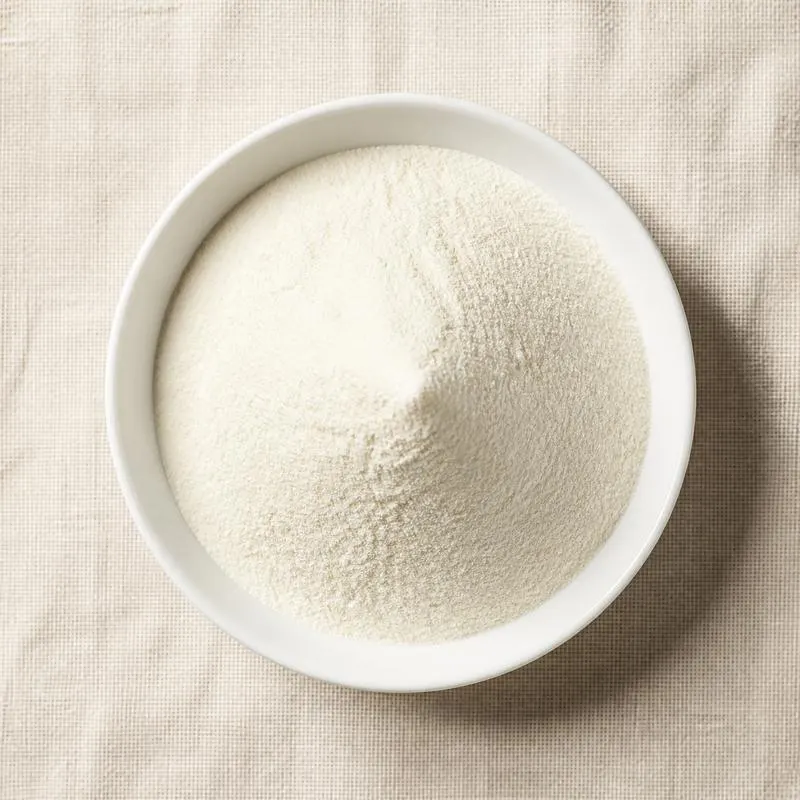
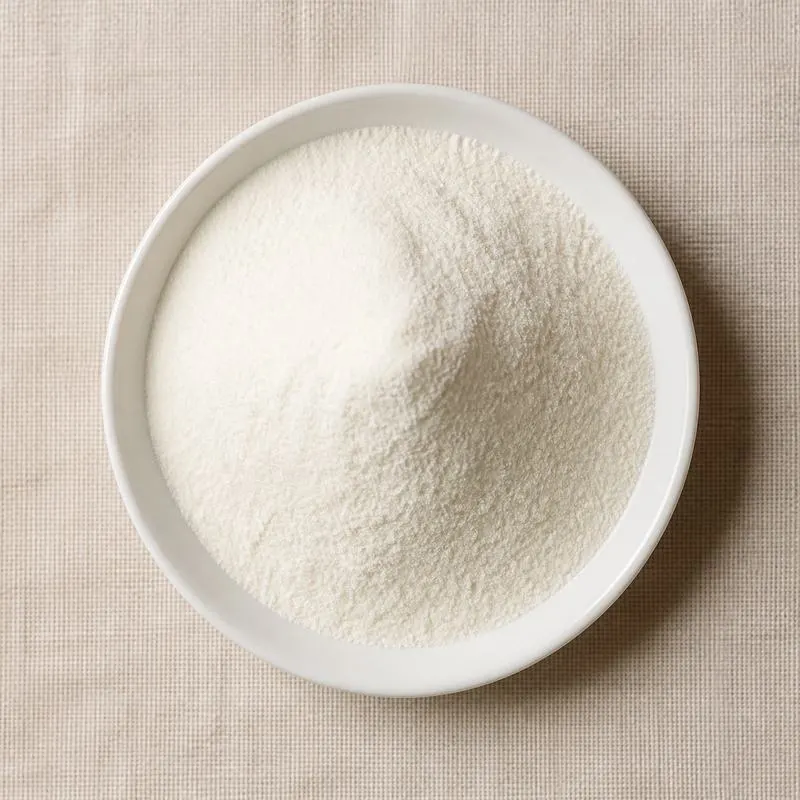
Vitamin a Palmitate
Vitamin A Palmitate is the commercial name for retinyl palmitate (CAS 79-81-2) delivered in formats designed for food fortification, dietary supplements, infant nutrition, and pharmaceutical manufacturing. It is the most widely traded vitamin A form because the long-chain ester resists oxidation better than free retinol while remaining fully bioavailable on intestinal hydrolysis.
Trade volumes span liquid oil concentrates standardised to one of several IU specifications, dry beadlets engineered for tabletting or beverage use, and microencapsulated powders intended for clear or aqueous applications.
We source bulk Vitamin a Palmitate from top China manufacturers for our partners. The manufacturer is in Zhejiang. A smaller requirement can ship in a combined container with other ingredients.
Please send the grade you need, the volume and your destination port, and we will come back with a solution and a price.
or call +86-21-6858 0751
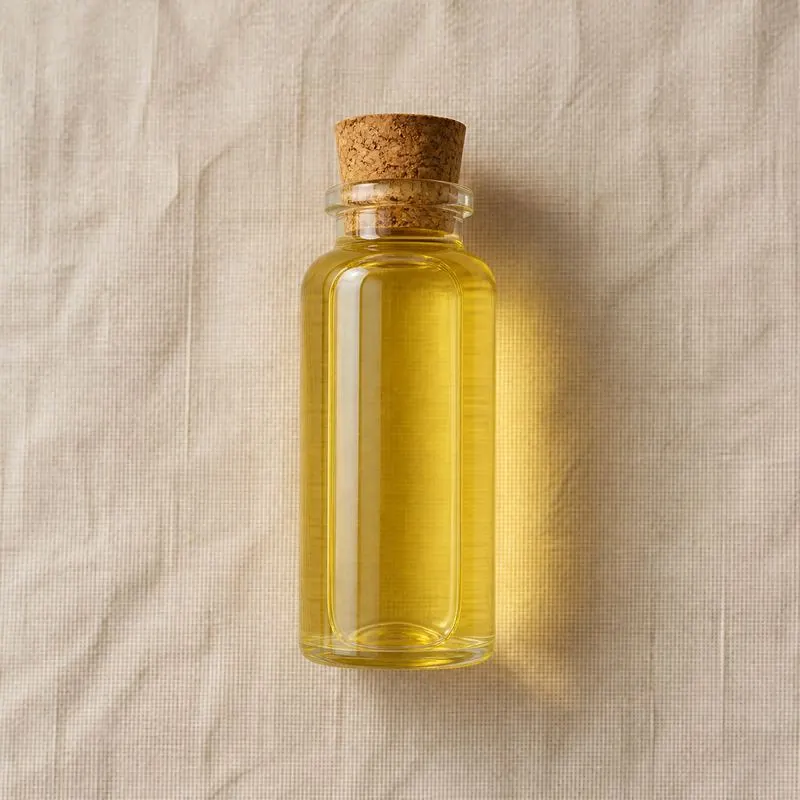
- Packaging
- 190 kg steel drum or 25 kg jerrican
- ISO 9001
- HACCP
- Halal
- Kosher
Specifications
| Item | Specification |
|---|---|
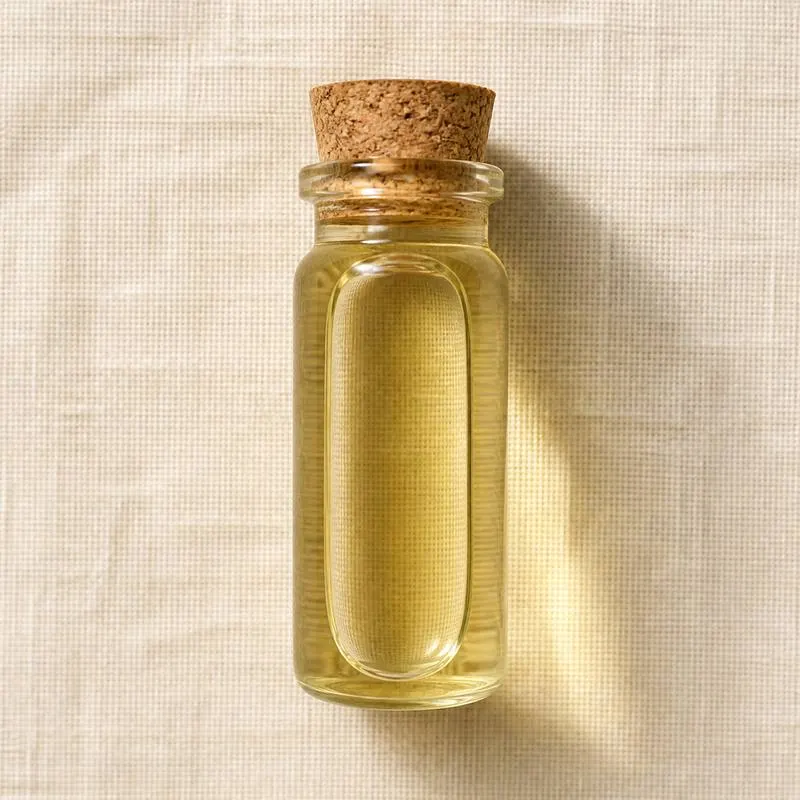
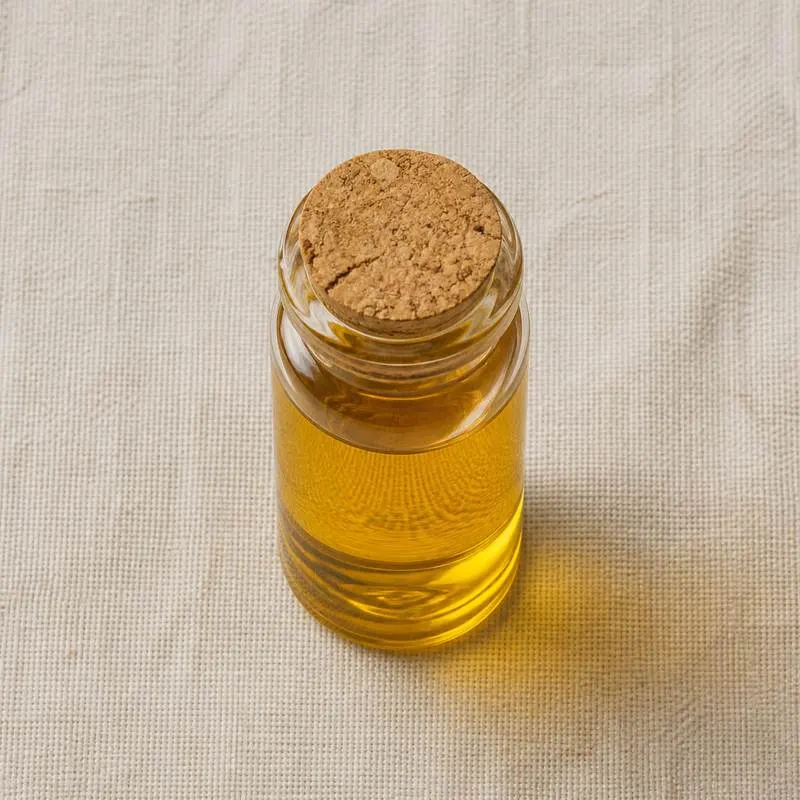
| Appearance | Pale yellow to amber oily liquid |
| Potency | 1,000,000 to 1,700,000 IU/g |
| Specific rotation | +62° to +75° |
| Acid value | ≤ 2.0 |
| Peroxide value | ≤ 10 meq/kg |
| Heavy metals (as Pb) | ≤ 10 mg/kg |
| Arsenic | ≤ 3 mg/kg |
| Stabilizer | BHT or tocopherol |
Common Markets Grades
Vitamin A Palmitate is produced against potency in International Units per gram.
Liquid concentrates anchor the range. 1.7 million IU/g represents the practically pure ester and is produced under nitrogen for further dilution. 1.0 million IU/g and 500,000 IU/g dilutions in refined soybean, sunflower, or corn oil are standard for premix and softgel work.
The dry side covers two main families. Cold-water-soluble beadlets at 250,000 and 500,000 IU/g disperse cleanly in juices, dairy drinks, and reconstituted formula. Direct-compression grades at 250,000 and 500,000 IU/g are granulated for tablet presses with a starch or gum acacia carrier.
Microencapsulated CWS grades at 500,000 IU/g target clear-beverage and effervescent applications where particle size and dispersion speed matter.
Stabiliser packages divide further into BHT-protected (longer shelf life, lower cost) and mixed-tocopherol stabilised (clean-label) options.
Applications
- Infant formula and follow-on milks at regulated IU per 100 kcal
- Liquid milk, UHT, and reduced-fat dairy fortification
- Margarines, table spreads, and refined cooking oils
- Wheat flour and maize flour mandatory fortification programs
- Sugar fortification programs in Central America and parts of Africa
- Multivitamin tablets and chewable supplements
- Softgel and two-piece capsule single-ingredient vitamin A products
- Powdered drink mixes, sports nutrition, and meal replacement beverages
- Effervescent tablets and clear ready-to-drink beverages
- Pediatric syrups, oral drops, and clinical nutrition products
- Animal feed premixes for poultry, swine, and dairy cattle
- Cosmetic premixes for skincare and lip care
Brands Using Vitamin a Palmitate
Widely-distributed consumer products that list Vitamin a Palmitate on the ingredient label.
- Carlson LabsVitamin A Palmitate 15,000 IU Softgels ↗Carlson Labs Vitamin A Palmitate softgels supply 15,000 IU (4,500 mcg RAE) of vitamin A palmitate, named as such on the product page.Label verified 2026-05-24
- Carlson LabsVitamin A Solubilized 10,000 IU ↗A softgel supplying 10,000 IU (3,000 mcg RAE) of vitamin A as palmitate in a water-soluble form.Label verified 2026-05-24
- NOW FoodsVitamin A 10,000 IU Softgels ↗NOW Foods' Vitamin A 10,000 IU softgels list vitamin A (as retinyl palmitate / vitamin A palmitate) on the official supplement facts panel for eye and skin health.Label verified 2026-05-24
- NOW FoodsVitamin A 25,000 IU Softgels ↗NOW Foods' higher-potency Vitamin A 25,000 IU softgel provides vitamin A as palmitate from a fish-liver-oil/palmitate blend, sold on the official NOW product page.Label verified 2026-05-24
- SolgarDry Vitamin A 1500 mcg (5000 IU) Tablets ↗Solgar's Dry Vitamin A 1500 mcg (5000 IU) tablets are formulated with vitamin A palmitate in a dry tablet for those who prefer a non-oil-based supplement on the official Solgar product page.Label verified 2026-05-24
- Life ExtensionVitamin A & D, 25,000 IU & 1,000 IU Softgels ↗A softgel supplying 25,000 IU of vitamin A from palmitate and fish liver oil, with 1,000 IU vitamin D3.Label verified 2026-05-24
Brand names, product names and logos are the property of their owners. They appear here as published evidence that the ingredient is used, taken from the brand's own label or website. Their appearance is not an endorsement, and it does not mean the brand buys from us or from any manufacturer listed on this site.
China Manufacturers of Vitamin a Palmitate
Top Vitamin a Palmitate manufacturers in China.

Company names and logos are the property of the manufacturers themselves. They are listed here because our own directory records them as producing this ingredient. A listing is not an endorsement by them, and we do not represent them or speak on their behalf.
How We Help Source Vitamin a Palmitate
Direct Factory Sourcing
We run the whole process: selecting the manufacturer from the top Chinese food ingredient producers, negotiating the price, verifying quality, and coordinating the logistics. You deal with us instead of with several factories at once.
Original Packaging and Documents from the Manufacturer
The manufacturer sends your Vitamin a Palmitate out of its own factory in the original packing, through to your destination port. The COA, COO, MSDS, TDS and any certifications reach you from the manufacturer as well.
Free Samples and Lead Time
We send 100 to 500 g free for your own laboratory to test and you cover only the courier, usually within 2 to 3 working days. ETD is usually within 7 to 15 days once the order is confirmed, and we check that date against the factory's own manufacturing schedule before we give it to you.
Combined Shipment
We can load Vitamin a Palmitate together with other ingredients such as Vitamin C, Vitamin D3 and Vitamin E into one 20' FCL. If your quantity is small, we can also ship LCL.
Regulatory Status
Vitamin A Palmitate is approved as a nutrient ingredient in every major food regulatory framework.
The United States lists it as GRAS under 21 CFR 184.1930 and as a required ingredient in standardised infant formula under 21 CFR 107.100. Pharmacopoeial standards appear in USP and the National Formulary.
The European Union recognises it under Regulation 1925/2006 Annex I as an approved source of vitamin A for fortified foods, and as a permitted vitamin source in food supplements under Directive 2002/46/EC.
JECFA covers all vitamin A esters under a single group evaluation. The Codex Alimentarius standards for infant formula, follow-up formula, and fortified flour all specify vitamin A activity by IU and permit retinyl palmitate as the source.
Halal and Kosher certificates exist on most beadlet grades when the matrix is built without animal-derived gelatin. Non-GMO and Project-verified options exist for the carrier system but not for the active itself, which is synthetic in origin.
Manufacturing Process
Synthesis of the active ester is concentrated in a handful of vertically integrated producers. BASF, DSM-Firmenich, Zhejiang NHU, Kingdomway, and Adisseo run the largest plants, each based on a proprietary C15 plus C5 condensation route to retinyl acetate, followed by transesterification with methyl palmitate to deliver the palmitate ester.
The pure ester is then converted into commercial formats. Oil grades are blended with refined vegetable oil and antioxidants and drum-filled under nitrogen. Beadlets are produced by emulsifying the oil into a hot gelatin or starch matrix, spraying into starch beds or chilled receivers, drying, and screening to size.
Spray-dried and microencapsulated CWS powders use a sucrose or alginate carrier with modified starch and tocopherol or BHT protection. Direct-compression grades sit on a starch or gum acacia base sized for high-speed tablet presses.