Vitamin AD3
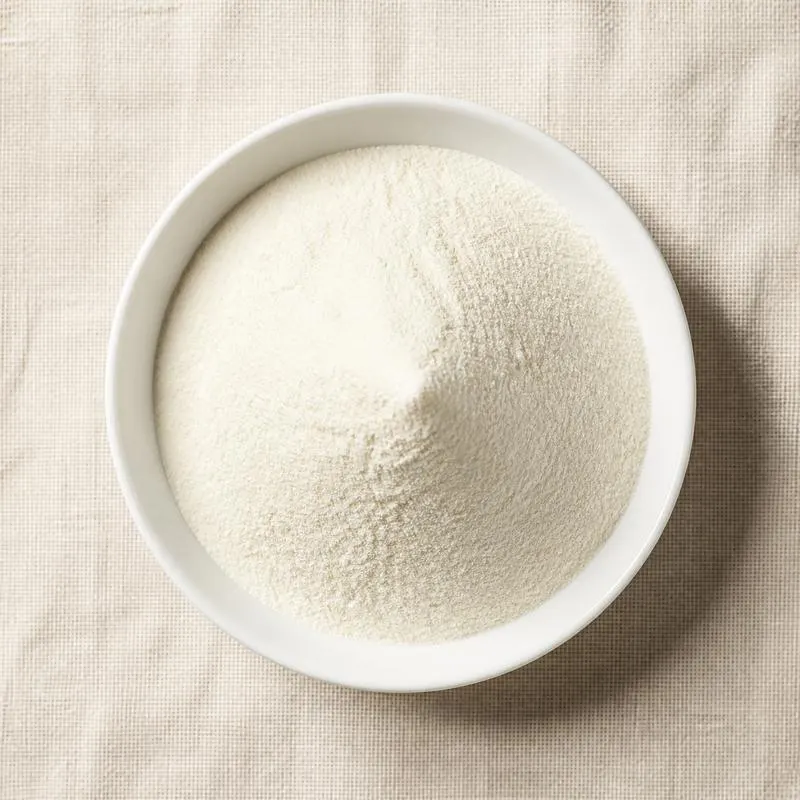
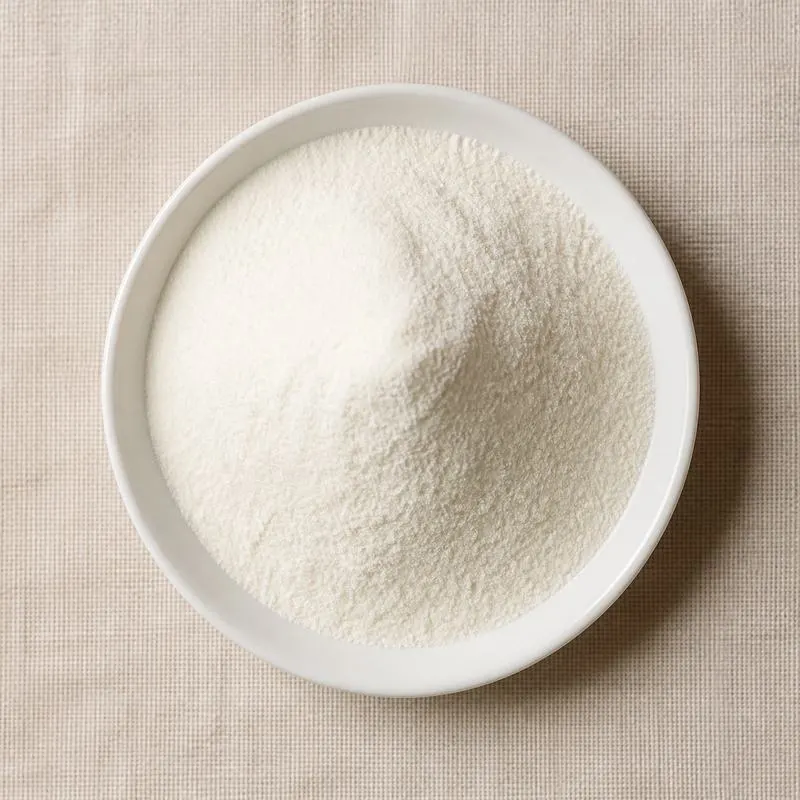
Vitamin AD3 is a co-formulated concentrate that delivers vitamin A and vitamin D3 from a single premix, used principally in animal feed and in selected pharmaceutical and supplement applications.
The vitamin A component is normally used as retinyl palmitate (CAS 68-26-8 for retinol, esterified in situ) or retinyl acetate, while the vitamin D3 component is cholecalciferol (CAS 67-97-0). Activity is declared separately for each vitamin in international units per gram, with ratios tailored to the target species.
We source bulk Vitamin AD3 from top China manufacturers for our partners, working with several of them. The manufacturers are in Zhejiang and Jiangxi. For this ingredient the minimum order is 500 kg, and a smaller requirement can ship in a combined container with other ingredients.
Please send the grade you need, the volume and your destination port, and we will come back with a solution and a price.
or call +86-21-6858 0751
- Minimum order
- 500 kg
- Packaging
- 25 kg kraft paper bag with PE inner liner
- ISO 9001
- HACCP
- Halal
- Kosher
Specifications
| Item | Specification |
|---|---|
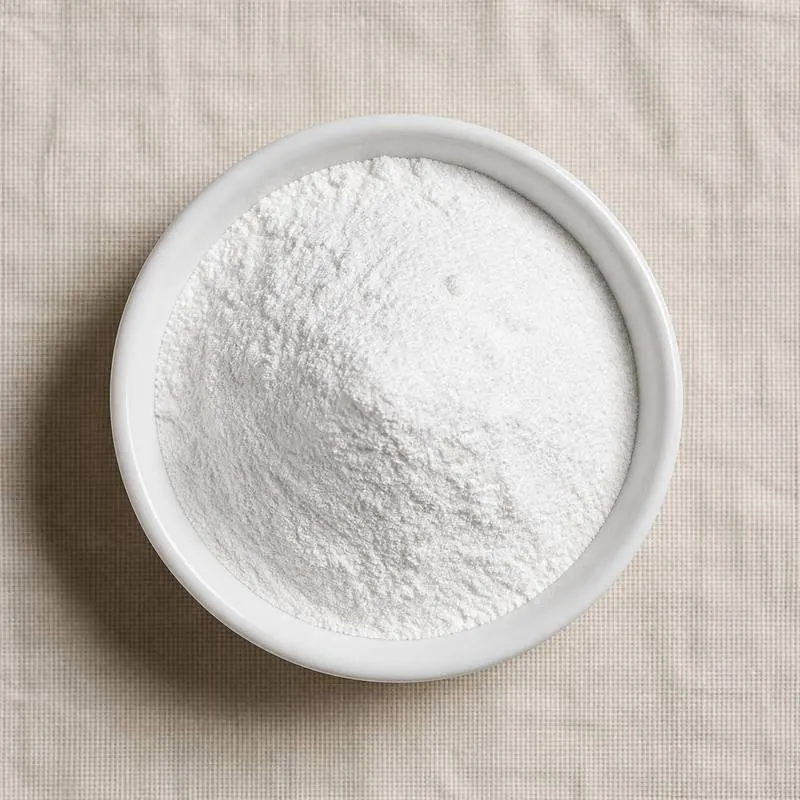
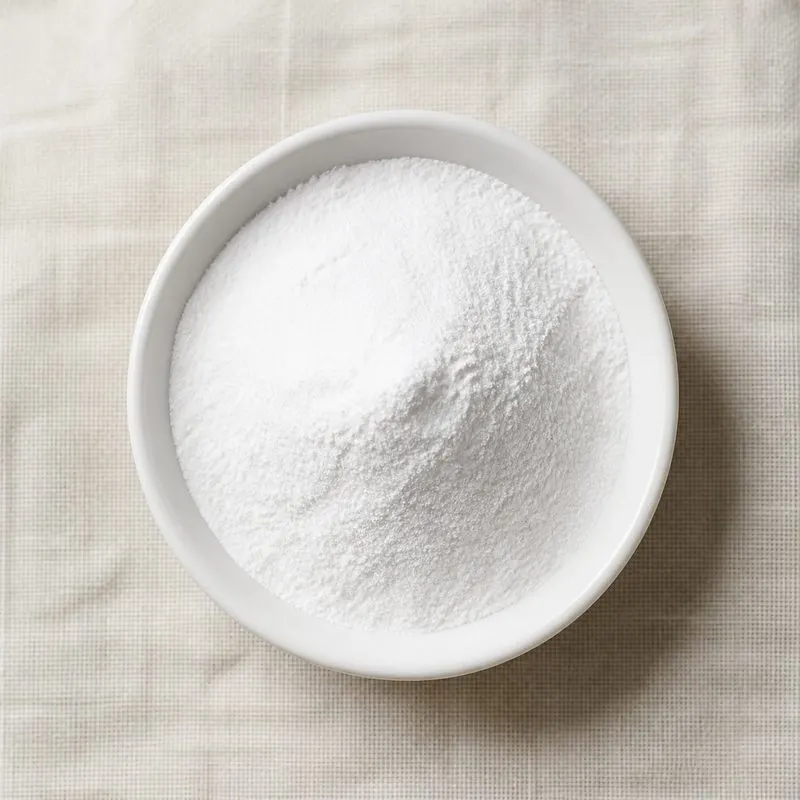
| Appearance | White or almost white crystals |
| Purity | ≥ 98% (HPLC) |
| Moisture/Loss on Drying | ≤ 0.5% |
| pH | 5.0 - 7.0 |
| Heavy Metals | ≤ 10 ppm |
| Lead | ≤ 2 ppm |
| Arsenic | ≤ 1 ppm |
| Total Plate Count | ≤ 1000 cfu/g |
| Yeast & Mold | ≤ 100 cfu/g |
Common Markets Grades
Vitamin AD3 premixes cover a range of A:D3 activity ratios keyed to species nutrition models.
The most common ruminant and equine ratio is 5:1, typically sold at 500,000 IU/A and 100,000 IU/D3 per gram, or at 1,000,000:200,000 IU per gram for high-density inclusion. The poultry and swine ratio is closer to 5:1 to 10:1, with grades such as 500,000:100,000 or 1,000,000:200,000 IU per gram in widespread use.
Aquaculture grades typically run higher in vitamin A relative to D3, reflecting the lower D3 requirement of finfish, and are formulated at 500,000:50,000 IU per gram or similar.
Human pharmaceutical and supplement grades are oil dilutions in refined vegetable oil at lower activity, typically 50,000 IU/A and 10,000 IU/D3 per gram. All grades are cross-linked beadlets or spray-cooled microcapsules built on gelatin or modified starch matrices with antioxidant systems based on tocopherol, ascorbyl palmitate, and BHT.
Applications
- Poultry feed premixes for layers, broilers, breeders, and turkeys
- Swine feed for piglets, growers, finishers, and breeding stock
- Ruminant feed and mineral blocks for dairy and beef cattle
- Sheep and goat nutrition programs
- Equine vitamin and mineral supplements
- Aquaculture diets for finfish and shrimp
- Pet food and companion-animal supplements
- Exotic and zoo-animal nutrition programs
- Calf milk replacer and starter formulations
- Veterinary pharmaceutical injectables and oral pastes
- Human pediatric drops for combined A and D supplementation
- Adult bone, vision, and immune-support supplement blends
Brands Using Vitamin AD3
Widely-distributed consumer products that list Vitamin AD3 on the ingredient label.
- Enfamil (Mead Johnson)Tri-Vi-Sol Vitamins A, C & D Supplement Drops ↗Infant drops with Vitamin A (as Vitamin A Palmitate) and Vitamin D3 (cholecalciferol), a combined A + D3 oral solution per 1 mL serving.Label verified 2026-05-24
- Enfamil (Mead Johnson)Poly-Vi-Sol Liquid Multivitamin Supplement ↗Pediatric liquid multivitamin contains vitamin A palmitate and vitamin D3 together with other vitamins.Label verified 2026-05-24
- ChildLife EssentialsMulti Vitamin & Mineral (Orange/Mango) ↗Liquid kids multivitamin contains Vitamin A (as Vitamin A Palmitate and Beta-Carotene) and Vitamin D3 (as Cholecalciferol).Label verified 2026-05-24
Brand names, product names and logos are the property of their owners. They appear here as published evidence that the ingredient is used, taken from the brand's own label or website. Their appearance is not an endorsement, and it does not mean the brand buys from us or from any manufacturer listed on this site.
China Manufacturers of Vitamin AD3
Top Vitamin AD3 manufacturers in China.
 Jiangxi Tianxin Pharmaceutical Co., Ltd.16 ingredients in the directory
 Zhejiang Tianhecheng Bio-technology Shares Co., Ltd.17 ingredients in the directory
 Zhejiang Wedin Biological Technology Co., Ltd.18 ingredients in the directory
Company names and logos are the property of the manufacturers themselves. They are listed here because our own directory records them as producing this ingredient. A listing is not an endorsement by them, and we do not represent them or speak on their behalf.
How We Help Source Vitamin AD3
Direct Factory Sourcing
We run the whole process: selecting the manufacturer from the top Chinese food ingredient producers, negotiating the price, verifying quality, and coordinating the logistics. You deal with us instead of with several factories at once.
Original Packaging and Documents from the Manufacturer
The manufacturer sends your Vitamin AD3 out of its own factory in the original packing, through to your destination port. The COA, COO, MSDS, TDS and any certifications reach you from the manufacturer as well.
Free Samples and Lead Time
We send 100 to 500 g free for your own laboratory to test and you cover only the courier, usually within 2 to 3 working days. ETD is usually within 7 to 15 days once the order is confirmed, and we check that date against the factory's own manufacturing schedule before we give it to you.
Combined Shipment
We can load Vitamin AD3 together with other ingredients such as Vitamin C, Vitamin D3 and Vitamin E into one 20' FCL. If your quantity is small, we can also ship LCL.
Regulatory Status
Vitamin AD3 premixes are regulated as feed additives or as nutrient sources for human use depending on the application.
In the European Union Regulation (EC) No 1831/2003 authorises retinyl acetate, retinyl palmitate, and cholecalciferol as feed additives in the nutritional additives functional group 3a, with species-specific maximum content limits set by Commission implementing regulations. EFSA Panel on Additives and Products or Substances used in Animal Feed reviews authorisations on a periodic basis.
The U.S. Food and Drug Administration regulates the feed use of both vitamins under the Federal Food, Drug, and Cosmetic Act and the AAFCO Official Publication. Human food and supplement use follows the GRAS framework that applies to the individual vitamins.
Codex Alimentarius lists both vitamins in the Advisory List of Nutrient Compounds for human nutrition. JECFA has reviewed both substances on multiple occasions.
Pharmacopoeial monographs for the individual actives appear in the USP, Ph. Eur., JP, and BP. Halal and Kosher certifications depend on the beadlet matrix selection, and vegan certification is not available because cholecalciferol is normally sourced from lanolin.
Manufacturing Process
Vitamin AD3 premix manufacture combines two separately produced active substances into a single stable matrix.
Retinyl palmitate or retinyl acetate is produced by the BASF or DSM industrial routes from petrochemical feedstocks. Cholecalciferol is produced from lanolin-derived 7-dehydrocholesterol by ultraviolet photolysis and thermal isomerisation. The two oily concentrates are blended at the target activity ratio together with antioxidant systems.
The blend is dispersed in a hot aqueous gelatin or modified starch solution to form an oil-in-water emulsion. The emulsion is sprayed into a cooling tower or onto a starch bed to form discrete beadlets, which are then dried and surface-coated with a finishing agent to improve flow and reduce dust.
The finished beadlets carry both vitamins inside the same protective matrix. This co-encapsulation gives more uniform distribution than physical blending of two separate premix actives, especially at low inclusion rates in large feed batches.
Production is dominated by the large vitamin premix houses with capacity in Germany, Switzerland, China, and Brazil. Quality control includes separate stability testing for each vitamin, since cholecalciferol typically degrades faster than retinyl ester in the same matrix.