Water Preserving Agent
A water preserving agent, more usually called a water retention agent or moisture retention agent, is a compounded preparation added to meat, poultry and seafood so that the product holds its natural water through freezing, thawing and cooking instead of losing it as drip and cook loss. It is a functional additive rather than a preservative in the microbiological sense, although it is often grouped with preservatives because it is sold to the same processors for the same purpose of protecting yield and eating quality.
Most formulations are built on condensed phosphates: sodium tripolyphosphate, tetrasodium pyrophosphate, sodium hexametaphosphate and sodium acid pyrophosphate, usually with sodium carbonate or bicarbonate and sodium chloride. They work in two ways at once. Raising the pH of the muscle away from the isoelectric point of the myofibrillar proteins, which sits near pH 5.2, increases the net charge on the protein and the electrostatic repulsion between filaments, so the myofilament lattice swells and takes up water. At the same time the phosphate sequesters the calcium and magnesium that hold the actomyosin complex together, dissociating actin from myosin and opening the structure further. Salt acts synergistically by solubilising myosin. Non phosphate versions built on sodium carbonate, sodium citrate, plant proteins, hydrocolloids and starches are traded for markets and labels that avoid added phosphate, and work mainly through pH and through physical water binding rather than through sequestration.
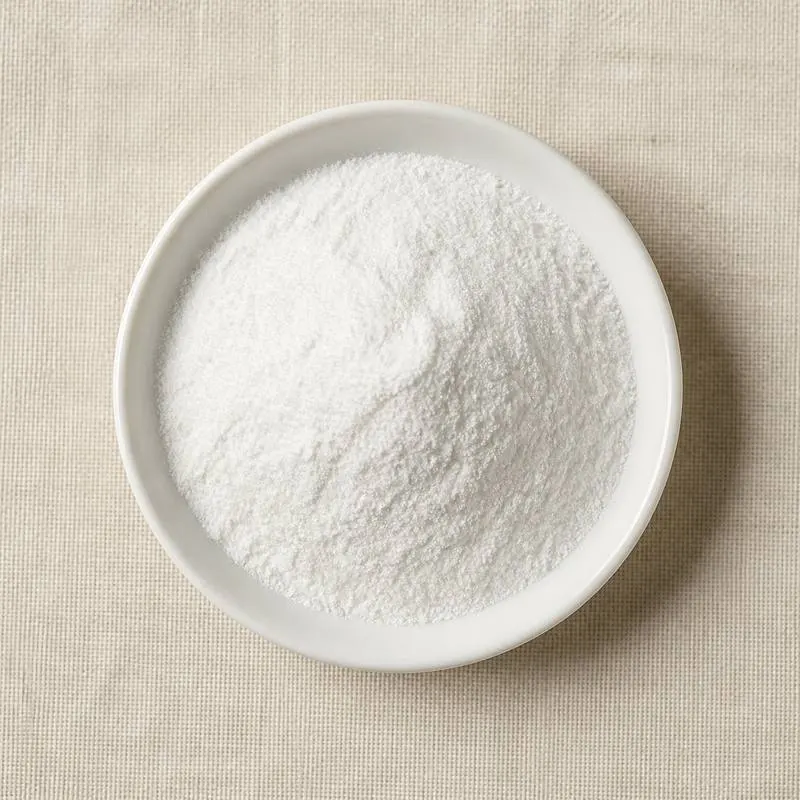
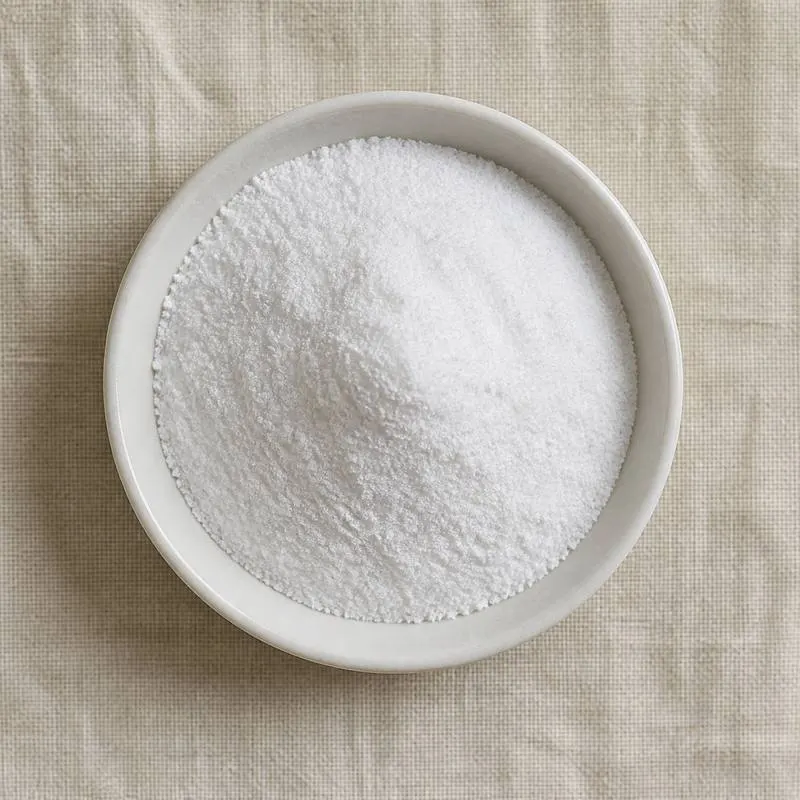
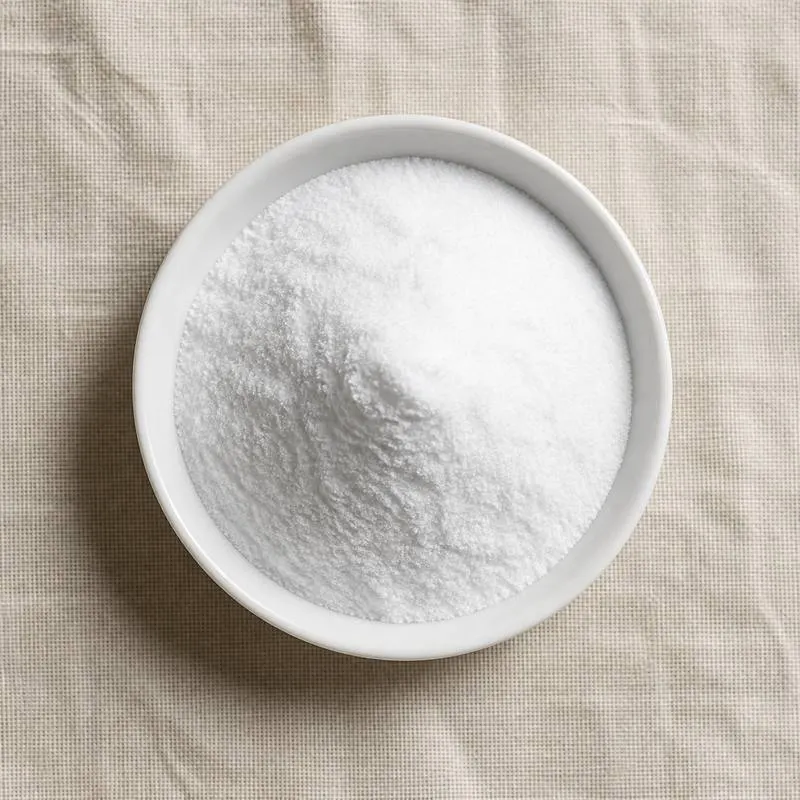
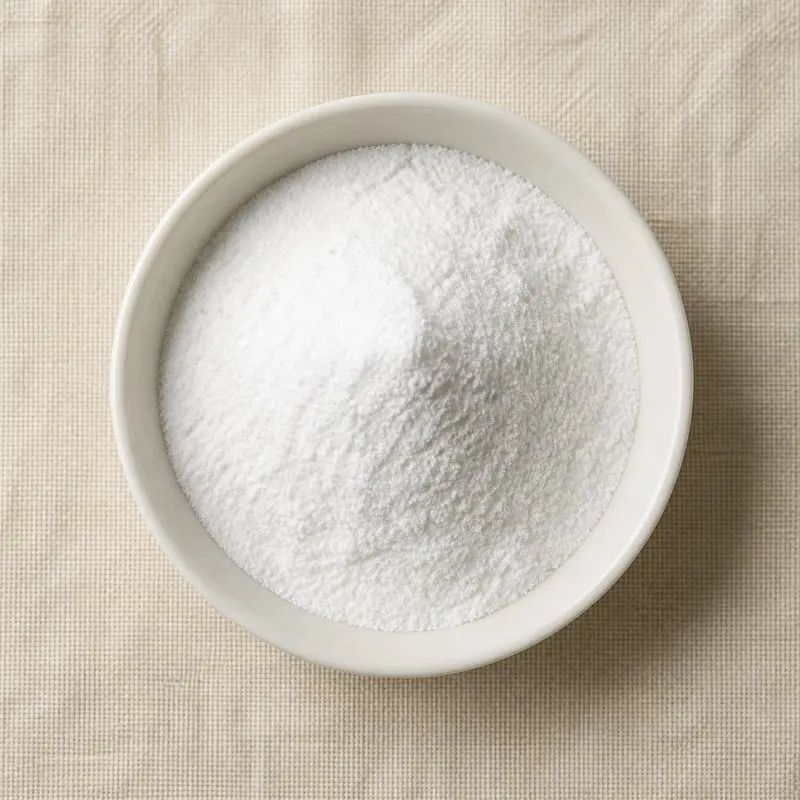
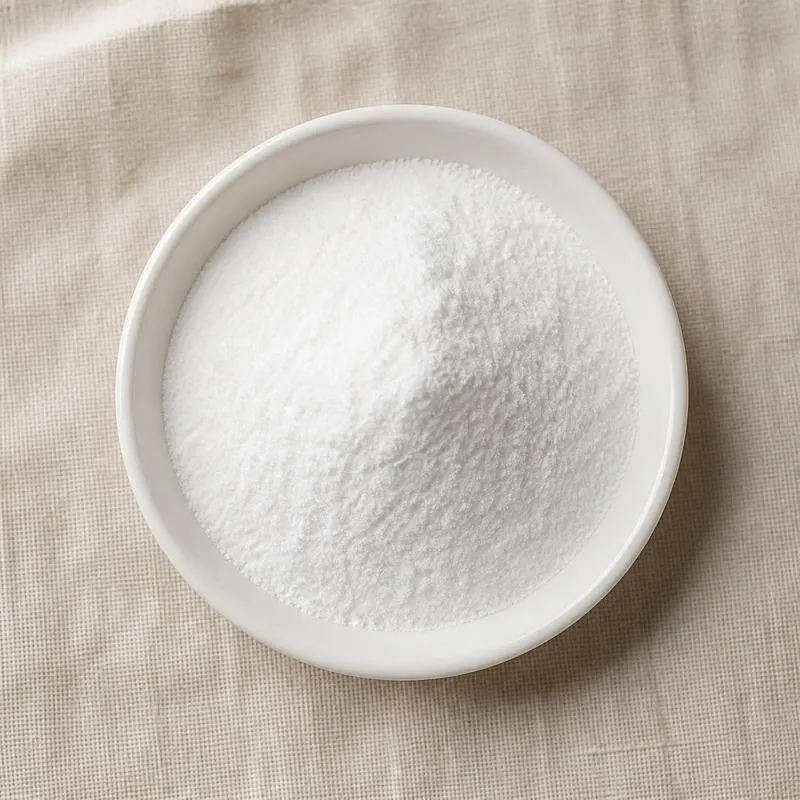
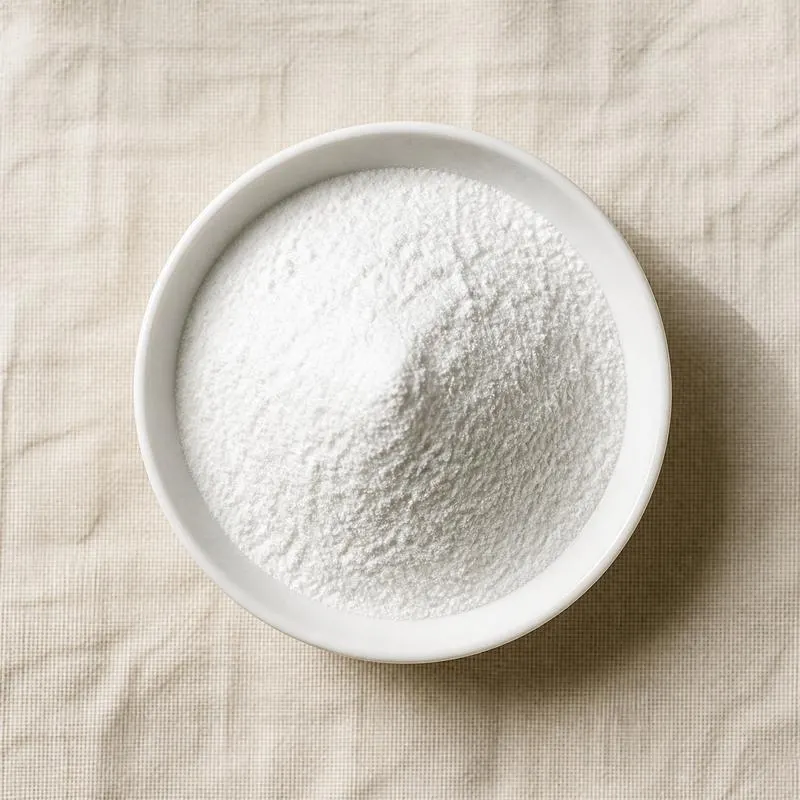
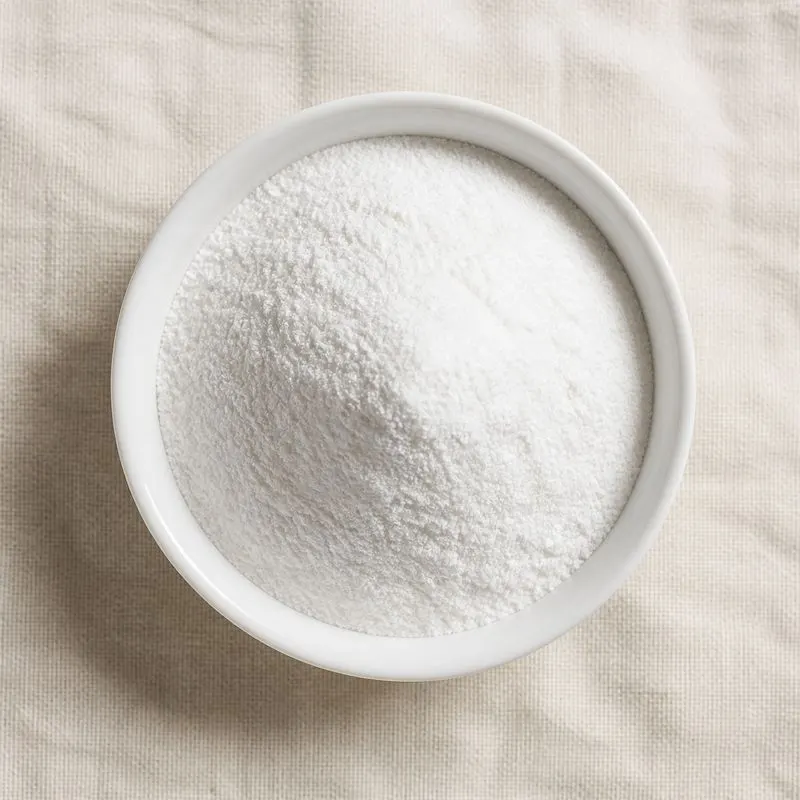
The material is normally a white free flowing powder that dissolves in cold water to give an alkaline solution, applied as a soaking or glazing bath for seafood, as an injection brine for whole muscle, or dry into a mince or emulsion.
We source bulk Water Preserving Agent from top China manufacturers for our partners. The manufacturer is in Shandong. A smaller requirement can ship in a combined container with other ingredients.
Please send the grade you need, the volume and your destination port, and we will come back with a solution and a price.
or call +86-21-6858 0751
- Function
- Preservative
Specifications
| Item | Specification |
|---|---|
| Appearance | White free flowing powder or granule |
| Odour | Odourless |
| Total Phosphate (as P2O5) | Conforms to declared level, 95 to 105 percent of claim |
| Identification | Phosphate species confirmed by ion chromatography |
| pH of 1 percent Solution | 8.0 to 10.5 |
| Solubility at 5 C | Completely soluble at use concentration within 10 minutes |
| Loss on Drying | Not more than 3.0 percent |
| Water Insoluble Matter | Not more than 0.1 percent |
| Particle Size | Not less than 95 percent through 40 mesh |
| Fluoride | Not more than 10 mg/kg |
| Lead | Not more than 2 mg/kg |
| Arsenic | Not more than 1 mg/kg |
| Heavy Metals (as Pb) | Not more than 10 mg/kg |
| Total Plate Count | Not more than 1000 cfu/g |
Common Markets Grades
Formulas are graded by substrate and by application method. Seafood soaking grades for shrimp, scallop and fish fillet are highly soluble at low temperature and are weighted towards pyrophosphate and tripolyphosphate, since the treatment is a cold dip with a short contact time. Injection grades for ham and whole muscle products must dissolve completely and stay in solution in a chilled brine tank without precipitating on the needles, which favours the more soluble long chain phosphates. Emulsion and mince grades are dry powders sized to disperse in a bowl chopper. Poultry grades are formulated for the chiller or the marination tumbler.
The second axis is phosphate against non phosphate. Phosphate free grades are built on carbonate, citrate, plant protein and hydrocolloid systems and are chosen where the destination market restricts added phosphate in the product concerned or where the label is to avoid phosphate declaration. They generally give a smaller yield gain for the same addition. Buyers specify the declared ingredient list, the total phosphate expressed as P2O5, the pH of a standard solution, solubility at low temperature and the recommended use concentration, since a compounded preparation carries no single assay of its own.
Applications
- Frozen shrimp and prawn, where a soak before freezing limits the drip and texture loss that occur on thawing
- Frozen fish fillets and portions, where the treatment reduces cook loss and prevents the dry, fibrous texture of an untreated frozen fillet
- Scallop and other shellfish meat, where water retention determines both yield and appearance in the pack
- Injected and tumbled whole muscle products such as ham and cooked pork loin, where the agent is dosed through the brine
- Marinated poultry portions, where it holds the marinade in the meat through cooking rather than allowing it to purge
- Emulsified sausage and reformed products, where phosphate stabilises the fat and water emulsion during cooking
- Surimi and fish paste products, where phosphate and salt together solubilise myosin and build gel strength
- Restructured and formed meat products, where the same protein extraction that binds the pieces together also binds water
- Cured meats, where the phosphate contributes to colour uniformity and to slicing yield as well as to moisture
China Manufacturers of Water Preserving Agent
Top Water Preserving Agent manufacturers in China.

Company names and logos are the property of the manufacturers themselves. They are listed here because our own directory records them as producing this ingredient. A listing is not an endorsement by them, and we do not represent them or speak on their behalf.
Regulatory Status
In the United States the phosphate salts are established food substances, sodium tripolyphosphate, tetrasodium pyrophosphate, sodium acid pyrophosphate and sodium hexametaphosphate all being permitted for food use, and their application in meat and poultry is regulated additionally by the Food Safety and Inspection Service, which limits total added phosphate in the finished meat or poultry product to a defined maximum expressed as phosphate and requires declaration in the ingredient statement. The Food and Drug Administration regulates seafood, and phosphate treatment is lawful there, but the resulting water uptake bears on labelling, since a product whose weight has been increased by soaking may not be sold in a way that misrepresents the amount of fish or shellfish present.
In the European Union the phosphates are authorised as food additives under the food additives regulation, orthophosphates as E 338 to E 343, diphosphates as E 450, triphosphates as E 451 and polyphosphates as E 452, and they are regulated as a group with maximum levels expressed as phosphorus pentoxide and set separately for each food category. Their use in meat preparations, in processed meat and in unprocessed and frozen fish is defined narrowly, with some categories permitting no addition at all, and the group underwent a re-evaluation that led to a tightened framework and a group limit across the diet. Any addition of water above a threshold must be declared in the name of the food for meat and fishery products under the food information rules. The Joint FAO WHO Expert Committee on Food Additives has evaluated the phosphates as a group, Codex specifications of identity and purity exist for each salt, and their permitted uses are set out in the General Standard for Food Additives.
Manufacturing Process
The preparation is compounded from finished phosphate salts rather than synthesised. Those salts are themselves made by neutralising purified wet process or thermal phosphoric acid with sodium carbonate or sodium hydroxide to a defined sodium to phosphorus ratio, then dehydrating the resulting orthophosphate by calcination in a rotary or belt calciner. The calcination temperature and the sodium to phosphorus ratio decide whether the product condenses to pyrophosphate, tripolyphosphate or a longer chain glassy hexametaphosphate. The calcined solid is cooled, milled and screened, and for tripolyphosphate the hydration form is controlled at this stage because it decides how quickly the powder dissolves in a cold brine.
Compounding itself is a dry operation. The individual phosphates, the alkali salt, sodium chloride and any protein, hydrocolloid or starch component are screened to a common particle size band so that the blend does not segregate, weighed gravimetrically to formula, and mixed in a ribbon or double cone blender until sampling shows the phosphate assay uniform across the batch. Solubility at chilled temperature is checked on a sample of every batch, since a blend that meets assay but dissolves slowly will still block injection needles. The powder passes magnetic separation and metal detection and is packed in moisture barrier liners, because condensed phosphates hydrolyse to less effective orthophosphate if they take up water in storage.