Water - Soluble Selenoprotein
Water soluble selenoprotein is a protein preparation in which selenium is bound within the amino acid chain rather than present as an inorganic salt, and which has been processed so that the protein fraction dissolves fully in water. It is produced by growing a selenium accumulating organism, usually a yeast, a microalga or a cereal or soybean crop, on a medium enriched with selenite or selenate, so that the organism substitutes selenium for sulphur during protein synthesis.
The selenium ends up chiefly as selenomethionine, with smaller amounts of selenocysteine, methylselenocysteine and selenium bound to peptides. Because the element sits inside the polypeptide, it is presented in an organic form rather than as a soluble inorganic salt, and this is the distinction that matters in the trade. Total selenium is normally standardised in the range of 1000 to 3000 milligrams per kilogram, with the organic fraction declared separately as a percentage of the total.
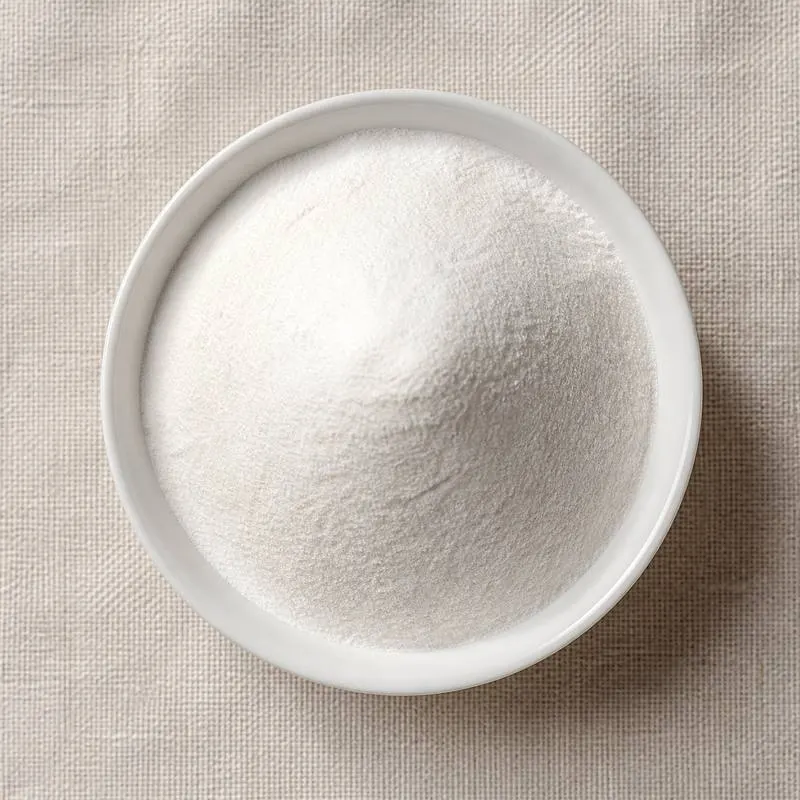
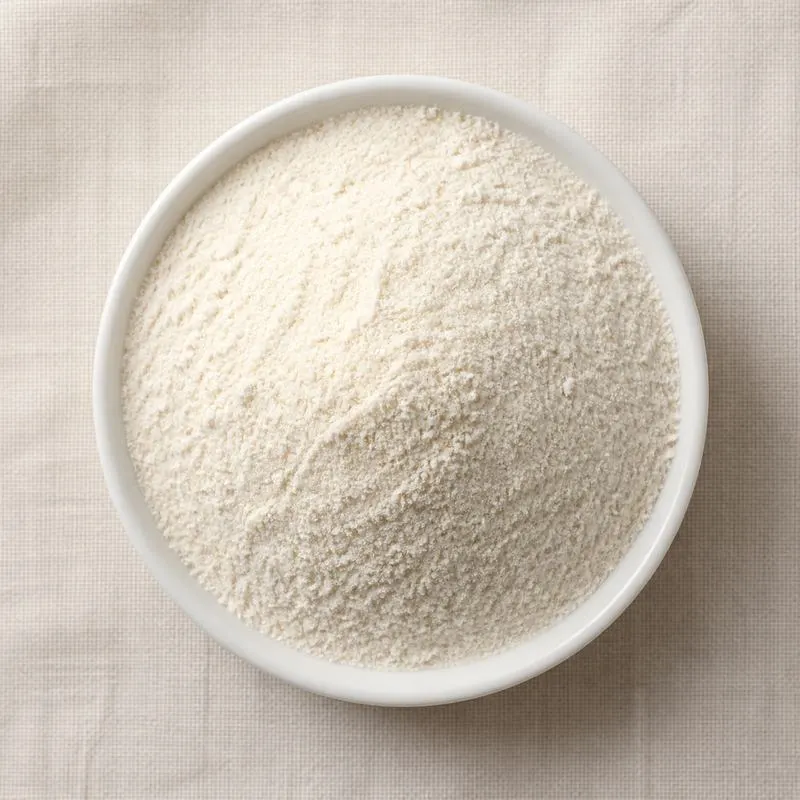
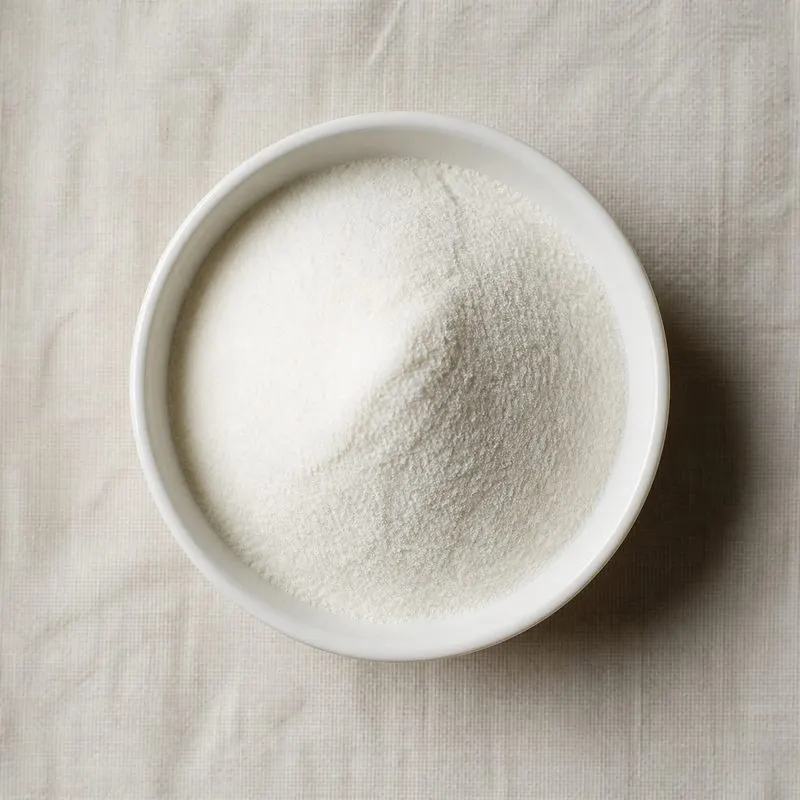
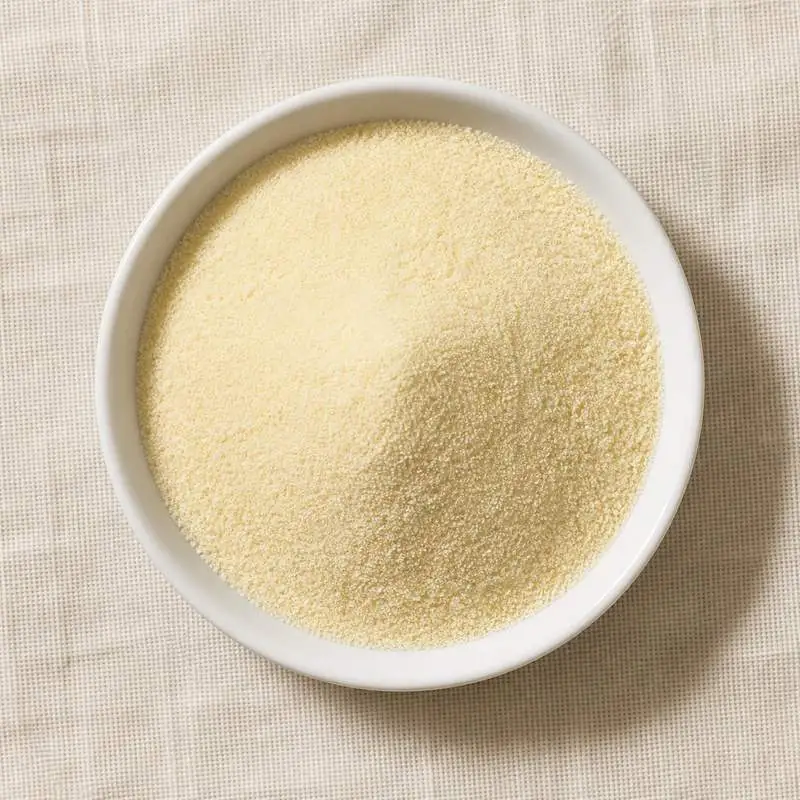
The finished material is a pale yellow to light brown powder, mildly hygroscopic, that dissolves in cold water to a clear or faintly hazy solution. Solubility is what separates this grade from selenium enriched yeast biomass, which is a suspension. The bound selenium is stable to pasteurisation and to normal food processing, but strongly oxidising conditions can convert selenomethionine to its selenoxide, so the powder is kept dry, cool and away from light.
We source bulk Water - Soluble Selenoprotein from top China manufacturers for our partners. The manufacturer is in Hubei. A smaller requirement can ship in a combined container with other ingredients.
Please send the grade you need, the volume and your destination port, and we will come back with a solution and a price.
or call +86-21-6858 0751
- Function
- Protein
Specifications
| Item | Specification |
|---|---|
| Appearance | Pale yellow to light brown fine powder |
| Odour and Taste | Slight characteristic, free from putrid notes |
| Total Selenium | 2000 mg/kg, 1800 to 2200 mg/kg |
| Organic Selenium (of total) | ≥ 95.0% |
| Selenomethionine (of total selenium) | ≥ 60.0% |
| Inorganic Selenium | ≤ 2.0% of total |
| Protein (dry basis) | ≥ 55.0% |
| Water Solubility | ≥ 98% |
| Identification | Conforms by selenium speciation using HPLC-ICP-MS |
| Loss on Drying | ≤ 6.0% |
| Ash | ≤ 10.0% |
| pH (1% solution) | 5.0 to 7.0 |
| Lead | ≤ 1.0 mg/kg |
| Arsenic | ≤ 1.0 mg/kg |
| Total Plate Count | ≤ 10,000 cfu/g |
| Yeast and Mould | ≤ 100 cfu/g |
| Escherichia coli | Negative in 1 g |
| Salmonella | Negative in 25 g |
Common Markets Grades
Grades are defined first by total selenium content and by the proportion present in organic form. Common trade specifications run at 1000, 2000 or 3000 milligrams of selenium per kilogram, with organic selenium stated at 95 percent or more of the total and inorganic residue capped, since unconverted selenite is the main quality defect. Selenomethionine is often quoted as its own line, since it is the fraction most of the market is buying.
The second axis is the source organism, which is declared because it determines the labelling and the acceptable applications: selenium enriched yeast protein, selenium enriched spirulina protein and plant derived selenoprotein from selenium rich soybean or cereal are traded as separate products. Food and supplement grade material is sieved to 80 mesh, and a feed grade with looser ash and protein limits is a separate line. Because the powder is potent, it is normally sold as a standardised blend with a food grade carrier so that it can be dosed accurately.
Applications
- Selenium supplement capsules and tablets, where an organically bound form is preferred over sodium selenite
- Clear functional beverages and shots, using the water solubility that distinguishes this grade from whole enriched biomass
- Multivitamin and mineral premixes, blended at low inclusion against a carrier
- Infant and clinical nutrition formulations, where selenium is a required micronutrient
- Fortified dairy drinks and plant milks, added post pasteurisation to a fully dissolved base
- Effervescent and instant sachets, dissolving without residue or sediment
- Animal feed premixes for poultry, pigs and aquaculture, where organic selenium is used to raise tissue retention
- Sports and antioxidant formulations sold on the selenium and protein content together
China Manufacturers of Water - Soluble Selenoprotein
Top Water - Soluble Selenoprotein manufacturers in China.

Company names and logos are the property of the manufacturers themselves. They are listed here because our own directory records them as producing this ingredient. A listing is not an endorsement by them, and we do not represent them or speak on their behalf.
Regulatory Status
In the United States, selenium enriched yeast is used as a source of selenium in dietary supplements under the dietary supplement framework, and specific preparations are supported by GRAS conclusions for defined food uses. Selenium is a nutrient with an established reference intake, and fortification levels are limited by the food category and by the general requirement that added nutrients be safe and suitable. For animal feed, selenium yeast is subject to specific FDA food additive regulations that set the permitted species, the maximum inclusion and the conditions of use, and those regulations treat inorganic selenium salts separately from the organic form.
In the European Union, selenium enriched yeast preparations appear among the authorised sources of selenium that may be added to foods and to food supplements under the relevant annexes of the fortification and food supplements legislation, and the specific source must be the one listed. It is a nutrient source rather than an additive, so no E number applies. For feed use, organic selenium sources are authorised as nutritional feed additives with defined maximum contents and conditions. JECFA has evaluated selenium as a nutrient, and Codex addresses selenium through its provisions on nutrient reference values and on fortification rather than through a commodity standard.
Manufacturing Process
The starting point is a controlled fermentation or cultivation. For the yeast route, Saccharomyces cerevisiae is grown in a fed batch fermenter on a molasses or glucose medium into which sodium selenite is dosed gradually, at a rate the culture can absorb without its growth stalling. The yeast takes selenium up through its sulphate transport system and incorporates it into protein in place of sulphur. Feeding profile and dosing rate are the critical controls, since dosing too fast leaves unconverted inorganic selenium in the biomass.
At the end of fermentation the cells are harvested by centrifugation and washed thoroughly to remove medium salts and any unincorporated selenite, which is the step that determines the inorganic residue in the finished product. The washed biomass is disrupted, by high pressure homogenisation or by autolysis, and often given a limited protease treatment so that the selenium bearing protein is released as soluble peptides. Cell walls and insoluble debris are removed by centrifugation and microfiltration, the clarified extract is passed through ultrafiltration to retain the protein fraction and discard low molecular weight salts, and the retentate is concentrated under vacuum. The concentrate is standardised to the declared selenium level with a food grade carrier and spray dried, then sieved, assayed for total and organic selenium, and packed.