Water Soluble Soybean Lecithin
Water soluble soybean lecithin is a modified lecithin that disperses readily in cold water, in contrast to standard fluid lecithin which is insoluble and merely swells. The improvement comes from converting part of the phospholipid into lysophospholipid, by enzymatic hydrolysis with a phospholipase that removes one of the two fatty acid chains, or from hydroxylation, in which hydroxyl groups are added across the double bonds of the fatty acid chains under acidic peroxide conditions.
Removing one chain leaves a single tailed molecule with a large polar head, so the hydrophilic to lipophilic balance rises and the material forms micelles in water rather than lamellar sheets. In practice this gives a lecithin that dissolves or disperses to a translucent solution in cold water, emulsifies oil in water systems far more effectively than the native product, tolerates acidic conditions and calcium better, and withstands pasteurisation without breaking the emulsion.
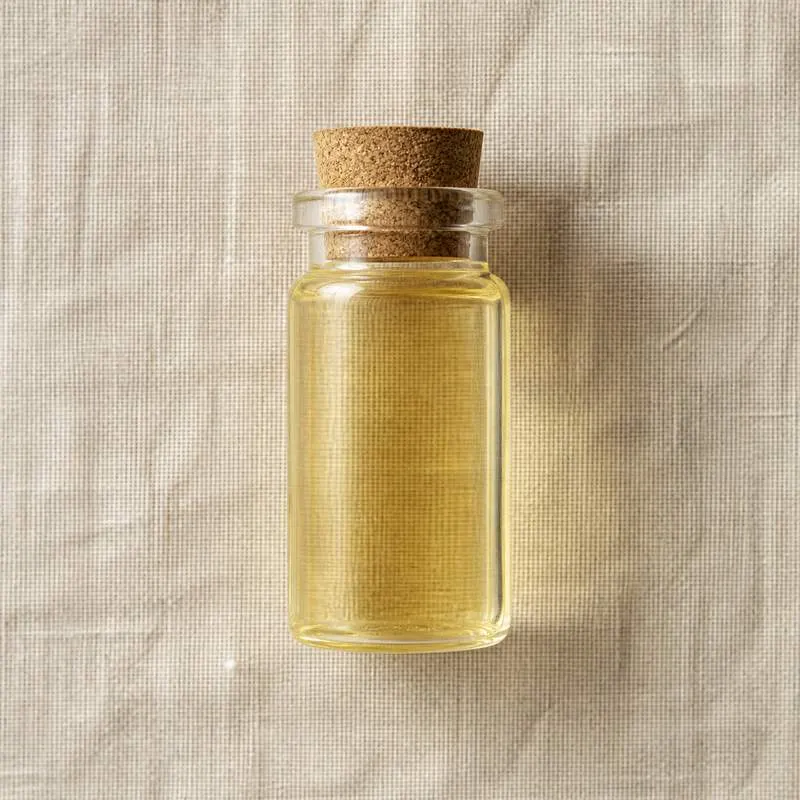
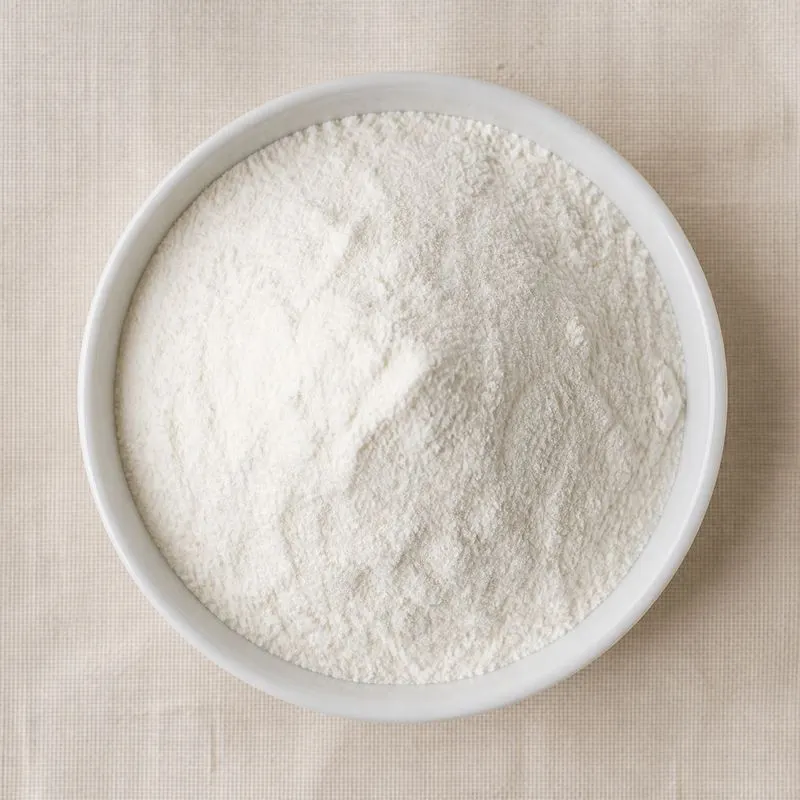
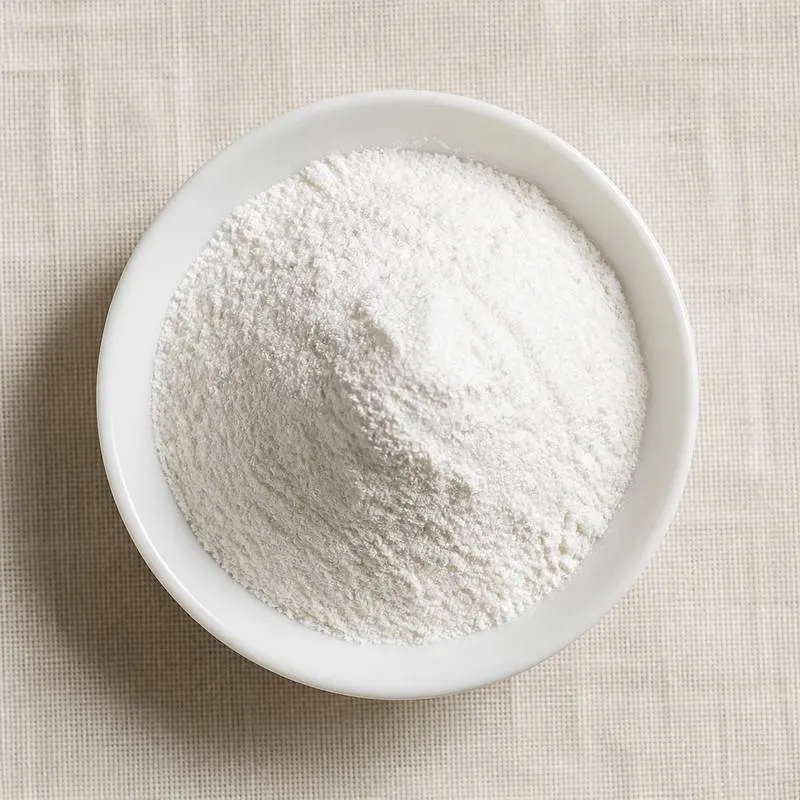
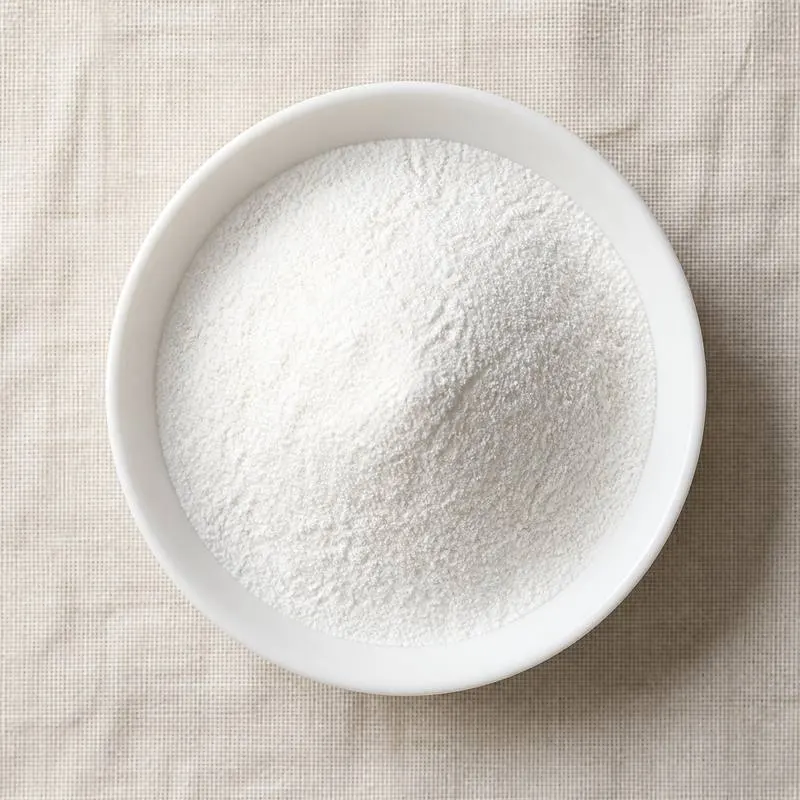
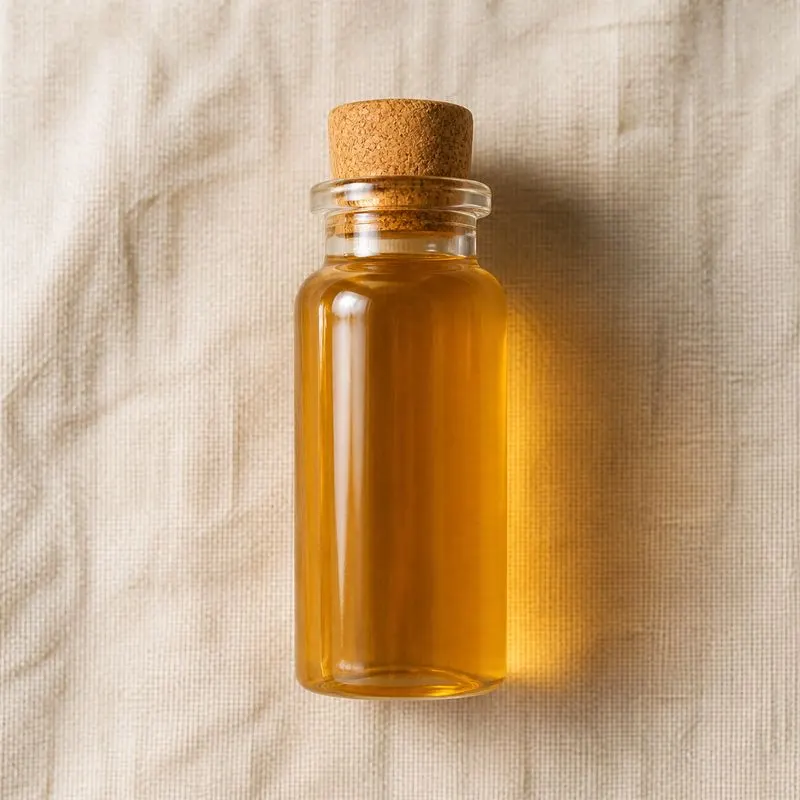
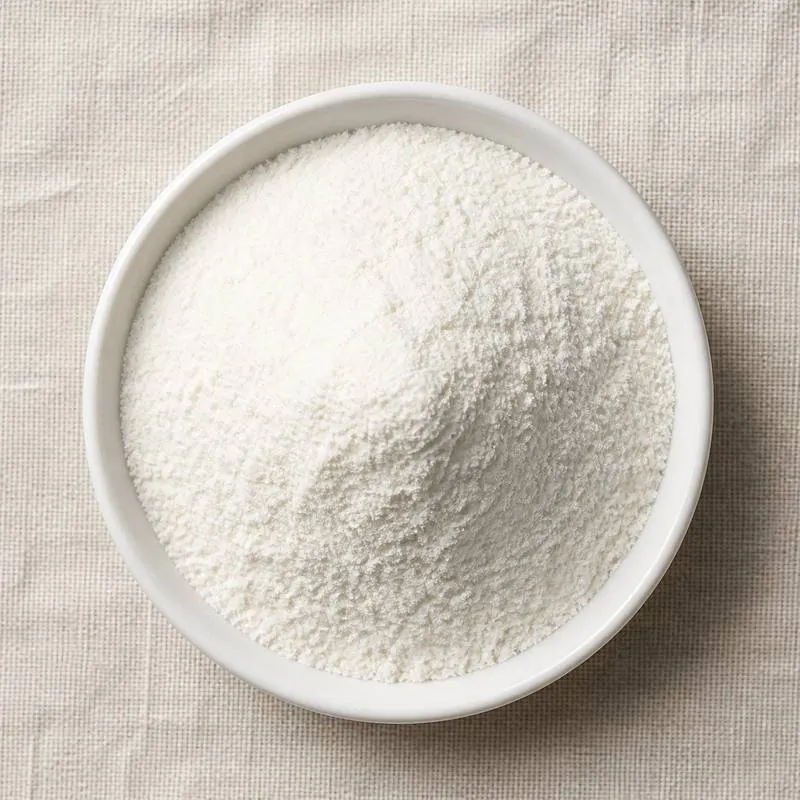
The product is a light yellow to brown viscous liquid or a spray dried tan powder. Powder grades reconstitute in cold water within minutes, are hygroscopic, and are packed in lined bags. Both forms carry unsaturated fatty acid chains and oxidise slowly, so they are stored cool and away from light.
We source bulk Water Soluble Soybean Lecithin from top China manufacturers for our partners. The manufacturer is in Hebei. A smaller requirement can ship in a combined container with other ingredients.
Please send the grade you need, the volume and your destination port, and we will come back with a solution and a price.
or call +86-21-6858 0751
- Function
- Emulsifier
Specifications
| Item | Specification |
|---|---|
| Appearance | Light yellow to brown viscous liquid or tan powder |
| Odour and taste | Mild, characteristic |
| Acetone insoluble matter | ≥ 56.0% (liquid grade) |
| Lysophospholipid content | 20 - 40% of total phospholipid |
| Identification | Phospholipid profile conforms by HPLC |
| Water dispersibility | Translucent dispersion at 1% in water, 20 °C |
| Moisture | ≤ 2.0% |
| Acid value | ≤ 40 mg KOH/g |
| Peroxide value | ≤ 10 meq/kg |
| Toluene insoluble matter | ≤ 0.3% |
| Heavy metals (as Pb) | ≤ 5 mg/kg |
| Lead | ≤ 1 mg/kg |
| Arsenic | ≤ 1 mg/kg |
| Total plate count | ≤ 5,000 cfu/g |
| Yeast and mould | ≤ 100 cfu/g |
| Salmonella | Absent in 25 g |
Common Markets Grades
Two chemistries are traded under this description. Enzymatically hydrolysed lecithin is specified by its lysophospholipid content, typically 20 to 40 percent of the phospholipid converted, together with acetone insoluble matter and acid value. Hydroxylated lecithin is specified by hydroxyl value and acid value. Both are available as fluid concentrates and as de-oiled powders, and the powders are the usual choice for dry beverage and bakery mixes.
Within each chemistry the choices are source, soybean as standard with sunflower for soy free declarations, degree of modification, since a higher conversion gives better water dispersion but weaker performance in fat continuous systems, and colour, with bleached and unbleached versions offered. Feed grade material, widely used as a fat emulsifier in young animal diets, carries looser microbiological and peroxide limits than the food grade.
Applications
- Instant beverage and protein powders, where it dissolves in cold water and disperses the fat without lumping
- Recombined and evaporated milk drinks, where it stabilises the fat emulsion through heat treatment
- Acidic beverages and dressings, where the modified phospholipid tolerates low pH better than native lecithin
- Bakery, where it improves crumb softness, gas retention and tolerance to mixing
- Ice cream and frozen desserts, where it supports fat dispersion and a smooth texture
- Calf and piglet milk replacers, where it emulsifies added fat and improves lipid absorption
- Coffee whiteners, where it prevents oiling off and feathering in hot acidic coffee
- Meat brines and injection systems, where it disperses fat and flavour oils into the aqueous phase
- Emulsions of fat soluble vitamins and carotenoids, where a water dispersible emulsifier is needed
China Manufacturers of Water Soluble Soybean Lecithin
Top Water Soluble Soybean Lecithin manufacturers in China.

Company names and logos are the property of the manufacturers themselves. They are listed here because our own directory records them as producing this ingredient. A listing is not an endorsement by them, and we do not represent them or speak on their behalf.
Regulatory Status
In the European Union Regulation (EC) No 1333/2008 authorises lecithins as E 322, and that entry covers partially hydrolysed and hydroxylated lecithins provided they conform to the identity and purity criteria in the specifications regulation, which address acetone insoluble matter, toluene insoluble matter, acid value, peroxide value and drying loss. The enzyme used for hydrolysis is treated as a processing aid under the food enzymes framework. Soybean derived material carries a soy allergen declaration.
In the United States lecithin is generally recognised as safe under 21 CFR 184.1400, and 21 CFR 172.814 separately clears hydroxylated lecithin as a food additive for use as an emulsifier. Enzyme modified lecithin is covered by its own clearance for the described uses. JECFA has evaluated lecithins, including partially hydrolysed forms, and published specifications for them, and lecithins are listed in the Codex General Standard for Food Additives as emulsifiers.
Manufacturing Process
Manufacture starts from fluid soybean lecithin, itself recovered by water degumming of crude soybean oil and vacuum drying of the separated gums. For the enzymatic route the fluid lecithin is dispersed in water with calcium salts to form a workable emulsion, heated to the working temperature of the enzyme, and treated with a phospholipase that cleaves the fatty acid at one position of the glycerol backbone. The reaction is followed by lysophospholipid content and stopped by heating to inactivate the enzyme once the target conversion is reached.
The reacted mass is then dried under vacuum to remove the added water and, where a powder is wanted, either spray dried directly or de-oiled with cold acetone and milled. The hydroxylation route instead treats fluid lecithin with hydrogen peroxide and an organic acid under controlled temperature, then neutralises, washes and dries the product under vacuum. Both routes finish with filtration, standardisation of viscosity or particle size, and release testing on acetone insoluble matter, moisture, acid value and peroxide value.