Waxy Corn Starch
Waxy corn starch is the native starch recovered by wet milling from waxy maize, a recessive mutant of Zea mays whose endosperm produces almost no amylose. Where ordinary dent maize starch is roughly a quarter amylose, waxy maize starch is 99 percent or more amylopectin.
Removing the linear amylose fraction changes the paste completely. Amylose is the component that re-associates on cooling to form gels and to push water out of a set starch system, so a waxy starch paste does not gel, stays clear and remains cohesive and stringy rather than setting short and opaque. Peak viscosity is high and is reached quickly once the granule swells, from about 63 to 72 degrees Celsius, and the swollen granule is fragile, so the paste thins markedly under sustained shear or prolonged heating unless the starch has been cross-linked. Retrogradation is slow, which gives good short term freeze and thaw behaviour even in the native form.
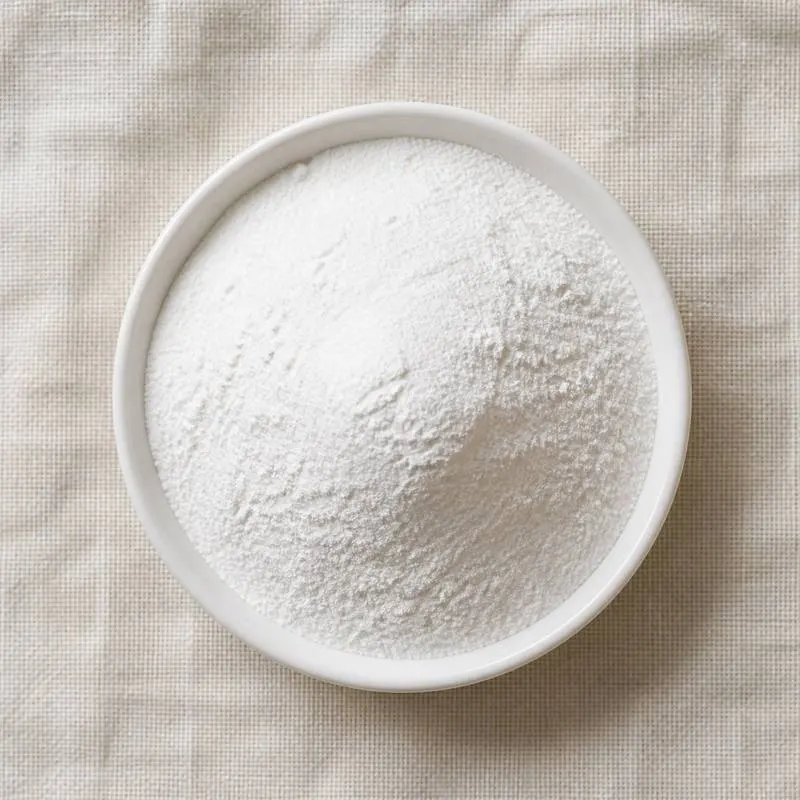
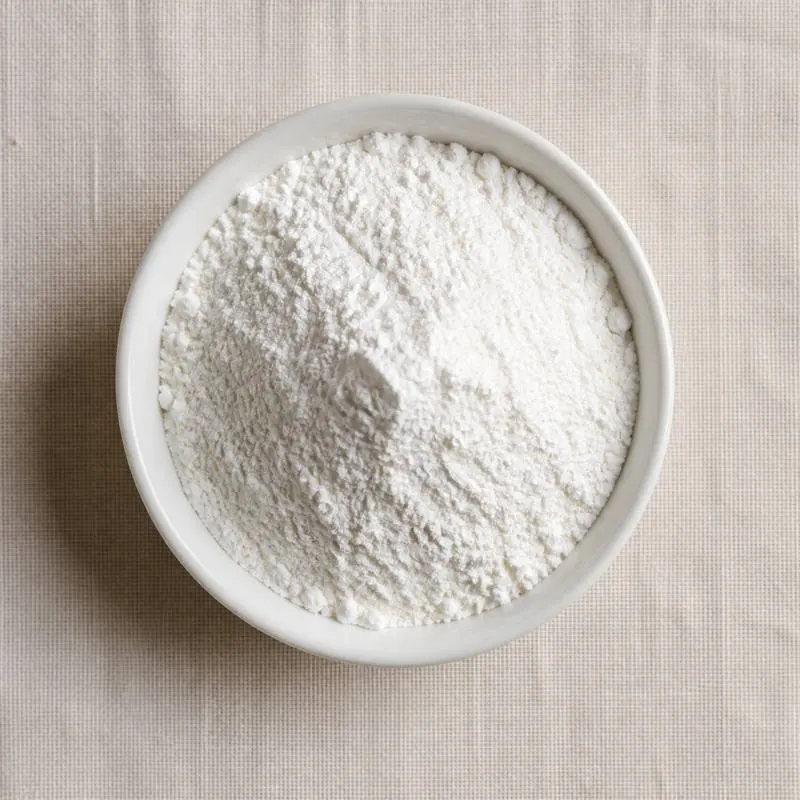
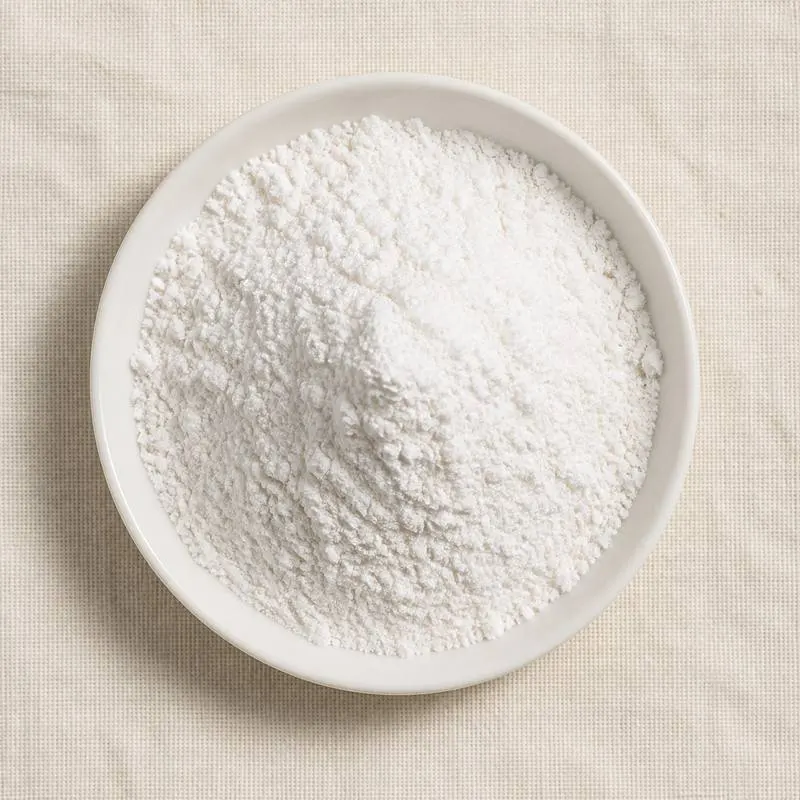
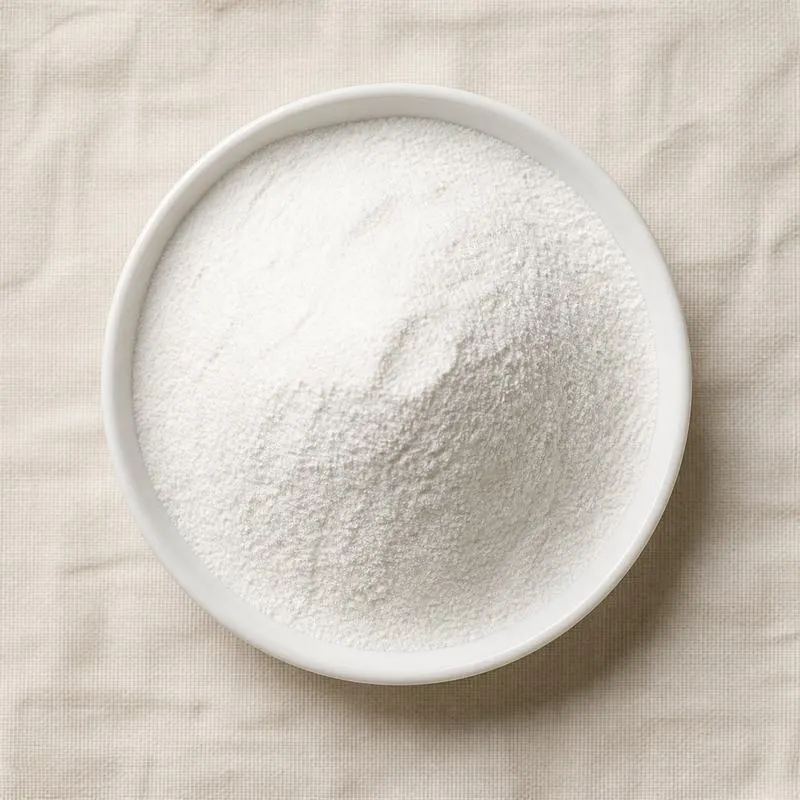
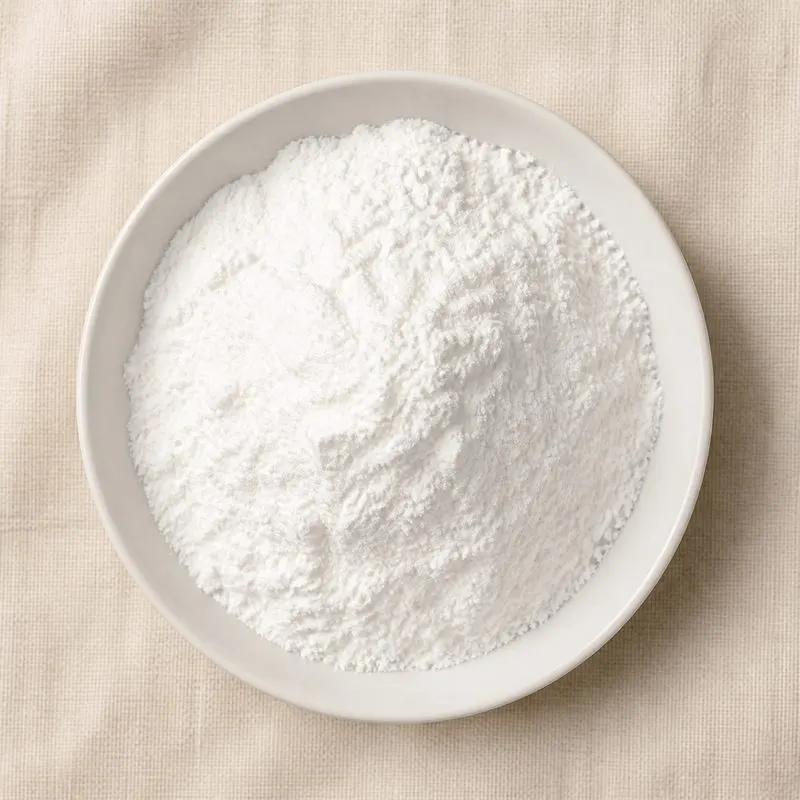
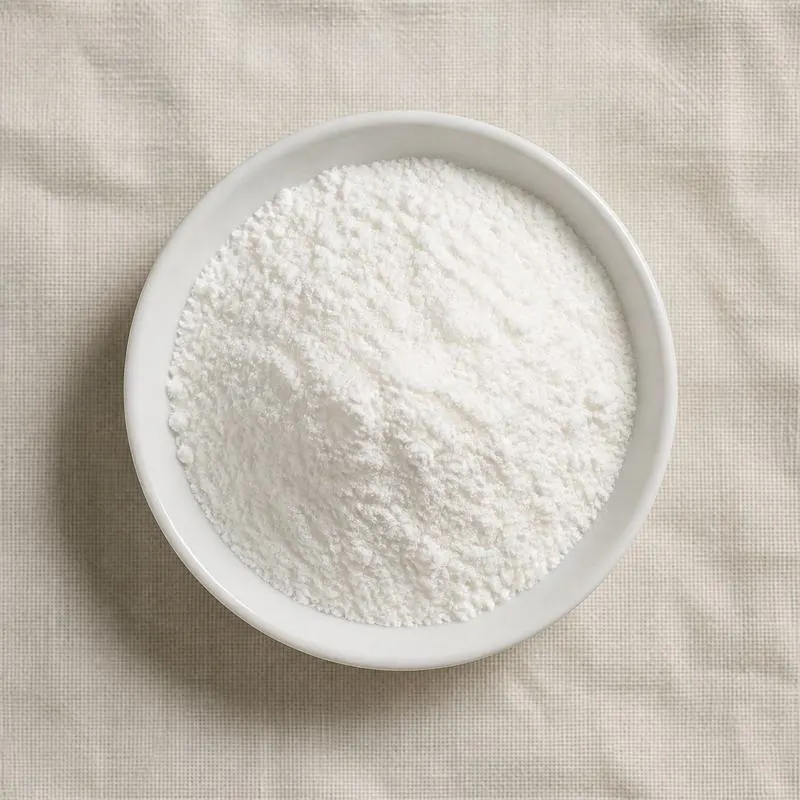
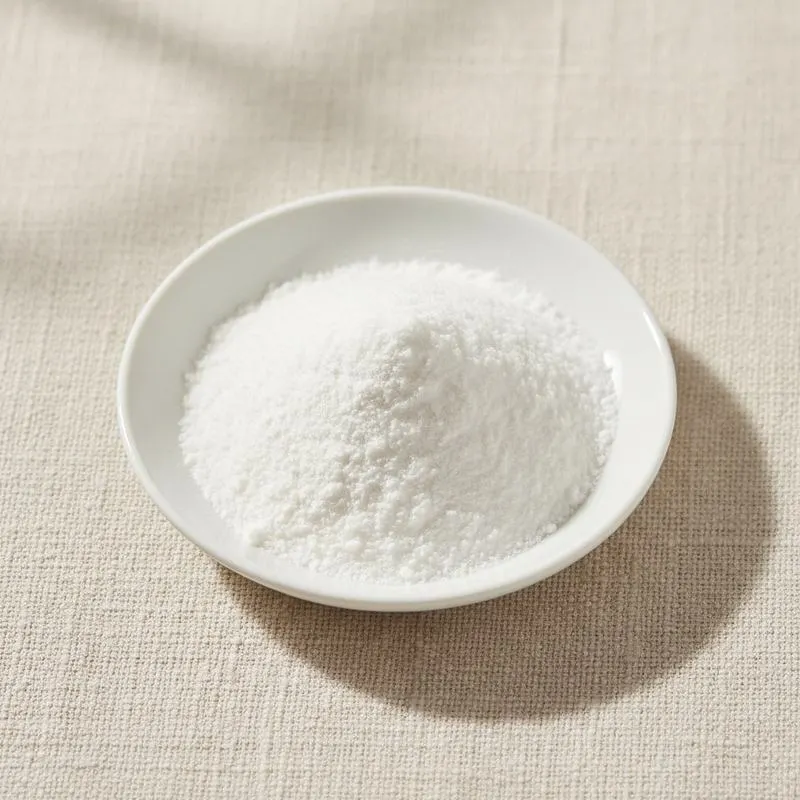
The powder is white, free-flowing and bland, insoluble in cold water and indistinguishable by eye from regular maize starch. Its main commercial role is as the preferred base for modified starches, since the clear non-gelling paste is the starting point that stabilisation and cross-linking build on.
We source bulk Waxy Corn Starch from top China manufacturers for our partners. The manufacturer is in Hebei. A smaller requirement can ship in a combined container with other ingredients.
Please send the grade you need, the volume and your destination port, and we will come back with a solution and a price.
or call +86-21-6858 0751
Specifications
| Item | Specification |
|---|---|
| Appearance | White free-flowing powder, free of foreign matter |
| Odour and Taste | Bland, free of foreign odour |
| Identification | Red-brown reaction with iodine solution, characteristic of amylopectin |
| Amylopectin, dry basis | Not less than 98.0% |
| Moisture | Not more than 14.0% |
| Protein, dry basis | Not more than 0.35% |
| Ash | Not more than 0.15% |
| Fat | Not more than 0.15% |
| pH, 10% slurry | 4.5 to 7.0 |
| Whiteness | Not less than 92 |
| Particle Size | Not less than 99% through 100 mesh |
| Sulphur Dioxide | Not more than 30 mg/kg |
| Lead | Not more than 0.5 mg/kg |
| Arsenic | Not more than 0.5 mg/kg |
| Total Plate Count | Not more than 10,000 CFU/g |
| Yeast and Mould | Not more than 100 CFU/g |
| Salmonella | Absent in 25 g |
Common Markets Grades
Native waxy maize starch is traded as food grade and as a modification base, distinguished mainly by protein, ash and colour rather than by any variation in amylopectin content, which is set by the hybrid. Identity preserved supply matters here more than in other starches, since waxy maize must be grown and handled separately from dent maize to keep the amylose content down, and lots are certified for waxy purity.
Beyond native powder, the family includes pregelatinised drum-dried and extruded grades that thicken in cold water, thin-boiling acid-modified grades, and the large range of chemically modified waxy starches sold under their own additive names as acetylated distarch phosphate, hydroxypropyl distarch phosphate and starch sodium octenyl succinate. Non-genetically-modified declarations and waxy tapioca as a labelling alternative are both common enquiry points. Mesh options are typically 100 and 200 mesh.
Applications
- Base starch for chemically modified food starches, where the clear non-gelling paste is the property that stabilisation preserves
- Chilled and frozen sauces and fillings, using slow retrogradation to limit water separation over storage
- Dairy desserts, yoghurt and custards, giving a smooth cohesive body without a firm set
- Fruit preparations and bakery fillings that must stay glossy and translucent after baking
- Instant soups, gravies and pot noodle sachets in pregelatinised form for cold or hot water reconstitution
- Extruded snacks and breakfast cereals, expanding readily and giving a crisp fine cell structure
- Confectionery jellies and starch jelly candy, where a cohesive rather than brittle texture is wanted
- Meat and poultry brines, holding water through cooking without a rubbery gel
- Feedstock for high maltose and glucose syrups, since the fully branched substrate converts cleanly
- Adhesives, paper coating and textile printing where a clear flexible film is required
China Manufacturers of Waxy Corn Starch
Top Waxy Corn Starch manufacturers in China.

Company names and logos are the property of the manufacturers themselves. They are listed here because our own directory records them as producing this ingredient. A listing is not an endorsement by them, and we do not represent them or speak on their behalf.
Regulatory Status
Native waxy maize starch is a food ingredient rather than a food additive. It carries no E number, needs no additive authorisation and is declared on labels as maize starch, corn starch or starch.
In the United States it is listed as generally recognised as safe for use in food in accordance with good manufacturing practice and is regulated within the general food framework. In the European Union it falls under general food law rather than the additives regulation, with the sulphur dioxide used as a steeping aid subject to the residue limits and labelling threshold that apply to sulphites. Waxy maize hybrids are conventionally bred rather than engineered, but because maize is a crop where genetically modified varieties are grown, EU supply chains commonly carry identity preserved documentation and non-genetically-modified declarations to meet the traceability and labelling rules for such crops. Codex maintains a standard for edible starches covering identity and purity. Maize starch is not a declarable allergen and is routinely certified below the 20 mg/kg gluten threshold for gluten-free claims.
Manufacturing Process
Waxy maize is steeped for a day or more in warm water containing sulphur dioxide, which softens the kernel and breaks down the protein matrix that binds the starch granules. The steepwater is drawn off and evaporated into a feed co-product. The softened kernels are coarsely ground on degerminating mills, and the freed germ, which floats, is separated on hydrocyclones and pressed for maize oil. The remaining slurry is finely milled and passed over pressure screens that wash out the fibre, collected as maize bran for feed.
The mill starch stream, now a mixture of starch and gluten protein, is separated on high speed disc nozzle centrifuges that work on the density difference between the two, sending the lighter protein fraction off as maize gluten meal. The starch milk is then washed through a countercurrent hydrocyclone battery, commonly a dozen stages or more, until residual protein and solubles fall to the levels that define refined starch. The washed milk is dewatered on a vacuum belt or peeler centrifuge and flash dried to about 12 to 13 percent moisture, then cooled, sifted and packed. Because waxy maize is identity preserved, the entire train from grain intake to packing is segregated from dent maize processing.