Starch Sodium Octenyl Succinate
Starch sodium octenyl succinate, usually shortened to OSA starch, is a starch that has been esterified with octenyl succinic anhydride, attaching a half ester bearing an eight carbon alkenyl chain and a sodium carboxylate to a small proportion of the glucose units. It is the one modified starch whose purpose is not thickening but emulsification.
The modification makes the molecule amphiphilic. The starch backbone remains hydrophilic and hydrates in water, while the octenyl side chain is hydrophobic and anchors into an oil phase, so the molecule adsorbs at an oil and water interface and behaves as a polymeric emulsifier. Emulsions stabilised this way are held by a thick steric barrier rather than by charge alone, which makes them tolerant of salt and of pH change and gives them long shelf stability. The sodium carboxylate adds a degree of electrostatic repulsion as well.
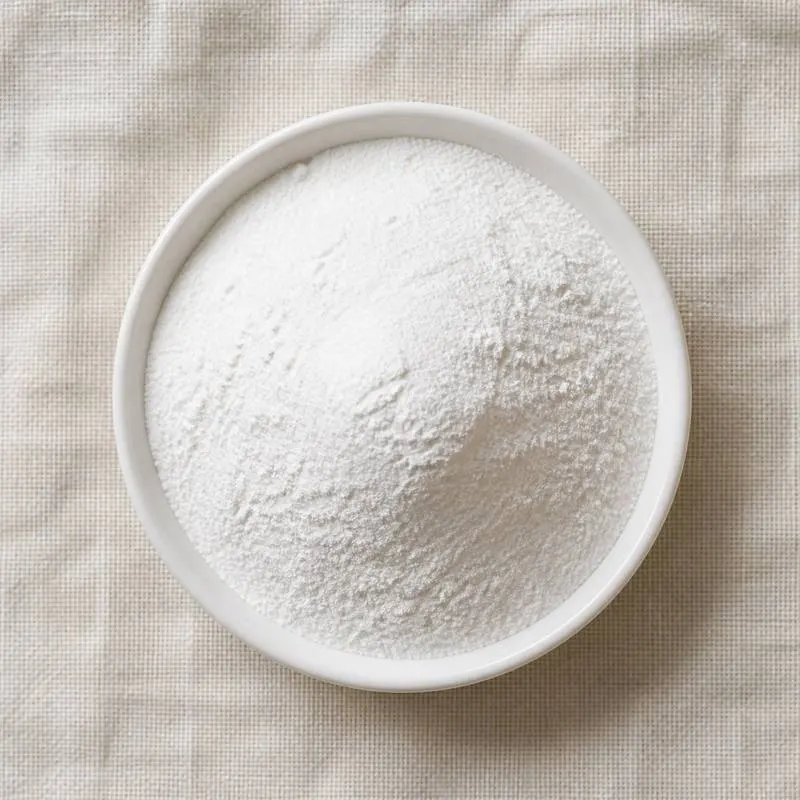
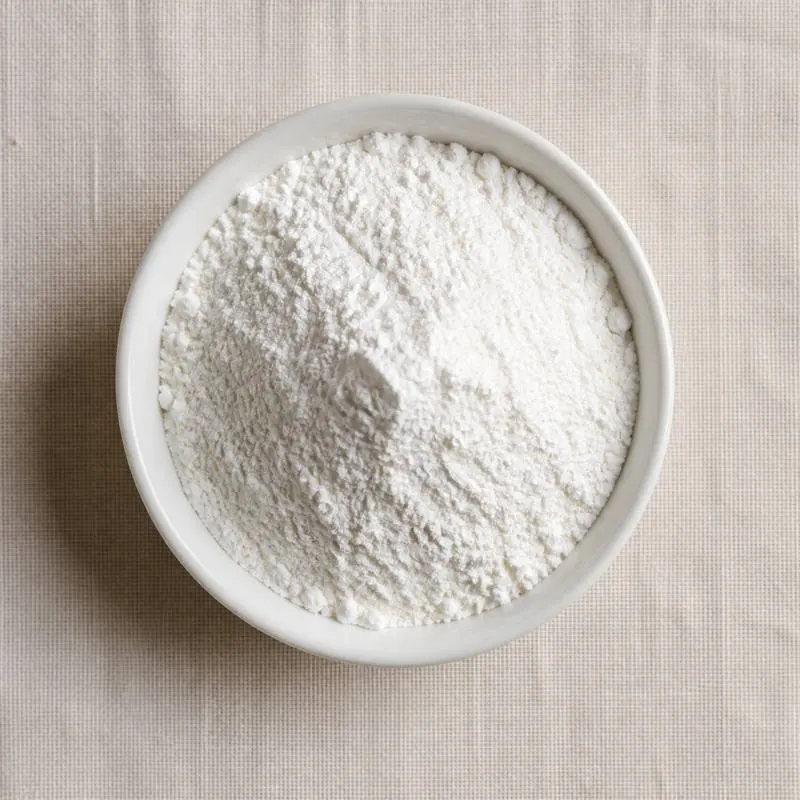
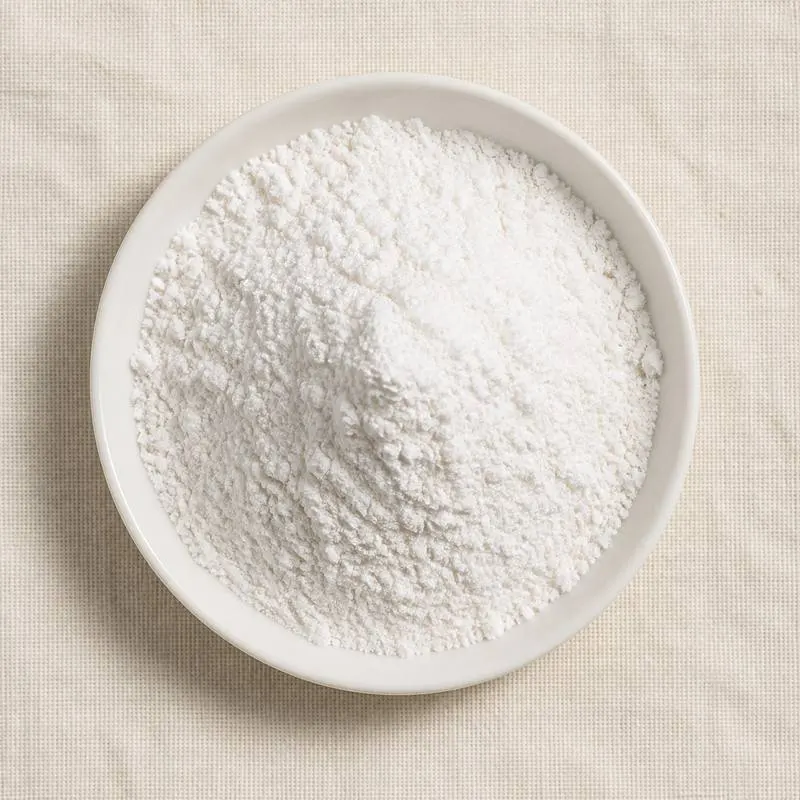
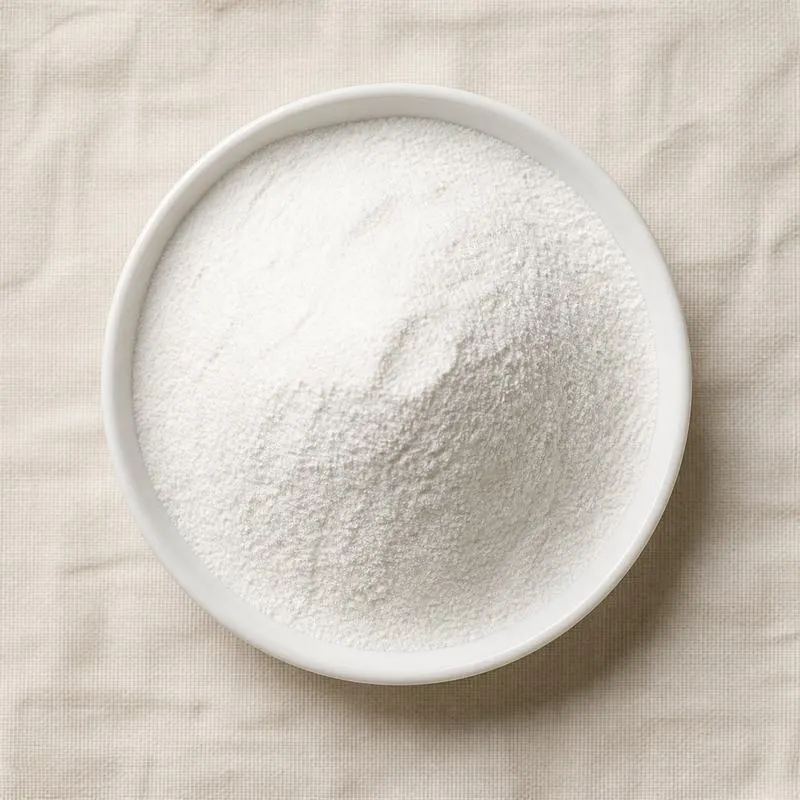
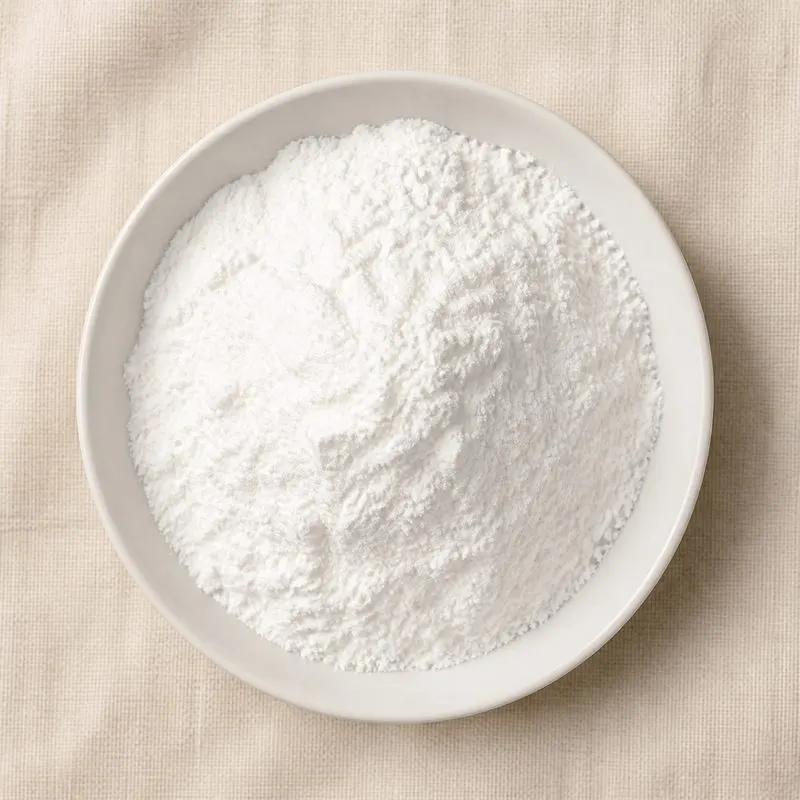
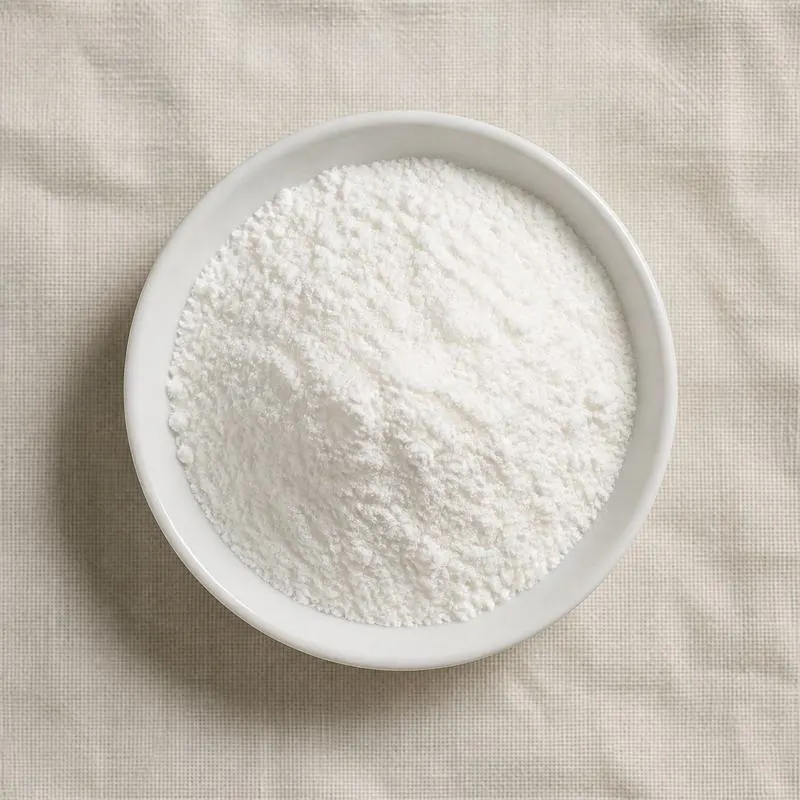
Because the degree of substitution is very low, no more than about three parts of reagent per hundred parts of starch under the usual regulations, the material is still a starch in composition and is digested as one, though it can carry a faint fatty or waxy note at high dose. It is a white to off white powder in three broad physical forms: granular cook up starch, low viscosity spray dried grades sold specifically as gum arabic replacements for beverage emulsions and encapsulation, and pregelatinised cold water dispersible grades.
We source bulk Starch Sodium Octenyl Succinate from top China manufacturers for our partners, working with several of them. The manufacturers are in Jiangsu and Guangdong. A smaller requirement can ship in a combined container with other ingredients.
Please send the grade you need, the volume and your destination port, and we will come back with a solution and a price.
or call +86-21-6858 0751
- Function
- Texturisers
Specifications
| Item | Specification |
|---|---|
| Appearance | White to off white free flowing powder, free of foreign matter |
| Odour and taste | Bland to faintly waxy, no rancid note |
| Identification | Iodine stain and granule microscopy conform to starch reference |
| Total starch, dry basis | 96.0 percent minimum |
| Octenyl succinyl groups | 3.0 percent maximum |
| Free octenyl succinic acid | 0.3 percent maximum |
| Moisture | 14.0 percent maximum |
| Ash, dry basis | 0.8 percent maximum |
| pH, 10 percent slurry | 4.5 to 7.0 |
| Emulsion stability, 24 hours | No visible separation at declared oil load |
| Sulphur dioxide | 50 mg/kg maximum |
| Lead | 0.5 mg/kg maximum |
| Arsenic | 0.5 mg/kg maximum |
| Total plate count | 10000 cfu/g maximum |
| Yeast and mould | 500 cfu/g maximum |
| E. coli | Absent in 1 g |
| Salmonella | Absent in 25 g |
Common Markets Grades
The trade divides by function rather than by base starch. Emulsifying grades are made from waxy maize that has been thinned by acid or enzyme before or after esterification, so that they can be used at 30 to 50 percent solids in a beverage emulsion or a spray drying feed without the slurry becoming unpumpable; these are the grades that displaced gum arabic in flavour encapsulation. Thickening emulsifiers retain more of the parent viscosity and are used in dressings and sauces where body and emulsification are both wanted. Cold water swelling grades are drum dried or extruded for instant mayonnaise and no cook dressings.
A separate line of hydrophobic OSA starches, made from granular starch without thinning and often heat treated, is used as a free flowing powder to coat and water repel rather than to emulsify. Waxy maize is the dominant base because it gives the clearest and most stable emulsions; tapioca, potato and rice bases are made where flavour, label or particle size demands it, with very fine rice based grades used in dry emulsions and cosmetic powders.
Applications
- Beverage flavour emulsions and cloud emulsions, where it stabilises the citrus oil phase in a concentrate that will be diluted many fold
- Spray dried flavour and vitamin encapsulation, forming the wall material that traps the volatile oil and protects it from oxidation
- Salad dressings, mayonnaise and sauces, replacing or supplementing egg yolk as the emulsifier
- Non dairy creamers and whitening agents, stabilising the fat phase in a powdered or liquid system
- Infant formula and clinical nutrition emulsions, providing emulsification without a protein or lecithin declaration
- Fat replacement in reduced fat products, where the emulsion structure carries some of the mouthfeel that fat would have given
- Encapsulated fish oil and other oxidation sensitive lipids, where the starch wall excludes oxygen
- Whipped toppings and aerated desserts, stabilising the fat and air interfaces
- Powder coating and water repellent dusting outside food, in the hydrophobic granular grades
China Manufacturers of Starch Sodium Octenyl Succinate
Top Starch Sodium Octenyl Succinate manufacturers in China.
 Bioneutra Fofiber Biological & Science (Guangzhou) Co., Ltd.4 ingredients in the directory
 NanTong GaoFeng Biotechnology Co., Ltd.10 ingredients in the directory
 Suzhou Gaofeng Biotechnology Co., Ltd.11 ingredients in the directory
Company names and logos are the property of the manufacturers themselves. They are listed here because our own directory records them as producing this ingredient. A listing is not an endorsement by them, and we do not represent them or speak on their behalf.
Regulatory Status
In the United States 21 CFR 172.892 permits starch sodium octenyl succinate as a food starch modified, lists octenyl succinic anhydride among the permitted treatment agents, caps the reagent at three percent of the starch and limits the residual free octenyl succinic acid in the finished product. A related provision covers the aluminium octenyl succinate version used in some applications. It is declared on United States labels as modified food starch or food starch modified.
In the European Union it is authorised as E 1450, starch sodium octenyl succinate, under the food additives framework, with purity criteria including an octenyl succinyl group limit and a residual octenyl succinic acid limit set out in the specifications regulation. It is permitted quantum satis in most categories, and it is one of the few modified starches specifically permitted in foods for infants and young children, subject to the limits laid down in that legislation. As a chemically modified starch it must be declared as a food additive rather than simply as starch. JECFA has evaluated the modified starches as a group and maintains a specification monograph for starch sodium octenyl succinate, and Codex lists it among the permitted additives in the General Standard for Food Additives.
Manufacturing Process
Native starch, usually waxy maize, is slurried in water at around 35 to 40 percent solids and adjusted to mildly alkaline pH, generally between 8 and 9, with dilute sodium hydroxide. The reaction is run below the gelatinisation temperature, at roughly 25 to 40 degrees Celsius, so that the granules stay intact and the product can be recovered by filtration. Where a low viscosity emulsifying grade is being made, the starch is first thinned by acid or by enzyme hydrolysis to bring the cooked viscosity down.
Octenyl succinic anhydride, an oily liquid that is poorly soluble in water, is metered into the vigorously agitated slurry over several hours, often diluted in a small volume of solvent or emulsified in to improve distribution, while sodium hydroxide is dosed continuously to hold the pH, since the anhydride ring opening releases acid. Poor agitation at this stage gives uneven substitution and a starch that emulsifies inconsistently. When the target substitution is reached the batch is neutralised with dilute hydrochloric or sulphuric acid, and the starch is washed on a countercurrent hydrocyclone battery or a rotary vacuum filter to remove salts and the free octenyl succinic acid formed by hydrolysis of the unreacted anhydride, which is the main residual specification. The washed cake is dewatered and either flash dried to give a granular grade, spray dried from a cooked dispersion to give an encapsulating grade, or drum dried to give a cold water swelling grade, then sieved and packed.