White Pepper Oleoresin
White pepper oleoresin is the solvent extracted concentrate of the decorticated berry of Piper nigrum, carrying both the volatile aroma fraction and the non-volatile pungent compounds of the spice in a single viscous liquid. Its pungency comes from the alkaloid piperine and the minor related amides, and its aroma from a volatile oil fraction of monoterpenes and sesquiterpenes led by beta-caryophyllene, limonene and the pinenes.
It differs from black pepper oleoresin in that the outer pericarp has been removed before drying, which strips out much of the terpene rich aroma held in the skin and leaves a cleaner, less fruity and more directly pungent profile with a characteristic slightly fermented note from the retting step. That profile is the reason it is chosen for pale coloured foods where black pepper specks and darker aroma would be unwanted.
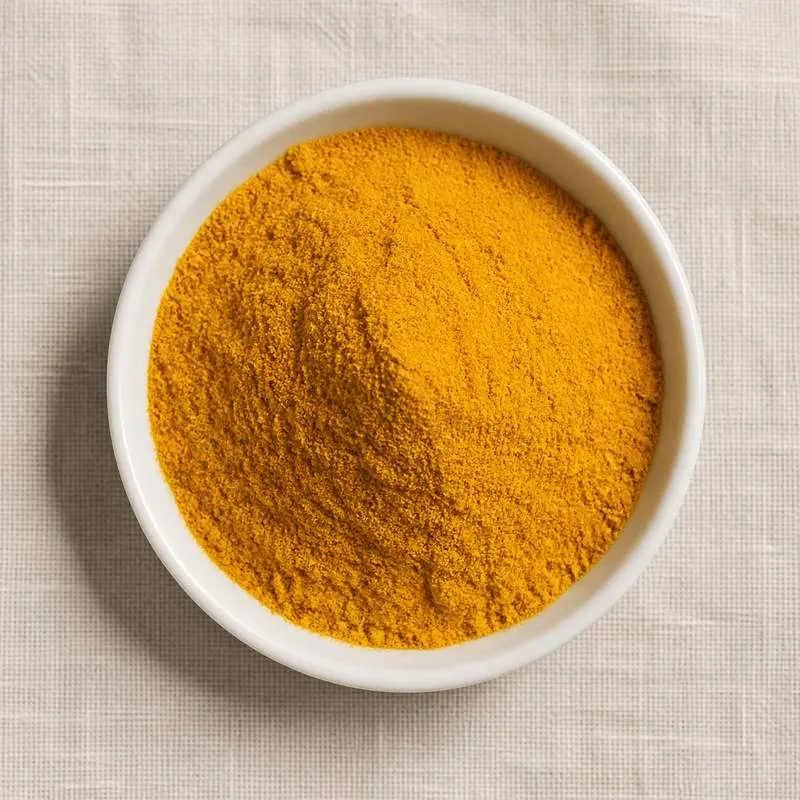
The neat oleoresin is a viscous pale green to olive brown liquid, soluble in ethanol and vegetable oil and insoluble in water. Aqueous applications use dispersions emulsified with polysorbate 80, oil dilutions, or dry solubles carried on salt, dextrose or silica. Piperine is stable to cooking, frying and retort processing, while the volatile fraction is lost under prolonged heat and oxidises on exposure to air, so material is filled under nitrogen and held cool.
We source bulk White Pepper Oleoresin from top China manufacturers for our partners. The manufacturer is in Shaanxi. A smaller requirement can ship in a combined container with other ingredients.
Please send the grade you need, the volume and your destination port, and we will come back with a solution and a price.
or call +86-21-6858 0751
- Function
- Plant extract
Specifications
| Item | Specification |
|---|---|
| Appearance | Viscous pale green to olive brown liquid |
| Odour and Taste | Characteristic white pepper, pungent, no solvent note |
| Piperine (HPLC) | ≥ 40.0% |
| Volatile Oil | 15 to 25 ml per 100 g |
| Identification | Conforms by HPLC and GC against reference |
| Specific Gravity at 25°C | 0.950 to 1.060 |
| Refractive Index at 20°C | 1.490 to 1.520 |
| Moisture | ≤ 2.0% |
| Residual Solvent | ≤ 25 mg/kg |
| Heavy Metals (as Pb) | ≤ 10 mg/kg |
| Lead | ≤ 2.0 mg/kg |
| Arsenic | ≤ 1.0 mg/kg |
| Total Plate Count | ≤ 1,000 cfu/g |
| Yeast and Mould | ≤ 100 cfu/g |
| E. coli | Negative |
| Salmonella | Absent in 25 g |
Common Markets Grades
Grades are quoted on two figures together: piperine content by HPLC, commonly 35 to 50 percent, and volatile oil content in millilitres per hundred grams, typically 15 to 25. A replacement ratio against ground white pepper is stated alongside, usually in the range of one kilogram of oleoresin standing in for twenty to fifty kilograms of the ground spice. Higher piperine grades with a reduced volatile fraction are made where heat rather than aroma is the objective.
Extraction route also defines a grade. Hexane, ethanol and ethyl acetate extracts carry a residual solvent limit, while supercritical carbon dioxide extracts are solvent free and are specified where a clean label or high volatile retention is required. Delivery forms cover neat oleoresin in drums, water dispersible emulsions, standardised dilutions in vegetable oil, and encapsulated powders spray dried on gum acacia or modified starch at a stated load for dry seasoning blends. Purified piperine at 95 percent or above is traded separately as an isolated compound rather than as an oleoresin.
Applications
- White sauces, béchamel and cream based products, where black pepper specks would be visible
- Mayonnaise, dressings and pale dips, using a dispersible grade for even pungency
- Processed meat, particularly white sausage, ham and pâté, where colour uniformity matters
- Instant noodle sachets and soup bases, delivering controlled pungency at low dosage
- Snack seasonings, where a dry soluble grade on salt carrier distributes evenly in a topical blend
- Ready meals and retort products, where dosing by weight of extract removes the batch variation of whole spice
- Potato and dairy products including mashed potato, cheese sauces and cream soups
- Marinades and brines for poultry and pork, where the extract disperses in the liquid phase
- Compounded seasoning blends, dosed as oleoresin for consistency between production runs
- Nutraceutical formulations built on standardised piperine content as an absorption enhancer
China Manufacturers of White Pepper Oleoresin
Top White Pepper Oleoresin manufacturers in China.
Company names and logos are the property of the manufacturers themselves. They are listed here because our own directory records them as producing this ingredient. A listing is not an endorsement by them, and we do not represent them or speak on their behalf.
Regulatory Status
In the United States 21 CFR 182.10 lists pepper and its oleoresin among the spices and other natural seasonings generally recognised as safe, and 21 CFR 182.20 lists them in the essential oils, oleoresins and natural extractives listing. There is no colour additive listing, since the material is used for flavour rather than colour. Extraction solvents used to make the oleoresin are controlled as secondary direct food additives under 21 CFR 173, which sets the residual limits a specification must meet.
In the European Union pepper oleoresin is a natural flavouring preparation under Regulation 1334/2008 and carries no E number. Extraction solvent residues fall under Directive 2009/32/EC, which lists the solvents permitted for producing flavourings and the conditions attached to them. The Joint FAO WHO Expert Committee has evaluated a number of the individual constituents of pepper through its flavouring evaluation programme, and Codex maintains a standard for black, white and green pepper covering the underlying raw material, alongside its general standard for contaminants.
Manufacturing Process
The white berry is produced first. Mature red pepper berries are retted, meaning they are steeped in running or still water for around a week so that the outer pericarp softens and can be rubbed off, then washed, decorticated and sun or mechanically dried to below 12 percent moisture. That retting step is what gives white pepper its characteristic note and also what makes microbiological control on the raw material a standing concern.
Dried white berries are cleaned and milled to a coarse meal at controlled temperature so that the oil cells open without heating. The meal is charged to a battery of percolation extractors and washed in counter current flow with hexane, ethanol or ethyl acetate, so that fresh solvent meets the most exhausted meal. The miscella is filtered and the solvent recovered in a falling film evaporator followed by a vacuum stripping column under steam, which brings residual solvent within the permitted limit. Supercritical plants replace this train with carbon dioxide at high pressure, separating the extract by pressure release so no solvent residue arises. The crude oleoresin is assayed for piperine and volatile oil, standardised by blending with vegetable oil or with a stronger batch, and either drummed neat, emulsified with polysorbate for dispersible grades, or spray dried onto a carrier. All filling is done under nitrogen.