Yogurt Starter Culture
Yogurt starter culture is a concentrated preparation of the two thermophilic organisms that define yoghurt, Streptococcus thermophilus and Lactobacillus delbrueckii subsp. bulgaricus, sold in a fixed ratio for inoculation into heat treated milk. The pair works in symbiosis: the streptococcus grows first and removes oxygen while releasing formic acid and carbon dioxide that stimulate the lactobacillus, which in return liberates peptides and amino acids from casein that the streptococcus cannot obtain for itself, so the two acidify considerably faster together than either alone.
The ratio between them is the central formulation variable. A culture weighted toward the streptococcus gives a milder, less acidic product that does not over-sour in the chill chain, while a higher proportion of the lactobacillus gives more acetaldehyde and a sharper, more traditional flavour but a greater risk of post-acidification. Strain selection also determines whether the culture produces exopolysaccharide, which thickens the gel and reduces whey separation without any added stabiliser.
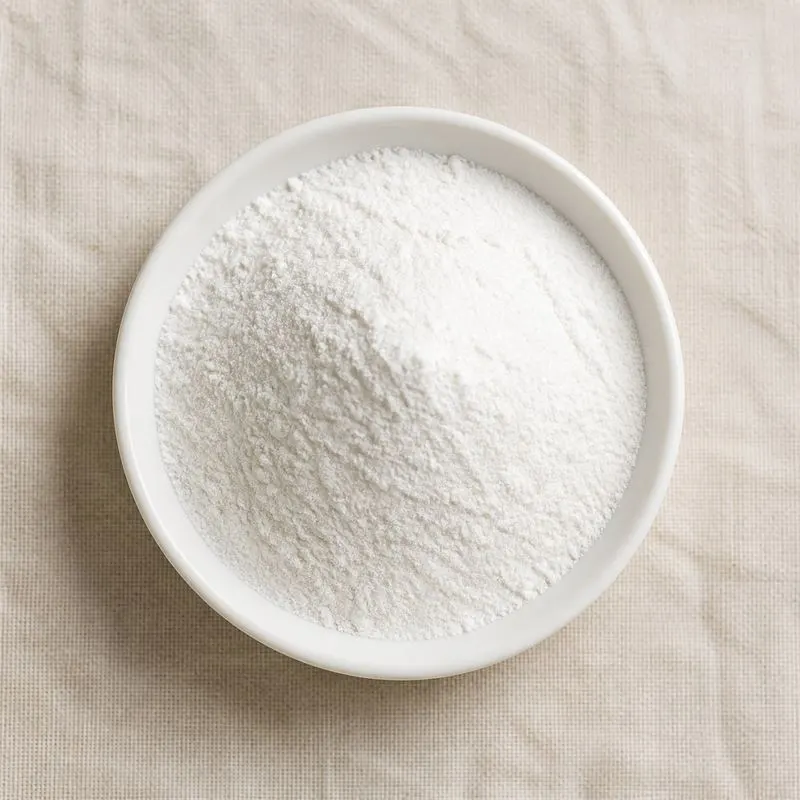
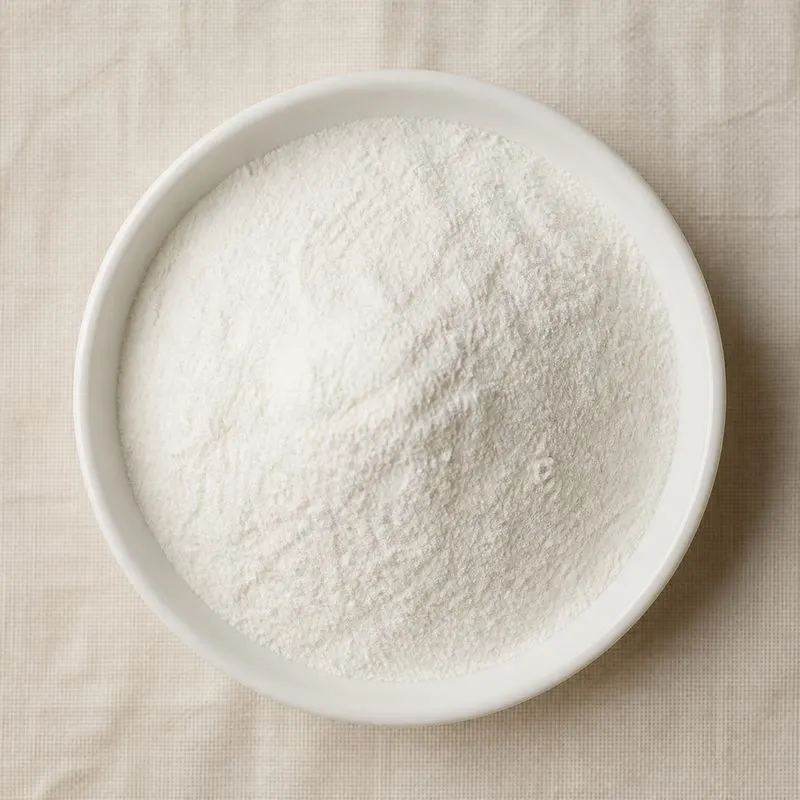
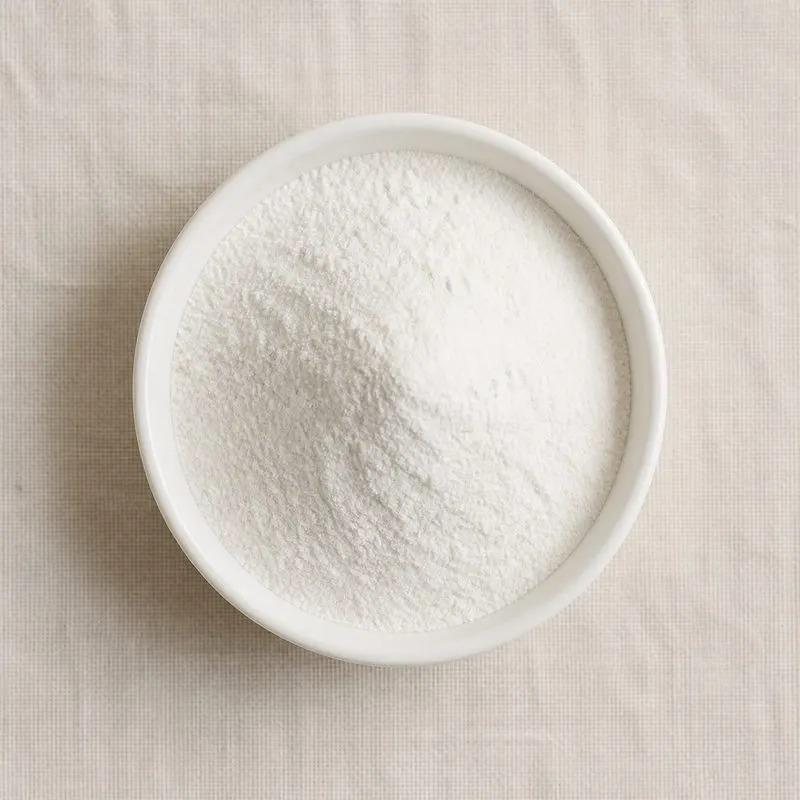
The dominant commercial forms are freeze dried powder and frozen pellets, both sold for direct vat inoculation, declared as colony forming units per gram or as the volume of milk one unit will inoculate. Powders are cream to light beige, hygroscopic, packed under nitrogen in foil laminate and held frozen or refrigerated, and frozen pellets require deep freeze storage throughout.
We source bulk Yogurt Starter Culture from top China manufacturers for our partners. The manufacturer is in Hebei. A smaller requirement can ship in a combined container with other ingredients.
Please send the grade you need, the volume and your destination port, and we will come back with a solution and a price.
or call +86-21-6858 0751
- Function
- Probiotic
Specifications
| Item | Specification |
|---|---|
| Appearance | Cream to light beige powder, or frozen pellets |
| Odour | Characteristic, faintly fermented |
| Viable Count | Conforms to declared potency, typically 10¹⁰ to 10¹² CFU/g |
| Strain Ratio | S. thermophilus to L. bulgaricus per declared blend |
| Acidification Activity | Reaches target pH in standard milk within specified time |
| Identification | 16S rRNA sequencing to species |
| Loss on Drying, dried format | ≤ 5.0% |
| Water Activity, dried format | ≤ 0.20 |
| Bacteriophage | Absent for the declared strains |
| Lead | ≤ 1.0 mg/kg |
| Arsenic | ≤ 1.0 mg/kg |
| Coliforms | ≤ 10 CFU/g |
| Yeast and Mould | ≤ 100 CFU/g |
| E. coli | Absent in 1 g |
| Salmonella | Absent in 25 g |
Common Markets Grades
Cultures are graded first by the strain blend, which determines acidification rate, final pH, post-acidification behaviour, texture and flavour. Ropy or exopolysaccharide producing blends are specified where a thick body is wanted without stabilisers, mild blends where post-acidification in the chill chain is the problem to solve, and fast blends where tank turnover matters most.
The second grading axis is format. Direct vat set cultures are highly concentrated freeze dried powders or frozen pellets dosed straight into the fermentation tank, which is now the standard industrial practice, while bulk starter cultures come at lower concentration for propagation in a starter tank before use. Phage resistant rotation sets, several blends of differing bacteriophage sensitivity intended to be used in sequence, are a standard offering because phage attack is the commonest cause of a slow or failed fermentation. Blends with added probiotic strains such as Bifidobacterium animalis subsp. lactis or Lacticaseibacillus are sold where a live culture claim beyond the two characterising organisms is wanted.
Applications
- Set and stirred yoghurt manufacture, the core application, inoculated into heat treated milk at 42 to 45 degrees Celsius
- Greek and strained yoghurt, where strain choice affects how the gel holds up to centrifugal separation
- Drinking yoghurt and fermented milk drinks, using blends selected for a smooth, low viscosity body
- Mozzarella and pasta filata cheese, where Streptococcus thermophilus based cultures drive the acidification
- Swiss and Italian hard cheeses, using thermophilic cultures suited to high cook temperatures
- Plant based yoghurt alternatives on oat, soy, coconut or almond bases, where the culture supplies acidity and flavour the base lacks
- Frozen yoghurt bases, fermented before freezing
- Yoghurt powder manufacture, where the fermented base is spray dried for dry blend applications
- Artisan and small scale dairy production, using retail sized freeze dried sachets
Brands Using Yogurt Starter Culture
Widely-distributed consumer products that list Yogurt Starter Culture on the ingredient label.
- Cultures for HealthBulgarian Yogurt Starter Culture ↗Dehydrated heirloom yogurt starter culture sold in single use packets, with the ingredient statement reading organic milk and live active cultures.Label verified 2026-08-31
- Cultures for HealthMild Flavor Yogurt Starter ↗A single use yogurt starter whose ingredients are lactose plus live active cultures of Bifidobacterium lactis, Lactobacillus acidophilus, L. delbrueckii subsp. bulgaricus, L. delbrueckii subsp. lactis and Streptococcus thermophilus.Label verified 2026-08-31
Brand names, product names and logos are the property of their owners. They appear here as published evidence that the ingredient is used, taken from the brand's own label or website. Their appearance is not an endorsement, and it does not mean the brand buys from us or from any manufacturer listed on this site.
China Manufacturers of Yogurt Starter Culture
Top Yogurt Starter Culture manufacturers in China.

Company names and logos are the property of the manufacturers themselves. They are listed here because our own directory records them as producing this ingredient. A listing is not an endorsement by them, and we do not represent them or speak on their behalf.
Regulatory Status
In the United States the two characterising organisms are named in the standard of identity for yogurt, so using them is a condition of calling the product yogurt rather than a free formulation choice. Starter cultures are established food organisms treated as generally recognised as safe for their intended use, and any organism without that history requires a GRAS determination. Heat treated product in which the cultures have been inactivated must be labelled to disclose that fact.
In the European Union starter cultures are food ingredients rather than food additives, so no E number applies. Both species hold qualified presumption of safety status at species level under the European Food Safety Authority framework. Member state rules generally reserve the designation yoghurt for products fermented with these two organisms and require the cultures to be live at the point of sale. Codex Alimentarius defines yoghurt in its Standard for Fermented Milks by reference to these two starter organisms and sets a minimum count of the characterising microorganisms in the product offered for sale, which in practice determines the dosing and the strain robustness a manufacturer needs.
Manufacturing Process
Each organism is grown separately, because Streptococcus thermophilus and Lactobacillus delbrueckii subsp. bulgaricus have different medium and temperature optima, and growing them together would let the blend ratio drift with conditions rather than being set deliberately. A working seed is drawn from a cryogenic master bank so that no culture is propagated indefinitely, and expanded through flask and seed fermenter stages into a production fermenter charged with a fermentable carbohydrate, a nitrogen source such as milk protein hydrolysate, yeast extract or a dairy free peptone, and mineral salts. The vessel is run at the organism's optimum temperature with pH held near neutral by automatic alkali dosing, since the lactic acid that makes the culture useful in milk would otherwise stop its own growth in the fermenter long before high cell density is reached.
At harvest the broth is concentrated by continuous centrifugation or membrane filtration into a cell cream and blended with cryoprotectants such as sucrose, trehalose, glycerol and a protein or hydrocolloid. Frozen cultures are pelletised in liquid nitrogen and moved straight to deep freeze storage, while freeze dried cultures are frozen and lyophilised until residual moisture falls to the low single figures, then milled. Both are assayed for viable count and for acidification activity in a standard milk substrate, blended to the specified strain ratio with carrier, and packed under nitrogen in foil laminate or sealed cans.