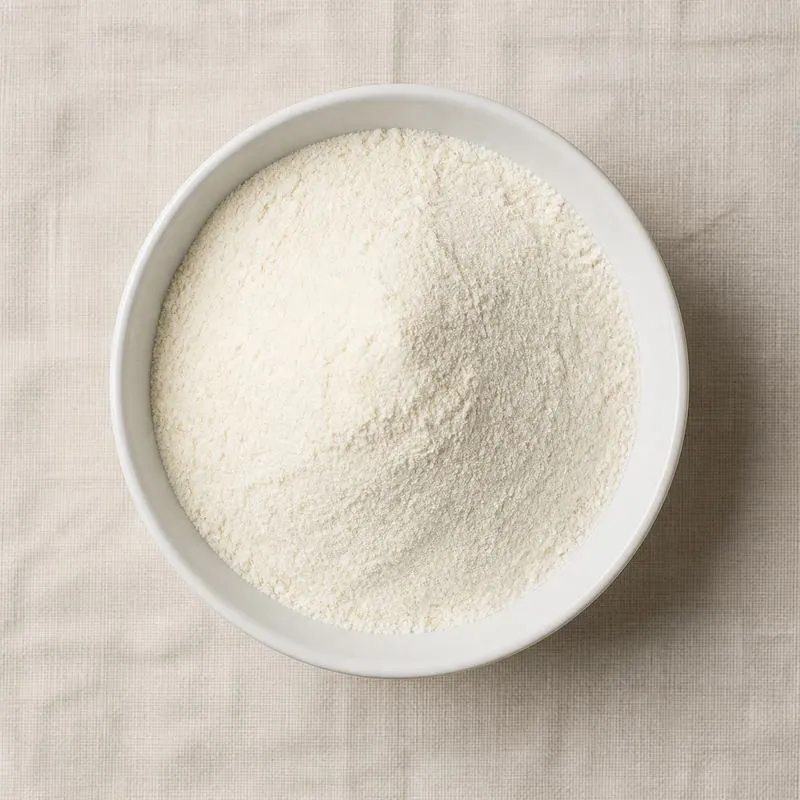
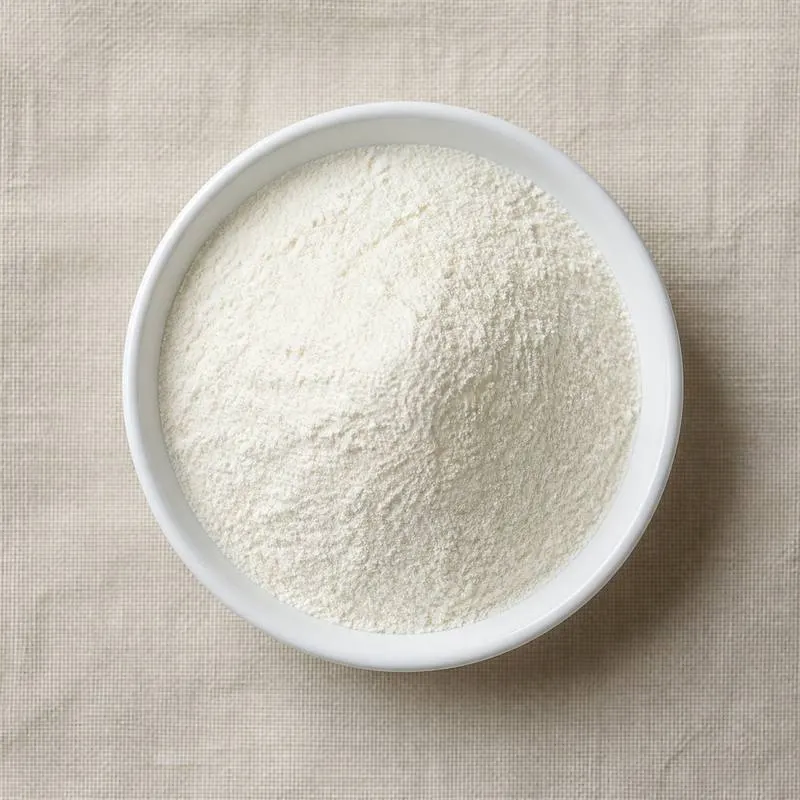
Abalone Peptide
Abalone Peptide is an enzymatic hydrolysate prepared from the muscular foot of marine gastropods of the genus Haliotis, processed into a water-soluble protein fraction with a low average molecular weight.
The ingredient sits in the premium tier of marine peptides. It carries the cultural weight of abalone as a traditional Chinese tonic food and a comparatively rich amino acid profile that includes taurine, arginine, and glutamic acid.
We source bulk Abalone Peptide from top China manufacturers for our partners. The manufacturers are in Fujian and Shandong. A smaller requirement can ship in a combined container with other ingredients.
Please send the grade you need, the volume and your destination port, and we will come back with a solution and a price.
or call +86-21-6858 0751
- Packaging
- 25 kg kraft paper bag with PE inner liner
- ISO 9001
- HACCP
- Halal
- Kosher
Specifications
| Item | Specification |
|---|---|
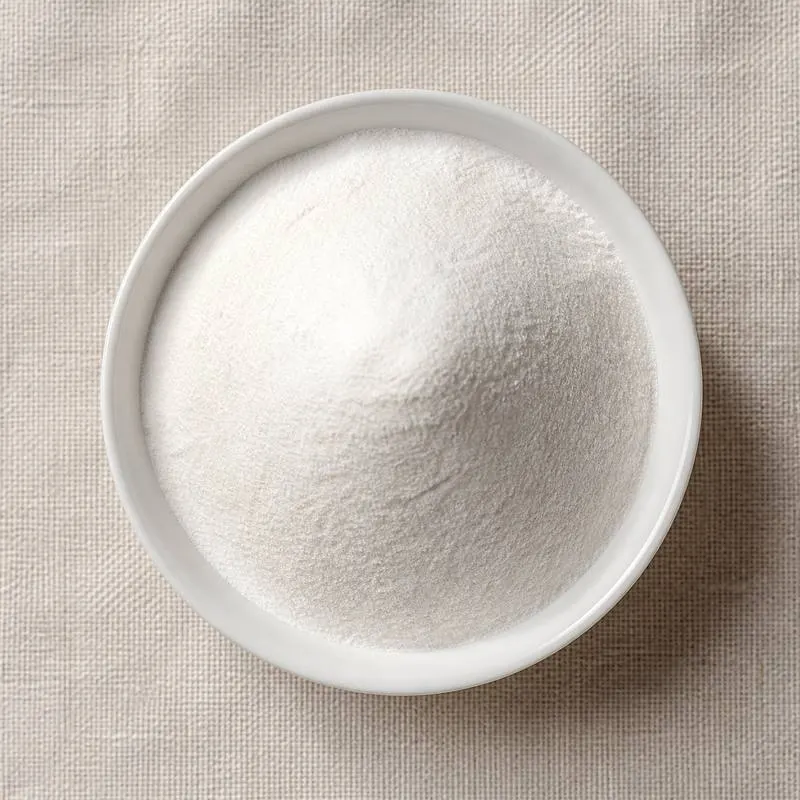
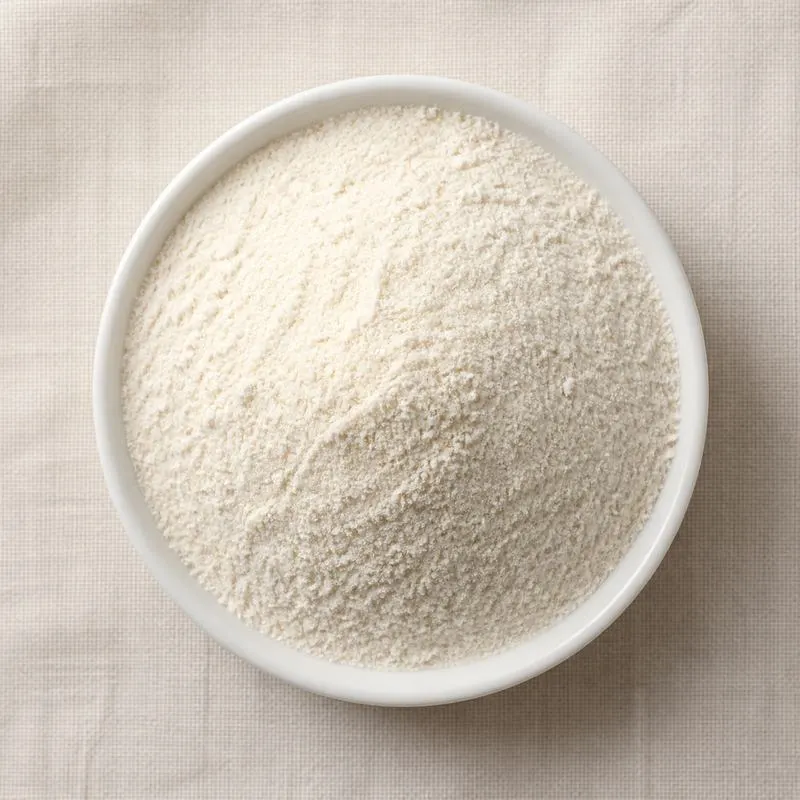
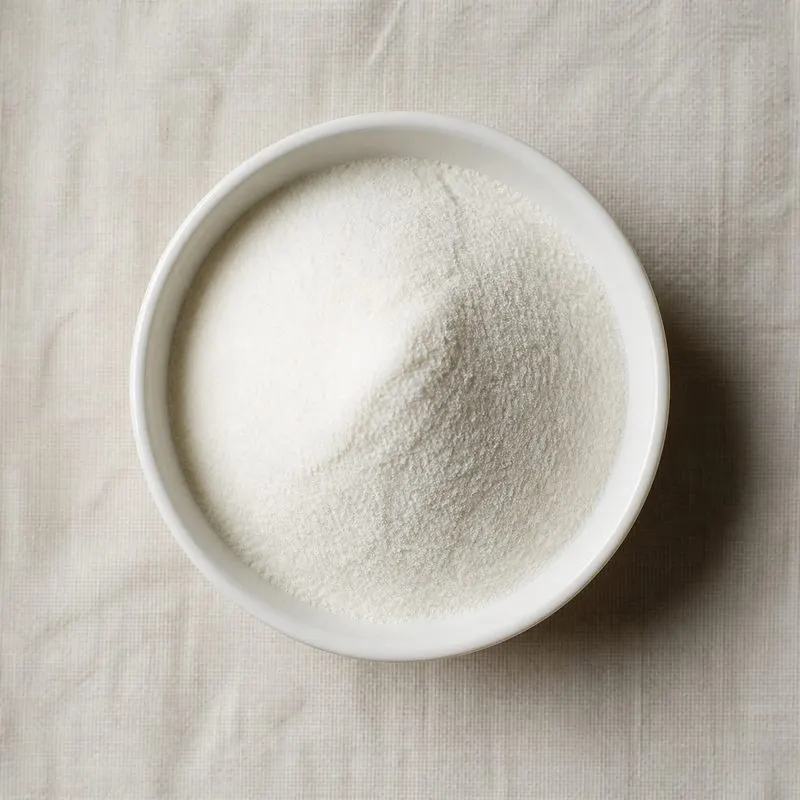
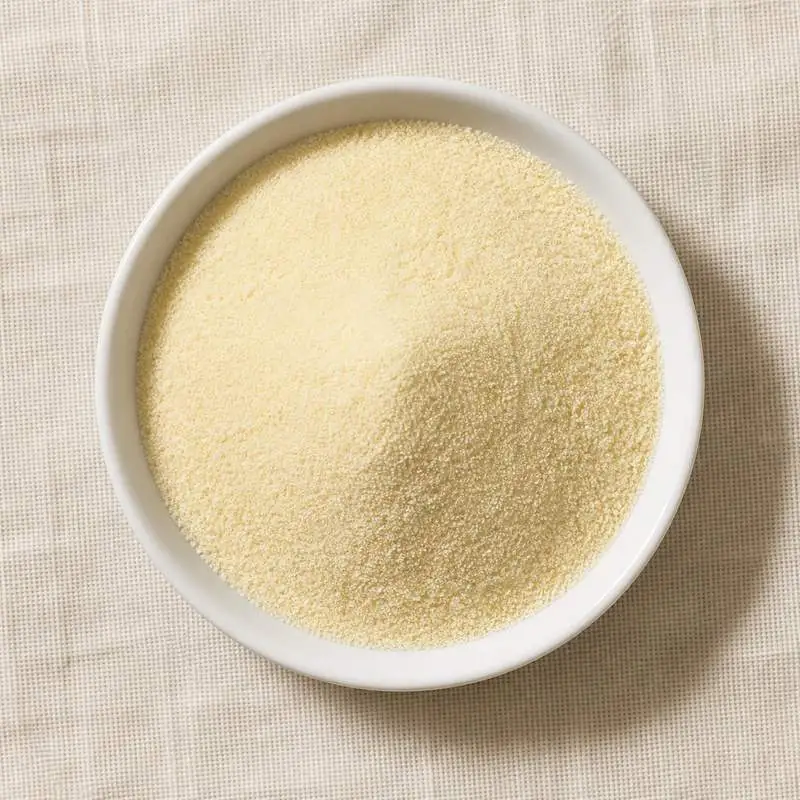
| Appearance | Light yellow to yellow-brown fine powder |
| Protein (dry basis) | ≥ 80% |
| Molecular Weight | ≤ 1000 Da (≥ 80%) |
| Moisture | ≤ 7.0% |
| Ash | ≤ 8.0% |
| Heavy Metals (as Pb) | ≤ 1.0 mg/kg |
| Total Plate Count | ≤ 10,000 cfu/g |
| Salmonella | Absent in 25g |
| Peptide Content (%) | ≥40 |
| Coliforms (cfu/g) | n=5 , c=2 , m=10 , M=100 |
| Pathogens (cfu/g) | Not detectable |
Common Markets Grades
Abalone Peptide is differentiated mainly by the molecular weight distribution of the hydrolysate.
Standard food grade typically targets an average molecular weight between 1000 and 3000 Daltons, with around 85 to 90 percent of peptides below 5000 Daltons. This grade suits beverages, instant powders, and capsule fills where solubility and a clean mouthfeel are the priority.
Oligopeptide grade is hydrolysed further, with most fragments below 1000 Daltons. It is the format used in concentrated tonic drinks and in clinical nutrition formats aimed at convalescent and elderly consumers.
Producers also distinguish by raw material source. Whole-muscle hydrolysates command a higher price than viscera or trimming-based material, and several Chinese suppliers carry separate SKUs for farmed Haliotis discus hannai versus mixed wild-source material.
Applications
- Premium tonic beverages and oral liquid shots positioned in the traditional Chinese health-food segment
- Capsule and tablet supplements marketed for general vitality and recovery
- Instant powders for reconstitution in hot water, often blended with sea cucumber or ginseng extracts
- Functional jellies and konjac-based snacks targeting the senior consumer
- Clinical nutrition formats for post-surgical and convalescent feeding programs
- Sports nutrition blends seeking a marine amino acid source distinct from whey
- Skincare essences and serums where small peptides are positioned for film-forming and moisturizing claims
- Hair-care ampoules in the high-end Asian salon channel
- Soup bases and savory seasonings where the natural umami of abalone hydrolysate is desirable
- Pet supplements for senior cats and dogs in the premium Asian market
Brands Using Abalone Peptide
Widely-distributed consumer products that list Abalone Peptide on the ingredient label.
- Real ElixirReal Elixir Abalone Collagen Peptide 100 g ↗A Thai supplement powder blending abalone-derived peptide with tilapia fish-scale collagen peptides, taken 2 tsp at a time in water.Label verified 2026-05-24
- AOVA (Phuket Abalone)AOVA Abalone Collagen Cold-Pressed Drink ↗A Thai cold-pressed bottled drink containing small-molecule hydrolysed abalone collagen peptides and pomegranate.Label verified 2026-05-24
Brand names, product names and logos are the property of their owners. They appear here as published evidence that the ingredient is used, taken from the brand's own label or website. Their appearance is not an endorsement, and it does not mean the brand buys from us or from any manufacturer listed on this site.
China Manufacturers of Abalone Peptide
Top Abalone Peptide manufacturers in China.
- Fujian Public Health Biotechnology Co., Ltd.4 ingredients in the directory
 Shandong Hailongyuan Bio-tech Co., Ltd.10 ingredients in the directory
Company names and logos are the property of the manufacturers themselves. They are listed here because our own directory records them as producing this ingredient. A listing is not an endorsement by them, and we do not represent them or speak on their behalf.
How We Help Source Abalone Peptide
Direct Factory Sourcing
We run the whole process: selecting the manufacturer from the top Chinese food ingredient producers, negotiating the price, verifying quality, and coordinating the logistics. You deal with us instead of with several factories at once.
Original Packaging and Documents from the Manufacturer
The manufacturer sends your Abalone Peptide out of its own factory in the original packing, through to your destination port. The COA, COO, MSDS, TDS and any certifications reach you from the manufacturer as well.
Free Samples and Lead Time
We send 100 to 500 g free for your own laboratory to test and you cover only the courier, usually within 2 to 3 working days. ETD is usually within 7 to 15 days once the order is confirmed, and we check that date against the factory's own manufacturing schedule before we give it to you.
Combined Shipment
We can load Abalone Peptide together with other ingredients such as Collagen Peptide, Soy Protein Isolate and Fish Collagen Peptide into one 20' FCL. If your quantity is small, we can also ship LCL.
Regulatory Status
Abalone Peptide is treated as a conventional food ingredient in China, where it falls under general food protein hydrolysate provisions and the National Health Commission regulates it.
Several specific abalone hydrolysate products have been registered in China's Blue Hat health-food system, which authorises function claims after dossier review.
In the United States it is treated as a food ingredient under self-affirmed GRAS, provided the supplier has documented the safety of the source species and process. Imports are subject to FDA seafood HACCP requirements.
The European Union treats whole abalone as a traditional food, so hydrolysates from Haliotis species generally do not require novel food authorisation, but allergen labelling for molluscs is mandatory.
Japan permits the ingredient as a food, and several abalone peptide products have been notified under the Foods with Function Claims (FFC) system.
Manufacturing Process
Production begins with cleaning and grinding of abalone muscle, often using trim and undersized animals from aquaculture operations to keep raw material cost in check.
The slurry is adjusted to a controlled pH and temperature, then digested with food-grade proteases. Alcalase, flavourzyme, papain, and bromelain are the most common enzymes, used singly or in sequence to reach the target degree of hydrolysis without generating excessive bitterness.
After enzymatic digestion the mixture is heat-inactivated, centrifuged, and filtered through successive membranes. Ultrafiltration with a 5 or 10 kDa cutoff removes residual high molecular weight proteins and most of the lipid fraction.
The clarified permeate is decolorised with activated carbon, concentrated under vacuum, and spray-dried. The finished powder is typically off-white to light beige, with a mild marine aroma that producers may further mask with cyclodextrin or yeast extract for beverage use.