Apple Cider Vinegar
Apple cider vinegar is the vinegar obtained by the complete alcoholic and subsequent acetous fermentation of apple juice or apple must. Its defining component is acetic acid, typically 4 to 6 grams per 100 mL in the standard trade article, carried in a matrix of residual malic acid, apple derived sugars, polyphenols and volatile esters that give it a fruitier, rounder profile than distilled white vinegar.
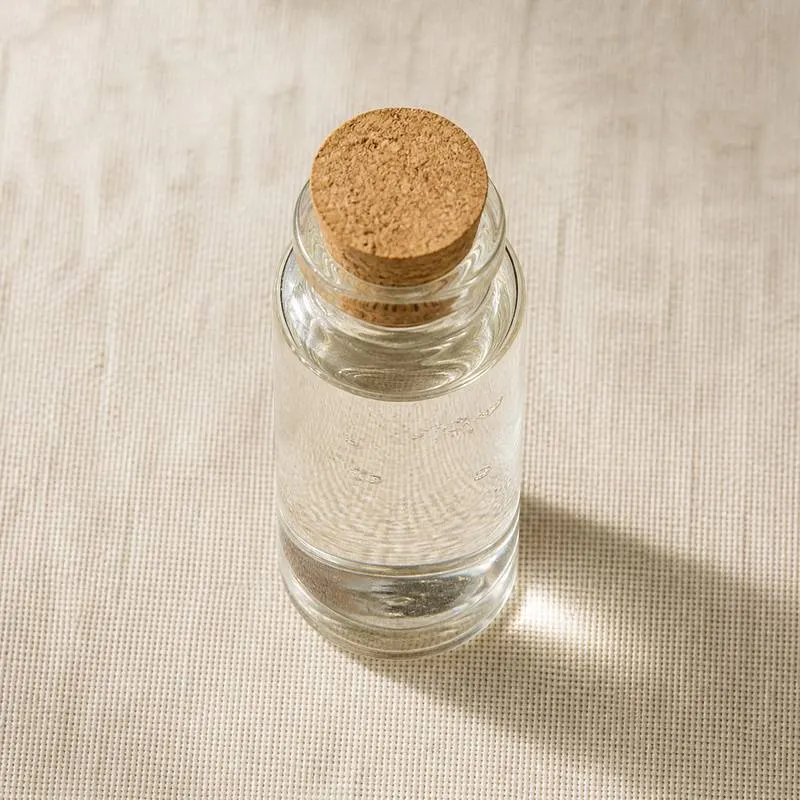
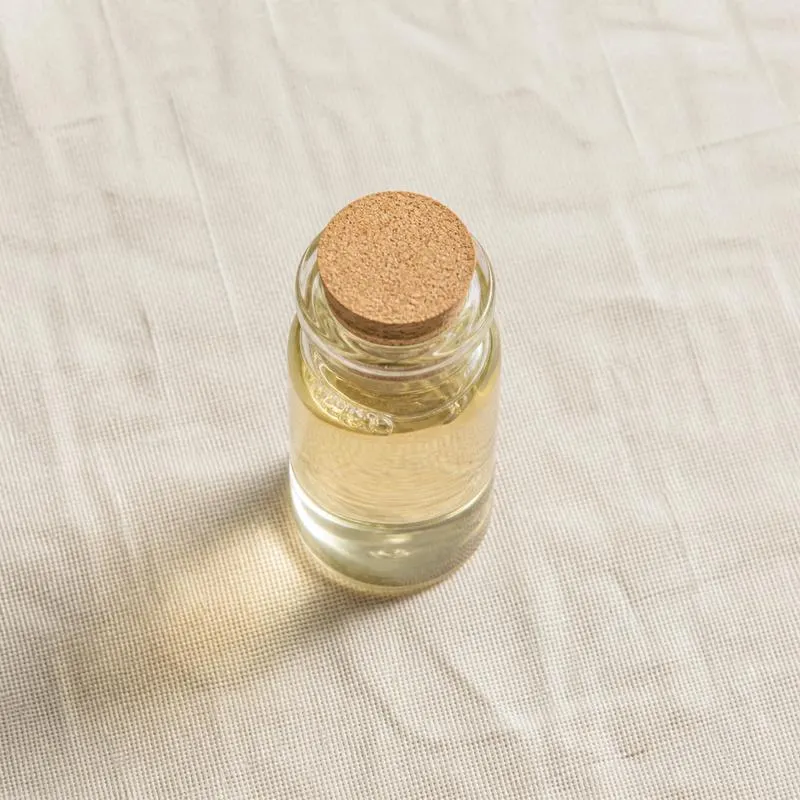
The liquid ranges from pale straw to amber depending on the apple stock and the degree of filtration and ageing. Unfiltered material carries a cloudy suspension of cellulose and acetic acid bacteria known as the mother, which settles as a veil in the bottle. Filtered material is bright and clear. Density sits a little above water and pH is generally between 2.5 and 3.5.
As an ingredient it is fully miscible with water and with most aqueous food systems, and its acidity is stable through cooking, although the volatile aroma fraction is progressively lost with heat. In processing terms it functions simultaneously as an acidulant, a flavouring and an antimicrobial, the acetic acid acting against a broad range of spoilage organisms and against Listeria in ready to eat foods.
We source bulk Apple Cider Vinegar from top China manufacturers for our partners. The manufacturers are in Shandong and Zhejiang. A smaller requirement can ship in a combined container with other ingredients.
Please send the grade you need, the volume and your destination port, and we will come back with a solution and a price.
or call +86-21-6858 0751
- Function
- Acidulant
Specifications
| Item | Specification |
|---|---|
| Appearance | Clear to lightly hazy liquid, free from foreign matter |
| Odour and Flavour | Characteristic apple vinegar, free from off notes |
| Total Acidity as Acetic Acid | 5.0 percent minimum, table strength |
| pH | 2.5 to 3.5 |
| Residual Alcohol | Not more than 0.5 percent by volume |
| Specific Gravity, 20 degrees Celsius | 1.013 to 1.024 |
| Total Solids | 1.0 to 2.5 percent |
| Sulphur Dioxide | Not more than 10 mg per kg |
| Lead | Not more than 0.5 mg per kg |
| Arsenic | Not more than 0.2 mg per kg |
| Total Plate Count | Not more than 100 cfu per mL, pasteurised grade |
| Yeast and Mould | Not more than 50 cfu per mL, pasteurised grade |
| Escherichia coli | Absent in 10 mL |
| Salmonella | Absent in 25 mL |
Common Markets Grades
Grain of acidity is the primary trading specification. Table strength is commonly 5 percent acetic acid, while industrial or double strength material at 10 to 20 percent is sold to food manufacturers who dilute in their own formulation and pay less to freight water. Within any strength the market divides into filtered and pasteurised vinegar, which is clear and shelf stable, and raw unfiltered vinegar with the mother, which is sold unpasteurised for the natural and supplement trade and carries a visible sediment as part of the specification rather than as a defect.
Beyond strength and filtration, offers are distinguished by whether the fruit stock is certified organic, by whether the vinegar is made from pressed juice or from concentrate, and by colour, since juice from concentrate and longer oak ageing both darken the product. A spray dried powder is also traded, in which the vinegar is carried on maltodextrin or a modified starch at roughly 4 to 12 percent acetic acid, for dry seasoning blends and encapsulated supplement use.
Applications
- Salad dressings, mayonnaise and emulsified sauces, as the acid phase that sets pH and contributes the fruity apple note
- Pickles, relishes and pickled vegetables, as the acidifying brine that preserves the pack and controls texture
- Barbecue and marinade sauces, where the malic and acetic acid balance is characteristic of several regional styles
- Ready to eat meat and poultry, as a clean label antimicrobial that suppresses Listeria monocytogenes in place of a declared chemical preservative
- Bakery, as a dough acidifier that supports sourdough character and delays mould in packaged breads
- Chutneys, ketchups and fruit condiments, as an acid that complements rather than flattens the fruit base
- Shrubs, switchels and drinking vinegars in the beverage trade, where the flavour rather than the acidity is the point
- Dietary supplements, sold as capsules, gummies and the spray dried powder for the consumer wellness market
- Seasoning powders and snack coatings, using the dried form to deliver a salt and vinegar profile without adding moisture
Brands Using Apple Cider Vinegar
Widely-distributed consumer products that list Apple Cider Vinegar on the ingredient label.
- BraggOrganic Apple Cider Vinegar with the Mother ↗Bragg lists organic apples and water as the ingredients and describes the bottle as raw, unfiltered apple cider vinegar naturally fermented with the mother.Label verified 2026-08-31
- GoliApple Cider Vinegar Gummies ↗Apple cider vinegar powder heads the ingredient list and the panel states 500 mg of apple cider vinegar per gummy.Label verified 2026-08-31
Brand names, product names and logos are the property of their owners. They appear here as published evidence that the ingredient is used, taken from the brand's own label or website. Their appearance is not an endorsement, and it does not mean the brand buys from us or from any manufacturer listed on this site.
China Manufacturers of Apple Cider Vinegar
Top Apple Cider Vinegar manufacturers in China.
- Lvjie Co., Ltd.1 ingredient in the directory
 Zhejiang Tiansheng Food Co., Ltd.8 ingredients in the directory
Company names and logos are the property of the manufacturers themselves. They are listed here because our own directory records them as producing this ingredient. A listing is not an endorsement by them, and we do not represent them or speak on their behalf.
Regulatory Status
In the United States vinegar has no formal standard of identity, but the Food and Drug Administration sets out its labelling expectations in a compliance policy guide, under which a product sold as vinegar must contain at least 4 grams of acetic acid per 100 millilitres, and cider vinegar must be made from the alcoholic and acetous fermentation of apple juice. Vinegar is a traditional food rather than a food additive, so it is used without a food additive listing, and acetic acid itself is affirmed as generally recognised as safe.
In the European Union vinegar is regulated as a food rather than as an additive, so no E number applies to it, although acetic acid used as a purified additive carries E 260. Composition, labelling and the reservation of the name are handled under general food law and national provisions. Codex Alimentarius has a regional standard for vinegar setting minimum acetic acid content and defining cider vinegar by its raw material, and the product falls under the Codex general principles of food hygiene for its production.
Manufacturing Process
Production runs in two fermentations. Apples, usually cider or juice grade fruit rather than dessert varieties, are washed, milled and pressed to juice, or reconstituted from concentrate where the plant is not adjacent to an orchard. The juice is inoculated with Saccharomyces cerevisiae and fermented anaerobically until the sugars are converted to roughly 5 to 8 percent ethanol, giving a hard cider base. Racking or coarse filtration removes yeast lees.
The cider is then oxidised to vinegar by acetic acid bacteria of the Acetobacter and Gluconacetobacter genera. Most industrial volume is made by submerged fermentation in an acetator, where air is dispersed through the liquid under close temperature and dissolved oxygen control and a batch converts in one to three days. Traditional generator and surface methods, in which the liquid trickles over a packed bed of beechwood shavings or sits undisturbed under a bacterial film, are still used for slower, more aromatic vinegars and take weeks. The finished vinegar is aged briefly in tank or wood to let harsh notes settle, then clarified by settling, filtration or bentonite fining, standardised to the target acidity with water, and pasteurised in a plate heat exchanger before filling. Raw grades skip pasteurisation and are simply coarse filtered or left unfiltered.