Astaxanthin Microcapsule
Astaxanthin microcapsule is a formulated delivery form of astaxanthin, a red orange xanthophyll carotenoid, in which the oil soluble pigment is emulsified into a protective matrix and dried into free flowing particles. The active is usually the astaxanthin rich oleoresin extracted from the microalga Haematococcus pluvialis, in which the carotenoid occurs largely as mono and diesters of fatty acids, although synthetic astaxanthin is also microencapsulated for feed and for some technical uses.
Astaxanthin itself is a dark red crystalline solid, insoluble in water and only sparingly soluble in oil, and it oxidises quickly on exposure to air, light and heat. Microencapsulation addresses all of these limitations at once. The matrix, typically modified starch, gum acacia, gelatin or a protein with a sugar, holds the carotenoid as sub-micron droplets, excludes oxygen, and makes the product disperse in cold water to a stable pink to orange suspension.
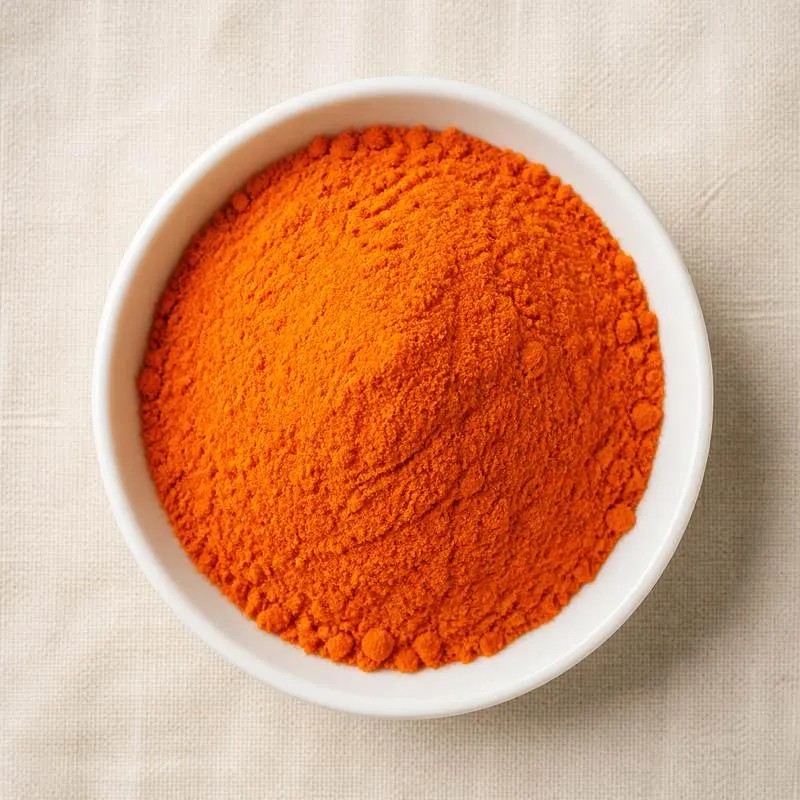
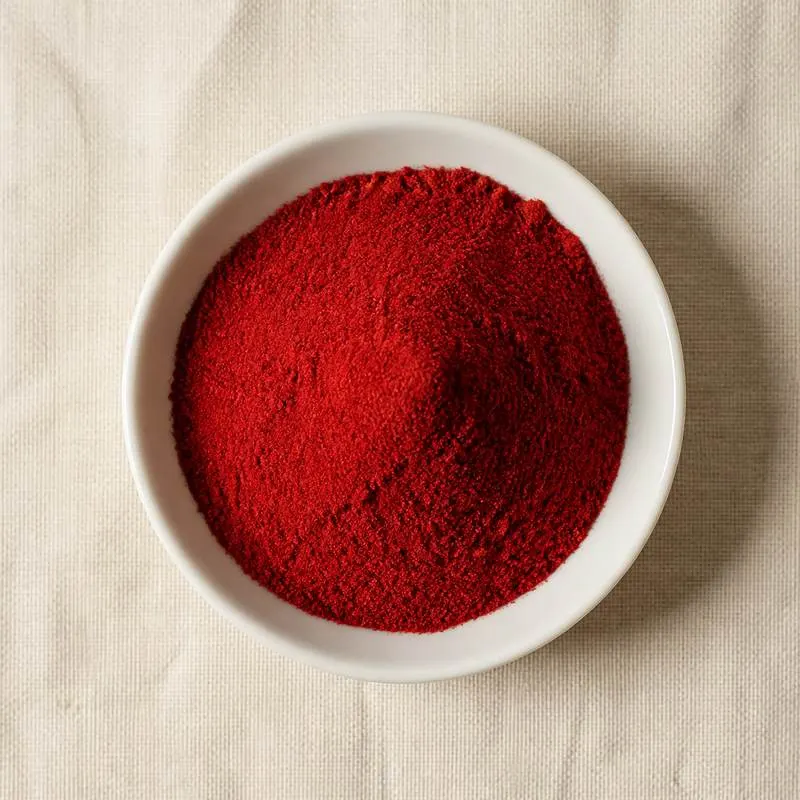
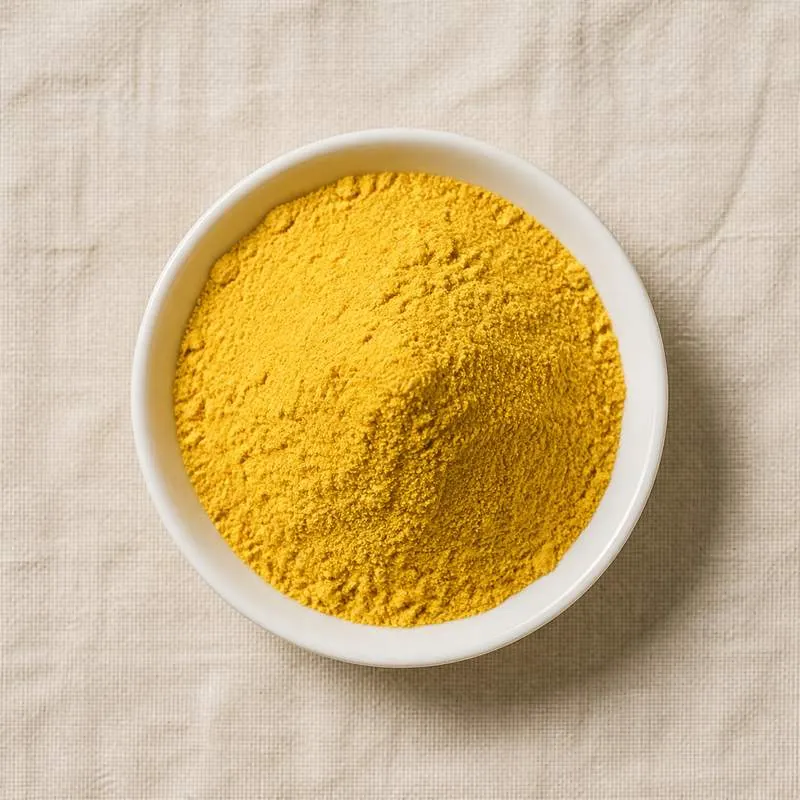
The product is a red to dark red powder or spherical beadlets, at astaxanthin contents from about 1 to 10 percent. In water it disperses rather than dissolves, giving a cloudy pink dispersion at low dosage. Stability in a finished product depends far more on the matrix and the antioxidant system than on the astaxanthin content, so grades are selected on application rather than on assay alone.
We source bulk Astaxanthin Microcapsule from top China manufacturers for our partners. The manufacturer is in Hubei. A smaller requirement can ship in a combined container with other ingredients.
Please send the grade you need, the volume and your destination port, and we will come back with a solution and a price.
or call +86-21-6858 0751
- Function
- Colorant
Specifications
| Item | Specification |
|---|---|
| Appearance | Red to dark red free flowing powder or beadlets |
| Total Astaxanthin | 2.0% minimum |
| Identification | Absorption maximum at 470 to 478 nm in dichloromethane |
| Matrix | Modified starch, gum acacia and sucrose |
| Particle Size | 90% through 40 mesh |
| Loss on Drying | 6.0% maximum |
| Sulphated Ash | 5.0% maximum |
| Peroxide Value | 10 meq/kg maximum |
| Lead | 2 mg/kg maximum |
| Arsenic | 1 mg/kg maximum |
| Cadmium | 1 mg/kg maximum |
| Total Plate Count | 1000 cfu/g maximum |
| Yeast and Mould | 100 cfu/g maximum |
| Salmonella | Absent in 25 g |
Common Markets Grades
Grades are defined first by astaxanthin content, commonly 1.0, 2.0, 2.5, 5.0 and 10.0 percent, and second by the matrix, which sets the dispersion behaviour. Cold water dispersible beadlets on modified starch or gum acacia are used in beverages and in dry blends. Gelatin matrix beadlets are used where a harder shell and higher oxidative protection are wanted, and a fish gelatin or plant protein version is made for products that must avoid bovine and porcine materials. Cross linked beadlets are produced for feed premixes, where the particle must survive extrusion and pelleting.
Alongside the powders, the same oleoresin sells in oil suspension at 2.5 to 10 percent and as a ready diluted liquid emulsion, both of which sit outside the microcapsule family but compete for the same applications. Specifications state the source, algal or synthetic, because the ester profile and the stereochemistry differ, and separate grades exist for human supplement use and for aquaculture feed. Particle size, residual moisture and the declared antioxidant system, usually tocopherols with ascorbyl palmitate, are the remaining points of differentiation.
Applications
- Dietary supplement tablets, two piece capsules and sachets, where the dry form allows direct blending without an oil filling line
- Gummy and chewable supplements, in which the matrix protects the carotenoid through the depositing step
- Functional beverages and powder drink mixes, using cold water dispersible beadlets for a stable pink dispersion
- Dairy and yoghurt drinks positioned on carotenoid content
- Salmon and trout feed, where astaxanthin deposits in the flesh and produces the expected pink colour
- Shrimp and ornamental fish feed, contributing to shell and skin pigmentation
- Poultry feed, deepening yolk colour where local rules permit the use
- Sports nutrition powders and meal replacement blends
- Pet food and pet supplements formulated on antioxidant claims
- Cosmetic powder and tablet forms where an oil soluble carotenoid must be handled dry
China Manufacturers of Astaxanthin Microcapsule
Top Astaxanthin Microcapsule manufacturers in China.

Company names and logos are the property of the manufacturers themselves. They are listed here because our own directory records them as producing this ingredient. A listing is not an endorsement by them, and we do not represent them or speak on their behalf.
Regulatory Status
In the United States, astaxanthin is listed as a colour additive exempt from certification for use in the feed of salmonid fish, with a related dimethyldisuccinate ester listed alongside it, and these listings are the basis of its aquaculture use. For human consumption, astaxanthin rich extracts of Haematococcus pluvialis trade as dietary ingredients, with several preparations the subject of new dietary ingredient notifications and generally recognised as safe conclusions covering specified food and supplement uses. There is no general colour additive listing permitting astaxanthin to be used to colour human food, so intended use must be checked against the specific authorisation held.
In the European Union astaxanthin is authorised as a feed additive for salmon, trout and ornamental fish, and astaxanthin rich oleoresin from Haematococcus pluvialis is authorised as a novel food for use in food supplements under Regulation (EU) 2015/2283 with defined conditions of use. Astaxanthin carries the colour identifier E 161j, but it is not listed for general food colouring in the annexes of Regulation (EC) No 1333/2008. JECFA has considered astaxanthin in the context of its feed and supplement uses, and it is not carried as a general purpose colour in the Codex General Standard for Food Additives.
Manufacturing Process
The starting material is astaxanthin oleoresin. In the algal route Haematococcus pluvialis is grown first in a green vegetative stage in photobioreactors, then stressed by high light and nutrient limitation so that it forms thick walled red cysts loaded with astaxanthin esters. The biomass is harvested, the resistant cell wall is broken by bead milling or high pressure homogenisation, and the material is dried. Supercritical carbon dioxide extraction then recovers an oleoresin of roughly 5 to 20 percent astaxanthin, which is standardised in a vegetable oil and stabilised with tocopherols.
Microencapsulation follows. The oleoresin is warmed and dispersed into an aqueous solution of the wall material, and the mixture is passed through a high pressure homogeniser to a droplet size well below one micrometre, since fine droplets both stabilise the emulsion and set the final shade. The emulsion is then dried. Spray drying into a starch bed gives a conventional powder; spray granulation or a spray in fluid bed process gives spherical beadlets with a smoother surface and better flow. Some lines add a secondary coating step and a cross linking treatment for feed grades. The dried product is screened to specification, packed under nitrogen and protected from light.