L-Carnosine
L-Carnosine is a naturally occurring dipeptide composed of beta-alanine and L-histidine, with the formula C₉H₁₄N₄O₃ and CAS 305-84-0.
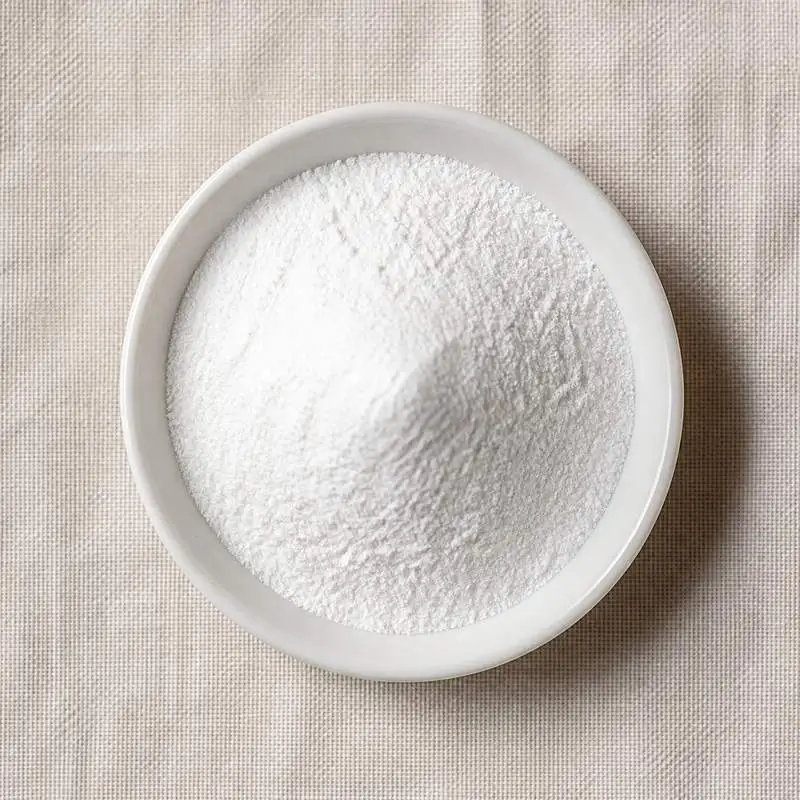
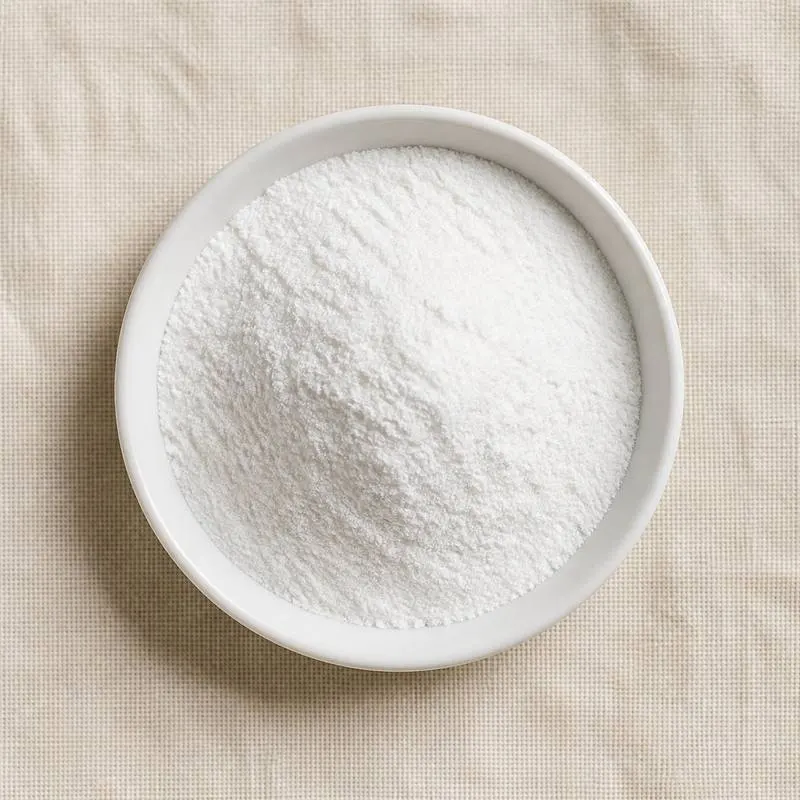
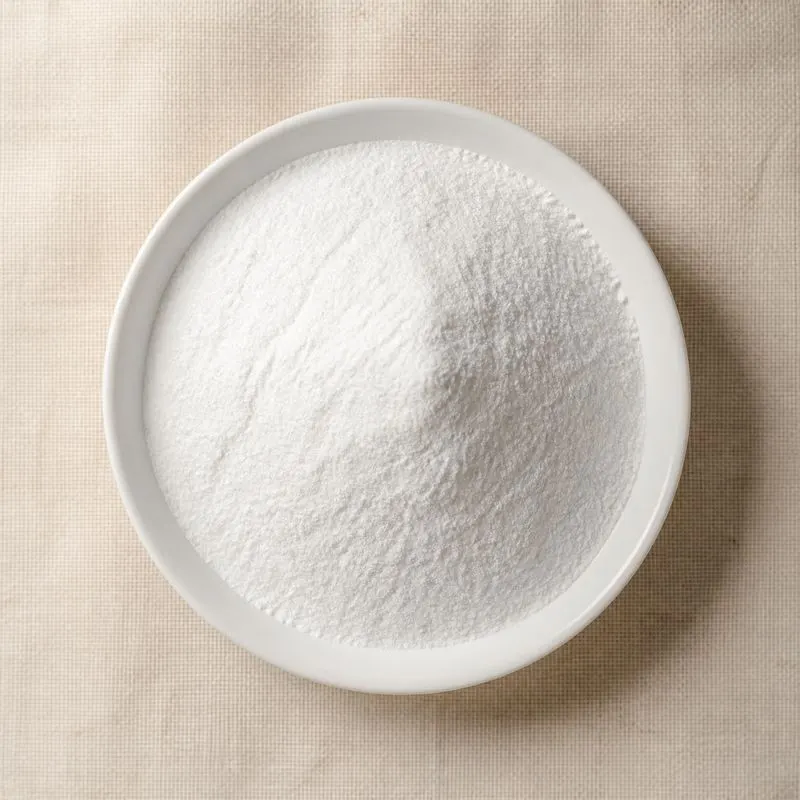
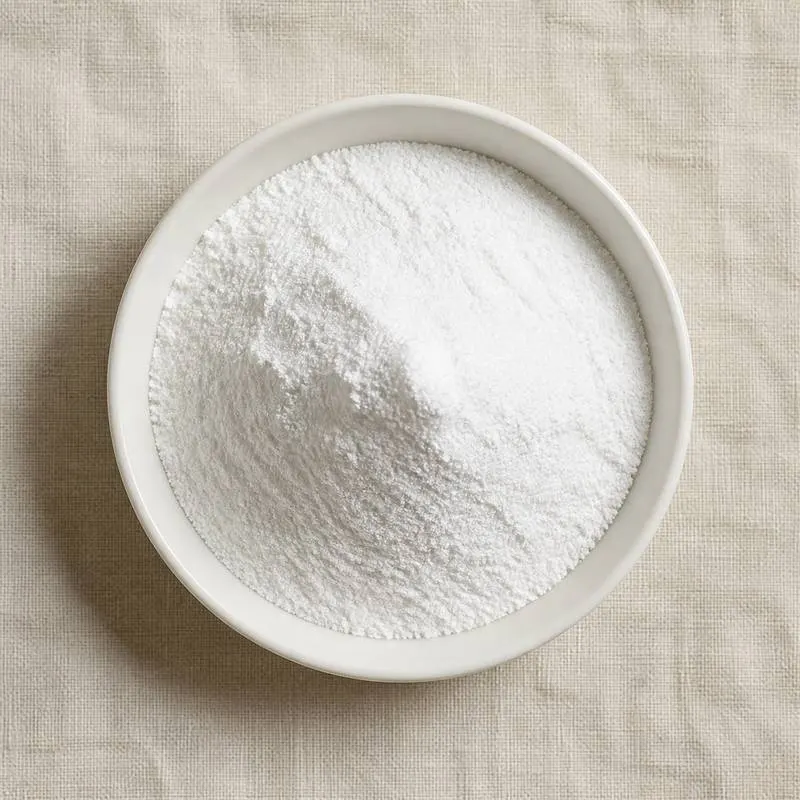
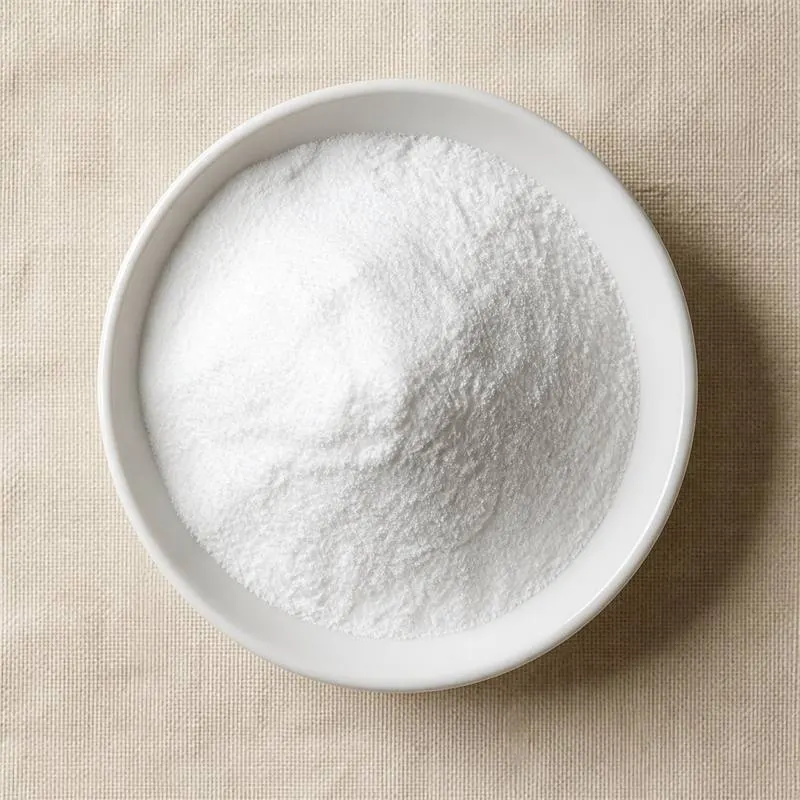
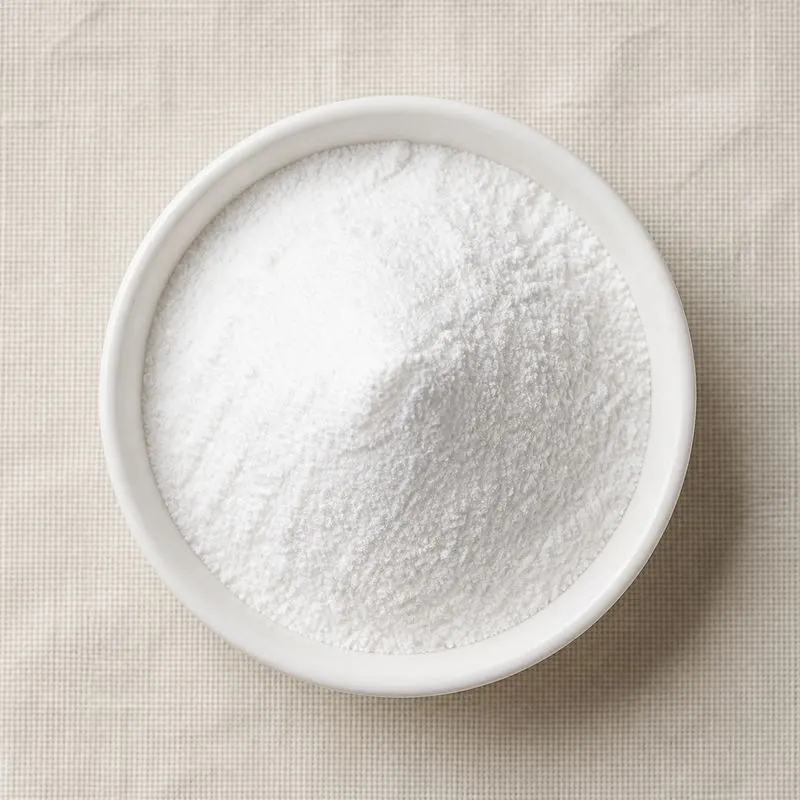
The molecule is a white crystalline powder, freely soluble in water, and accumulates to high concentrations in skeletal muscle, brain, and other long-lived tissues of vertebrates. It functions as an intracellular pH buffer, a metal-ion chelator, and an antiglycation agent, and is used in supplements and topical cosmetic actives.
We source bulk L-Carnosine from top China manufacturers for our partners, working with several of them. The manufacturers are in Anhui, Jiangsu and Hebei. For this ingredient the minimum order is 500 kg and a 20-foot container takes 9 MT, and a smaller requirement can ship in a combined container with other ingredients.
Please send the grade you need, the volume and your destination port, and we will come back with a solution and a price.
or call +86-21-6858 0751
- Minimum order
- 500 kg
- Qty in 20' FCL
- 9 MT
- Packaging
- 25 kg kraft paper bag with PE inner liner
- ISO 9001
- HACCP
- Halal
- Kosher
Specifications
| Item | Specification |
|---|---|
| Appearance | White crystalline powder, odourless |
| Identification (IR and HPLC) | Conforms to reference standard |
| Assay (HPLC, on dried basis) | ≥ 98.5% |
| Specific Rotation [α]D²⁰ | +20.5° to +23.5° (c = 2, water) |
| Appearance of Solution (5% w/v) | Clear and Colourless |
| pH (5% aqueous solution) | 7.0 – 9.0 |
| Loss on Drying | ≤ 0.5% |
| Residue on Ignition | ≤ 0.1% |
| Chloride (as Cl) | ≤ 0.02% |
| Sulfate (as SO₄) | ≤ 0.02% |
| Related Substances (HPLC, total) | ≤ 1.0% |
| Heavy Metals (as Pb) | ≤ 10 mg/kg |
| Arsenic (as As) | ≤ 1 mg/kg |
| Total Plate Count | ≤ 1,000 cfu/g |
| Pathogens (E. coli, Salmonella) | Negative/25g |
Common Markets Grades
L-carnosine is graded in two principal commercial tiers.
Supplement and cosmetic grade at 98 to 99 percent assay is the volume format for oral capsules, anti-glycation skincare, and ophthalmic adjunct products. Material is a fine crystalline powder with characterised particle size and low residual solvents.
Pharmaceutical grade at 99.5 percent or higher with full impurity profiling supports registered medicinal use in markets where carnosine and its zinc salt are licensed for specific indications such as gastric mucosal protection.
Specialty derivatives include zinc L-carnosine (polaprezinc), a 1:1 chelate of zinc and carnosine, and N-acetyl-L-carnosine, a more lipophilic analog used in topical ophthalmic preparations. Both carry separate specifications.
Applications
- Anti-aging and antiglycation dietary supplements positioned for healthy aging
- Sports nutrition supplements for muscle pH buffering and endurance
- Cosmetic serums and creams targeting glycation-induced skin damage
- Eye drop and ophthalmic formulations for senile cataract adjunct research
- Zinc L-carnosine gastric supplements for mucosal protection and ulcer support
- Topical wound healing formulations and post-procedure recovery creams
- Cognitive support supplements positioned for neuroprotection in older adults
- Veterinary supplements for senior dogs and performance horses
- Functional foods and beverages in the longevity and healthy aging category
- Reference standard in protein glycation and AGE-formation research
- Pharmaceutical raw material for synthesis of carnosine derivatives
- Component of combination supplements with alpha-lipoic acid and benfotiamine
Brands Using L-Carnosine
Widely-distributed consumer products that list L-Carnosine on the ingredient label.
- NOW FoodsL-Carnosine 500 mg Veg Capsules ↗Each vegetable capsule delivers 500 mg L-carnosine (beta-alanyl-L-histidine).Label verified 2026-05-24
- Source NaturalsL-Carnosine ↗An L-carnosine tablet, the dipeptide of beta-alanine and L-histidine.Label verified 2026-05-24
- Life ExtensionCarnosine 500 mg Vegetarian Capsules ↗Each vegetarian capsule provides 500 mg L-carnosine.Label verified 2026-05-24
- Life ExtensionSuper Carnosine 500 mg ↗Super Carnosine combines 500 mg L-carnosine with luteolin, thiamine and benfotiamine.Label verified 2026-05-24
- Doctor's BestPepZin GI (Zinc-L-Carnosine Complex) ↗Zinc-L-Carnosine complex (PepZin GI) for gastric and GI mucosal support, supplying L-Carnosine bound to zinc.Label verified 2026-05-24
Brand names, product names and logos are the property of their owners. They appear here as published evidence that the ingredient is used, taken from the brand's own label or website. Their appearance is not an endorsement, and it does not mean the brand buys from us or from any manufacturer listed on this site.
China Manufacturers of L-Carnosine
Top L-Carnosine manufacturers in China.
 Anhui Huaheng Biotechnology Co.,Ltd.8 ingredients in the directory
 Changzhou Kansenbio Technology Co., Ltd.5 ingredients in the directory
 Jing Jing Pharmaceutical Co., Ltd.14 ingredients in the directory
Company names and logos are the property of the manufacturers themselves. They are listed here because our own directory records them as producing this ingredient. A listing is not an endorsement by them, and we do not represent them or speak on their behalf.
How We Help Source L-Carnosine
Direct Factory Sourcing
We run the whole process: selecting the manufacturer from the top Chinese food ingredient producers, negotiating the price, verifying quality, and coordinating the logistics. You deal with us instead of with several factories at once.
Original Packaging and Documents from the Manufacturer
The manufacturer sends your L-Carnosine out of its own factory in the original packing, through to your destination port. The COA, COO, MSDS, TDS and any certifications reach you from the manufacturer as well.
Free Samples and Lead Time
We send 100 to 500 g free for your own laboratory to test and you cover only the courier, usually within 2 to 3 working days. ETD is usually within 7 to 15 days once the order is confirmed, and we check that date against the factory's own manufacturing schedule before we give it to you.
Combined Shipment
We can load L-Carnosine together with other ingredients such as Glycine, L-Arginine and L-Leucine into one 20' FCL. If your quantity is small, we can also ship LCL.
Regulatory Status
L-carnosine is recognised for supplement and cosmetic use in major markets.
In the United States, L-carnosine is sold as a dietary ingredient under DSHEA. It is not GRAS for general food use, so finished products are positioned as supplements rather than conventional foods.
In Japan, polaprezinc (zinc carnosine) is an approved prescription pharmaceutical for the treatment of gastric ulcers and has decades of clinical use under that registration. L-carnosine itself is used in functional supplements and cosmetics.
In the European Union, L-carnosine is permitted in food supplements in several member states under national notification, and is widely used in cosmetic formulations under the Cosmetics Regulation.
Korea, Australia, and Canada accept L-carnosine in their respective supplement or complementary medicine frameworks. Pharmacopoeial monographs for the free dipeptide are not yet harmonised, and most suppliers issue in-house specifications referencing JP-aligned testing.
Manufacturing Process
Industrial L-carnosine is produced by chemical or enzymatic peptide synthesis from its two amino acid components.
The classical chemical route protects the alpha-amino group of L-histidine, activates the carboxyl group of beta-alanine as an N-hydroxysuccinimide ester or mixed anhydride, and forms the amide bond in organic solvent. Deprotection under acid conditions, followed by ion exchange purification and crystallisation from aqueous ethanol, yields the free dipeptide.
Enzymatic synthesis uses an L-amino acid ligase or an engineered peptide ligase to couple beta-alanine and L-histidine directly in aqueous buffer. This route avoids organic solvents, gives high stereochemical fidelity, and is increasingly used for premium and clean-label grades.
Final product is decolorised through activated carbon, recrystallised, washed, and vacuum dried. Polaprezinc (zinc carnosine) is made in a separate step by chelation of L-carnosine with a zinc salt in alkaline solution, followed by precipitation, washing, and drying of the insoluble 1:1 complex.