Betel Nut Flavour
Betel nut flavour is a compounded flavouring designed for processed areca nut products, the chewed snack made from the dried fruit of Areca catechu that is manufactured on a large industrial scale in Hunan and Hainan. It is not a single chemical but a blend of aroma chemicals, essential oils and extracts built to reproduce and enhance the sweet, resinous, faintly medicinal character of the cured nut.
Typical compositions lean on menthol and peppermint oil for the cooling bite, on cinnamaldehyde or cassia oil for warmth, and on vanillin, ethyl maltol and sweet esters for the confectionery top note that modern brands are built around. Some versions carry liquorice, clove or borneol facets that echo traditional preparations. The flavour is applied in the brine or marinade stage, where it has to survive soaking, drying and long ambient storage.
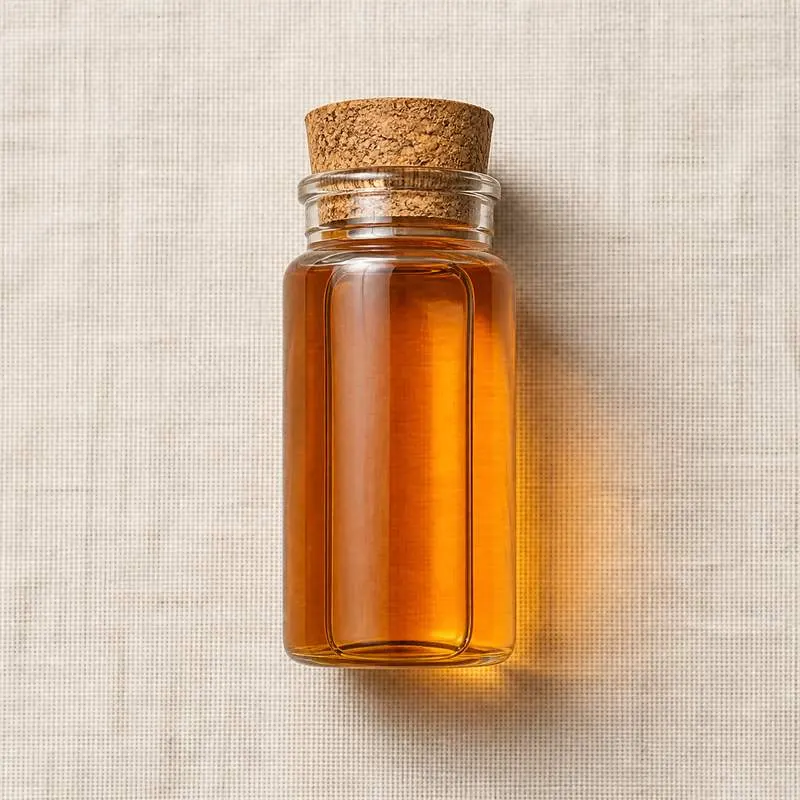
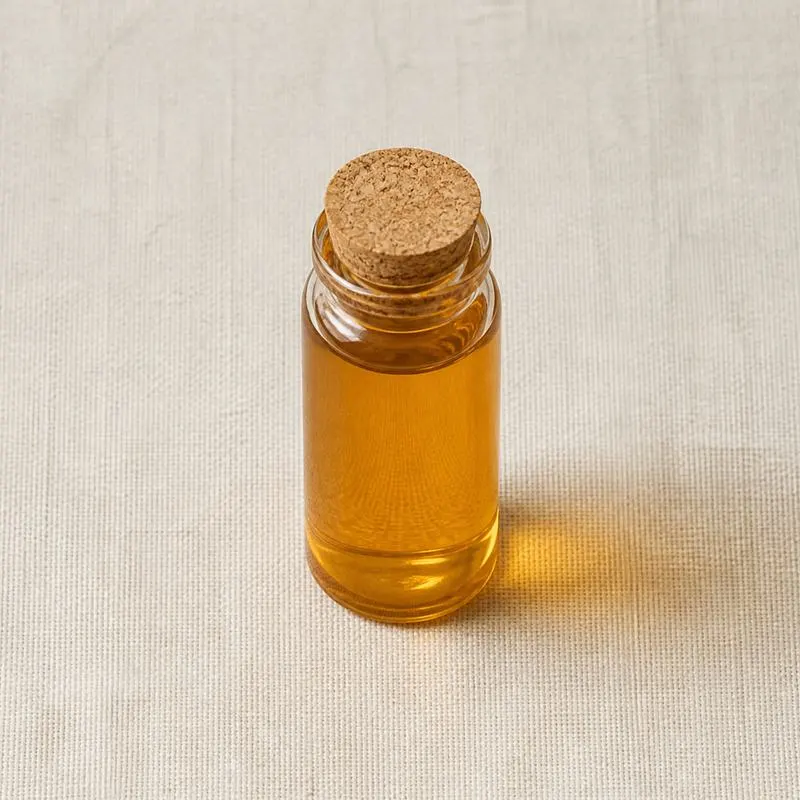
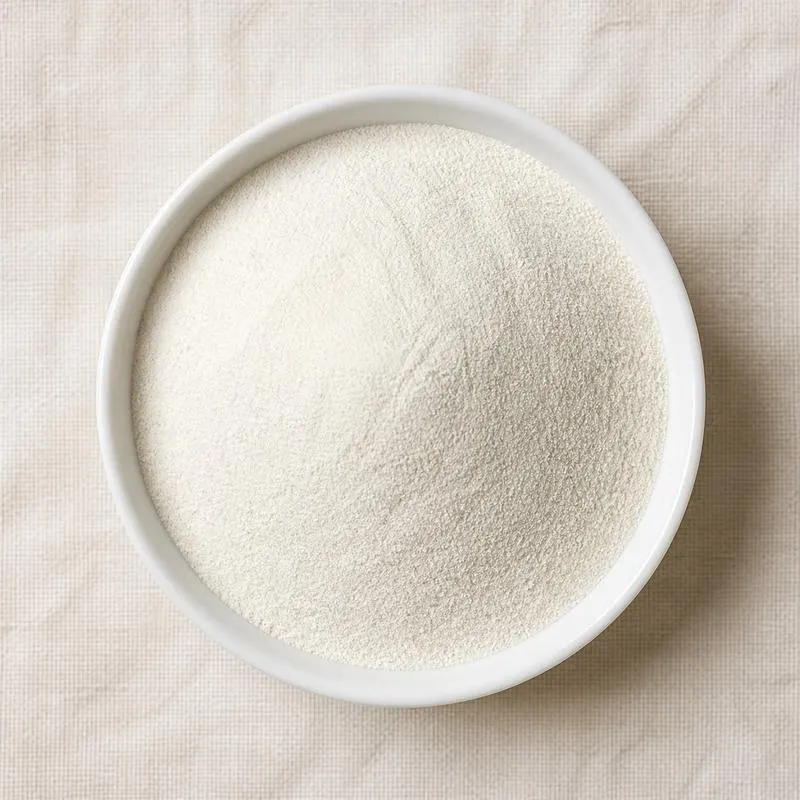
The commercial article comes as an oil soluble liquid, a water soluble or emulsified liquid for aqueous brines, or a spray dried powder for dry dusting. Liquid grades are usually carried in propylene glycol, triacetin or vegetable oil, and powdered grades on a modified starch or maltodextrin wall material.
We source bulk Betel Nut Flavour from top China manufacturers for our partners. The manufacturer is in Guangdong. A smaller requirement can ship in a combined container with other ingredients.
Please send the grade you need, the volume and your destination port, and we will come back with a solution and a price.
or call +86-21-6858 0751
- Function
- Flavours and Aromas
Specifications
| Item | Specification |
|---|---|
| Appearance | Clear to slightly hazy liquid, or free flowing powder for dried grades |
| Colour | Colourless to pale yellow |
| Odour and taste | Conforms to retained reference standard |
| Identification | Gas chromatography fingerprint matches reference |
| Relative density at 25 C | 1.000 to 1.120 for glycol based liquid grades |
| Refractive index at 20 C | 1.430 to 1.480 |
| Solubility | Clear dispersion in the declared carrier system |
| Moisture, powder grades | 4.0 percent maximum |
| Heavy metals as lead | 10 mg per kg maximum |
| Lead | 1 mg per kg maximum |
| Arsenic | 0.5 mg per kg maximum |
| Total plate count | 1000 cfu per gram maximum |
| Yeast and mould | 100 cfu per gram maximum |
| Salmonella | Absent in 25 grams |
Common Markets Grades
Betel nut flavour is sold by carrier and by application step rather than by assay. Oil soluble liquid grades are used where the flavour is added to a fat or glycerin phase. Water soluble and emulsified grades are formulated to disperse in the salt and sweetener brine in which the nut is soaked. Spray dried powder grades are used for surface dusting and for dry blending with sweeteners and cooling agents.
Within each carrier type, strengths are declared as a recommended dosage rather than a purity figure, commonly in the range of a fraction of a percent to a few percent on the finished product. Heat resistant versions with encapsulated top notes are offered for lines where the marinated nut is oven dried, and high cooling versions with elevated menthol or added physiological cooling agents are a distinct sub range.
Applications
- Marinade and brine liquors for processed areca nut, where the flavour is absorbed during soaking
- Surface dusting powders applied after drying to lift the immediate top note on opening the pack
- Cooling blends combined with menthol and synthetic cooling agents for the mint forward products that dominate the category
- Sweetened core fillings and coatings on split nut formats
- Chewing gum and compressed mints marketed with a betel nut profile
- Herbal confectionery and lozenges in markets where the areca character is traditional
- Masking systems that cover the astringent and bitter notes of the raw cured nut
- Flavour reworking of low grade nut stock, where added aroma compensates for weak natural character
China Manufacturers of Betel Nut Flavour
Top Betel Nut Flavour manufacturers in China.
Company names and logos are the property of the manufacturers themselves. They are listed here because our own directory records them as producing this ingredient. A listing is not an endorsement by them, and we do not represent them or speak on their behalf.
Regulatory Status
A compounded flavouring of this type is regulated on the basis of its constituents rather than as a single listed substance. In the United States each aroma chemical and essential oil in the formula must hold GRAS status through the Flavour and Extract Manufacturers Association programme or be permitted under the Food and Drug Administration regulations for synthetic and natural flavouring substances, and the finished blend is labelled as flavouring. In the European Union every flavouring substance in the blend must appear in the Union list maintained under Regulation 1334/2008, and any solvent or carrier must be a permitted flavour carrier. Compounded flavourings carry no E number.
Areca nut itself is a separate regulatory question from the flavour applied to it. The International Agency for Research on Cancer classifies areca nut as carcinogenic to humans, several jurisdictions restrict or prohibit the sale of areca nut chewing products, and the product is not a permitted food in a number of markets. Buyers should establish the legal status of the finished chewing product in the destination market independently of the compliance status of the flavouring itself.
Manufacturing Process
Manufacture is a compounding operation rather than a chemical synthesis. Aroma chemicals, essential oils such as peppermint and cassia, and any botanical extracts are weighed against a master formula in a temperature controlled dispensary. Solid components including menthol crystals, vanillin and ethyl maltol are dissolved into the carrier, usually propylene glycol, triacetin or a refined vegetable oil, in a jacketed stainless steel vessel under gentle agitation and mild warming.
The batch is mixed until clear, then held for a maturation period so that the components equilibrate and the profile settles, since freshly blended compounds smell harsher than aged ones. It is polish filtered through a cartridge filter to remove undissolved matter, checked against a retained reference sample by sensory panel and by gas chromatography fingerprint, then filled into lined drums or jerricans and stored cool and dark. Powder grades take an additional step: the liquid compound is emulsified into an aqueous solution of modified starch or maltodextrin, homogenised to a fine droplet size and spray dried, then sieved and packed with a moisture barrier.