Braised Meat Flavour
Braised meat flavour is a compound savoury flavouring built to reproduce the aroma of Chinese red-braised pork, in which meat is simmered slowly in soy sauce, sugar, rice wine and warm spice. It is not a single chemical but a formulated system combining a thermally processed reaction base with top notes, spice extracts and a carrier.
The aroma profile is dominated by sulphur-containing reaction products that carry the cooked-meat character, caramelised sugar notes from the braising liquor, and the anise, cassia and clove facets contributed by the spice bag used in traditional braising. Fat-derived aldehydes and lactones supply the mouthcoating richness that distinguishes braised pork from a lean stock note.
The material comes as an oil-soluble or water-dispersible liquid, as a semi-solid paste, or spray dried onto a maltodextrin or modified starch carrier. Liquid grades disperse readily into fats and sauces, while powder grades are used where a dry blend is required. Reaction flavours of this type are heat labile at the top-note level, so they are normally added late in a process to limit loss of volatiles.
We source bulk Braised Meat Flavour from top China manufacturers for our partners. The manufacturer is in Shanghai. A smaller requirement can ship in a combined container with other ingredients.
Please send the grade you need, the volume and your destination port, and we will come back with a solution and a price.
or call +86-21-6858 0751

- Function
- Flavours and Aromas
Specifications
| Item | Specification |
|---|---|
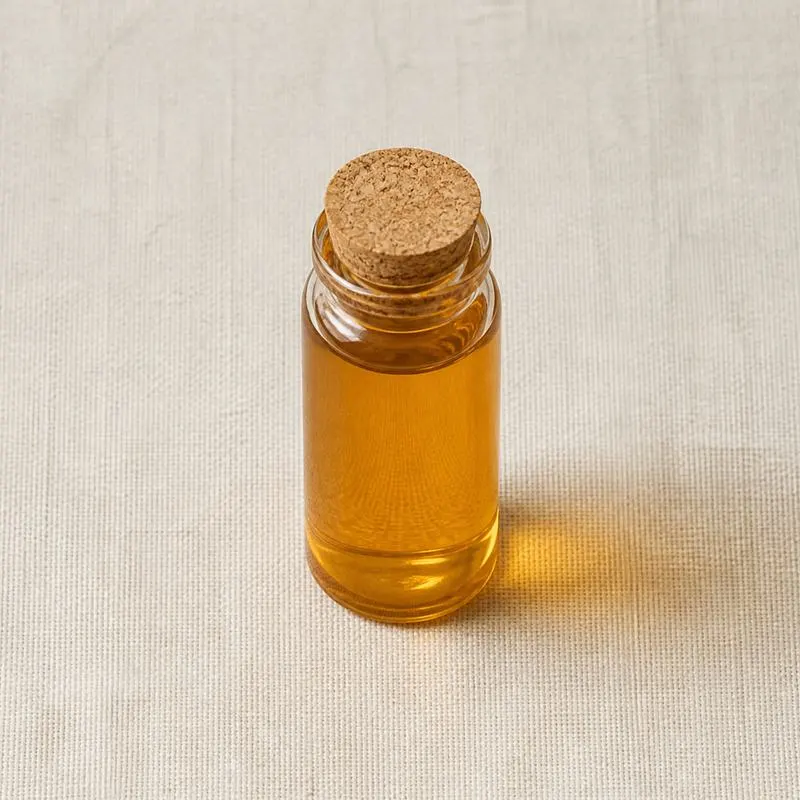
| Appearance | Brown to dark brown liquid, free from foreign matter |
| Odour | Characteristic braised pork, soy and spice aroma |
| Solubility | Miscible with edible oil, dispersible in warm water |
| Relative Density (25 degrees C) | 0.95 to 1.15 |
| Refractive Index (20 degrees C) | 1.430 to 1.480 |
| Moisture | Not more than 5.0 percent |
| Lead (Pb) | Not more than 1.0 mg/kg |
| Arsenic (As) | Not more than 0.5 mg/kg |
| Total Plate Count | Not more than 1,000 cfu/g |
| Yeast and Mould | Not more than 50 cfu/g |
| E. coli | Absent in 1 g |
| Salmonella | Absent in 25 g |
Common Markets Grades
Braised meat flavour is traded in three physical forms. Liquid grades are dissolved in propylene glycol, vegetable oil or a triacetin base and are dosed at low levels into sauces and marinades. Paste grades carry a higher solids content, include salt and hydrolysed protein, and give both aroma and body. Spray dried powder grades are encapsulated on maltodextrin, gum arabic or octenyl succinic anhydride modified starch and are used in seasoning blends and instant noodle sachets.
Formulations are further split by declaration status. Natural grades are built from thermal process flavourings, natural extracts and essential oils; nature identical and artificial grades allow synthesised aroma chemicals and give a stronger, more stable profile. Halal and vegetarian versions replace pork derived reaction substrates with plant protein hydrolysates.
Applications
- Retort and pouch packed braised pork, where it restores volatiles lost during sterilisation
- Instant noodle seasoning sachets and oil packs, as the dominant meat character
- Frozen and chilled ready meals based on red-braised pork, beef brisket or trotter
- Meat marinades and injection brines for cooked and smoked products
- Savoury sauce bases, hotpot bases and stir-fry sauces
- Extruded and fried snack seasonings needing a braised meat top note
- Bouillon cubes and granulated soup bases
- Plant based meat analogues, where reaction flavour supplies the cooked meat aroma that vegetable protein lacks
- Fillings for buns, dumplings and pastry products
China Manufacturers of Braised Meat Flavour
Top Braised Meat Flavour manufacturers in China.
Company names and logos are the property of the manufacturers themselves. They are listed here because our own directory records them as producing this ingredient. A listing is not an endorsement by them, and we do not represent them or speak on their behalf.
Regulatory Status
In the United States the FEMA GRAS programme or the synthetic flavouring substances listing at 21 CFR 172.515 covers the individual flavouring substances used in a braised meat flavour, and the reaction base is built from food ingredients that are themselves GRAS or approved food additives. The finished flavour is declared on the label as natural flavour, artificial flavour or a combination, depending on the composition.
In the European Union Regulation (EC) No 1334/2008 governs flavourings and sets a specific framework for thermal process flavourings, including limits on the reaction conditions and on the substances that may be formed. Individual chemically defined substances must appear on the Union list of authorised flavourings. Codex has adopted general guidelines for the use of flavourings, and JECFA has evaluated the principal aroma chemicals used in savoury reaction flavours as members of structural groups.
Manufacturing Process
Manufacture begins with a thermal process reaction. Hydrolysed vegetable or animal protein, reducing sugars such as xylose and glucose, cysteine, thiamine and, where used, rendered pork fat are combined in an aqueous slurry, the pH is adjusted, and the mixture is heated under controlled time and temperature in a jacketed reactor. Maillard chemistry between the amino groups and the reducing sugars generates the furans, thiophenes and thiazoles that carry the cooked meat aroma, while the fat contributes oxidation products responsible for species character.
The reaction mass is cooled and blended with soy sauce solids, caramel, spice essential oils and oleoresins covering star anise, cassia, clove and fennel, and with individual aroma chemicals used to lift specific facets. The blend is standardised for strength, filtered or homogenised, and then either filled as liquid or paste, or emulsified with a carrier and spray dried into a free flowing powder.