Calcium L-Aspartate
Calcium L-aspartate is the calcium salt of L-aspartic acid, an amino acid chelate in which one calcium ion is bound by the two carboxylate groups of the aspartate anion. It serves as a nutritional calcium source, the aspartate acting as the carrier ligand rather than as the nutrient of interest. Typical material carries 12 to 15 percent elemental calcium depending on the hydration state.
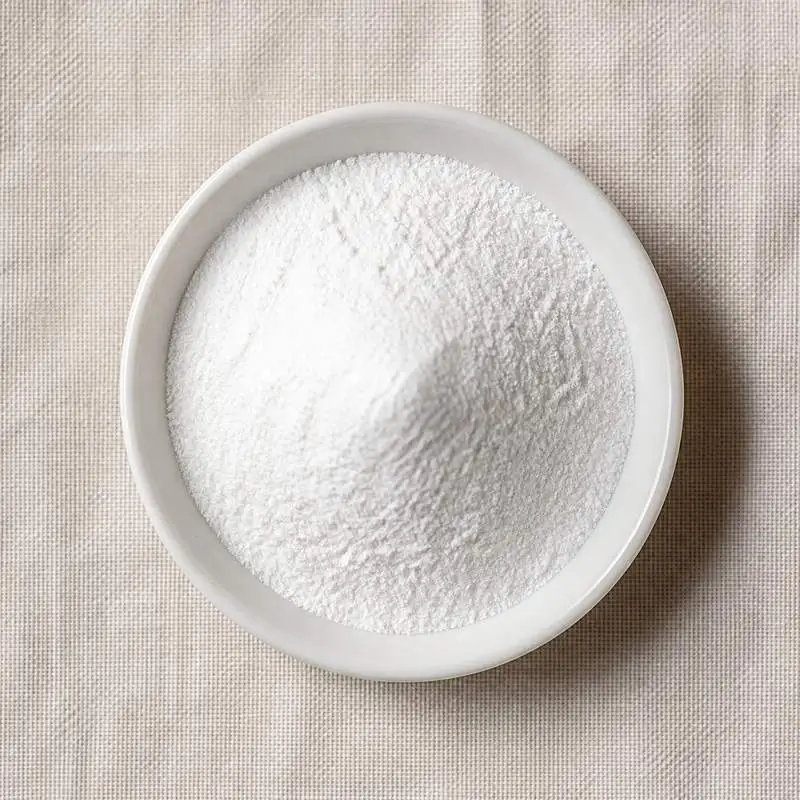
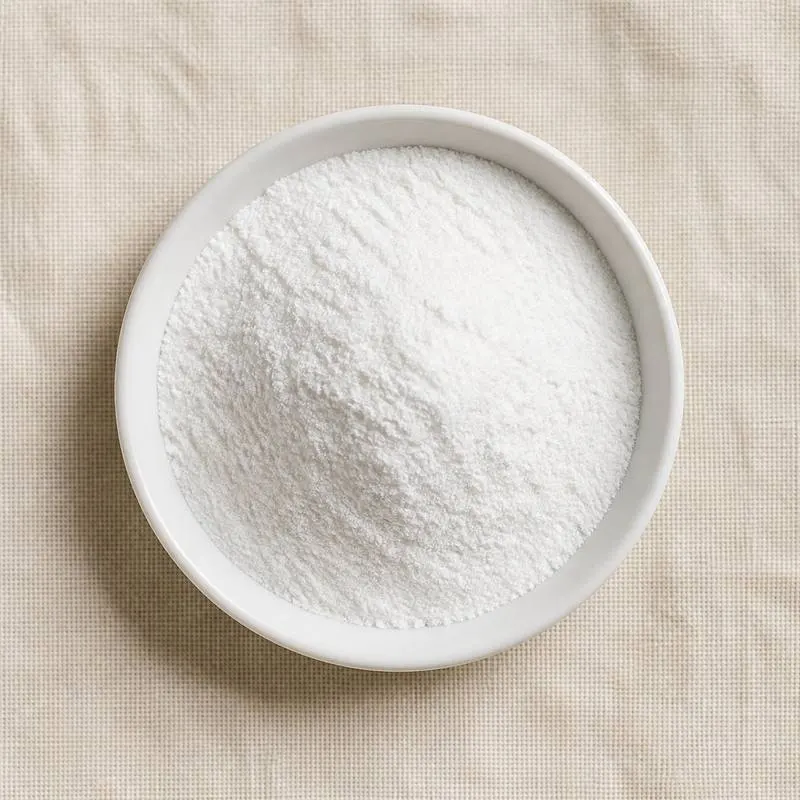
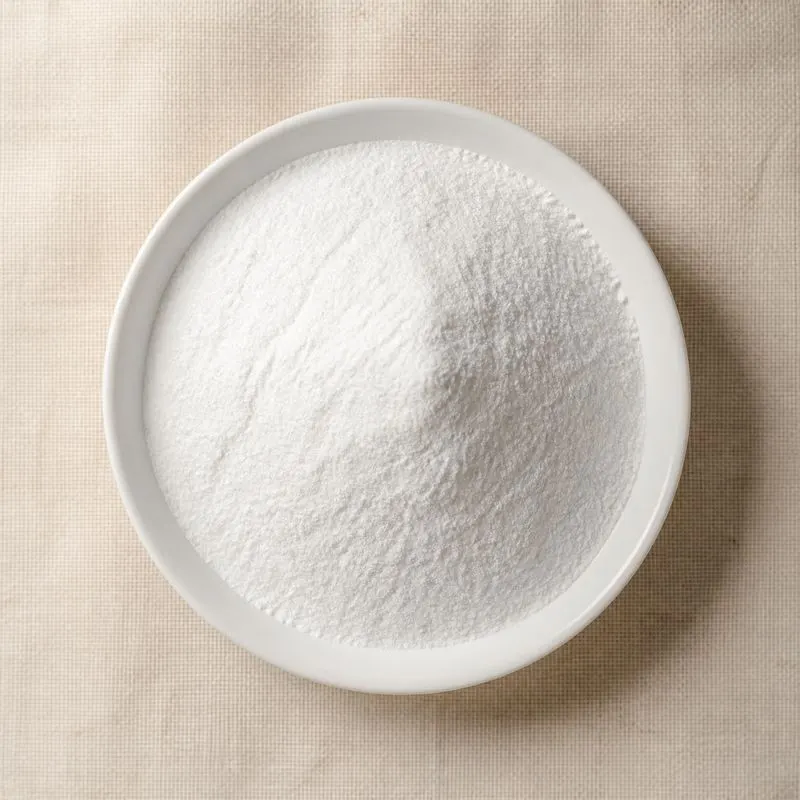
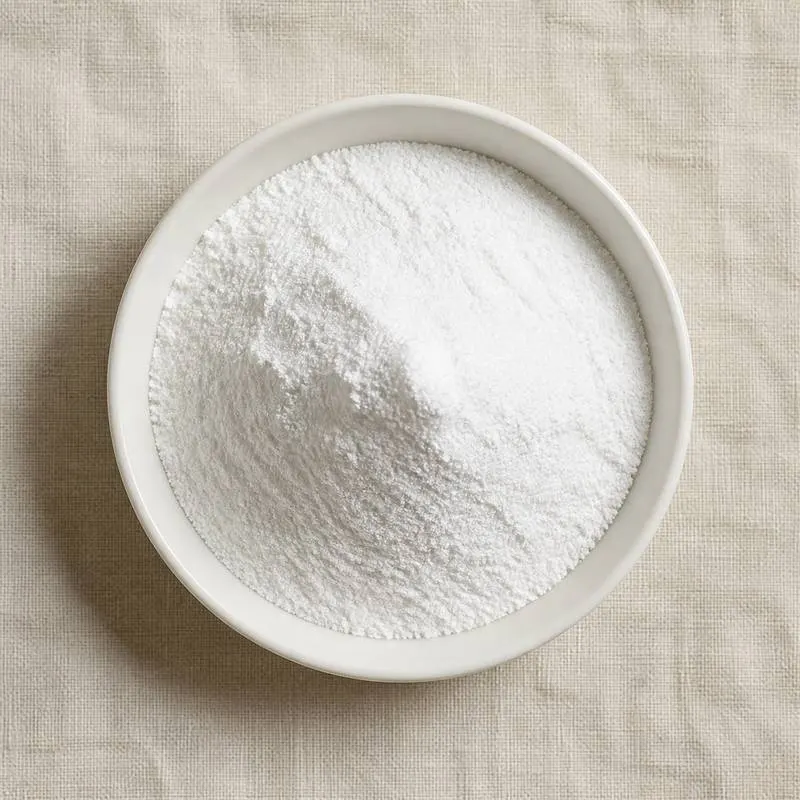
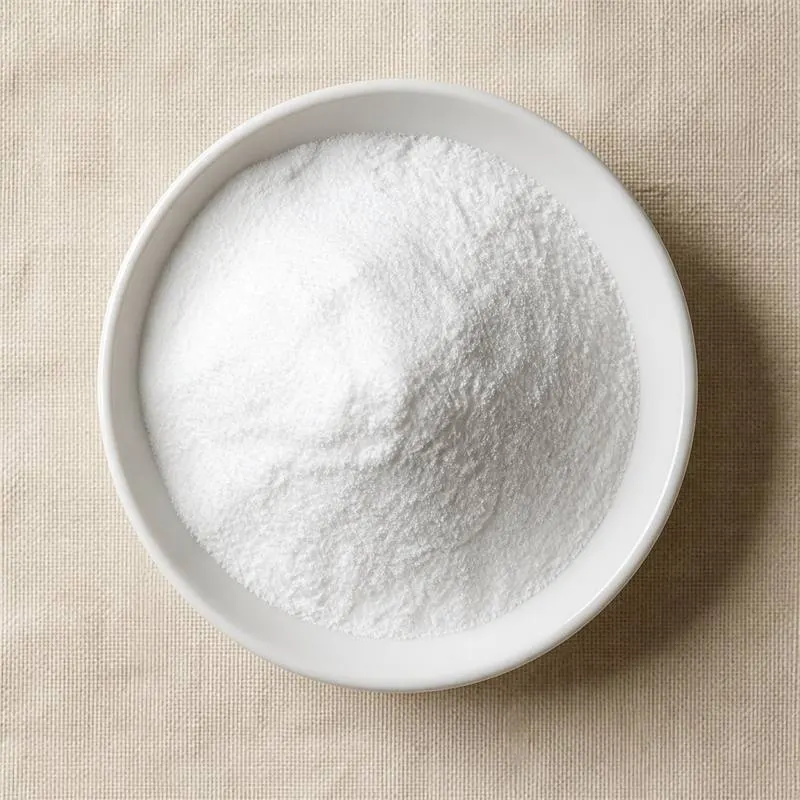
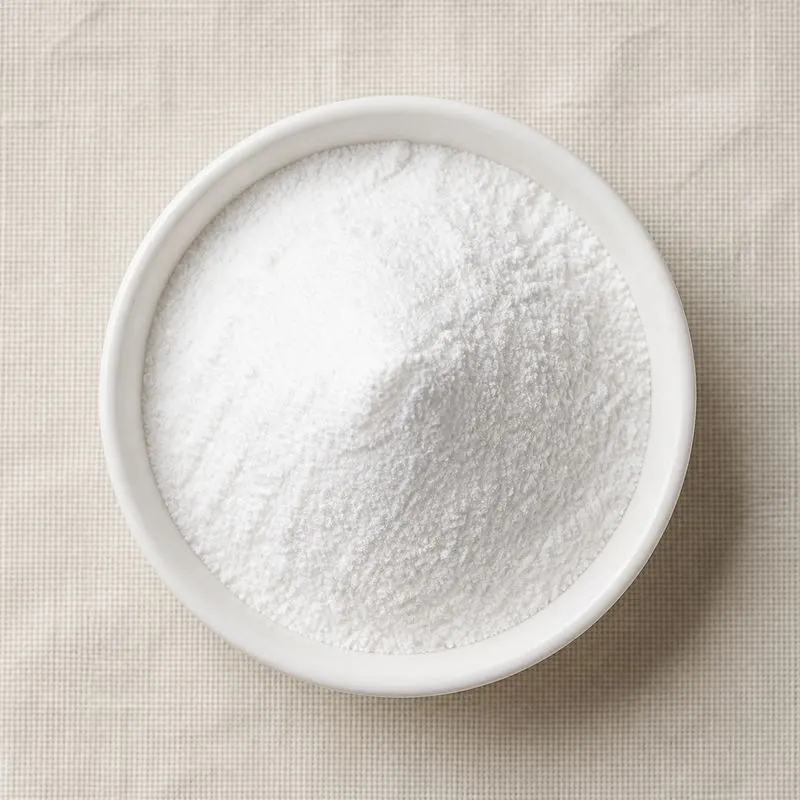
The commercial product is a white to off white crystalline powder, odourless, with a faintly bitter taste. It is soluble in water, much more so than calcium carbonate or calcium phosphate, and practically insoluble in ethanol. A 1 percent suspension sits between pH 6.5 and 8.0. The dry solid is stable at ambient temperature and only slightly hygroscopic.
Solubility is the reason formulators choose it. Calcium carbonate depends on gastric acid to dissolve, so its absorption falls in people with low stomach acidity, whereas an organic acid salt enters solution readily and is less prone to precipitating as an insoluble phosphate or phytate complex in the small intestine. Against that, it carries less calcium per gram than the carbonate, so the tablet or serving has to be correspondingly larger to reach the same declared dose.
We source bulk Calcium L-Aspartate from top China manufacturers for our partners, working with several of them. The manufacturers are in Hebei and Shanghai. A smaller requirement can ship in a combined container with other ingredients.
Please send the grade you need, the volume and your destination port, and we will come back with a solution and a price.
or call +86-21-6858 0751
- Function
- Amino acid
Specifications
| Item | Specification |
|---|---|
| Appearance | White to off white crystalline powder |
| Calcium content, dried basis | 12.0 to 15.0 percent, per grade |
| Identification | Positive for calcium and for L-aspartate |
| Specific rotation | Plus 20.0 to plus 24.0 degrees |
| Loss on Drying, 105 degrees Celsius | Not more than 8.0 percent |
| pH, 1 percent aqueous suspension | 6.5 to 8.0 |
| Free L-aspartic acid | Not more than 1.0 percent |
| Chloride as Cl | Not more than 0.05 percent |
| Lead | Not more than 1 mg/kg |
| Arsenic | Not more than 1 mg/kg |
| Cadmium | Not more than 0.5 mg/kg |
| Mercury | Not more than 0.1 mg/kg |
| Total Plate Count | Not more than 1000 CFU/g |
| E. coli and Salmonella | Absent in 10 g and in 25 g |
Common Markets Grades
Calcium L-aspartate is traded chiefly as a food and supplement grade, specified by elemental calcium content rather than by the assay of the whole molecule, since the buyer is formulating against a declared calcium figure. Common declarations are 12.0 percent minimum calcium for the hydrated salt and around 14 to 15 percent for a dried grade. A pharmaceutical grade with tighter limits on residual solvents, related amino acids and microbiological counts is available for oral solid dose manufacture. A feed grade is sold to looser heavy metal limits for mineral premixes.
Physical form varies by application. A standard powder passing 80 mesh is the default for capsules and wet granulation. A fine milled grade is chosen where content uniformity at low inclusion matters, and a granulated or spray dried grade with better flow and compressibility is used for direct compression tabletting. Buyers should confirm on the specification whether the offer is calcium L-aspartate, the single isomer, or calcium DL-aspartate, since the two are priced differently and are not always distinguished in trade names.
Applications
- Calcium supplement tablets and capsules, where an organic acid salt is preferred to carbonate for people with reduced gastric acid output
- Multivitamin and mineral premixes, contributing declared elemental calcium in a soluble form
- Effervescent tablets and instant drink powders, dissolving without the chalky sediment that carbonate leaves
- Sports and recovery formulations, frequently combined with magnesium aspartate and potassium salts as an electrolyte set
- Clinical and medical nutrition products, including enteral formulations where mineral solubility affects whether the feeding tube stays clear
- Chewable tablets and gummies, since the low grittiness compared with mineral carbonates improves mouthfeel
- Fortified beverages and dairy alternatives, at inclusion rates that stay below the threshold where calcium destabilises the protein system
- Bone health formulations, paired with vitamin D3, vitamin K2 and magnesium
- Animal feed and pet food mineral premixes, as an organic calcium source
Brands Using Calcium L-Aspartate
Widely-distributed consumer products that list Calcium L-Aspartate on the ingredient label.
- BulkSupplements.comCalcium Aspartate Powder ↗A single ingredient calcium supplement powder sold as calcium aspartate, with the supplement facts panel listing no other ingredients.Label verified 2026-09-01
- Country LifeCalcium Magnesium Potassium Tablets ↗A mineral tablet whose supplement facts panel lists the calcium as a blend of calcium hydroxyapatite, calcium citrate and calcium aspartate.Label verified 2026-09-01
Brand names, product names and logos are the property of their owners. They appear here as published evidence that the ingredient is used, taken from the brand's own label or website. Their appearance is not an endorsement, and it does not mean the brand buys from us or from any manufacturer listed on this site.
China Manufacturers of Calcium L-Aspartate
Top Calcium L-Aspartate manufacturers in China.
 Hebei LiWellso Biotech Co.,Limited11 ingredients in the directory
 Jing Jing Pharmaceutical Co., Ltd.14 ingredients in the directory
 Richen Nutritional Technology Co., Ltd.6 ingredients in the directory
Company names and logos are the property of the manufacturers themselves. They are listed here because our own directory records them as producing this ingredient. A listing is not an endorsement by them, and we do not represent them or speak on their behalf.
Regulatory Status
In the United States calcium is a recognised essential nutrient with an established Daily Value, and calcium salts of amino acids are used in dietary supplements under the Dietary Supplement Health and Education Act. Amino acids added to conventional foods for nutritive purposes fall under 21 CFR 172.320, and a formulator adding calcium L-aspartate to a conventional food rather than to a supplement needs to confirm that the regulation covers the specific compound rather than relying on the status of calcium as a nutrient.
In the European Union, Annex II to Directive 2002/46/EC lists the calcium compounds permitted in food supplements, and Annex II to Regulation (EC) No 1925/2006 lists those permitted for addition to foods. Both are closed lists of named salts, so the calcium source must appear by name on those lists for the market in question, and buyers verify the listed status before formulating. Calcium L-aspartate has no E number because it is used as a nutrient rather than as a technological additive. The Joint FAO/WHO Expert Committee on Food Additives has assessed calcium salts used as nutrient sources, and Codex advisory lists for nutrient compounds cover calcium in its permitted forms.
Manufacturing Process
Calcium L-aspartate is made by neutralising L-aspartic acid with a calcium base. The feed acid is produced by enzymatic amination of fumaric acid, in which immobilised aspartase from Escherichia coli adds ammonia across the fumarate double bond to give L-aspartic acid in high optical purity, followed by isoelectric crystallisation. That acid is slurried in demineralised water and heated with agitation.
Calcium hydroxide or calcium carbonate is dosed incrementally into the slurry. The reaction proceeds under acid excess so the base dissolves as it is consumed, and with carbonate feedstock the carbon dioxide given off is vented. Dosing continues until the endpoint pH stabilises, which indicates that the free acid has been taken up. The hot liquor is held to complete the reaction and then polish filtered to remove unreacted base and insoluble metal impurities. The clarified solution is concentrated under vacuum and the salt is recovered either by cooling crystallisation with centrifugation and fluid bed drying, or by spray drying where a free flowing amorphous powder is preferred. The dried solid is milled, screened to the particle size ordered and packed.