Calcium Pyruvate
Calcium pyruvate is the calcium salt of pyruvic acid, the three carbon alpha-keto acid that is the end product of glycolysis and the entry point to the citric acid cycle, with the molecular formula C6H6CaO6 and CAS number 52009-14-0.
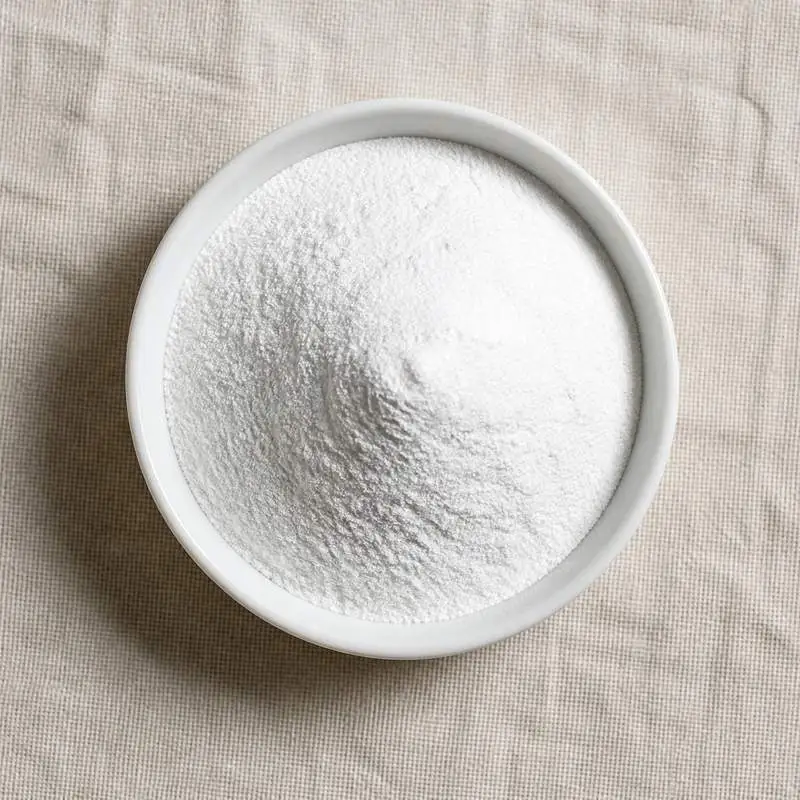
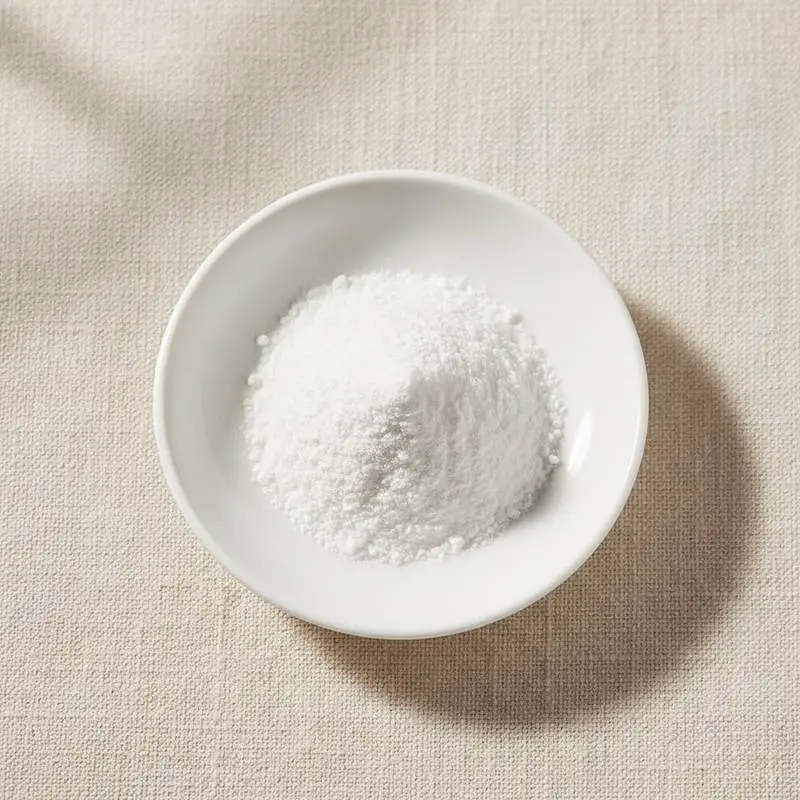
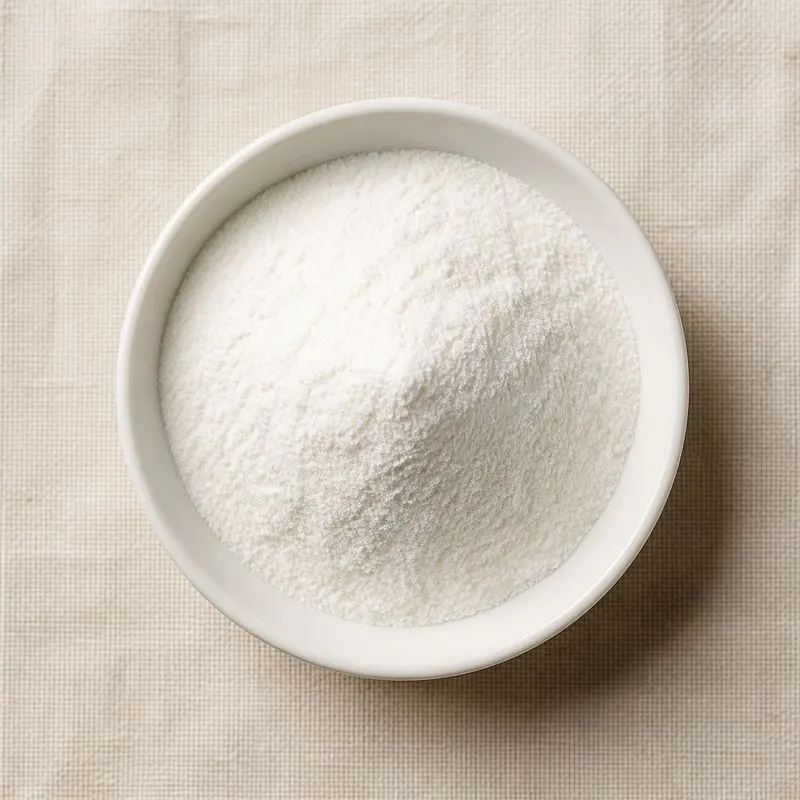
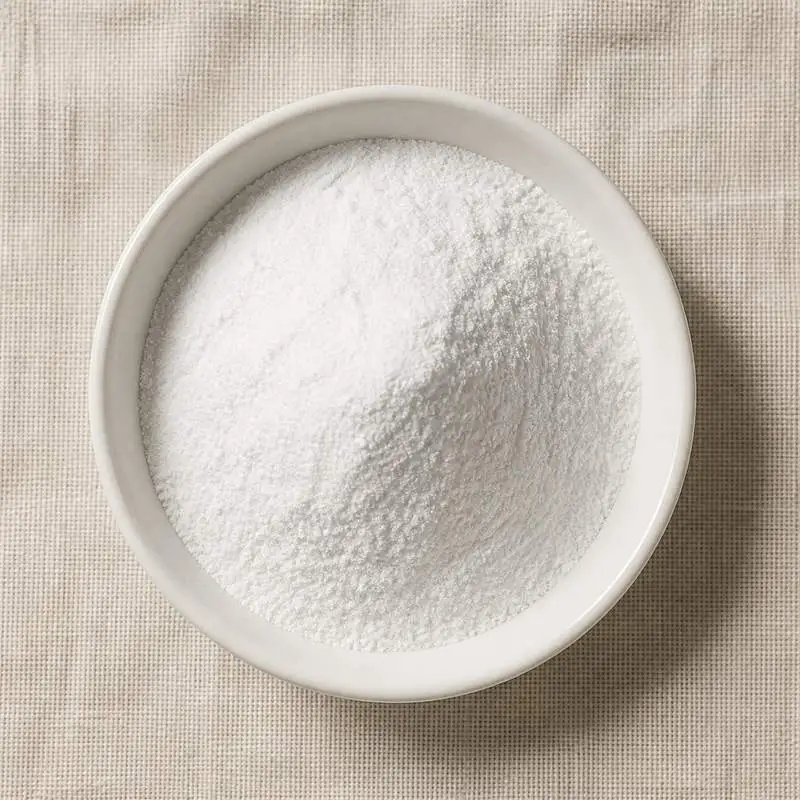
Free pyruvic acid is a corrosive, hygroscopic liquid that polymerises on standing, so the acid is almost never handled directly in nutrition. Converting it to the calcium salt gives a stable white to off-white crystalline powder that can be weighed, blended and tabletted, and that carries about 18 percent elemental calcium alongside the pyruvate anion. The salt is sparingly soluble in water and dissolves more completely as acidity rises.
In supplement use it is treated as a source of pyruvate rather than as a functional food additive. It is mildly hygroscopic and slowly hydrolyses in warm moist conditions, so it is packed with a desiccant and formulated into dry dosage forms rather than into liquids that need long ambient shelf life.
We source bulk Calcium Pyruvate from top China manufacturers for our partners. The manufacturer is in Shandong. A smaller requirement can ship in a combined container with other ingredients.
Please send the grade you need, the volume and your destination port, and we will come back with a solution and a price.
or call +86-21-6858 0751
- Function
- Nutraceutical
Specifications
| Item | Specification |
|---|---|
| Appearance | White to off-white crystalline powder |
| Identification | Infrared spectrum conforms to reference |
| Assay, dried basis | Not less than 98.0% |
| Calcium Content | 17.0% to 19.0% |
| Loss on Drying | Not more than 5.0% |
| pH, 1% suspension | 6.0 to 8.0 |
| Chloride | Not more than 0.1% |
| Sulphate | Not more than 0.1% |
| Heavy Metals as Pb | Not more than 10 mg/kg |
| Lead | Not more than 1.0 mg/kg |
| Arsenic | Not more than 1.0 mg/kg |
| Mercury | Not more than 0.1 mg/kg |
| Total Plate Count | Not more than 1,000 CFU/g |
| Salmonella | Absent in 25 g |
Common Markets Grades
Calcium pyruvate is effectively traded in a single supplement specification, assaying 98 percent or higher on a dried basis, with calcium controlled in parallel and the water content declared because the material is sold in both anhydrous and hydrated states. Certificates should name the hydration form, since it shifts both the assay basis and the elemental calcium figure.
The variables a buyer actually chooses between are physical. A fine milled powder is used for capsule filling and blended powders, while a granulated grade with better flow and lower dust is preferred for direct compression tablets at the high doses this ingredient is usually dosed at. A pharmaceutical grade with tighter residual solvent and heavy metal limits is available but has a small market.
Applications
- Weight management capsules and tablets, the largest single application for the salt
- Sports nutrition and endurance formulations positioned around glycolytic energy supply
- Thermogenic and metabolic support blends, combined with carnitine, chromium or green tea extract
- Meal replacement powders, where it contributes both pyruvate and part of the declared calcium
- Creatine pyruvate and mixed pyruvate salt blends sold to sports brands as a dry premix
- Direct compression tablet formulations, using the granular grade for flow at high inclusion levels
- Clinical nutrition research preparations requiring a defined and stable pyruvate source
- Companion animal supplements aimed at weight control in overweight dogs
Brands Using Calcium Pyruvate
Widely-distributed consumer products that list Calcium Pyruvate on the ingredient label.
Brand names, product names and logos are the property of their owners. They appear here as published evidence that the ingredient is used, taken from the brand's own label or website. Their appearance is not an endorsement, and it does not mean the brand buys from us or from any manufacturer listed on this site.
China Manufacturers of Calcium Pyruvate
Top Calcium Pyruvate manufacturers in China.

Company names and logos are the property of the manufacturers themselves. They are listed here because our own directory records them as producing this ingredient. A listing is not an endorsement by them, and we do not represent them or speak on their behalf.
Regulatory Status
In the United States, calcium pyruvate is sold as a dietary ingredient under the Dietary Supplement Health and Education Act rather than as an approved food additive, so finished goods are positioned as supplements rather than as conventional foods. Its calcium contribution is declared on the supplement facts panel in the same way as any other calcium source.
In the European Union, pyruvate salts carry no E number and are not authorised as food additives. Calcium pyruvate does appear on the list of mineral substances that may be used in the manufacture of food supplements, which is the route by which it reaches the supplement market in member states, subject to the national notification rules that apply to supplement placement. There is no JECFA additive specification for the salt, so buyers rely on the manufacturer's monograph, and general purity criteria for mineral sources apply.
Manufacturing Process
Industrial pyruvic acid is made in two ways. The established chemical route dehydrates and decarboxylates tartaric acid over potassium hydrogen sulphate at high temperature under vacuum, distilling the pyruvic acid out as it forms. The fermentation route, which has taken an increasing share, uses a vitamin auxotrophic yeast such as Candida glabrata or an engineered Escherichia coli grown on glucose under thiamine limitation, so that flux through pyruvate dehydrogenase is throttled and pyruvate accumulates in the broth. Cells are separated by centrifugation and membrane filtration, and the clarified broth is decolourised on activated carbon and polished by ion exchange.
The purified pyruvic acid solution is then neutralised with calcium carbonate or calcium hydroxide under close temperature and pH control, because pyruvate decarboxylates and condenses if it is held hot or strongly alkaline. The salt crystallises as it forms and is recovered by centrifugation, washed with chilled water and a water miscible solvent to strip mother liquor, then dried under vacuum at low temperature to protect the crystal and its water of hydration. The dried cake is milled and sieved, granulated where a compressible grade is required, blended to a uniform lot and packed with desiccant under low humidity.