Caramelized Sugar Syrup
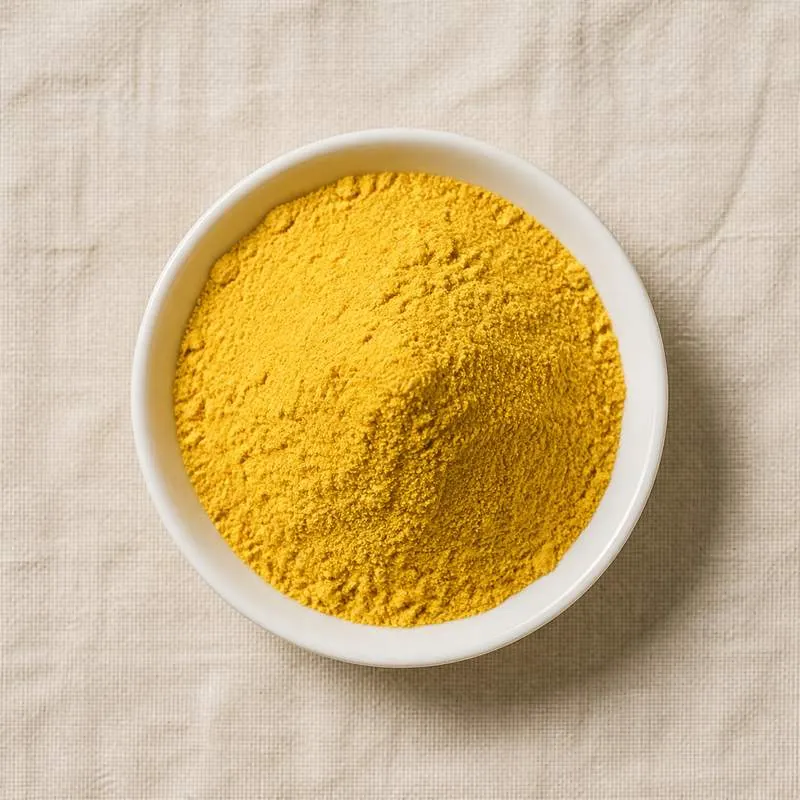
Caramelised sugar syrup is sucrose or glucose syrup that has been heated to the caramelisation range and then dissolved back into water, giving a light amber to deep brown liquid that carries both colour and the characteristic caramel flavour. It is cooked less far than burnt sugar and is not purified in the way that caramel colour is, so it retains a substantial share of unreacted or partly reacted sugars and remains sweet.
Chemically it is a mixture of thermal degradation products of sugar: colour bodies of the caramelan and caramelen type, together with the flavour active fraction that includes furanones, maltol, diacetyl, hydroxymethylfurfural and a range of small carbonyls. The balance between colour and flavour is set by how far the cook is taken, which is why a single product line is offered at several colour depths rather than as one specification.
It comes as a viscous syrup at roughly 65 to 80 percent solids, and as a spray dried powder on a starch carrier. The syrup is fully miscible with water, insoluble in oil, stable to light and to normal food pH, and stable to heat within the range of ordinary processing. Because it is made from food and used as a food, it is normally declared as caramelised sugar rather than as an additive, which is the main reason formulators choose it over caramel colour.
We source bulk Caramelized Sugar Syrup from top China manufacturers for our partners. The manufacturer is in Jiangsu. A smaller requirement can ship in a combined container with other ingredients.
Please send the grade you need, the volume and your destination port, and we will come back with a solution and a price.
or call +86-21-6858 0751
- Function
- Colorant
Specifications
| Item | Specification |
|---|---|
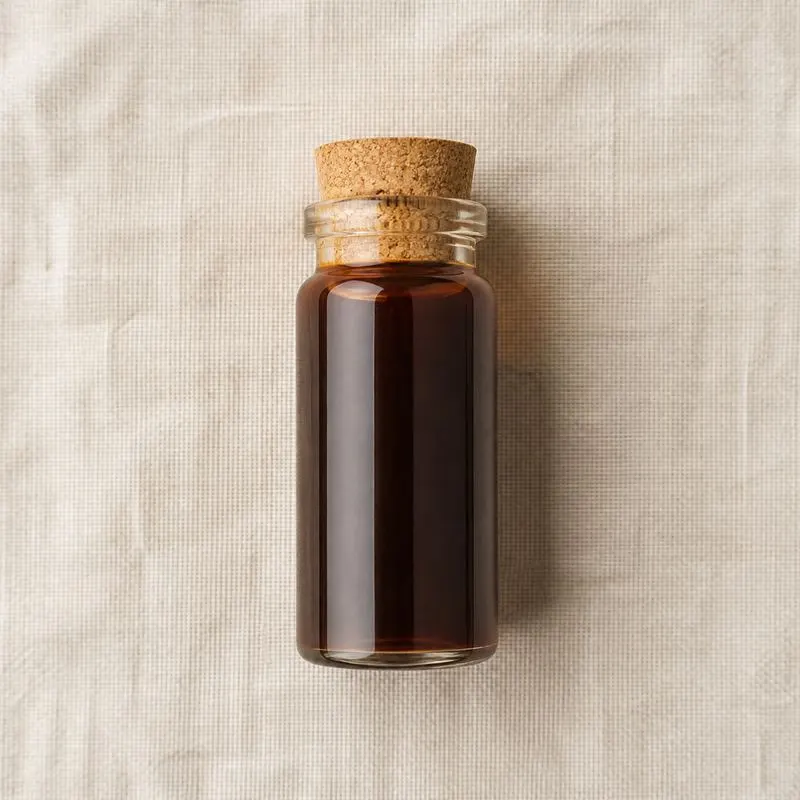
| Appearance | Amber to dark brown viscous syrup |
| Odour and Taste | Characteristic caramel, sweet with a roasted note |
| Total Solids | 70.0% to 75.0% |
| Colour Intensity, absorbance 0.1% at 610 nm | 0.020 to 0.060 |
| Total Sugars as invert | 50.0% minimum |
| pH | 3.5 to 5.5 |
| Specific Gravity at 20 degrees Celsius | 1.32 to 1.38 |
| Viscosity at 25 degrees Celsius | 2000 to 8000 mPa s |
| Insoluble Matter | 0.1% maximum |
| Sulphated Ash | 2.0% maximum |
| Lead | 2 mg/kg maximum |
| Arsenic | 1 mg/kg maximum |
| Total Plate Count | 100 cfu/g maximum |
| Yeast and Mould | 50 cfu/g maximum |
Common Markets Grades
Grades are set by depth of cook and by solids. A light or blond grade is amber, distinctly sweet and low in bitterness, and is used where flavour is the objective. Medium grades balance colour and flavour. Dark grades approach the burnt sugar end, carry noticeable bitterness and are dosed for colour. Colour is quoted as absorbance of a dilute solution measured near 610 nm or as a reference colour index, and solids, viscosity and pH are stated alongside.
Physical form and feedstock are the other variables. Syrups at 70 to 75 percent solids are standard and are handled hot or with dilution; higher solids grades reduce freight but need heated storage. Spray dried powders on maltodextrin are used in dry mixes and seasoning blends and are hygroscopic. Cane, beet and glucose feedstocks are all used, cane giving the fuller flavour and glucose syrup the cleaner colour. Organic certified and non-GMO documented grades are produced on segregated lines.
Applications
- Flan, creme caramel and custard desserts, where it forms the sauce layer
- Coffee and dessert syrups, contributing caramel flavour and colour in one addition
- Ice cream ripples, toppings and dessert sauces
- Confectionery, toffee, fudge and caramel fillings, where it deepens the cooked note
- Bakery fillings, glazes and rye style breads, giving colour without additional bake time
- Bakery inclusions and biscuit doughs needing a caramel background
- Dairy drinks, flavoured milks and coffee based beverages
- Sauces, glazes and marinades for meat, contributing colour and a sweet roasted note
- Alcoholic cream liqueurs and flavoured spirits
- Cereal, granola and snack coatings where a sticky caramel binder is wanted
Brands Using Caramelized Sugar Syrup
Widely-distributed consumer products that list Caramelized Sugar Syrup on the ingredient label.
Brand names, product names and logos are the property of their owners. They appear here as published evidence that the ingredient is used, taken from the brand's own label or website. Their appearance is not an endorsement, and it does not mean the brand buys from us or from any manufacturer listed on this site.
China Manufacturers of Caramelized Sugar Syrup
Top Caramelized Sugar Syrup manufacturers in China.

Company names and logos are the property of the manufacturers themselves. They are listed here because our own directory records them as producing this ingredient. A listing is not an endorsement by them, and we do not represent them or speak on their behalf.
Regulatory Status
Caramelised sugar syrup used and declared as a food ingredient is regulated as a food rather than as a colour additive in the major markets, and is labelled by an ingredient name such as caramelised sugar or caramelised sugar syrup. This is the ordinary commercial position and is what allows the product to appear on a clean ingredient list. It does not exempt the material from general food law: compositional, contaminant and hygiene requirements apply as they do to any sugar based ingredient.
Where a preparation of the same type is used specifically to colour a food, the caramel colour rules apply instead. In the United States that means the colour additive listing for caramel in 21 CFR 73.85, exempt from certification and permitted in food generally in amounts consistent with good manufacturing practice. In the European Union it means plain caramel, E 150a, authorised under Regulation (EC) No 1333/2008 with identity and purity criteria in Regulation (EU) No 231/2012. Because the classification follows the function claimed rather than the chemistry, the intended declaration should be settled with the supplier before the specification is fixed. JECFA has adopted specifications for plain caramel and provisions appear in the Codex General Standard for Food Additives.
Manufacturing Process
Refined sucrose, or a glucose syrup, is charged with a controlled quantity of water to a jacketed, agitated kettle and heated at atmospheric pressure. Water evaporates, the melt passes through the sucrose inversion range, and above roughly 160 degrees Celsius caramelisation begins, generating both the colour bodies and the volatile flavour fraction. Depth of cook is tracked by temperature and by in process colour measurement, and the reaction is stopped short of the bitter end point that defines burnt sugar.
The cook is stopped by staged addition of hot water, which quenches the mass and redissolves it, then the liquor is cooled and standardised to the specified solids, colour and pH. It is filtered or centrifuged to remove any carbonised particles, pasteurised and filled hot into drums or totes. Powder grades take the same standardised liquor, blend it with maltodextrin or starch and spray dry it, and the outlet temperature is kept moderate to preserve the volatile flavour compounds that distinguish the product from a plain caramel colour.