Caramel Flavour
Caramel flavour is a flavouring that reproduces the aroma of cooked sugar, built from the volatile compounds that form when sucrose or glucose is heated past its melting point and when sugars react with amino acids. The characteristic contributors are furanones such as furaneol and maltol, which give the burnt sugar sweetness, together with diacetyl, cyclotene, furfural and pyrazines that supply the buttery, nutty and toasted facets.
It should not be confused with caramel colour, which is a different material made by controlled heating of carbohydrate for colouring purposes and carries little flavour. Caramel flavour is dosed at parts per million to a fraction of a percent and contributes aroma rather than colour, although many industrial products are made with a caramelised sugar base that carries some brown tint.
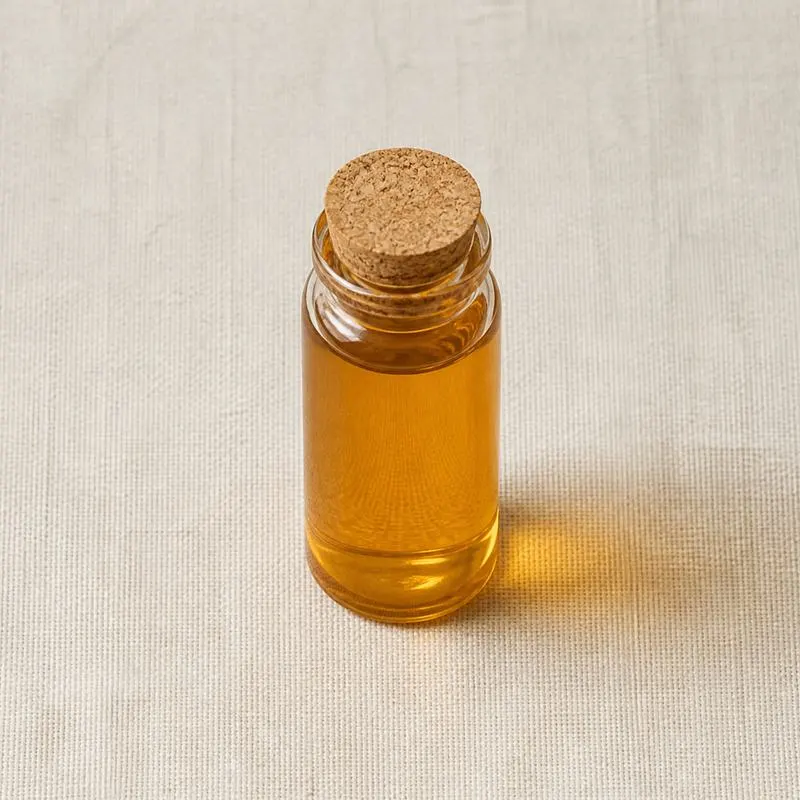
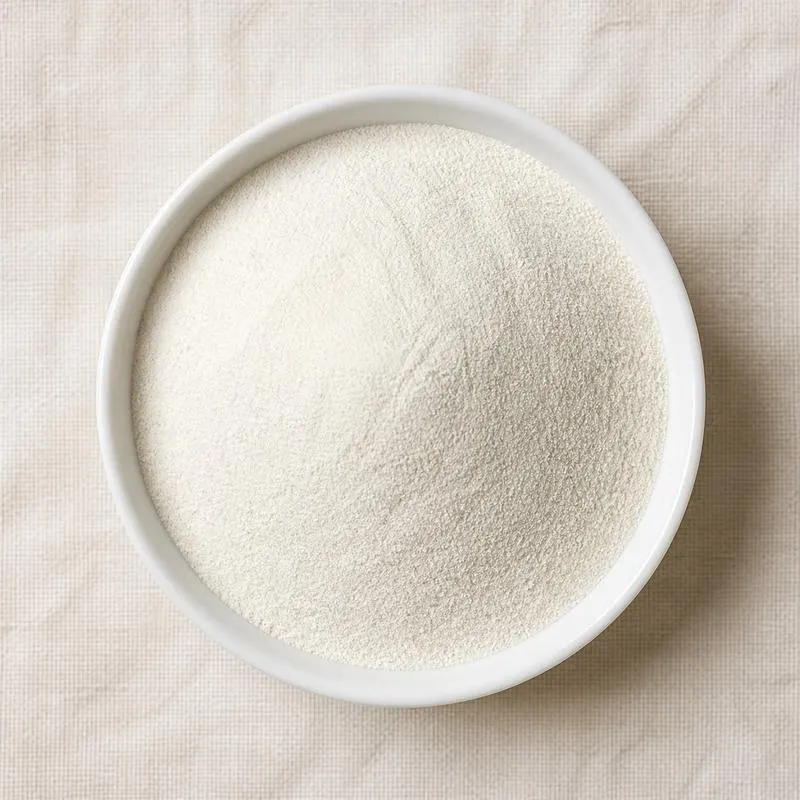
Three presentations cover the trade: a liquid in propylene glycol, ethanol, water or a vegetable oil carrier, a viscous natural caramelised sugar preparation, and a spray dried powder on maltodextrin. The volatile fraction is heat sensitive relative to the sugars, so encapsulated powders are used in baking and extrusion where an unprotected liquid would lose its top notes. Water soluble grades disperse in beverages and dairy, and oil soluble grades are used in confectionery and fat systems.
We source bulk Caramel Flavour from top China manufacturers for our partners. The manufacturer is in Fujian. A smaller requirement can ship in a combined container with other ingredients.
Please send the grade you need, the volume and your destination port, and we will come back with a solution and a price.
or call +86-21-6858 0751
- Function
- Flavours and Aromas
Specifications
| Item | Specification |
|---|---|
| Appearance | Pale yellow to dark brown liquid, or free flowing powder for dried grades |
| Odour and taste | Characteristic cooked sugar and caramel, matching retained standard |
| Solubility | Miscible with the declared carrier phase, water or oil according to grade |
| Specific gravity at 25 degrees Celsius | Within agreed range for the grade |
| Refractive index at 20 degrees Celsius | Within agreed range for the grade |
| pH of 10 percent solution, water soluble grades | 3.5 to 6.0 |
| Total solids, caramelised sugar base grades | To declared value, typically 70 to 80 percent |
| Moisture, powder grades | 5.0 percent maximum |
| Flavour load, powder grades | To declared value, typically 10 to 20 percent |
| Lead | 1 mg per kg maximum |
| Arsenic | 1 mg per kg maximum |
| Total plate count | 1000 cfu per gram maximum |
| Yeast and mould | 100 cfu per gram maximum |
| Salmonella | Absent in 25 grams |
Common Markets Grades
Grades separate by labelling status and by carrier. Natural grades are produced by actually caramelising sugar or by reacting sugars with amino acids and are declared as natural flavour or natural flavouring preparation, while artificial and nature identical grades are compounded from synthesised maltol, ethyl maltol, furaneol and related aroma chemicals and are stronger, cheaper and more reproducible. Many commercial products combine a reacted natural base with compounded top notes.
Physical form gives the second axis: water soluble liquids for beverages and dairy, oil soluble liquids for confectionery and bakery fat systems, emulsions where cloud is wanted, viscous caramelised sugar pastes at high solids, and spray dried or encapsulated powders for dry mixes. Concentration runs from ready to use dilutions to concentrates dosed below a tenth of a percent. Flavour direction is a further distinction, with lines built towards burnt sugar, dairy toffee, butterscotch and dulce de leche profiles, and alcohol free, kosher, halal and organic certified versions are offered where the carrier and starting materials permit.
Applications
- Confectionery, particularly toffee, fudge, caramels and filled chocolate centres
- Bakery goods and fillings, where an encapsulated grade survives the oven
- Ice cream and frozen desserts, in both the base and the ripple sauce
- Dairy drinks, flavoured milk and coffee based beverages
- Beverage syrups for coffee shops and dispensed drinks
- Breakfast cereals and granola, applied in the coating syrup
- Sauces and dessert toppings, reinforcing the cooked sugar note of the base
- Alcoholic beverages and liqueur style products where permitted
- Savoury applications such as barbecue and braising sauces, adding a cooked sugar depth
- Nutritional and protein products, masking the bitterness and astringency of the protein base
China Manufacturers of Caramel Flavour
Top Caramel Flavour manufacturers in China.
Company names and logos are the property of the manufacturers themselves. They are listed here because our own directory records them as producing this ingredient. A listing is not an endorsement by them, and we do not represent them or speak on their behalf.
Regulatory Status
In the United States caramel flavour counts as a flavouring, and its components must be generally recognised as safe or listed among the synthetic flavouring substances in 21 CFR 172.515. Maltol and ethyl maltol are permitted flavouring substances. The label term natural flavour or artificial flavour follows 21 CFR 101.22 according to the origin of the flavouring components, and a flavour built on caramelised sugar with no synthesised aroma chemicals qualifies as natural. 21 CFR 73.85 regulates caramel colour separately as a colour additive, and it is not interchangeable with caramel flavour on a label.
In the European Union flavourings are governed by the flavourings regulation, and every flavouring substance used must appear on the Union list of authorised flavouring substances. Flavourings carry no E number, whereas caramel colours are additives listed as E 150a to E 150d and are subject to their own specifications and category limits. Thermally produced process flavourings made by reacting sugars with amino acids are covered by a separate part of the same regulation, which sets conditions on reaction temperature and time and requires that certain contaminants be controlled. Codex covers flavourings through its guidelines on their use, resting on evaluations by the Joint Expert Committee on Food Additives.
Manufacturing Process
The natural route starts with sugar. Sucrose or glucose syrup is heated in a jacketed vessel to the point of caramelisation, or reacted with an amino acid source such as an amino acid solution, yeast extract or milk solids under controlled temperature, time and pH so that Maillard chemistry generates the target ratio of furanones, pyrazines and carbonyls. The reaction is stopped by cooling and dilution, and the aroma bearing fraction may be recovered by vacuum distillation or used as the whole reacted base.
Compounding follows. Aroma chemicals including maltol, ethyl maltol, furaneol, cyclotene, diacetyl and vanillin are weighed against the formula and added to a carrier in a stainless steel vessel, with the reacted base blended in where the product is built on one. The mixture is agitated at controlled temperature, matured so that the profile settles, filtered, and checked against a retained sensory standard together with specific gravity, refractive index and chromatographic profile. Liquid grades are filled under nitrogen into lined drums or bottles. Powder grades are prepared by emulsifying the flavour into a maltodextrin and gum solution and spray drying, or by dispersing it into molten hardened fat and spray chilling into beads, then sieving, testing for flavour load and packing in foil lined bags.